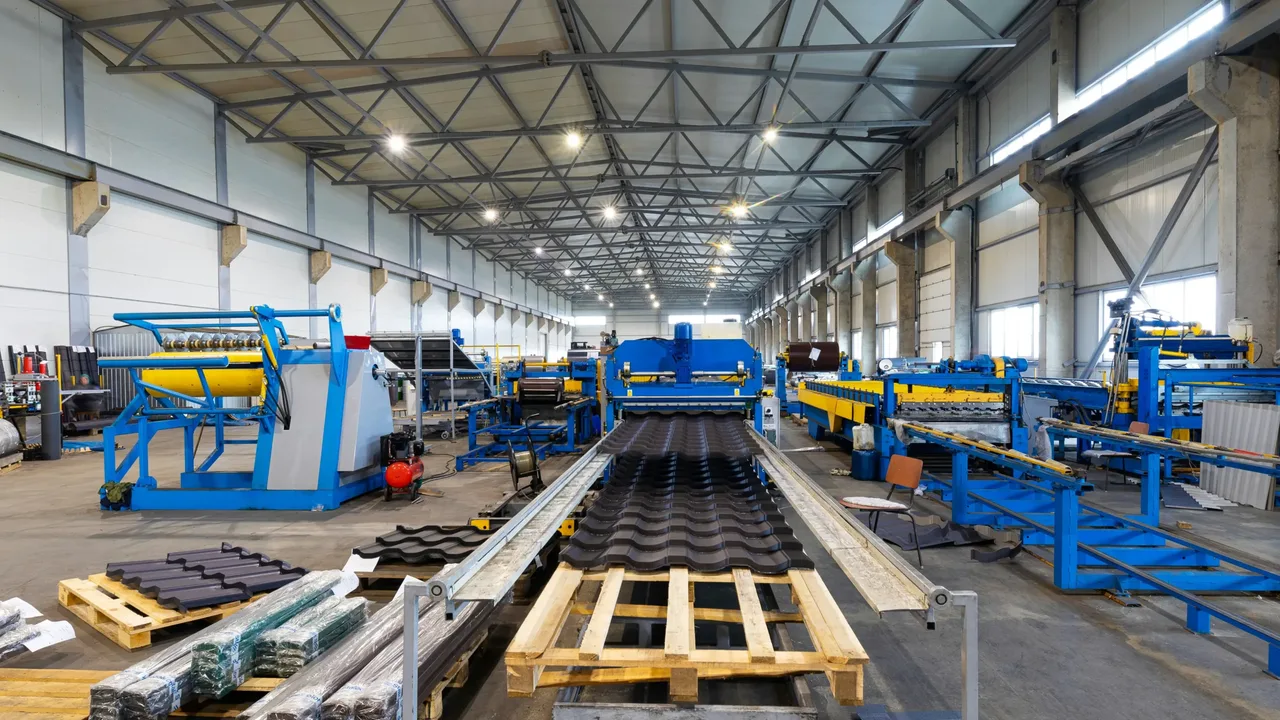
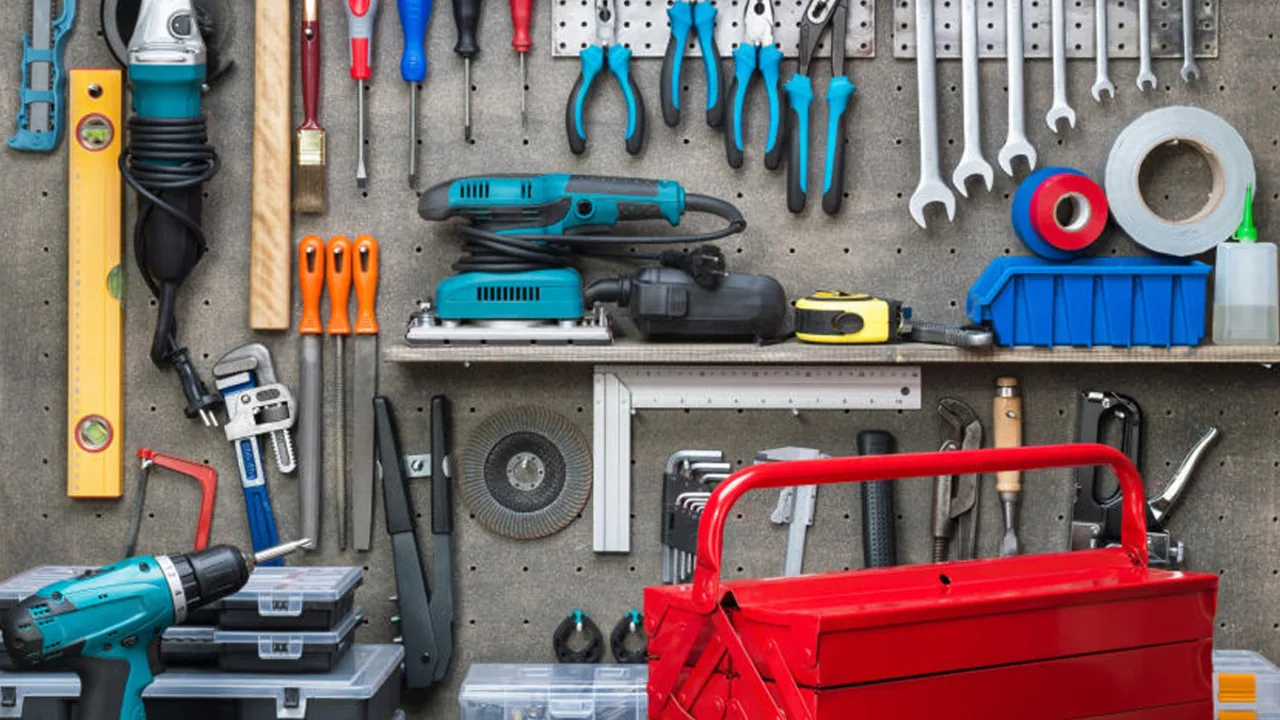
Consumable tools for workshops are often treated as small purchases compared with heavy machinery, but they have a major effect on how much value a workshop actually gets from its equipment. A business may invest in bridge saws, CNC machines, polishing lines, or other large production systems, yet still lose time and money if the daily-use tools are poorly selected, worn out, or not managed properly.
Heavy machinery creates production capacity. Consumables help protect that capacity every day. In stone fabrication and similar workshop environments, the tool that touches the material directly influences cutting behavior, surface quality, finishing consistency, and operator speed. This is why workshop growth depends not only on buying bigger machines, but also on building a reliable system around the tools that support recurring production.
Heavy Machinery Is Only the Beginning of Workshop Growth
Many workshops see machinery investment as the main turning point in business growth. A new cutting machine or polishing system can increase speed, expand service capability, and allow the company to accept larger projects. However, the machine itself is only one part of the production chain.
Once the machine is installed, daily output depends on smaller components that are replaced regularly. Blades, abrasives, drill bits, polishing pads, grinding wheels, and other consumables determine whether the machine performs consistently. If these tools are not matched to the work, the workshop may experience delays even with advanced equipment in place.
This is where many businesses underestimate the real operating model. Growth is not simply about maximum machine power. It is about predictable production, fewer interruptions, stable quality, and better control over cost per project.
What Consumable Tools for Workshops Actually Include
Consumable tools for workshops are tools used repeatedly in production and replaced after wear. They are different from heavy machinery because they have shorter service life, lower unit cost, and more direct contact with the material being processed.
In a stone workshop, common consumables may include cutting blades, diamond tools, grinding wheels, edge profiling tools, drill bits, abrasives, polishing pads, and finishing accessories. Some are used during rough processing, while others are responsible for final surface appearance.
The challenge is that these tools are easy to ignore in budget planning. A workshop may carefully compare machine specifications but buy consumables only when needed. That reactive habit can create inconsistent output because tool quality changes from batch to batch. A better approach is to treat consumables as part of the workshop’s operating system.
Why Consumables Decide Whether Heavy Machinery Performs Well
A powerful machine cannot produce reliable results if the consumable attached to it is unstable, worn, or unsuitable for the material. The machine controls movement and pressure, but the consumable controls the actual contact point. That contact point affects the finish, edge condition, heat, vibration, and processing speed.
For example, if a polishing tool wears unevenly, the machine may still operate normally, but the surface result can become inconsistent. If a cutting or grinding consumable is not matched to stone hardness, operators may need to slow down, repeat passes, or adjust settings more often. These small changes reduce total productivity.
Good consumable selection helps machines work closer to their intended performance. It also makes it easier for operators to maintain stable results across repeated jobs.
Repeat-Use Polishing Tools Keep Production Quality Consistent

Finishing work is one of the clearest examples of why consumables matter after machine setup. Diamond polishing tools and pads are not one-time purchases. They are recurring production items that must maintain quality across many surfaces, batches, and project types.
When finishing consumables are low quality or overused, surface results become harder to control. Operators may see uneven gloss, swirl marks, dull areas, or inconsistent texture. These problems often require extra passes, which increases labor time and slows down delivery.
For workshops managing repeated finishing work, choosing reliable polishing tools for recurring workshop use helps keep surface quality more consistent after the main machine setup is already in place.
The point is not only to create a better shine. It is to make the finishing stage predictable. When polishing pads perform consistently, operators can follow a clearer process and reduce the chance of last-minute corrections before a project is delivered.
The Business Cost of Ignoring Stone Consumables
Stone consumables may look inexpensive when compared with heavy machinery, but poor consumable planning creates hidden costs. These costs are often spread across labor, waste, downtime, replacement orders, and customer complaints.
A cheap tool that wears quickly may require more frequent replacement. A mismatched abrasive may extend finishing time. A poor-quality polishing product may create rework. In each case, the workshop loses more than the purchase price of the tool. It loses production time and reduces schedule reliability.
This becomes more serious as a workshop grows. Higher order volume means more repeated tool use. If consumables are not controlled, growth can expose weaknesses in the production system. More jobs create more chances for quality variation, urgent purchasing, and operator frustration.
Tool Replacement Cycle as a Production Planning Metric
The tool replacement cycle should be part of workshop management, not just operator judgment. When replacement happens too late, quality drops. When replacement happens too early, cost increases unnecessarily. The goal is to understand how long each tool performs well under real workshop conditions.
A practical replacement system can track the number of slabs processed, machine hours, visible wear, finish consistency, material type, and operator feedback. Over time, this data helps the workshop predict when tools need to be replaced before they cause quality issues.
This is especially useful for businesses handling different stone materials. A tool may last longer on one surface and wear faster on another. By monitoring the tool replacement cycle, the workshop can plan stock, reduce emergency purchases, and keep production more stable.
How Better Diamond Tools Support Workflow Stability
Diamond tools are widely used in stone workshops because hard materials require durable cutting, grinding, shaping, and polishing solutions. However, not every job requires the most expensive tool. The better question is whether the tool matches the material, machine, and production goal.
For a custom workshop, flexibility may matter more than maximum tool life. For a high-volume production shop, repeatability and durability may be more important. For premium countertop or architectural stone work, surface quality may be the priority.
Stable tools support a stable workflow. Operators spend less time adjusting settings, checking defects, or repeating steps. Managers can plan project timelines more accurately because the process becomes easier to predict.
Consumables, Operators, and Daily Productivity
Consumable choice also affects the people doing the work. Poor tools often require more pressure, slower movement, repeated inspection, or extra correction. This increases fatigue and makes productivity depend too heavily on operator experience.
Better consumables make the workflow easier to repeat. Operators can rely on the tool response, follow consistent steps, and spend less time solving preventable problems. This improves both quality and morale, especially in workshops where the same processes are repeated every day.
Safety should also be considered when evaluating workshop processes. Stone fabrication can involve dust exposure, especially when cutting or grinding certain materials. Resources from organizations such as OSHA on crystalline silica can help workshops understand why dust control, proper process planning, and suitable equipment practices matter in daily operations.
Budgeting for Consumables After Buying Heavy Machinery
After a major machinery investment, workshops should not treat consumables as random monthly expenses. New equipment often increases production capacity, which also increases usage of blades, abrasives, pads, and finishing tools. If the budget does not reflect this, the workshop may face shortages or unexpected costs.
A stronger budgeting approach considers monthly consumable demand, average cost per project, supplier lead time, emergency stock, and replacement frequency. This gives managers a clearer view of operating cost and helps prevent production delays caused by missing tools.
Planning consumable tools for workshops also helps with pricing. When a business understands the real cost of recurring tools, it can estimate projects more accurately and protect margins as order volume grows.
Inventory Control for Consumable Tools
Inventory control does not need to be complicated, but it does need to be consistent. Running out of a critical consumable can stop a machine even when labor, orders, and materials are ready. This creates unnecessary downtime and can delay delivery.
Workshops can improve control by setting minimum stock levels, separating tools by material type, tracking fast-moving items, and reviewing tool condition regularly. A simple reorder point for essential consumables can prevent urgent purchasing and reduce the risk of using unsuitable substitutes.
Inventory planning is especially important when a workshop handles different materials. Granite, marble, quartz, and engineered stone may require different tool behavior, so stock should reflect the actual production mix rather than a generic list.
When Workshops Should Upgrade Their Consumable Tool Strategy
A workshop does not always need another large machine to improve output. Sometimes the better step is to review how consumables are selected, tracked, and replaced. Common signs include:
- Polishing quality changes from batch to batch
- Operators report faster tool wear than expected
- Rework increases after production volume grows
- Machines are available, but finishing cannot keep up
- Urgent tool purchases happen too often
- Tool cost is unclear in project pricing
- Surface defects appear even when machine settings are correct
These issues suggest that consumables are limiting productivity. Reviewing tool quality, replacement timing, and inventory habits can often improve output without changing the main machine setup.
Choosing Consumables That Match Workshop Growth Goals
Different workshops grow in different ways, so consumable strategy should match the business model. A small custom workshop may need versatile tools that handle varied jobs. A high-volume shop may prioritize long service life and repeatable performance. A premium finishing business may focus on gloss consistency and surface quality.
The most important point is alignment. Consumables should support the type of work the workshop wants to win. If the business is trying to handle more orders, tool planning should support speed and availability. If the business is moving toward higher-value projects, finishing quality and consistency become more important.
Better Consumable Planning Makes Machinery Investment More Valuable
Heavy machinery can expand what a workshop is capable of producing, but consumables determine how consistently that capacity becomes finished work. Machines provide power, movement, and automation. Consumables provide the direct working edge that shapes, corrects, and finishes the material.
Consumable tools for workshops deserve the same planning mindset as larger investments. When a workshop manages polishing products, abrasives, diamond polishing tools, and other recurring tools properly, production becomes easier to control. The result is fewer interruptions, more predictable quality, and better value from every major machine already on the floor.