marcellelewebzine.com — Sustainable architecture is rapidly redefining what luxury means in the built environment. For decades, luxury in architecture was associated with scale, expensive materials, and visual extravagance. Large villas, premium finishes, and exclusive locations were seen as the ultimate indicators of status. Today, that definition is shifting. High-end living is no longer just about how a building looks, but how it performs, how it impacts the environment, and how it enhances everyday life.
This transformation is driven by a deeper awareness of climate change, resource scarcity, and long-term value. Wealthy homeowners and developers are increasingly prioritizing efficiency, durability, and environmental responsibility. As a result, sustainable architecture is no longer an alternative approach—it is becoming the new benchmark for premium design.
Redefining Luxury in Modern Architecture
Luxury used to be defined by excess. Large spaces, imported materials, and complex decorative elements were considered signs of wealth. However, this model often ignored environmental impact and long-term efficiency. Buildings consumed large amounts of energy, required constant maintenance, and relied heavily on resource-intensive materials.
In modern architecture, luxury is being redefined as a balance between comfort, performance, and responsibility. Instead of focusing only on appearance, designers are creating spaces that offer better air quality, natural lighting, and energy efficiency. The goal is not to impress through scale, but to deliver a higher quality of living.
This shift is particularly visible in high-end residential projects. Homeowners are asking different questions: How efficient is the building? What materials are used? How does the design interact with the surrounding environment? These concerns reflect a broader change in values, where sustainability becomes part of the luxury experience.
As a result, sustainable architecture is no longer seen as a compromise. It is now a defining feature of modern premium design.
What Sustainable Architecture Really Means
At its core, sustainable architecture focuses on reducing environmental impact while maintaining functionality and aesthetics. This involves careful planning at every stage of the building process, from material selection to energy systems and long-term maintenance.
One of the key principles is energy efficiency. Buildings are designed to minimize energy consumption through insulation, natural ventilation, and optimized orientation. Instead of relying heavily on mechanical systems, sustainable designs use passive strategies to regulate temperature and lighting.
Material selection is another critical factor. Designers choose materials based on their environmental footprint, durability, and recyclability. This includes using locally sourced resources, recycled components, and low-carbon alternatives.
Lifecycle thinking is also important. A building is not only evaluated based on construction cost, but on how it performs over decades. Maintenance, repairs, and eventual replacement all contribute to its overall impact. Sustainable design aims to reduce waste and extend the lifespan of every component.
Unlike basic “green design,” which may focus on a few visible features, true sustainability requires a holistic approach. Every system in the building must work together to reduce total environmental impact.
Eco Living as a Status Symbol
The concept of eco living has evolved from a niche lifestyle into a global trend. What was once associated with minimalism and simplicity is now part of high-end living. Sustainable choices are no longer seen as limitations, but as indicators of awareness and responsibility.
Affluent homeowners are increasingly choosing properties that reflect their values. Energy-efficient homes, natural materials, and low-impact designs are becoming symbols of modern luxury. These features demonstrate not only financial capability, but also a commitment to long-term sustainability.
Health is another major factor driving this trend. Homes designed with natural materials and proper ventilation provide better indoor air quality. This creates a more comfortable and healthier living environment, which is highly valued in premium markets.
In this context, eco living becomes more than a design choice—it becomes part of a broader lifestyle. It reflects a shift toward quality over quantity, where well-designed, efficient spaces replace unnecessary excess.
How Modern Design Is Evolving with Sustainability
The influence of sustainability is clearly visible in modern design. Instead of heavy ornamentation, designers are focusing on simplicity, functionality, and material authenticity. This approach reduces unnecessary elements and highlights the natural beauty of materials.
Open layouts are a common feature in modern sustainable homes. By reducing walls and barriers, designers improve airflow and allow natural light to reach more areas of the building. This reduces the need for artificial lighting and mechanical ventilation.
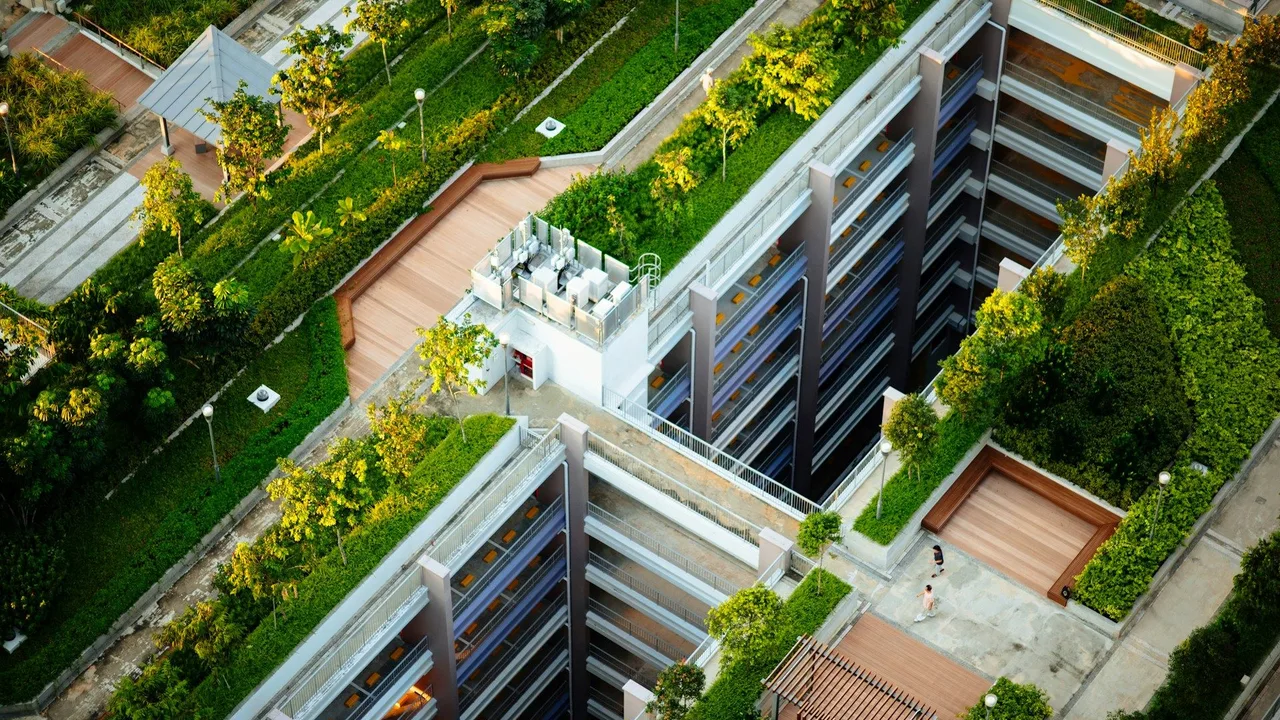
Connection with nature is another important aspect. Large windows, outdoor living spaces, and green roofs create a seamless transition between indoor and outdoor environments. This not only improves aesthetics but also enhances comfort and energy efficiency.
Material honesty is also a defining characteristic. Instead of covering surfaces with synthetic finishes, designers use raw or minimally processed materials such as wood, stone, and concrete. This approach reduces chemical use and creates a more authentic visual experience.
As sustainability continues to shape design trends, modern design is becoming more aligned with environmental principles without losing its aesthetic appeal.
Materials That Define Sustainable Luxury
The choice of materials plays a central role in sustainable architecture. High-end projects are increasingly using materials that combine durability, performance, and low environmental impact. These materials not only reduce carbon footprint but also enhance the overall quality of the building.
Natural materials such as wood, stone, and clay are widely used because they require less processing and create a healthier indoor environment. Reclaimed materials are also gaining popularity, as they reduce waste and add unique character to interiors and exteriors.
Engineered materials are evolving as well. New technologies allow the production of low-carbon concrete, recycled composites, and high-performance insulation. These innovations make it possible to achieve both sustainability and luxury at the same time.
Some commonly used materials in sustainable luxury projects include:
- Reclaimed wood for flooring and structural elements
- Low-carbon concrete for reduced emissions
- Recycled metal for durability and reuse
- Natural stone with minimal processing
- High-performance glass for energy efficiency
These materials demonstrate that sustainability does not limit design possibilities. Instead, it expands them by introducing new textures, finishes, and construction methods.
Technology’s Role in High-End Sustainable Homes
Technology has become a key driver in the evolution of sustainable architecture, especially in high-end residential projects. Advanced systems now allow buildings to operate more efficiently without sacrificing comfort or aesthetics. Instead of relying on manual control, smart systems automatically adjust energy usage based on real-time conditions.
One of the most impactful innovations is smart energy management. Homes can monitor electricity consumption, optimize usage, and even store excess energy from renewable sources such as solar panels. This reduces dependence on external grids and improves long-term efficiency.
Automated climate control is another important feature. Sensors detect temperature, humidity, and occupancy, allowing heating and cooling systems to operate only when needed. This not only saves energy but also creates a more comfortable indoor environment.
Lighting systems have also evolved. Smart lighting can adjust brightness based on natural daylight levels, reducing electricity use throughout the day. Combined with efficient fixtures, this significantly lowers overall energy demand.
These technologies make sustainable architecture more practical and attractive for luxury developments. They provide convenience, efficiency, and long-term cost savings, all while supporting environmental goals.
Why Sustainable Architecture Costs More (and Why It’s Worth It)
One of the main reasons some developers hesitate to adopt sustainable architecture is the higher initial cost. Advanced materials, specialized design processes, and integrated systems often require a larger upfront investment compared to conventional construction.
However, focusing only on initial cost can be misleading. Sustainable buildings are designed for long-term performance, which reduces operational expenses over time. Energy-efficient systems lower electricity bills, durable materials reduce maintenance costs, and better construction quality extends the building’s lifespan.
Property value is another important factor. Homes built with sustainable principles are increasingly in demand, especially in premium markets. Buyers are willing to pay more for properties that offer efficiency, comfort, and environmental responsibility.
In addition, sustainable buildings often require fewer repairs and replacements. This reduces long-term expenses and minimizes disruption for occupants. When all these factors are considered, the total cost of ownership can be lower than that of traditional buildings.
Because of these benefits, many investors and homeowners now see sustainable architecture as a strategic investment rather than an extra expense.
The Psychological Value of Sustainable Spaces
Beyond technical performance, sustainable architecture also provides psychological and emotional benefits. Spaces designed with natural materials and efficient layouts tend to feel more comfortable and balanced. This has a direct impact on how people experience their environment.
Connection to nature is one of the most important factors. Natural light, open spaces, and organic materials create a calming atmosphere. This reduces stress and improves overall well-being. In high-end homes, this sense of comfort is often more valuable than visual complexity.
Air quality is another key element. Buildings that use low-emission materials and proper ventilation systems provide cleaner indoor environments. This contributes to better health, especially in urban areas where outdoor air quality may be poor.
Acoustic comfort also plays a role. Sustainable materials often provide better insulation, reducing noise from outside and creating quieter indoor spaces. This enhances the overall living experience.
These factors show that sustainable architecture is not only about environmental impact, but also about improving quality of life.
Challenges Behind Sustainable Luxury
Despite its advantages, sustainable luxury is not without challenges. One of the biggest issues is greenwashing. Some projects are marketed as sustainable without meeting real environmental standards. This creates confusion and makes it difficult for buyers to evaluate the true value of a building.
Certification systems can help address this problem, but they are often complex and vary by region. Standards such as LEED certification provide guidelines for sustainable construction, but achieving these certifications requires time, expertise, and additional cost.
Material sourcing is another challenge. High-quality sustainable materials may not always be available locally, which can increase cost and transportation impact. Designers must balance performance, availability, and environmental goals when selecting materials.
Budget constraints can also limit design possibilities. While sustainable solutions offer long-term benefits, not all projects can afford the initial investment. This creates a gap between high-end developments and more standard construction.
Despite these obstacles, demand for better buildings continues to grow, pushing the industry to improve standards and develop more accessible solutions.
The Future of Luxury Is Sustainable
The future of sustainable architecture points toward buildings that are not only efficient, but also self-sufficient. Advances in renewable energy, material science, and digital systems are making it possible to create homes that generate their own power, manage their own resources, and adapt to changing conditions.
Carbon-neutral homes are becoming a realistic target in certain regions. By combining renewable energy, efficient design, and low-impact materials, buildings can significantly reduce their environmental footprint. While full neutrality remains challenging, progress is accelerating.
Circular construction is another important development. Instead of treating buildings as permanent structures, designers are creating systems that can be disassembled and reused. This reduces waste and allows materials to remain in use for longer periods.
Integration with smart cities will also influence future design. Buildings will be connected to larger networks that manage energy, transportation, and infrastructure. This creates more efficient urban systems and reduces overall resource consumption.
As these trends continue, sustainable architecture will move from being a premium feature to a standard expectation. What is considered luxury today may become the baseline for tomorrow’s buildings, shaping the future of how people live and interact with their environment.