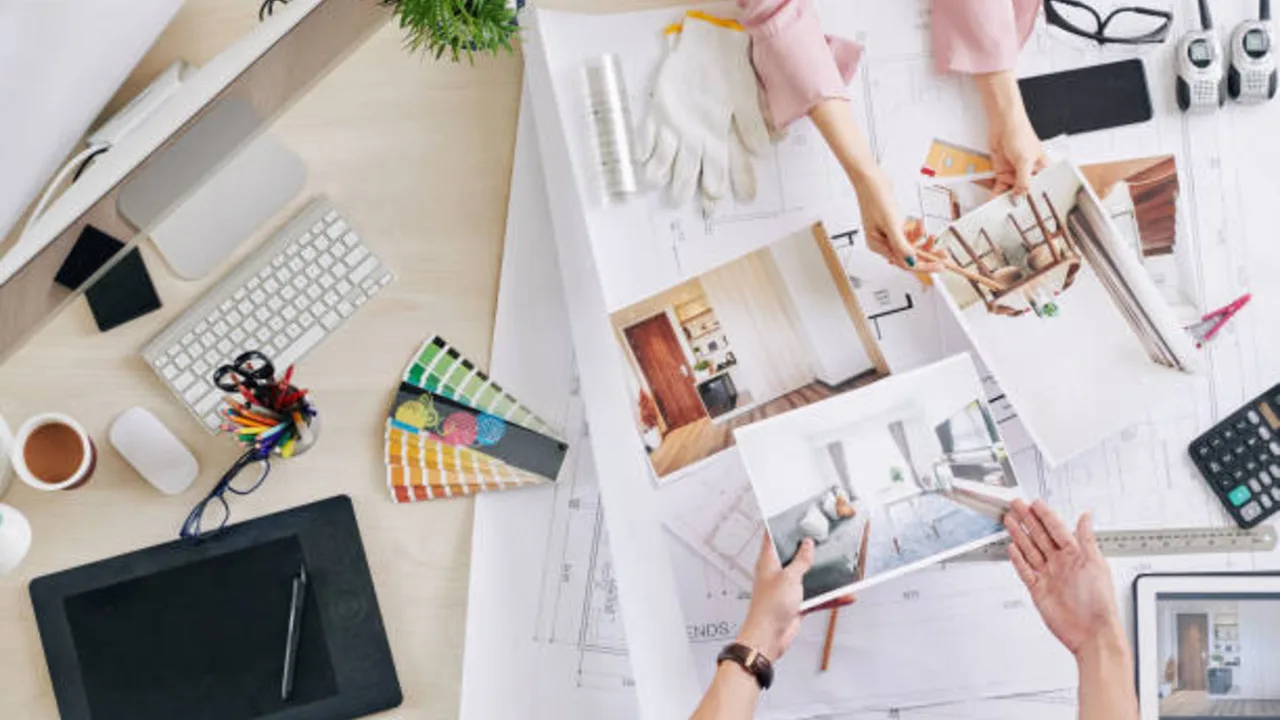
Interior design is evolving as homeowners, architects, and designers pay more attention to environmental impact. The growing interest in sustainable interior design reflects a shift toward materials and methods that reduce waste, save energy, and create healthier living spaces. Instead of focusing only on appearance, modern interiors now consider how products are made, how long they last, and how they affect the environment.
Today, many designers prefer eco materials such as recycled wood, low‑emission paint, and natural fibers. These materials support environmentally responsible construction while still allowing creative freedom. As a result, sustainable concepts are becoming common not only in luxury projects but also in everyday modern homes.
This change is driven by environmental awareness, new technology, and updated building standards that encourage greener choices in construction and decoration.
Why Sustainability Matters in Interior Design
Interior spaces influence both environmental impact and personal well‑being. Traditional construction materials often require large amounts of energy to produce and may release harmful chemicals over time. Because of this, many designers are moving toward sustainable interior design principles that focus on efficiency, safety, and long‑term durability.
Homeowners are also becoming more aware of how materials affect indoor air quality and energy use. Choosing eco materials can reduce pollution, lower electricity consumption, and create healthier environments.
In modern homes, sustainability is no longer a niche idea. It has become a standard consideration in residential, commercial, and office design.
What Is Sustainable Interior Design?
Definition and Core Principles
Sustainable interior design means creating indoor spaces that minimize environmental impact while maintaining comfort and style. This approach considers the full life cycle of materials, from production to disposal.
Key principles include:
- Using eco materials with low environmental impact
- Reducing energy consumption
- Improving indoor air quality
- Choosing durable and recyclable products
- Supporting responsible manufacturing
Designers who follow these principles aim to create interiors that remain functional and attractive for many years.
How Eco Materials Support Sustainability
Eco materials are products designed to reduce harm to the environment. They may be recycled, renewable, or produced with lower emissions.
Common examples include:
- Reclaimed wood
- Bamboo flooring
- Natural stone
- Low‑VOC paint
- Recycled metal
- Organic fabrics
Using these materials allows modern homes to combine aesthetics with environmental responsibility.
Why Sustainable Materials Are Becoming Popular
Environmental Awareness
Public awareness of climate change has increased demand for sustainable interior design. Many homeowners now want spaces that reflect their values, including energy efficiency and responsible material use.
Designers respond by selecting eco materials that reduce waste and require less energy to produce.
Health and Indoor Air Quality
Traditional finishes sometimes release chemicals that affect indoor air quality. Sustainable materials often avoid these substances, making interiors safer.
Low‑emission products, natural finishes, and better ventilation systems are now common in modern homes designed with sustainability in mind.
Long‑Term Cost Savings
Although eco materials can sometimes cost more initially, they often last longer and require less maintenance. Energy‑efficient lighting, insulation, and appliances also reduce monthly expenses.
This makes sustainable interior design attractive not only for environmental reasons but also for financial benefits.
Types of Eco Materials Used in Modern Homes
Recycled and Reclaimed Materials
Recycled materials reduce the need for new resources. Designers often use reclaimed wood, recycled metal, and reused glass to create unique interiors.
Benefits include:
- Less environmental impact
- Lower material waste
- Unique textures and appearance
Renewable Natural Materials
Renewable resources grow quickly and can be replaced easily. Bamboo, cork, and natural fibers are popular choices in sustainable interior design.
These materials are widely used in flooring, furniture, and decorative elements.
Low‑Emission Finishes
Paint, adhesives, and coatings can affect indoor air quality. Modern eco materials often use low‑VOC formulas that release fewer harmful gases.
This helps create healthier environments inside modern homes.
Energy‑Efficient Components
Sustainability is not only about materials. Efficient lighting, insulation, and smart systems also play an important role.
Common features include:
- LED lighting
- Energy‑efficient windows
- Smart temperature control
- Water‑saving fixtures
These elements help reduce long‑term energy use while improving comfort.
How Sustainable Materials Influence Modern Homes
The use of eco materials is changing the way modern homes are designed. Instead of choosing materials only for appearance, designers now evaluate durability, environmental impact, and energy efficiency. This shift is one of the main reasons sustainable interior design has become a major trend in both residential and commercial projects.
Modern homes built with sustainable materials often consume less energy, produce less waste, and provide better indoor comfort. These benefits make environmentally responsible design attractive not only for environmental reasons but also for long‑term cost savings.
Better Energy Efficiency
Materials with good insulation properties help reduce heating and cooling costs. Walls, floors, and windows designed with efficiency in mind make it easier to maintain comfortable indoor temperatures.
Common energy‑efficient features include:
- Insulated wall panels
- Double or triple‑glazed windows
- Thermal flooring materials
- Energy‑saving lighting systems
These elements are often part of sustainable interior design because they lower both energy use and environmental impact.
Improved Indoor Comfort
Eco materials often create a more comfortable living environment. Natural textures, better air quality, and stable temperatures make interiors feel healthier.
Modern homes designed with sustainability in mind usually include better ventilation, natural light, and materials that do not release harmful chemicals.
Design Trends Driven by Sustainable Interior Design
As environmental awareness grows, several design trends are becoming closely connected to sustainable interior design. These trends focus on simplicity, durability, and responsible material use.
Minimalist Design
Minimalist interiors use fewer materials and avoid unnecessary decoration. This reduces waste and makes it easier to choose eco materials that last longer.
Simple layouts also make modern homes easier to maintain and more energy efficient.
Natural Color Palettes
Designers often use colors inspired by nature, such as earth tones, wood textures, and stone finishes. These styles match well with sustainable materials and create a calm atmosphere.
Natural colors also help interiors remain timeless, reducing the need for frequent renovation.
Multi‑Functional Furniture
Furniture that serves more than one purpose reduces the number of items needed in a room. This approach supports sustainable interior design by lowering material consumption.
Examples include:
- Storage beds
- Foldable tables
- Modular sofas
- Convertible workspaces
These solutions are popular in modern homes where space efficiency and sustainability are both important.
Benefits of Using Eco Materials in Interior Design
Choosing eco materials provides advantages beyond environmental protection. Many sustainable products offer better performance and longer life compared to traditional materials.
- Lower environmental impact
- Better indoor air quality
- Reduced energy consumption
- Longer material lifespan
- Lower maintenance cost
- Higher property value
Because of these benefits, sustainable interior design is increasingly used in homes, offices, hotels, and public buildings.
| Traditional Materials | Eco Materials |
|---|---|
| High emissions during production | Lower environmental impact |
| Shorter lifespan | More durable |
| Possible chemical exposure | Low‑emission finishes |
| Higher energy use | Better efficiency |
| Limited recycling | Reusable or renewable |
This comparison shows why eco materials are becoming standard in modern homes.
Challenges of Sustainable Interior Design
Despite its advantages, sustainable interior design can present challenges. Some eco materials cost more, and not all regions have easy access to environmentally friendly products.
Common difficulties include:
- Higher initial material cost
- Limited supply in some markets
- Lack of skilled installers
- Need for careful planning
- Different standards between countries
However, as demand increases, prices are gradually becoming more competitive and more manufacturers are offering sustainable options.
The Future of Sustainable Interior Design
The future of interior design is expected to become even more focused on sustainability. New technology and stricter building standards will continue to encourage the use of eco materials in modern homes.
Important trends include:
- Recyclable and biodegradable materials
- Smart energy‑efficient interiors
- Locally sourced materials
- Carbon‑neutral construction products
- Integration with green building standards
As these trends grow, sustainable interior design will likely become the normal approach rather than a special option.
Sustainable Materials Are Shaping Interior Design
The rise of sustainable interior design shows how environmental awareness is influencing the way homes are built and decorated. By using eco materials and energy‑efficient solutions, designers can create spaces that are both beautiful and responsible.
Modern homes that follow sustainable principles offer better comfort, lower operating costs, and reduced environmental impact. Although the transition may require more planning, the long‑term benefits make sustainable design an important direction for the future.
As technology improves and more materials become available, sustainable interior design will continue to shape the look and function of interiors around the world.