
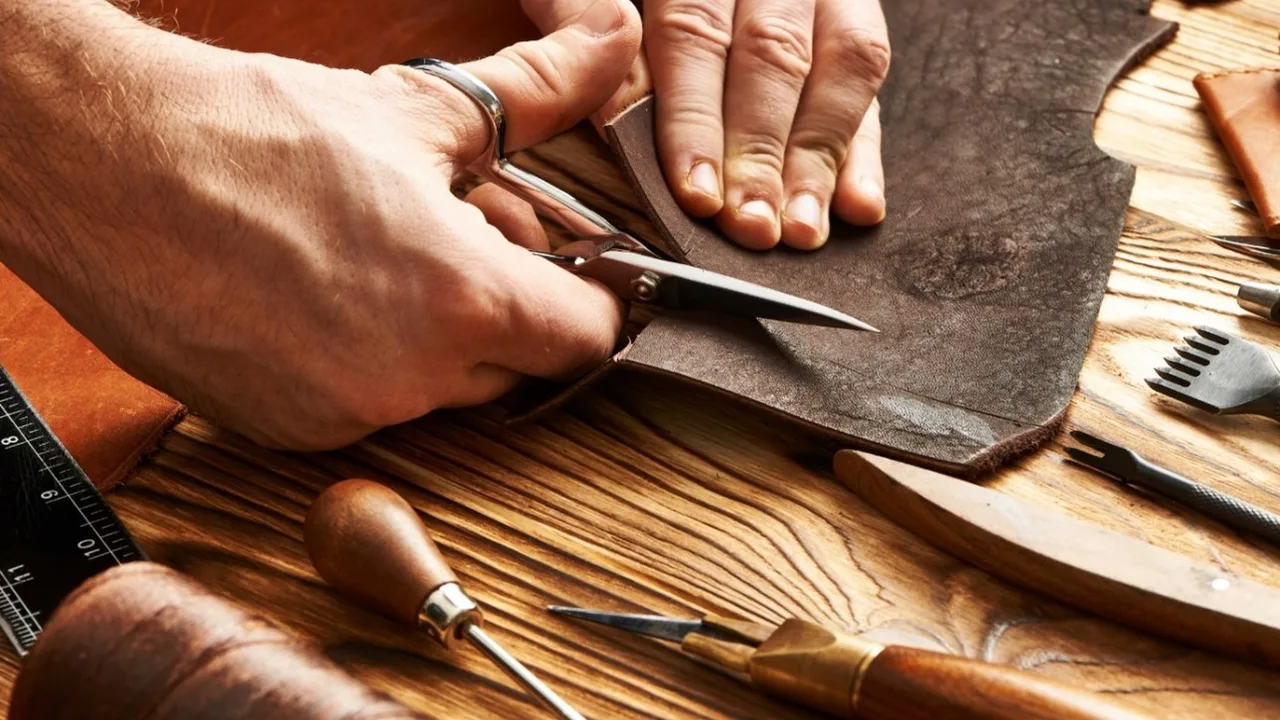
In a world increasingly defined by automation, algorithms, and mass production, the craftsmanship revival stands as a quiet but powerful counter-movement. Across design studios, workshops, and online platforms, people are rediscovering the beauty of handmade work and the soul behind objects created by human hands. What once seemed outdated—woodturning, pottery, leathercraft, weaving—is now being reimagined for the 21st century, blending tradition with digital innovation.
Introduction — When Digital Meets Handmade
As consumers tire of uniform products and machine-perfect finishes, they are turning toward authenticity. The craftsmanship revival reflects a cultural craving for imperfection, individuality, and connection. Every piece of handmade work tells a story—of the maker’s touch, local culture, and time invested in its creation. In contrast to instant gratification, handmade products embody patience and purpose.
This renewed interest isn’t just about nostalgia. It’s a response to the digital age itself. Technology has made production faster and cheaper, but it has also created emotional distance between people and the things they own. The revival of handmade products and the renewed visibility of local artisans signal a deeper desire for meaning, identity, and sustainability in how we live and consume.
What Drives the Craftsmanship Revival
The Human Need for Authenticity
We live in an era of artificial intelligence and generative design, yet human creativity remains irreplaceable. People are rediscovering that real satisfaction comes from owning something made with care and skill. The craftsmanship revival represents a shift from disposable culture toward durability and emotional value.
In many ways, this trend mirrors the rise of slow living—a lifestyle that values quality over quantity. Consumers are beginning to ask not only “What does it cost?” but “Who made it, and how?” Artisanship provides a direct connection to people and stories, rather than to factories and supply chains. It’s a subtle rebellion against sameness, reclaiming the imperfections that machines can never replicate.
From Globalization to Localization
The past two decades of globalization have given us unprecedented access to goods, but also a sense of cultural dilution. The pandemic amplified this realization, sparking support for local businesses and community-based production. Workshops and small studios began gaining traction again as people sought items rooted in heritage and place.
Movements like “Buy Local” and “Slow Made” embody this ethos. Instead of mass-producing for anonymous markets, local artisans are building relationships with customers who value authenticity and sustainability. This not only boosts local economies but also preserves traditional skills that were at risk of disappearing. The result is a world where craftsmanship and modern design coexist, each strengthening the other.
The Role of Technology in Modern Craftsmanship
Bridging Tradition and Innovation
Ironically, the same digital tools that once threatened artisans are now helping them thrive. From 3D printing to digital modeling and CNC carving, technology allows craftspeople to merge precision with creativity. A potter can design a complex pattern digitally and apply it manually, blending art with engineering. A woodworker can use laser cutting to achieve perfect joints while still hand-finishing each piece.
Technology, in this sense, doesn’t replace the artisan—it extends their capabilities. The craftsmanship revival is not a rejection of the digital era but an evolution within it. By merging handcraft with digital fabrication, creators are proving that innovation and tradition can complement rather than compete with each other.
Online Platforms Empowering Artisans
Digital spaces have become essential in the survival of craft. E-commerce and social media give artisans direct access to global audiences without intermediaries. Through storytelling and visual documentation, craftspeople can share their processes, educate customers, and build communities around shared values. Platforms like Etsy, Instagram, and independent marketplaces have transformed small workshops into international micro-brands.
However, visibility comes with responsibility. Artisans must navigate how to grow without diluting authenticity. The most successful ones combine transparency with innovation—sharing behind-the-scenes glimpses, material sourcing, and creative experimentation. In doing so, they remind us that technology can humanize rather than industrialize the creative process.
Handmade Products as a Lifestyle Statement
Beyond Utility — The Emotional Value of Handmade
Buying a handmade product today is more than a transaction—it’s a statement. It reflects the buyer’s values and awareness of the human effort behind each piece. From custom leather wallets to handwoven textiles, each object carries a piece of its maker’s identity. That intimacy, that sense of “someone made this for me,” cannot be mass-produced.
Modern consumers increasingly see handmade products as representations of mindfulness and self-expression. In a culture where everything is instant, slow creation feels luxurious. It’s why even in tech-saturated cities, markets for bespoke furniture, ceramics, and jewelry are thriving. Each crafted object adds a human layer to digital life, balancing progress with presence.
The Sustainability Connection
The craftsmanship revival also aligns closely with environmental consciousness. Handmade goods often use natural, locally sourced materials and emphasize repairability over replacement. This reduces waste, transportation emissions, and reliance on synthetic production. Many craftspeople adopt circular economy principles—turning scraps into new products, or upcycling vintage materials into fresh designs.
Sustainability organizations like the UNEP have long promoted responsible consumption, and the modern artisan movement embodies that philosophy. By valuing durability, provenance, and minimal waste, craftspeople contribute to a quieter, slower form of progress—one that honors both nature and human creativity.
The New Generation of Makers
Young Artisans Redefining Craft
The revival isn’t driven only by nostalgia—it’s being redefined by a younger generation. Millennials and Gen Z are reimagining craftsmanship through the lens of technology, sustainability, and design culture. For many, crafting isn’t an old trade—it’s an act of self-expression, independence, and purpose. A new kind of artisan is emerging: one who codes by day and carves wood by night, who sees no conflict between digital and manual creativity.
DIY culture, maker spaces, and online tutorials have democratized access to craftsmanship. Skills that once required apprenticeships are now available globally through videos, workshops, and open-source communities. It’s a new ecosystem where knowledge is shared, not guarded—a digital guild for the modern age.
Challenges in a Digital Landscape
Fast Fashion and Mass Production Pressure
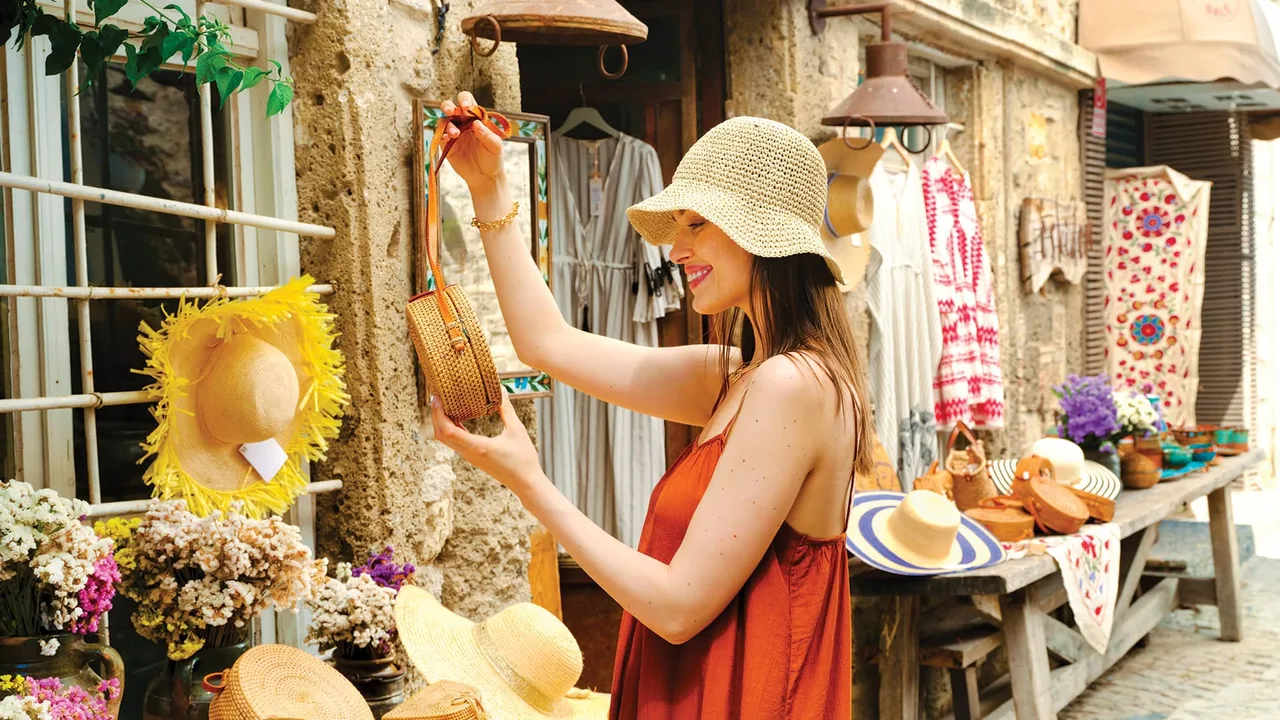
Despite the momentum behind the craftsmanship revival, artisans still face immense pressure from a fast-paced global market. Fast fashion and disposable goods dominate consumer culture, making it difficult for handmade products to compete on price or volume. The expectation of instant availability and low cost often leads to undervaluing the time and skill required to create something by hand.
Artisans also face logistical challenges: sourcing sustainable materials, maintaining quality, and scaling operations responsibly. Many refuse to compromise their methods, accepting slower growth in exchange for authenticity. This makes their work both rarer and more valuable, but also more vulnerable in a market built on convenience.
Authenticity vs. Commercialization
As the movement grows, the term “handmade” itself risks becoming commercialized. Some brands use artisanal language in marketing without following through in practice. A product described as “crafted” might actually come from a semi-automated assembly line. This kind of cultural borrowing threatens to dilute the true meaning of craftsmanship.
For the craftsmanship revival to remain credible, transparency is essential. Clear labeling, open workshops, and storytelling rooted in process—not polish—help preserve authenticity. The artisans who succeed in the digital era are those who share not only their products but their philosophy. They invite customers to witness creation as participation, not consumption.
The Future of Craftsmanship Revival
Education and Knowledge Transfer
The sustainability of craftsmanship depends on passing down knowledge. Across the world, new initiatives are emerging to preserve traditional skills while adapting them for modern markets. From woodworking schools in Japan to leathercraft collectives in Italy, teaching institutions are reimagining apprenticeship for a digital audience. Online masterclasses and digital archives now serve as bridges between generations, allowing ancient techniques to thrive in new contexts.
Education also redefines the perception of “manual labor.” Younger artisans view craftsmanship as a creative career rather than a fallback. This mindset shift ensures that craft traditions evolve while staying relevant to future markets. Technology’s role is not to replace craftsmanship but to amplify its reach, connecting students and mentors across borders.
Toward a Conscious Consumer Culture
The craftsmanship revival also depends on a more conscious consumer base. People are beginning to question not only what they buy but how it’s made. As awareness of sustainability and ethics grows, so does appreciation for local artisans who uphold transparency and cultural integrity. Choosing handmade over mass-produced becomes a form of activism—a vote for sustainability, heritage, and humanity.
This movement aligns with broader societal shifts: ethical fashion, slow food, and mindful consumption. Each supports the idea that progress doesn’t have to mean detachment. By supporting artisans, consumers participate in a cycle of respect and reciprocity, investing in long-term value rather than fleeting trends.
Conclusion — Crafting Humanity in a Mechanized World
At its heart, the craftsmanship revival is a return to human essence in a mechanized age. It celebrates skill, patience, and imperfection—qualities that resist automation. As digital tools continue to shape how we live, the enduring relevance of touch and tradition becomes even clearer. Handcrafted work reminds us that progress is most meaningful when it stays connected to its roots.
The future of craftsmanship will not reject technology but redefine it. Artisans will continue blending digital precision with human intuition, proving that the handmade and the high-tech can coexist harmoniously. The real revolution lies in balance—in a future where every object tells a story of both innovation and intention.