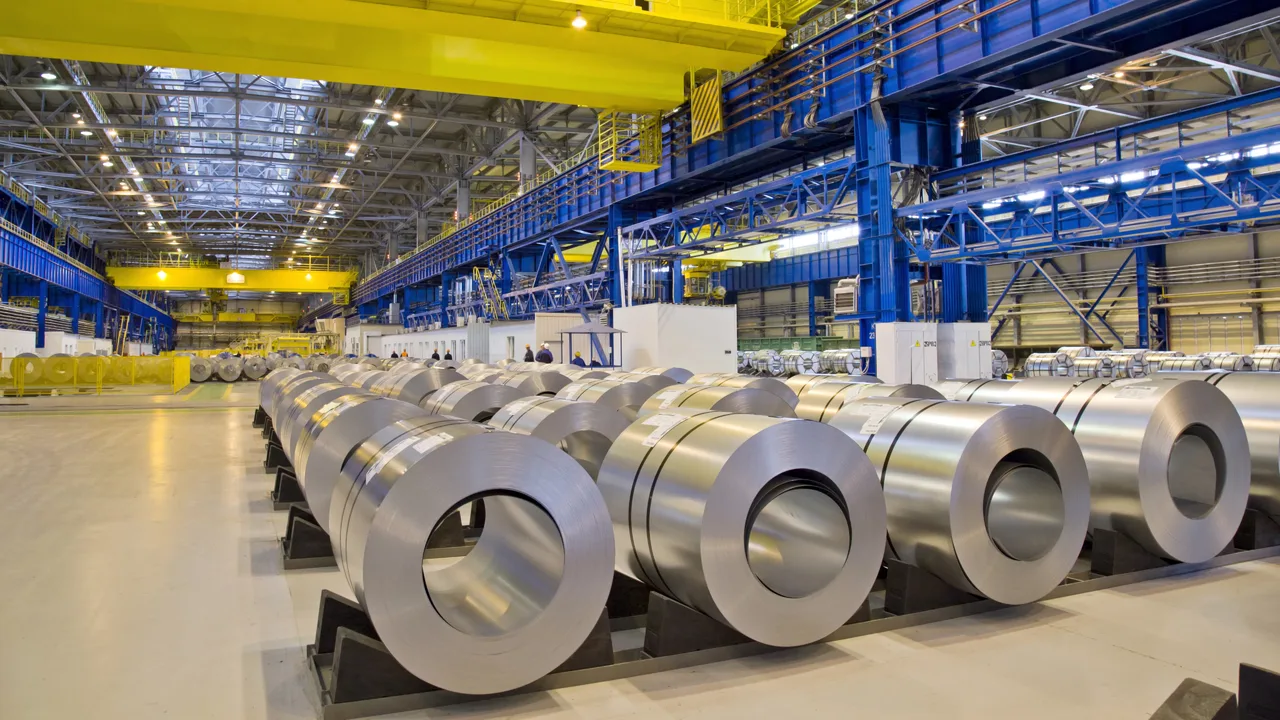
In the digital age, cities are evolving beyond physical infrastructure into intelligent ecosystems powered by data, automation, and connectivity. At the heart of this transformation lies a powerful force—smart factory trends. Before a city becomes “smart,” its industries must learn to produce, communicate, and adapt intelligently. Modern factories are no longer isolated facilities; they are interconnected data hubs driving innovation across energy, logistics, and urban planning.
Introduction
When people think of smart cities, they imagine self-driving vehicles, automated streetlights, and sustainable buildings. But few realize that the foundation of these innovations begins inside industrial facilities. Through digital transformation and the adoption of connected systems, factories serve as living laboratories for efficiency and intelligence. The fusion of robotics, analytics, and the IoT industry enables cities to learn, adapt, and optimize much like living organisms.
From predictive maintenance to carbon tracking, factories are generating the data streams that power smarter urban ecosystems. The logic is simple: a city cannot be intelligent if its production systems remain analog. In other words, smart cities start with smart factories.
Understanding Smart Factories
What Defines a Smart Factory
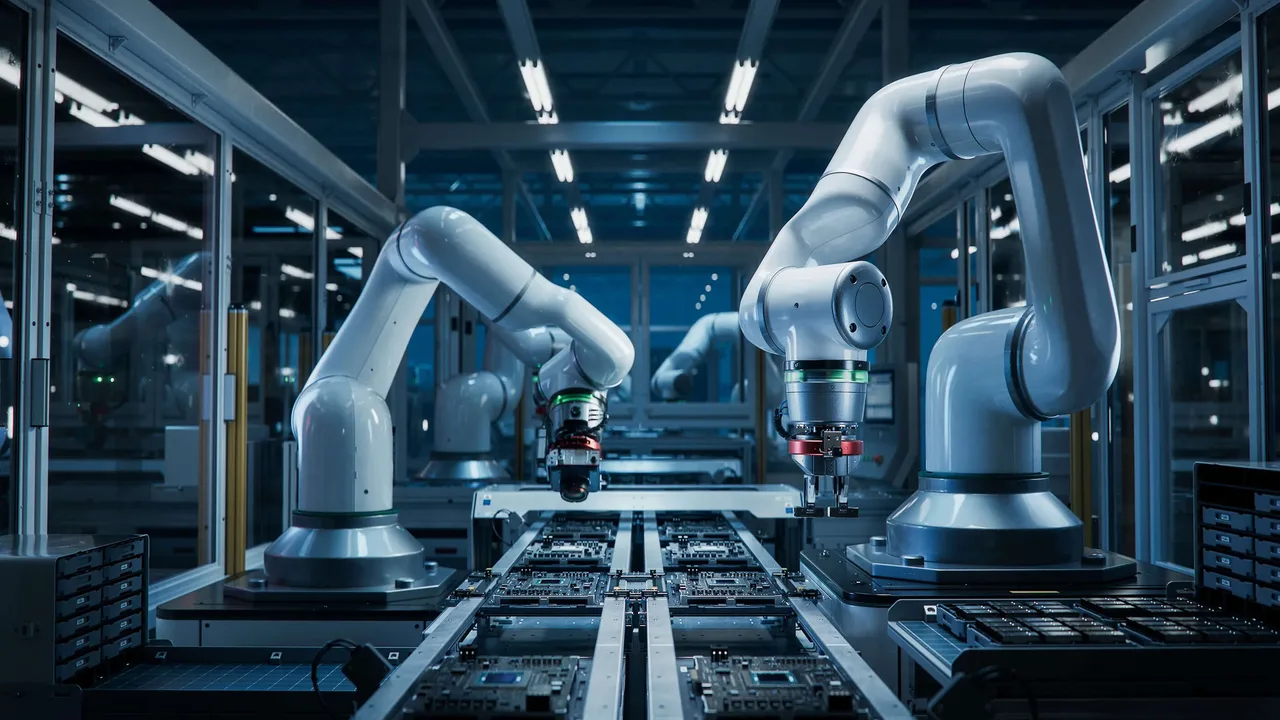
Smart factories represent the next evolution in industrial automation. Unlike traditional facilities that rely on human monitoring and manual controls, smart factories integrate artificial intelligence (AI), sensors, and machine learning to achieve real-time optimization. These systems operate on vast networks of connected devices—commonly referred to as Industrial Internet of Things (IIoT)—to manage production flows autonomously.
At their core, these factories embrace digital transformation principles. Machines communicate with each other, collect performance data, and automatically adjust workflows to minimize errors. This interconnectedness creates a self-learning environment where operational insights are generated continuously, allowing managers to make data-driven decisions rather than relying on intuition alone.
How Smart Factories Shape the IoT Industry
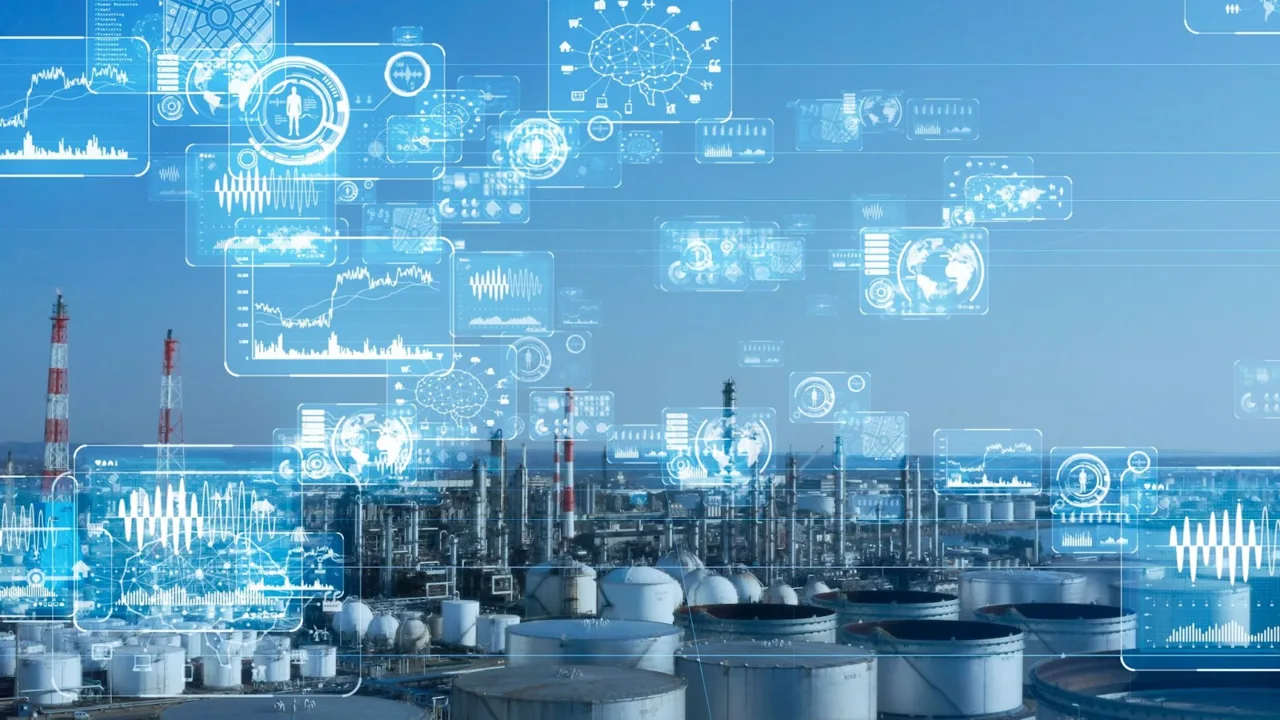
The IoT industry has found its most practical applications inside modern manufacturing environments. Sensors track machine conditions, detect anomalies, and trigger maintenance before failures occur. This predictive capability not only reduces downtime but also improves safety and sustainability.
What’s more, the data collected in these environments doesn’t stay confined to the factory floor. It feeds into larger networks—power grids, supply chains, and urban logistics systems—creating a feedback loop that extends from industry to city governance. The efficiency lessons learned in production help city planners manage resources and infrastructure more intelligently.
The Technology Backbone
Core Components of Smart Factory Systems
Every smart factory operates on a layered technological framework that blends hardware, software, and communication protocols. Among the essential components are:
- IIoT Sensors: Collect real-time data on temperature, vibration, and production flow.
- Edge Computing: Processes data locally to reduce latency and bandwidth dependency.
- AI and Machine Learning: Analyze historical data to forecast performance and suggest optimizations.
- Cloud Infrastructure: Stores and integrates data across global production sites.
- 5G Networks: Enable seamless, high-speed communication between devices.
These technologies enable factories to shift from reactive management to proactive decision-making. In addition, digital twin technology—virtual replicas of machines or entire production systems—allows engineers to simulate outcomes, test modifications, and optimize efficiency without interrupting operations.
The Role of Interconnectivity
At the heart of all smart factory trends is interconnectivity. Machine-to-machine (M2M) communication ensures that every piece of equipment operates in harmony. For example, if one production line slows down due to maintenance, connected systems can automatically reroute workflows to maintain output levels. This reduces bottlenecks, improves reliability, and optimizes energy consumption.
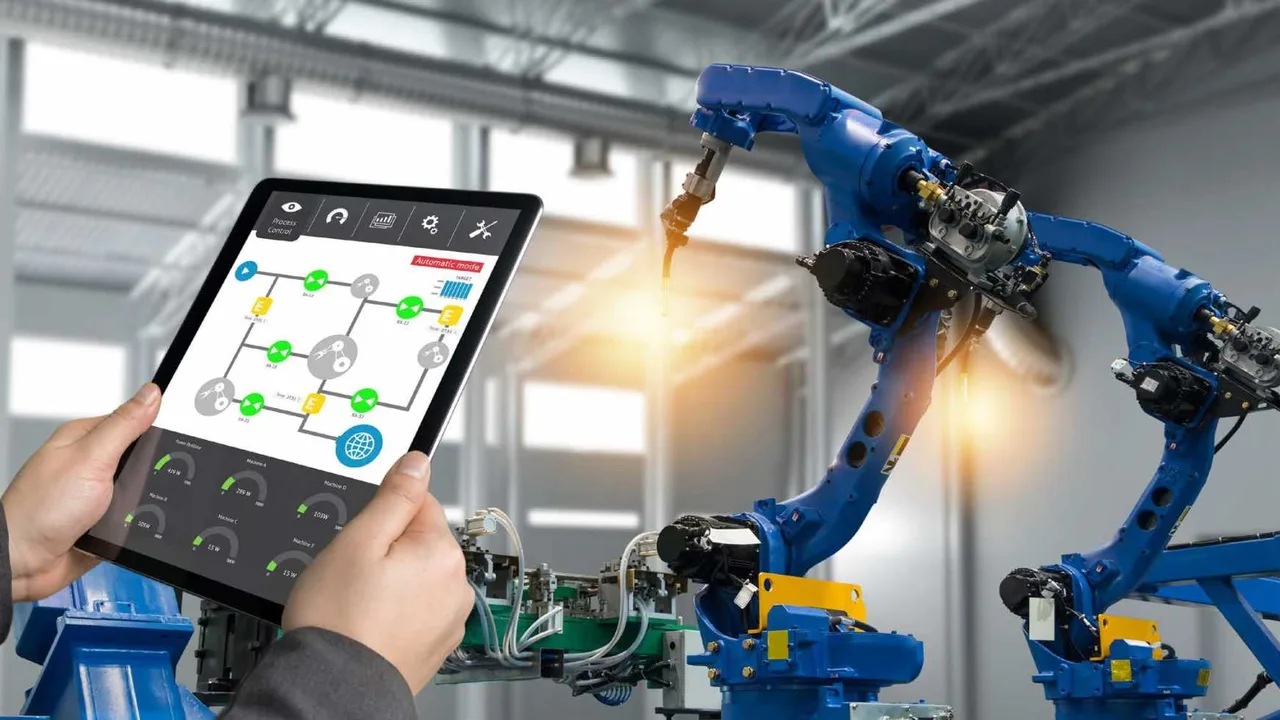
Interconnectivity also supports remote operations. Factory supervisors can monitor and adjust production settings through centralized dashboards, whether they’re on-site or across the world. This evolution has redefined operational flexibility, enabling businesses to scale globally without compromising control or oversight.
From Smart Factories to Smart Cities
How Industrial Data Powers Urban Systems
Data produced by smart factories extends beyond manufacturing—it fuels the backbone of smart city infrastructure. Real-time energy usage data helps optimize city grids, while logistics data enhances transportation efficiency. These continuous feedback systems are essential for reducing emissions and improving urban quality of life.
Imagine a future where an industrial park’s waste heat supplies nearby residential energy, or where a city’s water management system adjusts in real time based on factory consumption data. The integration of IoT industry analytics into municipal systems creates a network where industrial intelligence informs civic progress.
Real-World Examples
Across the globe, industrial zones are evolving into smart ecosystems. In regions like Germany and Japan, connected factories form part of national strategies for Industry 4.0—an approach that merges industrial output with digital innovation. These industrial clusters demonstrate how smart manufacturing directly enhances urban sustainability, creating jobs while reducing environmental impact.
In Southeast Asia, governments are investing heavily in digital transformation to establish “smart corridors”—areas where industrial and urban data merge to enable real-time governance. These initiatives prove that the industrial internet is not an isolated concept but a cornerstone of a broader smart society.
Economic and Environmental Impact
Driving Sustainable Growth
The environmental and economic advantages of adopting smart factory trends are significant. AI-driven optimization reduces waste, improves resource allocation, and cuts down energy consumption. Real-time monitoring prevents overproduction and ensures raw materials are used efficiently. These efforts align with global sustainability targets while improving profit margins.
Moreover, smart factories help establish circular economies—systems in which waste materials are reused or repurposed instead of discarded. This shift supports broader sustainability initiatives and fosters industrial resilience against supply chain disruptions.
Job Creation and Skill Evolution
Contrary to the fear that automation eliminates jobs, smart factories are creating new opportunities in engineering, programming, and data science. Workers transition from manual tasks to roles centered on problem-solving and digital system management. Training programs are increasingly focused on teaching employees how to operate, analyze, and maintain interconnected systems.
The rise of smart manufacturing also emphasizes lifelong learning. Continuous education ensures that the human element remains as adaptive as the technology it manages. After all, digital transformation isn’t just about machines—it’s about people evolving alongside them.
Challenges in Adopting Smart Factory Trends
Barriers for Small and Medium Enterprises
While global manufacturers are racing toward full automation, small and medium enterprises (SMEs) often face a tougher path. High initial investment, complex integration, and limited digital expertise can slow adoption. Yet these challenges shouldn’t discourage transformation—they simply require a phased approach.
Hybrid systems that combine legacy machinery with modern sensors allow SMEs to participate in smart factory trends without overextending budgets. Gradual digitization helps build data literacy, enabling teams to analyze basic metrics like energy use and production efficiency before advancing to full AI automation. Over time, this incremental strategy ensures a smoother cultural and operational shift.
Security is another key concern. As more factory systems go online, the threat of cyberattacks increases. Protecting data integrity and ensuring secure communication across the IoT industry are essential for maintaining operational reliability. Establishing clear cybersecurity frameworks and regularly auditing digital systems should be part of every company’s transformation roadmap.
The Need for Policy and Infrastructure Support
Governments play a crucial role in shaping digital industrial growth. Infrastructure—such as broadband connectivity, data centers, and 5G coverage—is the backbone of any digital transformation. Without it, even the most advanced technologies can’t reach their potential.
Public-private partnerships can accelerate progress. When policymakers provide tax incentives, training programs, and grants for industrial modernization, more companies are encouraged to innovate. These collaborations also ensure that industrial automation aligns with national goals for sustainability, employment, and inclusive growth.
The Future of Smart Factories and Smart Cities
Predictive and Autonomous Ecosystems
The next wave of innovation will blur the boundaries between industry and city. Predictive ecosystems—where sensors, AI, and analytics communicate continuously—are becoming the new standard. In these environments, factories anticipate demand patterns, adjust output automatically, and coordinate with urban systems such as energy distribution and logistics.
For example, future production hubs will synchronize with city traffic management to plan deliveries during off-peak hours, reducing congestion and emissions. At the same time, smart grids will balance industrial and residential power needs in real time, preventing overloads and blackouts. This dynamic exchange of data transforms industrial parks into integrated “digital citizens” of the smart city.
Towards a Global Digital Economy
As the IoT industry scales globally, collaboration across borders will define the next phase of industrial evolution. Common data standards, interoperability, and open innovation networks will enable factories in different countries to operate seamlessly within shared digital ecosystems. These global alliances will drive efficiency and promote inclusive growth by connecting emerging markets with high-tech hubs.
In addition, the emphasis on environmental responsibility will continue to shape policy and investment priorities. Factories designed around low-carbon, data-driven production will not only meet sustainability goals but also enhance competitiveness in international trade.
Conclusion
Smart factories are not just transforming manufacturing—they’re reshaping how societies function. The seamless integration of smart factory trends, IoT industry innovation, and urban systems forms the blueprint for tomorrow’s intelligent cities. The success of these cities depends on how effectively industries can collaborate, share data, and align with broader sustainability goals.
Ultimately, digital transformation is a story of convergence: the merging of people, machines, and systems into one responsive network. As technology continues to advance, the most successful cities will be those built upon strong industrial intelligence. By reimagining how factories think, communicate, and adapt, we lay the foundation for a world that’s not only smart—but also sustainable, connected, and human-centered.