Over the past four decades, China has transformed itself from an agrarian nation into the world’s largest manufacturing powerhouse. This dramatic shift was not accidental—it was engineered through meticulous planning, relentless investment, and a deep commitment to industrial growth. Today, when we speak of industrial projects China, we’re referring to an ecosystem of massive, coordinated efforts that have reshaped global supply chains, technology adoption, and urban development.
China’s Transformation Through Industrial Power
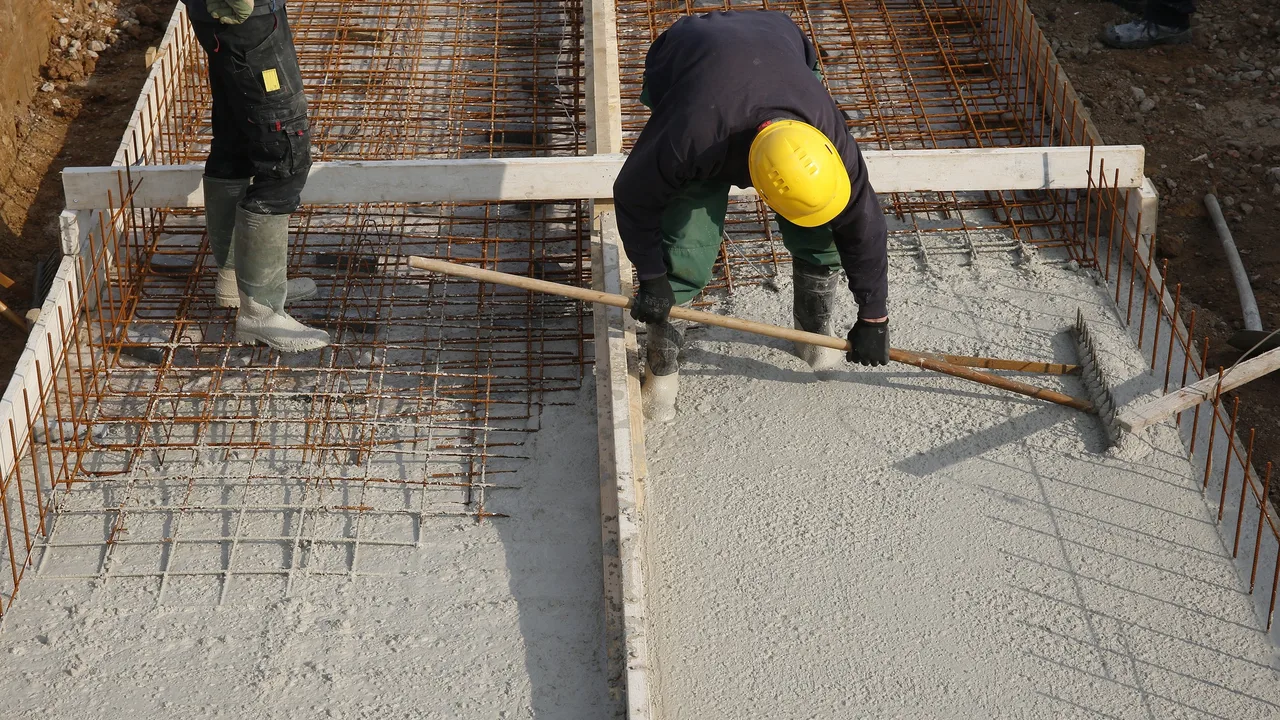
In the 1990s, China began a construction boom that few nations in history could match. Factories, highways, power grids, and entire cities rose in record time. These developments were more than national achievements—they became the foundation of China’s influence in global infrastructure and trade. By mastering the art of large-scale construction, China built the framework for its manufacturing dominance and expanded its reach far beyond its borders.
From the Pearl River Delta to the Yangtze River Economic Belt, every major region contributed to this transformation. Industrial zones grew from small economic experiments into multi-trillion-dollar ecosystems. The world watched as China executed projects that combined efficiency, speed, and precision—traits that many developing countries continue to study and emulate.
The Foundation of China’s Industrial Projects
Strategic Planning and Government Support
One of the defining features of industrial projects China is centralized coordination. The government’s five-year plans have consistently emphasized infrastructure as a catalyst for economic stability and growth. Through state-owned enterprises, special economic zones, and industrial clusters, China mobilized resources at a scale that no other developing economy could replicate.
Public investment in transportation, energy, and manufacturing created a multiplier effect. Provincial governments worked hand in hand with private developers to ensure continuity from planning to execution. The result? Massive industrial parks equipped with logistics networks, housing complexes, and energy systems—all developed in synchronized phases.
This model allowed China to shorten construction timelines, attract foreign capital, and sustain double-digit GDP growth for nearly two decades. It also turned once-remote regions into export powerhouses connected to the global market.
Technological Advancement in Construction
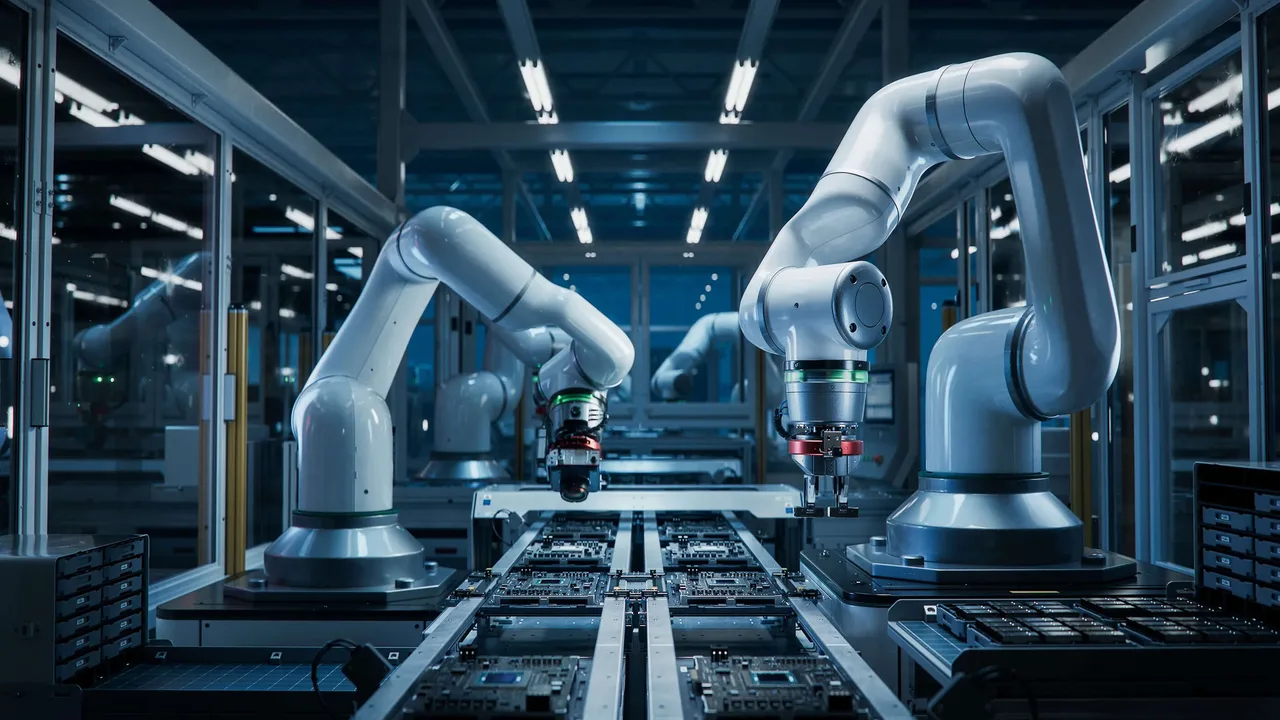
Another reason China’s industrial boom succeeded lies in its commitment to technology. While the early stages relied heavily on labor and imported machinery, modern projects now integrate robotics, modular systems, and digital design platforms. Prefabrication technology, in particular, has become a cornerstone of the country’s rapid build-up.
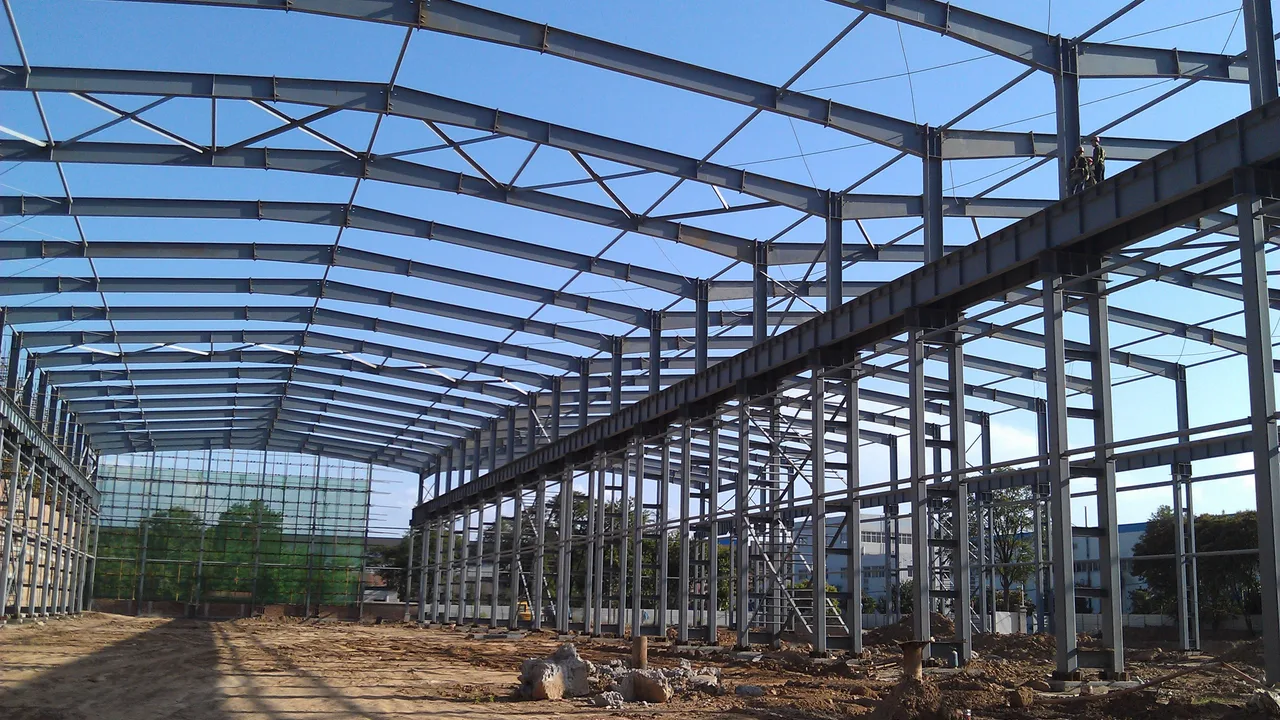
The rise of steel structure china engineering represents a turning point in construction efficiency. Steel systems allowed China to expand vertically and horizontally—enabling larger spans, lighter frameworks, and faster assembly. Whether constructing factories, power plants, or airports, steel offered unmatched strength and flexibility. Many of these methods have since been exported, helping other nations develop modern industrial bases at record speed.
The Scale of Large-Scale Construction
Building Cities, Factories, and Economic Zones
Perhaps nowhere is China’s ambition clearer than in its city-building strategy. Over the last thirty years, entire urban centers have been developed from scratch to support industrial projects China. Regions like Shenzhen evolved from fishing villages into global technology hubs. Suzhou Industrial Park became a model of international cooperation, while Chongqing and Chengdu emerged as inland industrial titans.
Each of these developments demonstrates China’s mastery of large-scale construction. With integrated transport systems, smart logistics, and renewable energy grids, these industrial zones reflect the balance between economic functionality and livability. International investors were drawn not only by the country’s low costs but also by its ability to deliver infrastructure that matched global standards.
Below is a simplified breakdown of how large-scale industrial construction in China compares to traditional development models:
| Aspect | Traditional Model | China’s Approach |
|---|---|---|
| Project Coordination | Fragmented across agencies | Centralized planning with local execution |
| Construction Speed | Incremental build-up over years | Mass mobilization and parallel development |
| Material Usage | Concrete-heavy, longer setup | Steel-based modular systems, faster completion |
| Financing | Private capital or foreign loans | Public-private partnerships, state guarantees |
This system of efficiency turned infrastructure into a national brand. In global markets, “Built by China” became synonymous with speed, scale, and resilience.
Collaboration Between Public and Private Sectors
Beyond state leadership, China’s private sector has been instrumental in executing large projects. Companies specializing in heavy equipment, architecture, and engineering emerged as global leaders. The Public-Private Partnership (PPP) framework ensured that risk and reward were shared across sectors, stimulating innovation and ensuring financial sustainability.
One defining feature of these collaborations is the integration of logistics and production. Industrial parks were often developed near seaports, highways, and power plants, reducing transportation costs and turnaround times. This interconnectedness gave China an edge in competing for international contracts and made its infrastructure model attractive to developing nations seeking rapid industrialization.
Lessons from China’s Global Infrastructure Expansion
Exporting Construction Expertise Worldwide
China’s experience in infrastructure has extended far beyond its borders. Through the Belt and Road Initiative (BRI), Chinese firms have constructed highways in Pakistan, railways in Kenya, and industrial zones in Southeast Asia. These projects not only expand trade routes but also export China’s construction know-how, particularly in modular and prefabricated systems. The lessons learned from domestic industrial projects China have given its engineers confidence and global credibility.
What makes these ventures distinct is their adaptability. Chinese contractors can tailor designs to local materials, climates, and regulations while maintaining high efficiency. This combination of flexibility and cost control continues to reshape infrastructure development across emerging economies.

Economic and Environmental Impacts
Balancing Growth with Sustainability
The incredible expansion of industrial projects China brought enormous economic benefits, but it also raised questions about environmental sustainability. For decades, the emphasis on production and export growth came at the cost of air pollution, heavy energy consumption, and resource depletion. In recent years, however, China has begun to pivot toward greener development strategies.
New policies promote renewable energy integration, low-carbon industrial zones, and stricter environmental impact assessments. Green building standards and smart grid technology are gradually replacing outdated, high-emission practices. By transitioning from purely large-scale construction to intelligent, sustainable design, China is setting an example for balancing rapid growth with environmental responsibility.
- Over 30% of new industrial parks now include solar and wind energy systems.
- Steel recycling and modular reuse reduce construction waste by up to 20%.
- Government incentives encourage factories to adopt smart energy monitoring systems.
This shift reflects not only economic maturity but also a recognition that sustainability is essential to long-term competitiveness in global infrastructure markets.
Job Creation, Urbanization, and Workforce Transformation
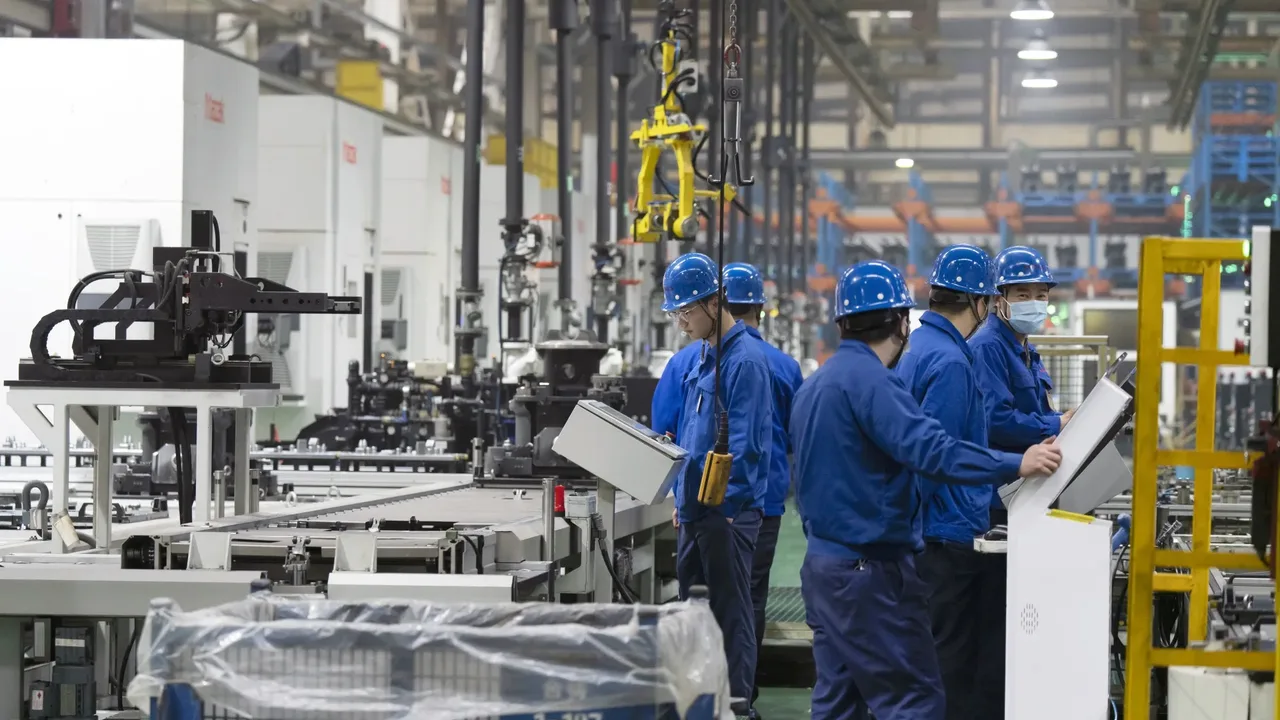
Industrial expansion has also profoundly shaped China’s workforce. Millions of rural citizens migrated to urban areas in search of better opportunities, forming the foundation of the nation’s industrial labor force. With new industrial projects China emerging across the country, employment rates surged while skill development programs evolved to support the changing demands of the large-scale construction and manufacturing sectors.
Vocational education in areas such as welding, digital modeling, and project management became central to national policy. Over time, these initiatives created a more specialized workforce capable of managing complex engineering systems and modern infrastructure technologies.
Challenges and Criticisms
Overcapacity and Debt Risks
Despite its successes, China’s model has not been without flaws. Rapid expansion sometimes led to overcapacity—industrial zones built faster than the market could sustain. Some regions suffered from “ghost cities,” where infrastructure outpaced population growth. Moreover, local governments, under pressure to meet growth targets, often accumulated large debts to finance construction projects.
Analysts warn that such patterns could strain public finances and limit future investment flexibility. To address this, Beijing has emphasized supply-side reforms and more cautious investment strategies, prioritizing high-quality growth over sheer volume.
Quality Control and International Perception
Another recurring challenge concerns quality assurance. Early perceptions of “cheap and fast” construction haunted Chinese contractors abroad. However, as domestic regulations tightened, quality control became a national priority. The integration of automation, precision fabrication, and digital supervision systems has improved outcomes across the board.
For example, major projects that once relied on manual oversight now use 3D modeling and automated inspection systems to maintain consistency. According to reports from international engineering journals, such advancements have closed much of the quality gap between Chinese firms and established Western competitors.
The Future of Industrial Projects in China
Smart Manufacturing and Digital Infrastructure
Looking ahead, industrial projects China are evolving toward greater technological sophistication. Artificial intelligence, robotics, and Internet of Things (IoT) solutions are driving a new era of smart manufacturing. Factories are increasingly connected through cloud-based systems that monitor every stage of production, from design to delivery.
Digital twins—virtual replicas of industrial facilities—allow engineers to simulate performance and detect faults before they occur. Predictive maintenance tools reduce downtime and save millions in operational costs. Meanwhile, automation in large-scale construction enhances safety and precision, ensuring that future infrastructure is both intelligent and resilient.
International observers from the U.S. Department of Energy note that such digital integration aligns with global trends toward cleaner, smarter industrial ecosystems. These technologies not only reduce waste but also create new pathways for energy efficiency and cross-border collaboration.
From Factory Nation to Innovation Powerhouse
China’s future no longer depends solely on being the “world’s factory.” Instead, it’s becoming a hub for innovation, research, and sustainable development. Investments in renewable energy, green construction, and advanced materials are positioning China as a leader in the next wave of global industrial modernization.
This shift signifies a transformation from quantity to quality—where efficiency, digitalization, and sustainability define progress. As China continues to modernize its industrial base, the lessons it learned from decades of building mega projects now serve as blueprints for emerging economies worldwide.
Learning from China’s Industrial Playbook
The story of industrial projects China is one of ambition, discipline, and adaptation. From the foundation of massive industrial zones to the embrace of smart technologies, China has demonstrated what’s possible when national vision meets coordinated execution. While challenges such as debt and sustainability remain, the country’s evolving model offers critical insights into how infrastructure can drive growth in a modern, interconnected world.
For other nations, the key takeaway isn’t just about replicating China’s scale, but its mindset—investing strategically, innovating continuously, and integrating sustainability into the core of development. The nation’s industrial journey proves that success in the 21st century depends on balance: between speed and quality, growth and responsibility, ambition and accountability.