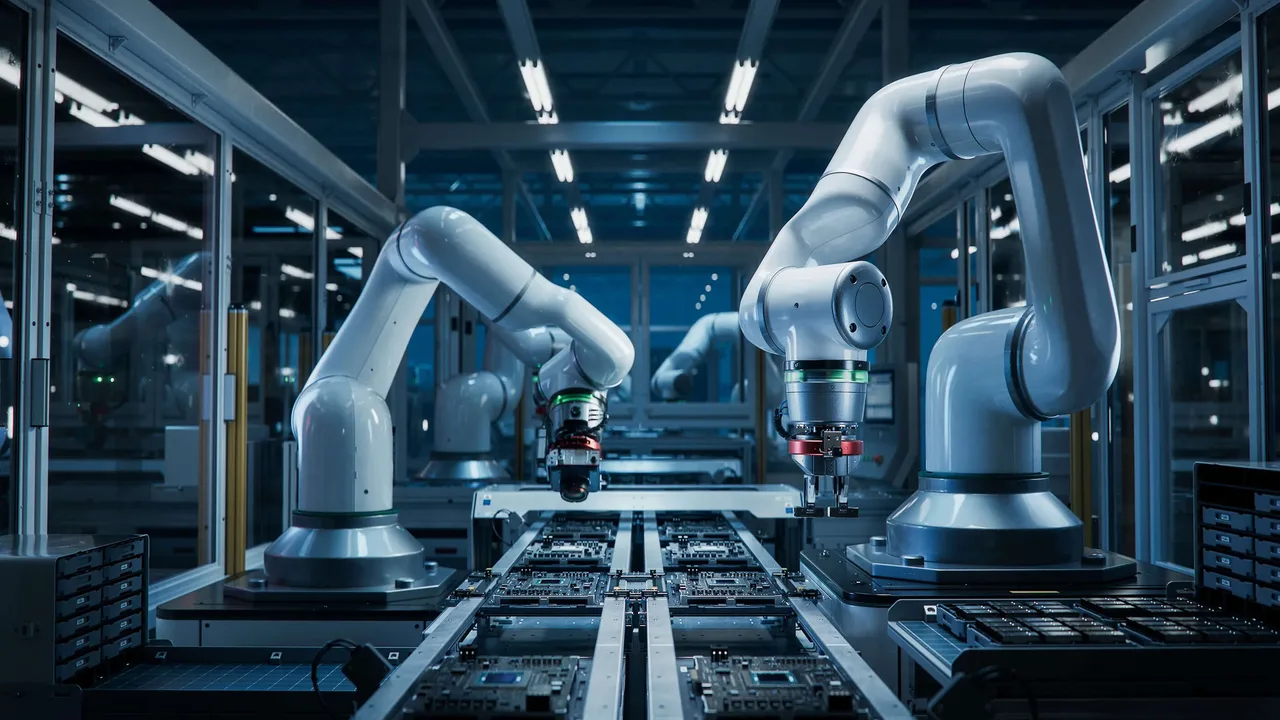
The factory floor is no longer defined by rows of workers operating isolated machines. Instead, it is becoming a network of intelligent systems, connected devices, and autonomous equipment working in synchronized precision. At the center of this transformation lies industrial automation, the driving force behind modern manufacturing evolution. As global competition intensifies and operational costs rise, businesses are increasingly turning to automation not as a luxury, but as a necessity.
The Shift Toward Intelligent Manufacturing
Manufacturing has always evolved with technology. From steam engines to assembly lines and digital control systems, every era introduced tools that reshaped productivity. Today, industrial automation marks the next major leap. Factories are transitioning from reactive production models to proactive, data-driven ecosystems where machines communicate, adapt, and optimize performance in real time.
This shift is fueled by several global pressures:
- Rising labor costs and workforce shortages
- Demand for faster delivery cycles
- Need for higher product consistency
- Environmental and energy efficiency requirements
To remain competitive, companies must adopt systems that enable smart production, seamless integration, and scalable output. Industrial automation provides the foundation for that transformation.
What Is Industrial Automation?
From Mechanization to Intelligent Systems
At its core, industrial automation refers to the use of control systems, robotics, sensors, and software to operate machinery and processes with minimal human intervention. While mechanization replaced manual labor with machines, automation goes further—it integrates intelligence into those machines.
Traditional production lines relied on fixed programming and manual oversight. In contrast, automated systems use real-time data to adjust parameters dynamically. If a machine detects irregular vibration, temperature changes, or material deviation, it can immediately recalibrate operations. This ability to “self-correct” reduces waste and prevents costly downtime.
The progression from basic machinery to intelligent automation can be summarized as follows:
| Production Era | Primary Driver | Human Involvement | Efficiency Level |
|---|---|---|---|
| Manual Manufacturing | Human labor | High | Variable |
| Mechanized Production | Machines | Moderate | Improved |
| Industrial Automation | Intelligent systems | Supervisory | High & Consistent |
The Core Technologies Behind Modern Automation
Several technologies form the backbone of industrial automation in future factories:
- Programmable Logic Controllers (PLCs) – Centralized control units that manage machinery operations.
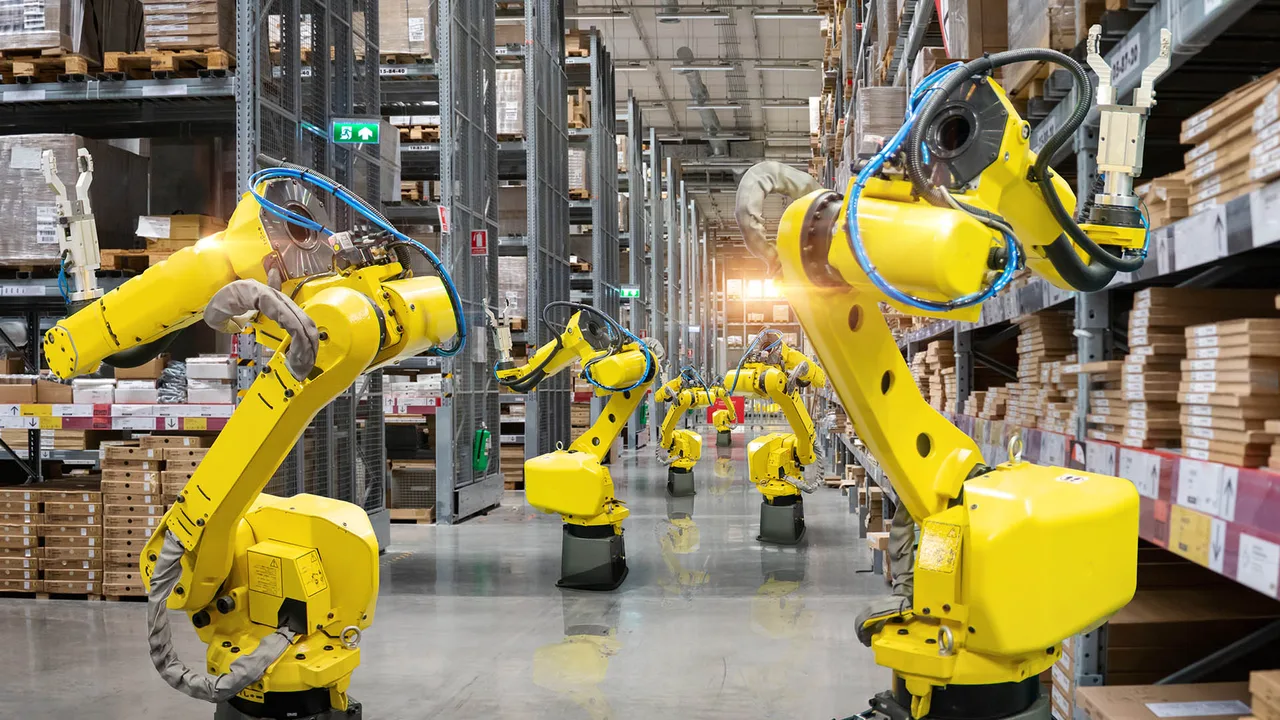
- Industrial robotics – Automated arms and systems capable of precision assembly, welding, packaging, and inspection.
- IoT sensors – Devices that monitor temperature, vibration, pressure, and other operational metrics.
- Machine learning algorithms – Software that analyzes production data to improve performance over time.
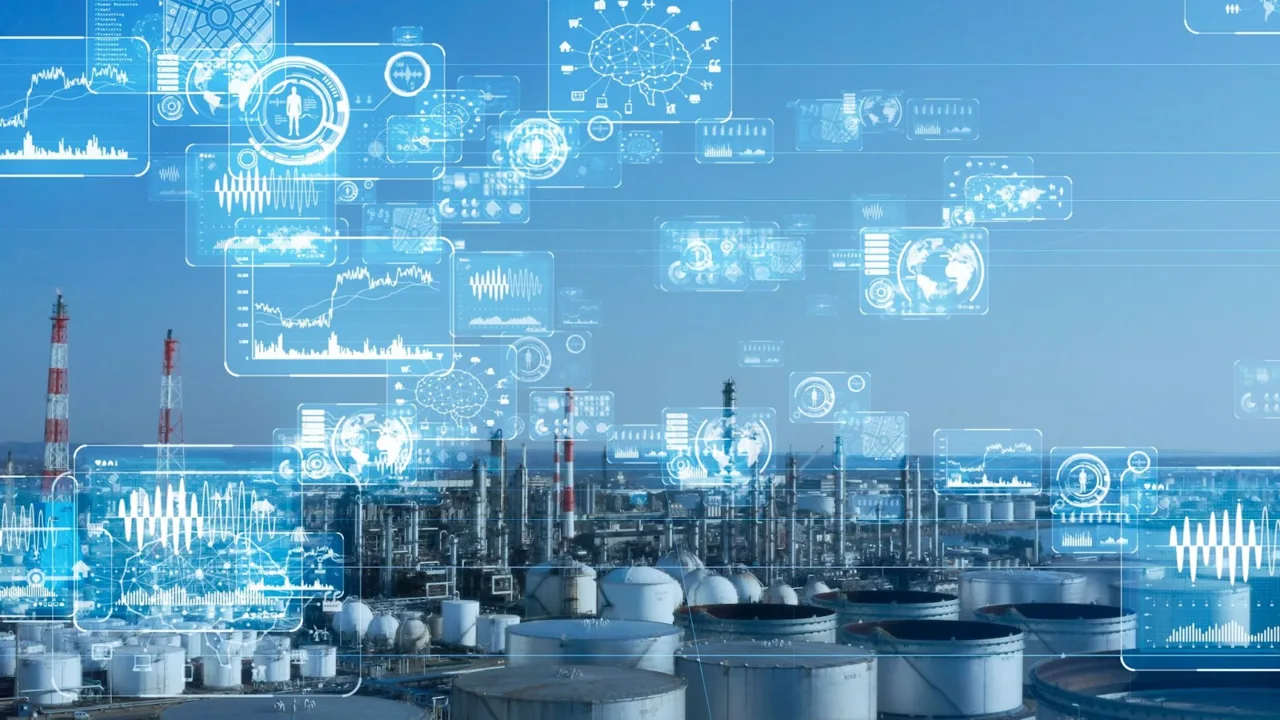
Together, these technologies enable smart production, where every stage of manufacturing is interconnected. Data flows continuously between machines, allowing production lines to adjust output automatically based on demand forecasts or supply chain changes.
The Rise of Smart Production
How Smart Production Improves Efficiency
One of the most transformative outcomes of industrial automation is the emergence of smart production systems. Instead of waiting for problems to occur, factories can now predict and prevent them. Predictive maintenance systems analyze vibration patterns and energy consumption to identify early signs of component wear. This prevents unexpected shutdowns and reduces maintenance costs significantly.
Smart production also enhances consistency. Automated inspection systems equipped with machine vision detect microscopic defects that human eyes might miss. As a result, product quality becomes more reliable across large production volumes.
The measurable benefits include:
- Reduced downtime by up to 30%
- Lower defect rates through automated quality checks
- Faster cycle times with synchronized machine operations
- Better resource allocation using data-driven scheduling
Data as the New Industrial Fuel
Data is now one of the most valuable assets in manufacturing. Every automated process generates performance metrics that can be analyzed for optimization. Through digital twin technology, companies simulate entire production lines before physical implementation. These simulations help identify bottlenecks, energy inefficiencies, and workflow gaps.
By integrating robotics with analytics platforms, factories can continuously refine their operations. For example, if a robotic arm shows slight variations in cycle timing, the system can recalibrate in milliseconds. This level of responsiveness is only possible through advanced industrial automation infrastructure.
Robotics and the Future Workforce
Collaborative Robots (Cobots)
Modern robotics are not confined behind safety cages. Collaborative robots—commonly known as cobots—are designed to work alongside humans. Equipped with advanced sensors and force-detection capabilities, these machines stop immediately if they encounter unexpected resistance. This makes them suitable for shared workspaces where flexibility is essential.
Cobots are particularly valuable in tasks requiring repetitive precision, such as component assembly or packaging. By taking over monotonous work, they allow human operators to focus on supervision, customization, and process improvement.
Automation and Job Evolution
Concerns about job displacement often accompany discussions of industrial automation. However, history shows that technological revolutions tend to transform roles rather than eliminate them entirely. While certain repetitive tasks decline, new opportunities arise in programming, maintenance, data analysis, and systems management.
Future factories will demand technicians capable of managing automated systems, engineers who understand robotics integration, and analysts who interpret production data. In this sense, automation is not removing humans from factories—it is elevating their responsibilities.
Economic Advantages of Industrial Automation
Cost Reduction and Scalability
One of the most compelling reasons companies invest in industrial automation is long-term cost efficiency. While the initial capital expenditure can be significant, the operational savings quickly justify the investment. Automated systems operate with consistent precision, reducing material waste and minimizing costly production errors.
Unlike traditional production models that depend heavily on manual labor, automated factories scale more easily. Once systems are installed and optimized, increasing output often requires only incremental adjustments rather than proportional workforce expansion. This scalability enables manufacturers to respond rapidly to market demand without sacrificing quality.
Key financial benefits of industrial automation include:
- Lower labor dependency and reduced overtime costs
- Consistent product quality with fewer rejects
- Shorter production cycles and faster delivery timelines
- Reduced downtime through predictive maintenance
Over time, these efficiencies translate into stronger profit margins and enhanced competitiveness in global markets.
Competitive Edge in Global Markets
In today’s international manufacturing landscape, speed and reliability determine success. Companies leveraging smart production systems can customize products faster, adjust output dynamically, and meet tighter deadlines. Industrial automation enables factories to operate around the clock with minimal disruption, providing a strategic advantage over competitors relying on manual processes.
Furthermore, automation strengthens supply chain resilience. Integrated monitoring systems track inventory levels, supplier schedules, and logistics performance in real time. This visibility allows manufacturers to anticipate disruptions and make data-driven adjustments before problems escalate.
Sustainability and Energy Efficiency
Reducing Waste Through Precision
Environmental sustainability is no longer optional—it is a core business priority. Industrial automation plays a critical role in reducing waste by ensuring precise material usage. Robotics-driven systems cut, assemble, and package components with millimeter accuracy, minimizing excess consumption.
Automated inspection tools also detect defects early in the process, preventing entire batches from being discarded. When integrated with smart production analytics, factories can continuously refine their operations to minimize scrap and optimize raw material usage.
Energy Optimization in Future Factories
Energy management is another domain where industrial automation delivers measurable impact. Intelligent systems monitor power consumption across machines and automatically adjust load distribution during peak hours. By analyzing operational data, AI-driven platforms identify inefficiencies and recommend corrective actions.
Global manufacturing data published by the International Federation of Robotics consistently shows that increased adoption of industrial robotics correlates with higher efficiency and improved energy management in advanced production environments. This relationship highlights how automation supports both economic growth and environmental responsibility.
Through coordinated robotics and digital control systems, future factories can significantly lower their carbon footprint while maintaining high productivity levels. This balance between output and sustainability defines the essence of modern industrial automation.
Challenges in Implementing Industrial Automation
High Initial Investment
Despite its advantages, implementing industrial automation requires careful financial planning. Advanced robotics, control systems, and digital infrastructure demand substantial upfront investment. Smaller manufacturers may hesitate due to capital constraints, even though long-term returns are promising.
However, modular automation strategies allow gradual adoption. Companies can automate high-impact areas first—such as quality inspection or packaging—before expanding into fully integrated smart production systems.
Cybersecurity and Infrastructure
As factories become more connected, cybersecurity becomes a priority. Industrial automation systems rely on networks, cloud platforms, and data exchange protocols. Without proper protection, these systems may become vulnerable to cyber threats.
Future factories must invest not only in robotics and automation hardware but also in secure digital architecture. Encryption, real-time monitoring, and resilient infrastructure ensure that automation remains both efficient and protected.
The Road Ahead — The Factory of 2035
Fully Autonomous Production Lines
The next phase of industrial automation will likely involve self-optimizing production environments. AI-driven machines will analyze output metrics, adjust operational speed, and coordinate with supply chain systems autonomously. These fully autonomous lines will reduce human intervention while increasing precision and adaptability.
Digital twins will simulate entire facilities in real time, allowing engineers to test improvements virtually before implementation. This predictive approach minimizes risk and accelerates innovation.
The Human Role in Future Factories
Even in highly automated environments, humans remain indispensable. Engineers and technicians will oversee complex robotics systems, interpret performance analytics, and design optimization strategies. The workforce will evolve toward higher-skilled, technology-focused roles rather than repetitive manual tasks.
In this sense, industrial automation does not eliminate human value—it amplifies it. By removing routine operations from the equation, factories can redirect talent toward innovation and strategic growth.
Why Industrial Automation Defines the Future
The future of manufacturing belongs to intelligent, connected, and adaptive systems. Industrial automation is no longer a forward-looking experiment—it is the structural foundation of modern industry. Through robotics, smart production analytics, and data-driven optimization, factories can achieve levels of efficiency and sustainability previously unimaginable.
As global demand continues to evolve, companies that embrace industrial automation will lead the next industrial revolution. Those who delay may struggle to compete in a landscape defined by precision, speed, and intelligent performance. The message is clear: the factory of the future is automated, and the transformation has already begun.