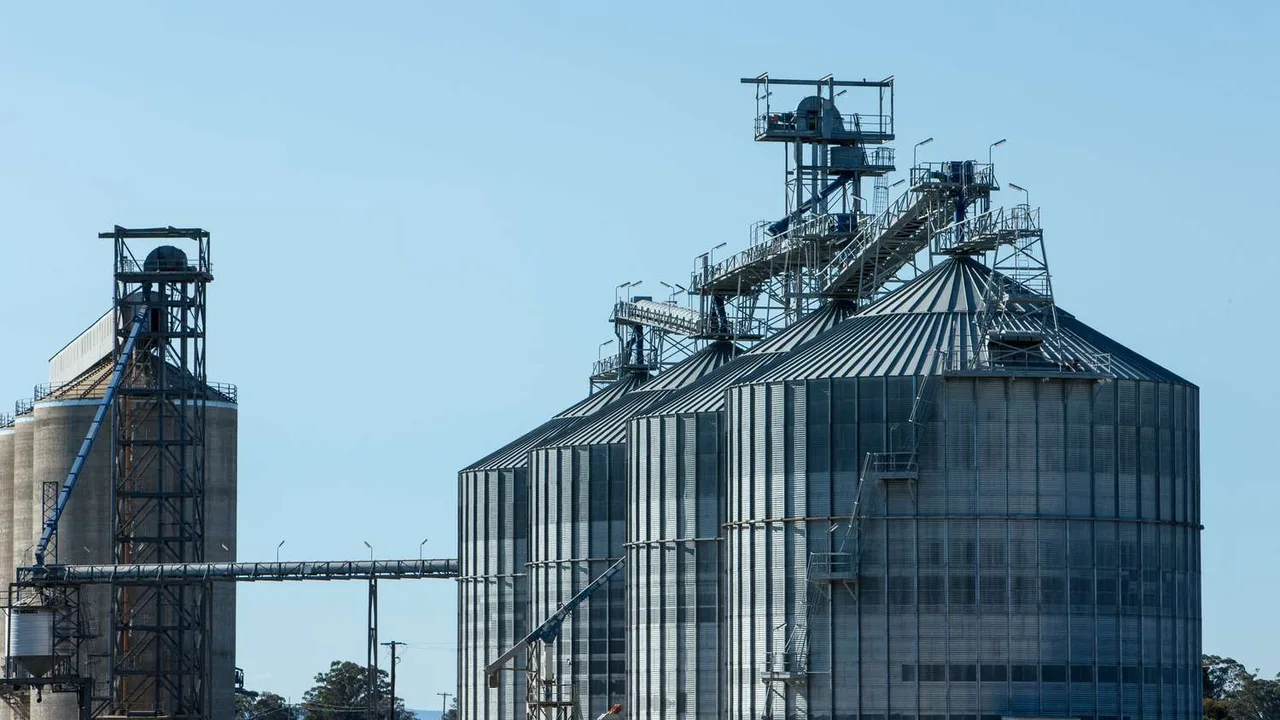
Industrial design has never stood still. Once purely functional, today’s factories and logistics hubs have evolved into sophisticated centers of innovation, efficiency, and sustainability. The rise of industrial architecture trends reflects a global movement toward smarter, greener, and more human-centered industrial spaces. As manufacturing adapts to rapid technological change, the architecture surrounding it must evolve too—balancing automation, aesthetics, and environmental responsibility.
Introduction
Factories are no longer gray boxes hidden at the edge of cities. Across the world, industrial architecture is entering a renaissance phase—where design innovation and technology merge. Forward-thinking architects are reimagining the industrial landscape through smart automation, modular building systems, and renewable energy integration.
The next generation of industrial architecture trends focuses on flexibility and long-term adaptability. These spaces are designed not just for productivity, but also for comfort, sustainability, and identity. A well-designed facility can enhance brand perception, attract talent, and communicate a company’s commitment to innovation.
The Transformation of Industrial Architecture
From Functionality to Aesthetic Integration
Industrial buildings have evolved from mere utility structures into architectural statements. Companies now see their factories and logistics centers as part of their corporate identity. Clean lines, green façades, and open interiors reflect transparency and modernity—key attributes in today’s competitive landscape.
Factories like BMW’s Leipzig plant and Tesla’s Gigafactories demonstrate how modern industrial spaces blend visual appeal with engineering performance. These designs move beyond “function only,” offering inspiring work environments that stimulate both efficiency and pride among workers.
Modern Factories as Symbols of Innovation
Architecture is becoming an extension of innovation itself. Modern factories use lightweight materials, daylight-optimized layouts, and advanced ventilation systems to support sustainable operations. Many facilities integrate exhibition zones or visitor centers to showcase their production processes, merging industry with education and public engagement.
In short, the factory of the future doesn’t hide technology—it celebrates it.
Key Industrial Architecture Trends in 2026 and Beyond
Smart Factories and Automation
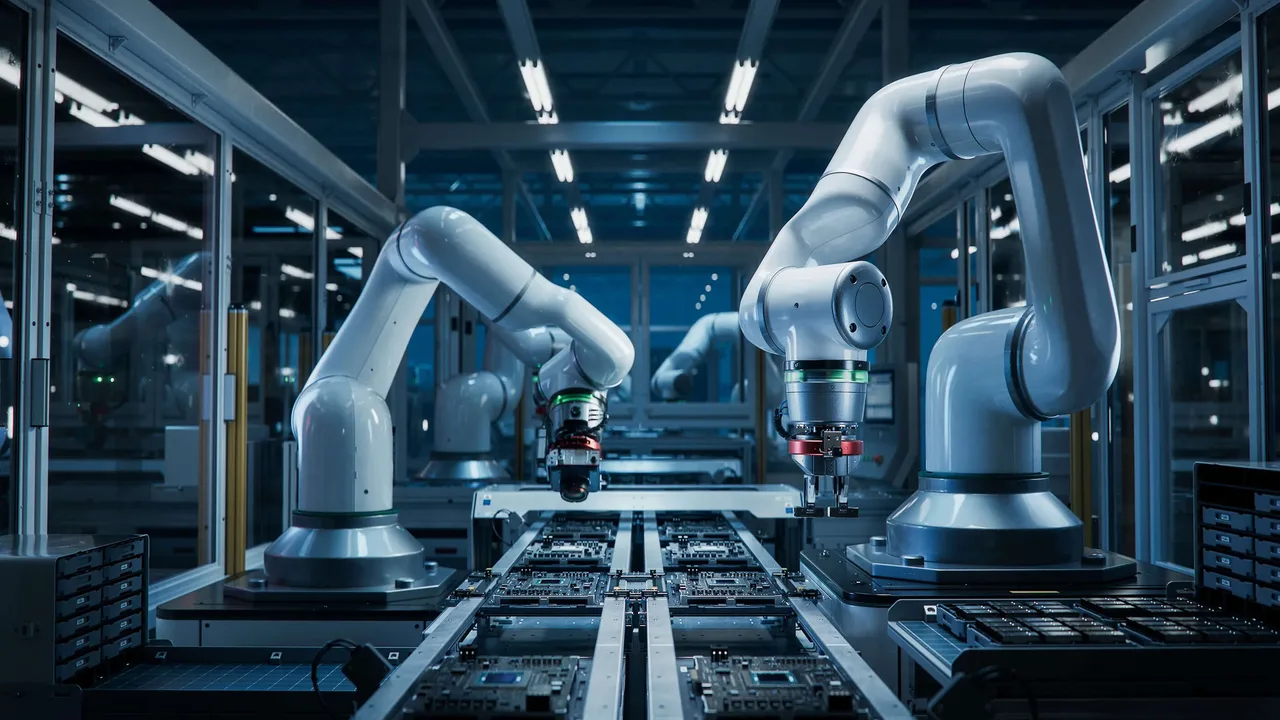
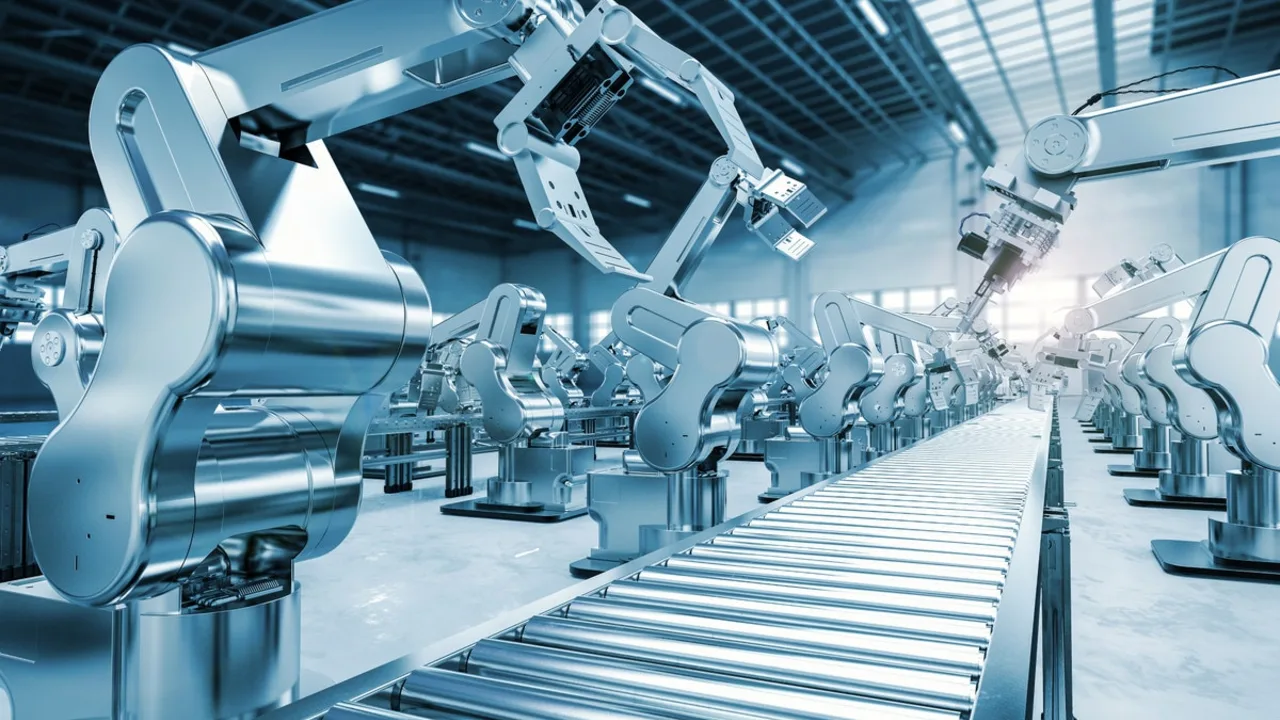
The fourth industrial revolution—Industry 4.0—has redefined the concept of the factory. AI-powered robotics, Internet of Things (IoT) systems, and digital twins are enabling real-time monitoring and predictive maintenance. These technologies optimize production while reducing downtime, energy use, and operational costs.
Architecturally, this means buildings are now planned around data networks as much as physical space. Control rooms, sensor grids, and digital dashboards are as vital as conveyor belts or storage racks. The factory itself becomes an intelligent, responsive system.
Modular and Prefabricated Construction
Prefabrication has emerged as one of the most influential industrial architecture trends. Modular structures can be designed, fabricated, and assembled in record time—an approach that reduces on-site waste and speeds up delivery. This flexibility is critical for industries that frequently upgrade or expand their production lines.
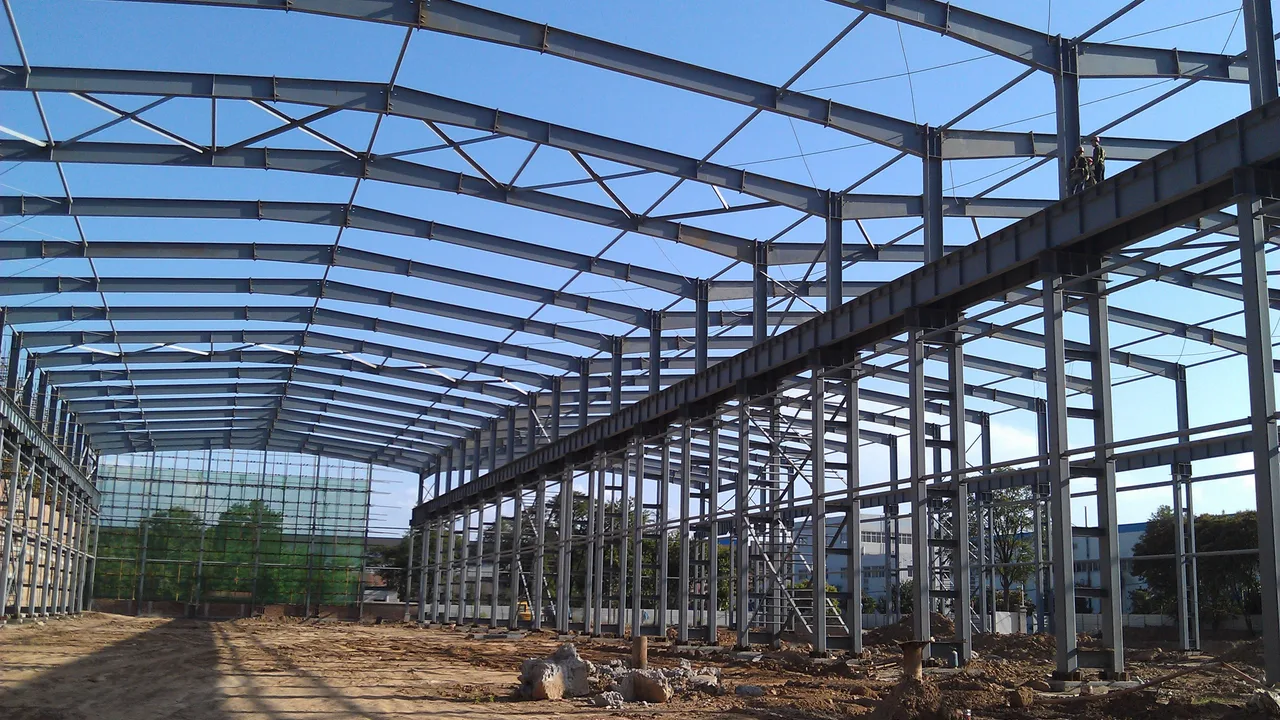
By using standardized steel modules and prefabricated components, industrial buildings achieve remarkable scalability. Whether it’s a logistics hub in Germany or a solar panel factory in Southeast Asia, modular systems allow global companies to replicate efficiency and quality across continents.
Sustainable and Energy-Efficient Design
The shift toward sustainable design is no longer optional—it’s an industry imperative. Architects are integrating passive design strategies such as cross-ventilation, daylight harvesting, and thermal massing to minimize energy consumption. Meanwhile, renewable energy sources like rooftop solar arrays and geothermal systems are becoming mainstream features.
Energy modeling tools, such as those promoted by Energy.gov, help designers simulate performance and reduce lifecycle costs. Industrial architecture today must meet both productivity targets and carbon reduction goals, creating structures that are efficient inside and responsible outside.
Design Innovation and Human-Centered Workspaces
Balancing Productivity and Well-Being
Modern industrial design recognizes the human factor. Workspaces once defined by fluorescent lights and concrete walls are being replaced by environments filled with natural light, green areas, and open layouts. These changes enhance focus, morale, and retention.
Biophilic design—integrating natural materials, plants, and daylight—has become a cornerstone of design innovation in factories. When employees feel connected to nature, their productivity and satisfaction rise. This human-centered approach aligns with global trends in workplace architecture, emphasizing comfort and health alongside efficiency.
Adaptive Reuse of Industrial Buildings
Another trend gaining traction is the adaptive reuse of legacy factories. Instead of demolishing outdated facilities, developers are converting them into R&D centers, startups, and creative offices. This approach preserves historical value while reducing demolition waste and construction emissions.
Examples abound—from old shipyards in Northern Europe turned into design hubs, to textile warehouses reborn as innovation campuses in Asia. Adaptive reuse demonstrates how the industrial past can fuel a sustainable future.
The Role of Digital Design Tools
BIM, Simulation, and Virtual Collaboration
The digital revolution has permanently altered how industrial facilities are conceived and built. Building Information Modeling (BIM) now serves as the backbone of modern design coordination, allowing architects, engineers, and contractors to collaborate within a unified digital environment. By simulating the entire construction process—from foundation to machinery layout—teams can prevent costly errors before they happen.
Virtual reality (VR) and augmented reality (AR) technologies further enhance visualization and communication. Project managers can “walk through” a digital twin of a factory to analyze workflow, lighting, or spatial ergonomics long before breaking ground. These tools are not just for visualization—they serve as decision-making platforms for performance optimization and safety assurance.
Data-Driven Architecture
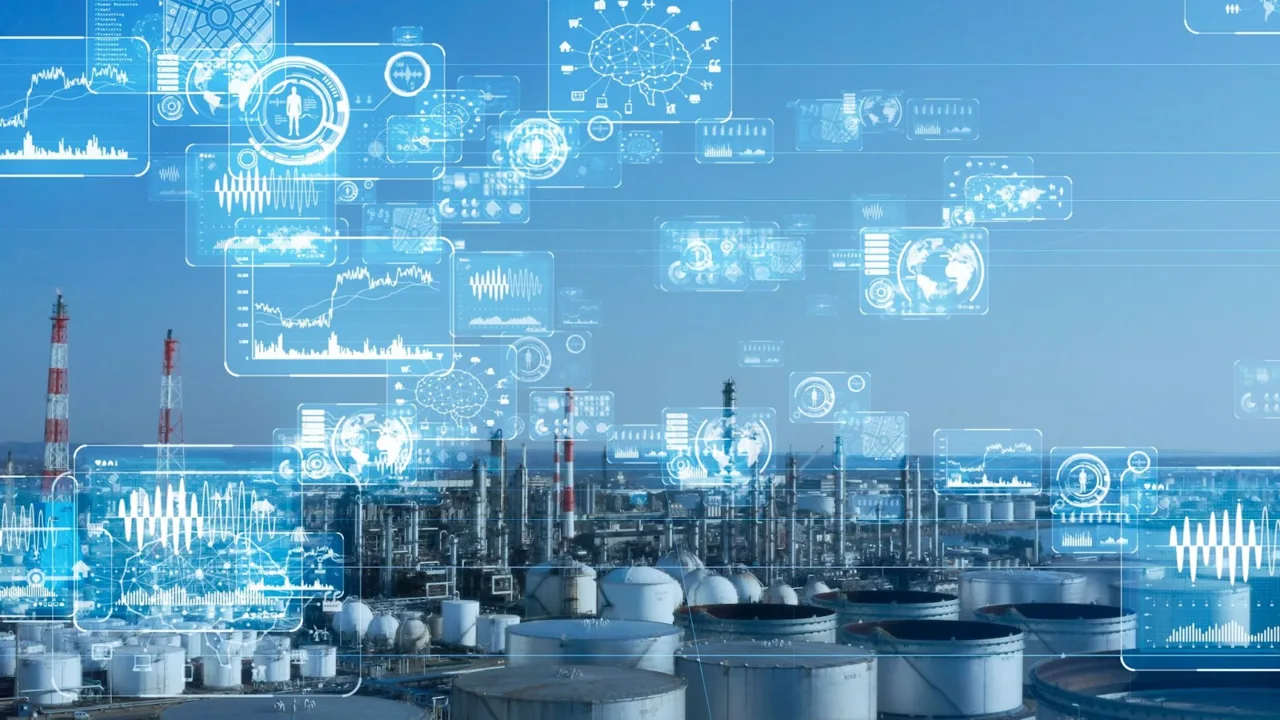
As factories become more complex, data is the new design material. Sensors embedded throughout facilities continuously collect information on temperature, air quality, noise levels, and machine performance. Architects use this data to refine layouts, improve energy flows, and optimize the worker experience.
This shift toward data-driven design transforms architecture into a living system. Instead of static blueprints, industrial buildings evolve based on real-time insights, responding dynamically to production changes and environmental conditions.
Case Studies — Innovative Industrial Designs Around the World
The world is already witnessing an impressive array of industrial architecture trends that combine sustainability, technology, and human-centered design. These examples show that innovation is not limited by geography but driven by intent and collaboration.
- Europe: In the Netherlands, high-tech logistics hubs integrate solar façades and automated material systems to achieve near-zero carbon operations.
- Asia: Advanced manufacturing parks are emerging in Japan and China, where modular steel construction enables rapid scalability and consistent quality.
- North America: Old warehouse districts are being revived into hybrid spaces—part production, part research, part creative community—illustrating how adaptability drives resilience.
Publications such as Dezeen frequently highlight these projects, showcasing how architects and engineers are redefining the visual and operational standards of industrial environments worldwide.
Challenges and Opportunities for the Industry
Cost vs. Sustainability
While sustainability promises long-term savings, upfront costs remain a challenge for many developers. Green materials, renewable systems, and digital infrastructure often require higher initial investments. Yet as global regulations tighten and energy prices rise, the payback periods for these technologies are shrinking. Smart design is proving not only environmentally sound but financially viable.
Moreover, sustainability certifications are becoming market differentiators. Clients increasingly view eco-performance as a competitive advantage rather than an optional feature. Balancing cost and sustainability is therefore less about compromise and more about intelligent planning.
Policy, Regulation, and Global Standards
The next phase of industrial architecture trends will be shaped by policy innovation. Governments are introducing carbon accountability frameworks and offering incentives for sustainable construction. This aligns with international goals under agreements like the Paris Climate Accord, pushing the sector toward cleaner, more efficient production systems.
Architects must stay ahead by aligning design methods with these evolving standards. The most successful firms will be those that view regulations not as restrictions but as catalysts for creativity and technological advancement.
Conclusion
The factory of the future will not resemble the smokestack giants of the past. It will be a dynamic, data-connected environment where humans and machines collaborate seamlessly. These new spaces will merge efficiency with empathy—balancing automation with comfort, performance with sustainability.
At the heart of tomorrow’s industrial architecture trends lies a simple truth: design innovation is not just about aesthetics, but about purpose. By embracing modular construction, smart technologies, and sustainable materials, industrial architecture can lead the transformation toward a more adaptive and responsible built environment.
As digital fabrication, renewable energy, and human-centered design converge, the industrial landscape is being redefined. The facilities we build today will not just produce goods—they will produce ideas, progress, and a better future for the world of work.