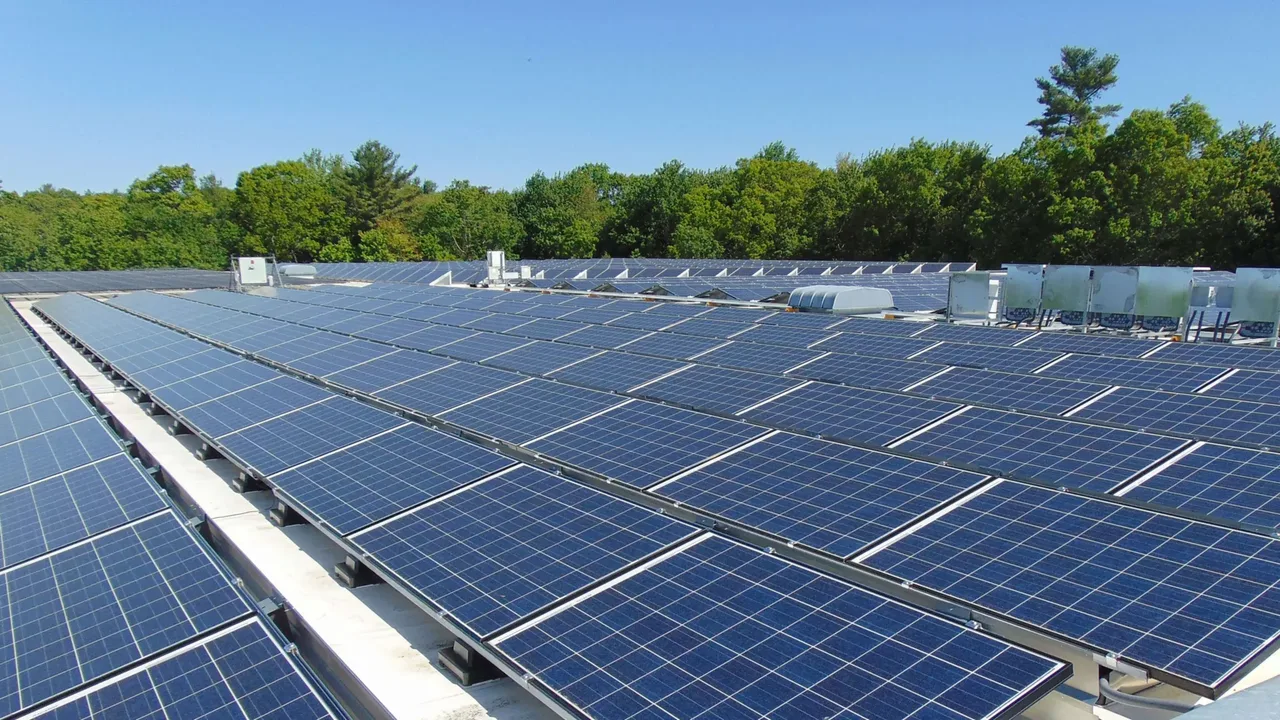
The rise of solar roofing systems marks one of the most transformative shifts in modern architecture. As the world pivots toward renewable energy, rooftops are no longer passive components of a building—they’ve become power generators. From homes in suburban neighborhoods to high-tech industrial complexes, solar-integrated roofs are setting a new benchmark for sustainability, design, and long-term energy efficiency.
A New Era for Energy and Architecture
The global conversation around energy has evolved from scarcity to sustainability. As fossil fuel reliance becomes increasingly unsustainable, architects and engineers are embracing innovation to design buildings that produce their own power. Among these innovations, solar roofing systems stand out as a seamless fusion of technology and aesthetics. They are not only changing how structures function but also redefining the visual language of architecture itself.
What makes solar roofing revolutionary is how it aligns with both clean energy targets and modern building innovation. Instead of merely attaching panels to a roof, these systems integrate directly into construction materials, creating a unified structure that’s both durable and power-efficient. This combination of form and function is setting the standard for future-ready design worldwide.
What Are Solar Roofing Systems?
From Solar Panels to Integrated Roofs
Traditional solar panels were often bulky add-ons mounted on rooftops. While effective, they sometimes clashed with architectural aesthetics and added weight to structures. In contrast, solar roofing systems merge photovoltaic (PV) cells into roof shingles or tiles, turning the roof itself into an active energy-harvesting surface. These systems capture sunlight, convert it into electricity, and store it for later use through advanced inverter and battery technologies.
There are several types of integrated solar roofing designs:
- Solar shingles: Thin, flexible modules designed to replace conventional roof tiles.
- Building-integrated photovoltaics (BIPV): Systems embedded directly into the building envelope.
- Hybrid roofs: Combine solar tiles with standard roofing for optimized cost and performance.
By blending functionality and aesthetics, these technologies are erasing the line between renewable energy equipment and architecture.
The Advantages of Integration
Unlike traditional rooftop systems, integrated solar roofs offer a host of additional benefits. Their seamless design enhances durability, protects against leaks, and reduces maintenance needs. They are also more resilient in harsh weather conditions thanks to advanced coatings and reinforced glass materials.
Beyond durability, integration streamlines installation. Since solar shingles replace conventional roofing materials, the overall labor cost can be reduced. Energy conversion efficiency has also improved drastically in recent years, with high-grade solar cells capable of producing more power per square meter than ever before. This efficiency, coupled with aesthetic appeal, explains why solar roofing systems are being adopted not only for sustainability but also for their architectural value.
The Driving Forces Behind the Shift
Global Push Toward Clean Energy
Governments and organizations around the world are investing heavily in clean energy infrastructure to combat climate change. International agreements like the Paris Accord have motivated nations to pursue net-zero goals, and solar power stands at the center of this movement. As building codes evolve, integrating renewable systems into new constructions is becoming the norm rather than the exception.
Incentives, tax credits, and low-interest green loans have also accelerated adoption. For instance, many regions now mandate renewable installations on public or large-scale residential developments. This policy-driven momentum ensures that solar roofing systems remain at the forefront of architectural innovation.
Consumer Demand and Technological Maturity
Advancements in solar technology have made energy independence achievable for individual homeowners. Modern systems come with sleek designs, longer warranties, and high-efficiency ratings. Costs have dropped dramatically—over 80% in the last decade—thanks to mass production and material innovation. The ability to pair solar roofs with home batteries enables complete autonomy from the grid, offering both environmental and financial benefits.
At the same time, growing awareness of environmental responsibility is shaping consumer choices. Homeowners now view sustainability not as a luxury but as a necessity. According to the International Energy Agency (IEA), solar energy is projected to become the world’s cheapest and most accessible electricity source by 2030. These trends indicate that clean, self-sustaining rooftops will soon become a global standard for new developments.
Economic and Environmental Benefits
Cost Savings Over Time
Although initial installation costs for solar roofs can be higher than traditional materials, long-term savings are significant. Once operational, homeowners benefit from reduced utility bills and, in some cases, can even sell excess energy back to the grid. Over a 20-year period, solar roofing systems can offset their upfront investment through accumulated energy savings.
Additionally, many governments provide rebates or feed-in tariffs that further improve the financial outlook. Property values also increase as buyers seek homes with lower operational costs and environmental footprints.
Environmental Payoff
Beyond economics, the environmental advantages are undeniable. Solar roofing contributes directly to carbon reduction by replacing fossil-based power sources. The manufacturing process is becoming cleaner too, with recyclable materials and lower embodied energy. A single home equipped with an integrated solar roof can reduce annual CO₂ emissions by several tons—equivalent to planting hundreds of trees each year.
This shift represents a crucial link between building innovation and ecological responsibility. As architecture continues to embrace renewable technologies, solar roofs are setting the blueprint for how the built environment can actively participate in global sustainability goals.

How Solar Roofing Transforms Building Design
The Rise of Building Innovation
The introduction of solar roofing systems has inspired architects and engineers to rethink what a building’s envelope can achieve. No longer limited to passive protection from the elements, roofs have become active energy assets. This shift represents a deeper movement in building innovation, where function, technology, and sustainability coexist seamlessly.
Architectural aesthetics are evolving too. Integrated solar shingles now come in various colors, textures, and finishes that complement contemporary and traditional designs alike. This flexibility allows architects to merge environmental technology with cultural and stylistic expression, leading to projects that are as beautiful as they are efficient. In smart homes, solar roofing integrates with digital management systems, allowing users to track energy performance in real time from a single dashboard.
Architects and Engineers Collaborating
Designing with solar integration in mind demands close collaboration between multiple disciplines. Structural engineers ensure the roof’s load-bearing capacity, while energy specialists optimize cell placement for sunlight exposure. Material scientists develop coatings that enhance reflectivity and durability. This intersection of knowledge is what transforms solar adoption from a technological upgrade into a creative design philosophy.
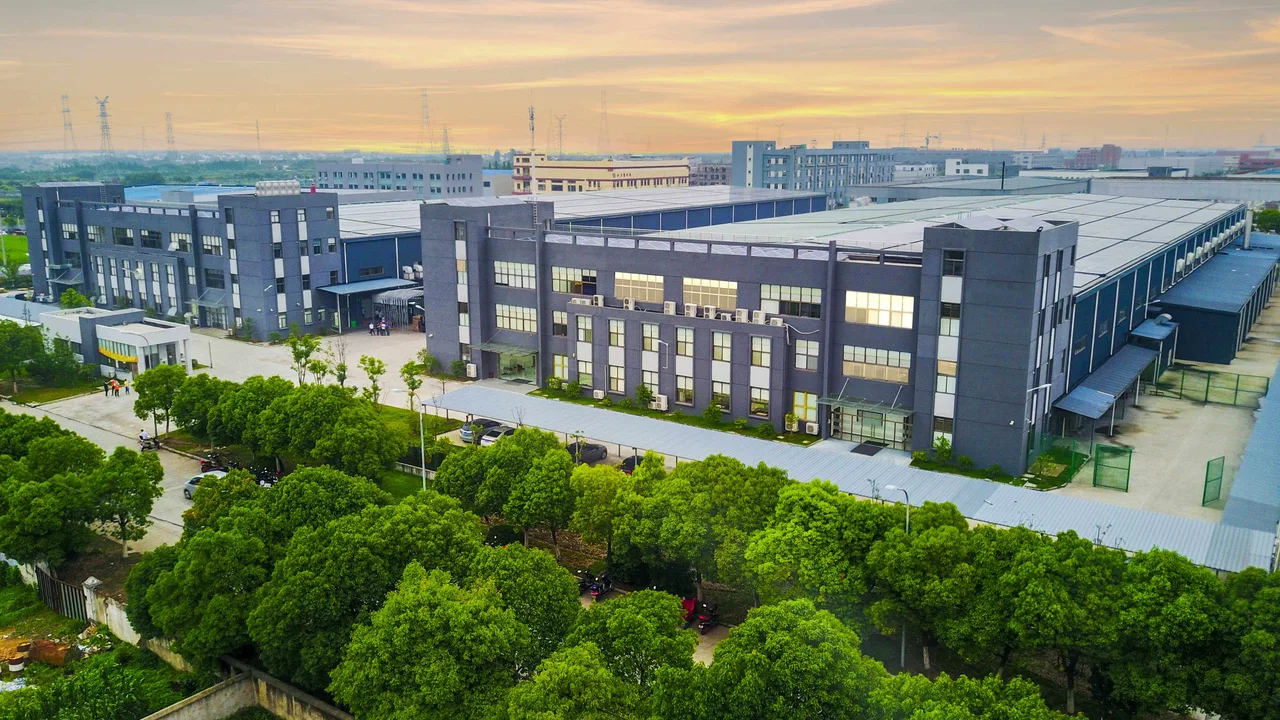
Beyond residential projects, the commercial and industrial sectors are rapidly adopting integrated solar solutions. Factories, logistics centers, and retail complexes use expansive roof areas to offset operational energy consumption. By combining design intelligence with renewable generation, these spaces are turning sustainability into both a performance and branding advantage.
Challenges and Misconceptions
Common Barriers to Adoption
Despite the rapid growth of solar roofing systems, several misconceptions still slow down adoption. One common myth is that solar roofs cannot perform well in cloudy or cold climates. In reality, modern photovoltaic materials are highly sensitive to diffuse light, meaning they can still generate electricity even under overcast conditions. Another misconception is durability—many assume solar shingles are fragile, when in fact, they are built to withstand hail, wind, and extreme heat.
Cost remains a barrier for some homeowners, as the initial investment can be higher than conventional roofing. However, this cost gap is shrinking due to mass production, improved efficiency, and increasing competition in the renewable energy sector. Additionally, policy-driven incentives and energy independence benefits are making solar roofing financially attractive for both urban and rural developments.
Overcoming Technical and Economic Hurdles
Innovation continues to reduce the remaining challenges. Research teams are developing recyclable photovoltaic materials and biodegradable encapsulation layers that minimize environmental waste. Advances in nanotechnology and coating science have produced solar cells that are thinner, lighter, and more efficient than ever before. These innovations also extend lifespan—today’s solar roofs can last over 30 years with minimal degradation in energy output.
Economically, solar roofing is benefiting from the broader trend of decentralized energy. As microgrids and local storage solutions become more common, the reliance on large centralized power plants decreases. This transition empowers building owners to produce, store, and manage their own energy—an idea that sits at the core of modern sustainability thinking.
The Future of Solar Roofing
Global Adoption and Policy Support
Governments are accelerating the adoption of renewable construction standards worldwide. Countries like Germany, Japan, and the United States are integrating solar roofing systems into their green building codes, while cities like Los Angeles and Amsterdam already require solar installations on new constructions. These regulations align with broader decarbonization strategies and urban planning policies focused on clean energy independence.
Meanwhile, international organizations continue to push for data-driven transparency in renewable construction. Initiatives such as the Global Solar Atlas and sustainable building indexes offer accessible data for architects, engineers, and policymakers to guide solar integration based on regional performance metrics. With improved accessibility and financial incentives, solar roofs are no longer niche—they’re becoming the architectural standard.
The Next Wave of Building Innovation
The next decade will bring even more transformative changes. Researchers are experimenting with transparent solar materials that can be embedded in skylights or façades, creating buildings capable of generating power from every surface. Integration with AI-driven management systems will allow real-time optimization of energy use across neighborhoods, enabling “smart grids” where buildings exchange surplus energy efficiently.
These innovations blur the boundaries between architecture, engineering, and environmental science. The vision is clear: buildings that sustain themselves, contribute to the grid, and harmonize with nature. This evolution in building innovation will define the cities of the future—energy-positive, interconnected, and visually inspiring.
The Roof of the Future Is Here
The age of solar roofing systems represents more than a technological milestone—it’s a cultural transformation in how we perceive energy and design. What was once a niche experiment has become a cornerstone of sustainable architecture. The fusion of aesthetics, efficiency, and environmental responsibility now drives a global movement that is shaping tomorrow’s skylines.
By investing in clean energy solutions like solar-integrated roofing, builders and homeowners are not just saving money; they’re redefining the purpose of architecture itself. The roofs above us are no longer passive shelters—they’re active contributors to a cleaner, smarter, and more sustainable world.