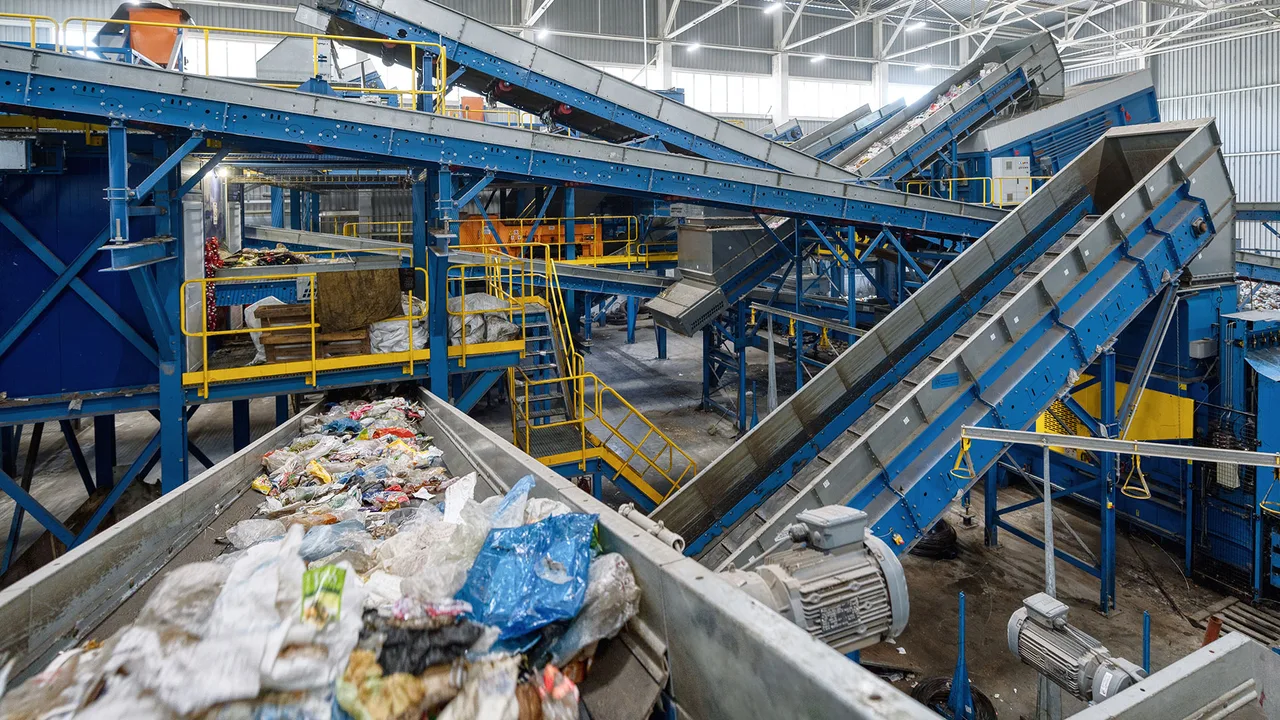

The transition toward clean power is no longer just an environmental movement—it’s a full-scale industrial transformation. Across the globe, the renewable energy industry is reshaping how manufacturing, logistics, and production facilities operate. Driven by both sustainability commitments and financial logic, major corporations are now shifting from fossil-based systems to renewables like wind, solar, and hydropower. This is more than a symbolic gesture; it’s a strategic reengineering of the industrial backbone that sustains global commerce.
The Energy Revolution Transforming Industry
For decades, industries such as steel, automotive, and construction have been considered some of the hardest sectors to decarbonize. Yet, the pressure to achieve net-zero targets has accelerated innovation. Renewable power is now supplying electricity to factories, assembly lines, and logistics networks, significantly cutting operational emissions. As renewable prices continue to fall and efficiency rises, the industrial world is entering a new era where sustainability and profitability finally align.
The scale of this transformation is monumental. What began as isolated pilot programs has evolved into enterprise-wide commitments spanning continents. Global supply chains are being redesigned to prioritize renewable energy access. The result? Reduced dependence on volatile fossil fuel markets and a more stable, predictable energy landscape for business growth.
The Rise of the Renewable Energy Industry
From Niche to Necessity
Two decades ago, renewable energy was seen as an expensive alternative suitable only for small-scale or experimental use. Fast forward to today, and it’s at the core of industrial strategy. The renewable energy industry has matured into a trillion-dollar ecosystem, supported by improved technology, policy incentives, and private-sector investment. Solar panels now cost 80% less than they did a decade ago, while onshore and offshore wind farms continue to expand at record speed.
According to data from the International Energy Agency, global renewable capacity is expected to grow by nearly 50% before 2030, with industrial demand playing a major role. This surge is not only reducing emissions but also helping industries manage costs amid global energy price fluctuations.
Why Industrial Giants Are Turning to Renewables
Large-scale manufacturers are discovering that renewables are not merely an ethical choice—they’re a competitive advantage. Solar and wind power have achieved price parity with traditional fuels in many regions, making them economically attractive. Companies in the automotive, chemical, and heavy manufacturing sectors are integrating renewables into their operations to ensure price stability and protect themselves from geopolitical disruptions.
These changes go hand-in-hand with corporate responsibility. As stakeholders demand transparent sustainability reports, renewable adoption becomes a tangible metric in ESG performance. Many corporations now link executive bonuses and brand value to measurable carbon reduction goals, supported by long-term power purchase agreements and dedicated sustainability projects.
How Renewable Energy Powers Industrial Operations
Electrifying Heavy Manufacturing
The electrification of heavy industry is at the heart of the renewable transformation. Factories that once relied on coal-fired boilers and gas turbines are switching to renewable-based power grids, hybrid systems, and localized microgrids. Industrial processes such as smelting, casting, and material processing are being reengineered for compatibility with clean electricity.
Battery storage technologies allow continuous production even when solar or wind supply fluctuates. Combined with AI-based energy management systems, companies can predict power needs in real time, optimize usage, and store excess energy for future demand. These capabilities not only reduce emissions but also enhance operational resilience.
- Battery Integration: Large-scale lithium-ion and sodium batteries stabilize factory power flows.
- Hybrid Systems: Combining solar and wind ensures energy availability across seasons.
- AI Energy Optimization: Algorithms adjust consumption automatically for maximum efficiency.
Corporate Power Purchase Agreements (PPAs)
Power Purchase Agreements (PPAs) have become a cornerstone of the renewable energy industry. Through these long-term contracts, companies buy clean electricity directly from energy producers, locking in rates for 10 to 20 years. This guarantees predictable costs and contributes to decarbonization targets without requiring companies to build their own facilities.
Global corporations—from tech leaders to industrial conglomerates—are signing record volumes of renewable PPAs. This financial model has not only accelerated the growth of wind farms and solar fields but also enabled smaller suppliers to follow suit, creating ripple effects across global supply chains.
Global Expansion of Wind Farms and Green Infrastructure
The Wind Power Backbone
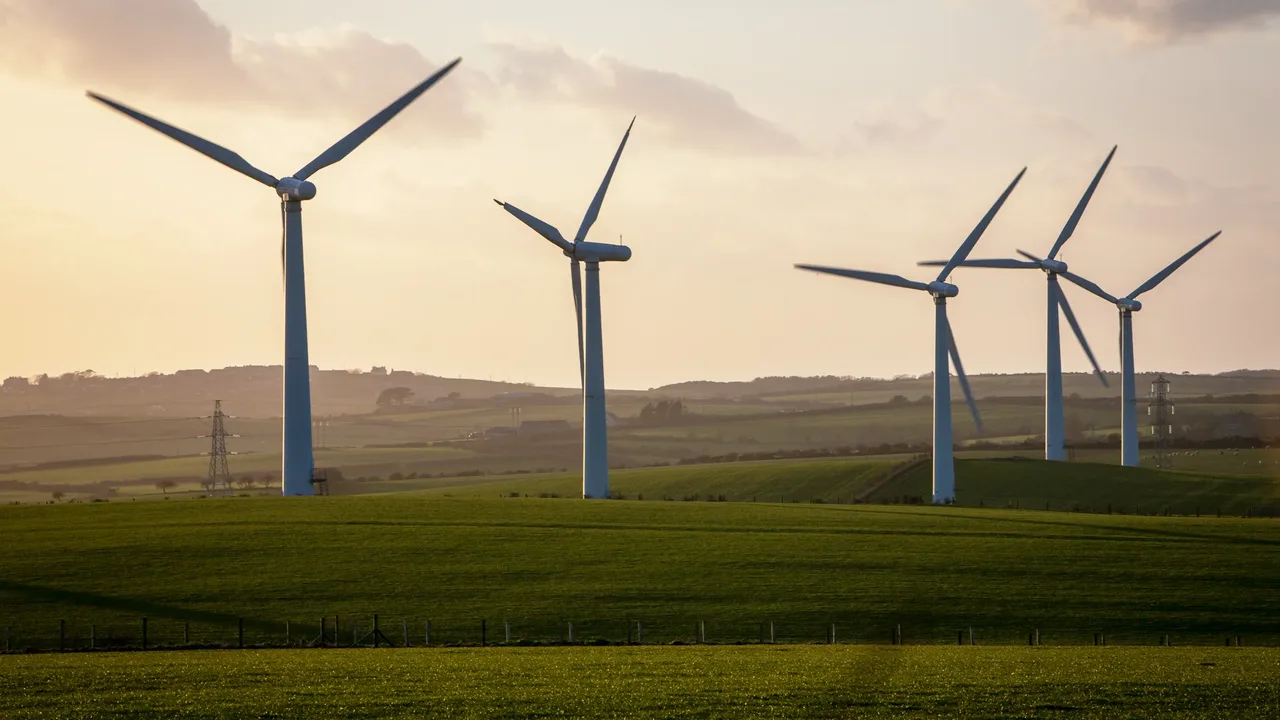
Wind energy has become the silent powerhouse behind many industrial sectors. Offshore and onshore wind farms are increasingly integrated into industrial clusters, where factories and logistics hubs draw electricity directly from renewable grids. Advances in turbine design—such as lighter blades and smart sensors—have improved efficiency, while larger installations now produce gigawatts of clean energy annually.
Regions with strong wind resources, such as Northern Europe, China, and the U.S. Midwest, are witnessing new industrial corridors powered almost entirely by renewables. The combination of clean energy and technological innovation is redefining what it means to be an “industrial giant.”
Collaboration Between Governments and Industry
Public-private partnerships play a critical role in expanding renewable infrastructure. Governments are offering tax incentives, subsidies, and research grants to accelerate sustainability projects that support industrial growth. Meanwhile, corporations contribute technical expertise and capital investment to scale deployment faster.
This collaboration ensures that the energy transition benefits both the environment and the economy. As new models emerge, industries are not merely consumers of renewable power—they’re active partners in building a resilient and sustainable global energy network.
Challenges Facing the Renewable Energy Industry
Grid Integration and Storage Issues
Despite the rapid growth of the renewable energy industry, challenges persist in integrating variable energy sources into existing grids. Solar and wind power are inherently intermittent—producing energy when the sun shines or the wind blows. For industrial consumers that require uninterrupted operations, this variability demands new infrastructure and intelligent management systems.
Advanced energy storage technologies, including large-scale batteries and pumped hydro systems, are emerging as solutions. Digital grids equipped with AI can balance supply and demand in real time, redirecting power flows to where it’s needed most. Yet, these technologies come with high upfront costs and complex logistical requirements, especially for developing economies trying to modernize their grids.
Balancing Growth with Environmental Responsibility
While renewables promise a cleaner future, expansion must remain mindful of environmental trade-offs. Wind turbines and solar farms require significant land, often competing with agriculture or ecosystems. Additionally, the extraction of materials for batteries and photovoltaic panels—such as lithium and rare earth metals—carries its own environmental footprint.
Lifecycle assessments and ethical sourcing initiatives are crucial to ensure that sustainability doesn’t come at a hidden cost. Policymakers, engineers, and corporate leaders must collaborate to design supply chains that uphold both environmental integrity and social responsibility.
Sustainability Projects Redefining Corporate Responsibility
Leading by Example
Industrial giants are no longer content with incremental improvements—they’re launching large-scale sustainability projects that transform how business interacts with the planet. From integrating renewable microgrids into factories to developing low-carbon logistics networks, companies are proving that environmental commitment and economic success can coexist.
One standout example is the development of carbon-neutral industrial parks, where renewable energy powers entire production ecosystems. These hubs utilize circular principles: excess heat is repurposed, waste is minimized, and water recycling systems maintain resource efficiency. Such projects set a new global standard for responsible growth and innovation.
Beyond Compliance — Building Brand Trust
In the age of transparency, corporations are learning that consumers and investors demand proof, not promises. Renewable adoption has become a public benchmark of credibility. Brands that commit to 100% clean energy not only reduce risk but also enhance trust among stakeholders. Verified performance data, third-party certifications, and open reporting are now as vital as profit margins.
This new form of accountability redefines success. Companies that lead through integrity and innovation position themselves as trailblazers in the renewable energy industry—setting examples others must follow.
The Future Outlook of the Renewable Energy Industry
Emerging Technologies and Market Opportunities
Innovation continues to drive the next wave of transformation. Technologies like green hydrogen, floating solar arrays, and AI-based energy forecasting are unlocking new possibilities. Green hydrogen, in particular, offers a way to decarbonize sectors that electricity alone cannot reach, such as heavy transportation and chemical manufacturing.
Meanwhile, smart grids are enabling decentralized power networks where industries can produce, store, and trade energy locally. Artificial intelligence tools predict consumption patterns, automate trading, and balance renewable input with demand. This convergence of digitalization and decarbonization represents the next frontier of industrial energy management.
Toward a Fully Electrified Industrial World
The vision for 2050 is clear: an industrial ecosystem powered almost entirely by renewables. As technology matures, electricity will replace fossil fuels in nearly every sector—from mining to logistics. The pace of progress suggests this goal may arrive sooner than expected.
However, achieving full electrification requires more than innovation—it demands collaboration across borders and sectors. Governments must coordinate with private companies to standardize policies, expand infrastructure, and ensure energy equity. Only then can the benefits of the renewable energy industry reach every part of the global economy.
Powering the Next Industrial Revolution
Renewable energy is no longer a side story; it’s the main driver of industrial evolution. As companies integrate clean technologies into their core operations, they’re building a foundation for long-term stability and sustainable growth. The era of coal and oil dominance is giving way to a diversified, data-driven, and resilient energy landscape.
By embracing innovation and responsibility, the industrial sector has the power to lead the world into its next great transformation—one where progress no longer depends on depletion, but on renewal. The renewable energy industry is more than an environmental movement; it’s the engine of the future economy, proving that clean energy and industrial power can thrive together.