The term “eco-friendly factory” has become increasingly common in industrial marketing. Warehouses covered with solar panels, buildings wrapped in greenery, and production lines labeled as “low-carbon” dominate brochures and investor presentations. But beyond the surface, what truly defines a sustainable industrial facility? The answer lies not in aesthetics, but in systems. A genuine eco factory design integrates architecture, engineering, energy strategy, and operational efficiency into one measurable, transparent framework.
Beyond the “Green” Label
Factories are the backbone of modern economies. They produce everything from consumer electronics to structural materials, yet they also account for a significant share of global energy consumption and emissions. As sustainability becomes a global priority, many manufacturers are rebranding facilities as environmentally responsible. However, sustainability is not a decorative feature—it is a structural commitment.
A true eco factory design considers the entire lifecycle of a facility, from land selection and construction materials to long-term sustainable operation and eventual decommissioning. It aligns environmental responsibility with productivity, ensuring that environmental gains do not compromise economic viability.
To understand what makes an eco-friendly factory genuinely sustainable, we must examine its foundations: design philosophy, operational systems, renewable integration, and measurable impact.
Understanding Eco Factory Design
What Is Eco Factory Design?
Eco factory design is the strategic planning and engineering of industrial facilities to minimize environmental impact while maximizing operational efficiency. Unlike superficial green upgrades, this approach begins at the blueprint stage. Site orientation, building envelope performance, material selection, and energy systems are all evaluated together.
In practice, eco factory design focuses on:
- Energy optimization through passive design and high-efficiency systems
- Material lifecycle awareness to reduce embodied carbon
- Water conservation strategies integrated into infrastructure
- Waste reduction planning embedded in manufacturing flow
- Worker well-being as part of environmental responsibility
This systemic approach transforms sustainability from a marketing claim into a measurable performance strategy.
Core Pillars of Sustainable Industrial Facilities
Every effective eco factory design rests on several interconnected pillars. Removing one weakens the entire sustainability model.
| Pillar | Purpose | Impact on Sustainability |
|---|---|---|
| Energy Efficiency | Reduce overall power demand | Lowers operational carbon emissions |
| Resource Optimization | Minimize material waste | Decreases embodied carbon |
| Water Management | Recycle and conserve water | Reduces freshwater dependency |
| Human-Centered Design | Improve indoor conditions | Boosts productivity and well-being |
When these pillars operate together, sustainability becomes embedded into the facility’s DNA.
Sustainable Operation — The Real Game Changer
Energy Efficiency vs. Energy Neutrality
Design is only the beginning. A building constructed with efficient materials can still fail environmentally if its daily processes waste energy. That is why sustainable operation is central to any successful eco factory design.
Energy efficiency focuses on reducing consumption through LED lighting, high-performance insulation, and optimized HVAC systems. Energy neutrality goes further—balancing consumption with renewable generation. However, achieving neutrality without first reducing demand is inefficient and costly.
Smart energy management platforms now monitor factory performance in real time. Sensors track equipment usage, temperature variations, and load distribution. By analyzing this data, facilities can adjust operations dynamically to prevent energy spikes and inefficiencies.
Process Optimization and Lean Manufacturing
Industrial sustainability is not limited to utilities—it extends to workflow. Lean manufacturing principles reduce excess material use, shorten production cycles, and minimize transport within facilities. When paired with digital monitoring, factories can detect inefficiencies before they escalate.
An effective eco factory design integrates production flow with building systems. For example:
- Heat generated from machinery can be reused for internal climate control.
- Production layouts can minimize forklift travel, reducing fuel consumption.
- Predictive maintenance prevents breakdowns that waste energy and materials.
Such integration ensures that sustainability is not an afterthought but a continuous performance objective.
Renewable Systems in Modern Factories
On-Site Renewable Systems
Integrating renewable systems is a defining characteristic of advanced eco factory design. On-site solar arrays, wind micro-turbines, and geothermal cooling systems reduce reliance on fossil fuels. However, renewable systems are most effective when paired with efficient demand management.
Solar panels, for instance, are most impactful when energy consumption peaks align with daylight hours. Geothermal systems provide stable temperature regulation with lower operational costs over time. The goal is not merely to install renewable technologies but to ensure they are properly sized and integrated into the overall energy strategy.
Smart Grids and Energy Storage
Modern renewable systems increasingly rely on energy storage solutions. Battery systems store excess power generated during peak sunlight hours and redistribute it during high-demand periods. Smart grid integration allows factories to send surplus electricity back into the grid, improving regional energy resilience.
This interconnected energy model transforms industrial facilities into active participants in sustainable infrastructure. Rather than passive consumers, eco-friendly factories become energy collaborators within their communities.
As sustainability standards evolve, organizations such as the International Energy Agency continue to publish global benchmarks on industrial efficiency and renewable integration, helping industries align environmental ambition with measurable targets.

Water, Waste, and Resource Management
Closed-Loop Water Systems
Water is often overlooked in conversations about industrial sustainability, yet it plays a critical role in manufacturing processes worldwide. A comprehensive eco factory design incorporates water management systems that minimize consumption and maximize reuse. Rather than treating water as a disposable resource, sustainable facilities treat it as a circular asset.
Closed-loop water systems collect, filter, and recycle water used in cooling, cleaning, or processing. Rainwater harvesting systems supplement supply for non-potable uses, reducing reliance on municipal infrastructure. In regions facing water scarcity, these strategies are not just environmentally responsible—they are economically strategic.
By integrating monitoring sensors, factories can track water usage in real time, detect leaks, and prevent waste. This form of sustainable operation ensures that resource efficiency extends beyond electricity and materials into every layer of industrial activity.
Waste-to-Resource Strategies
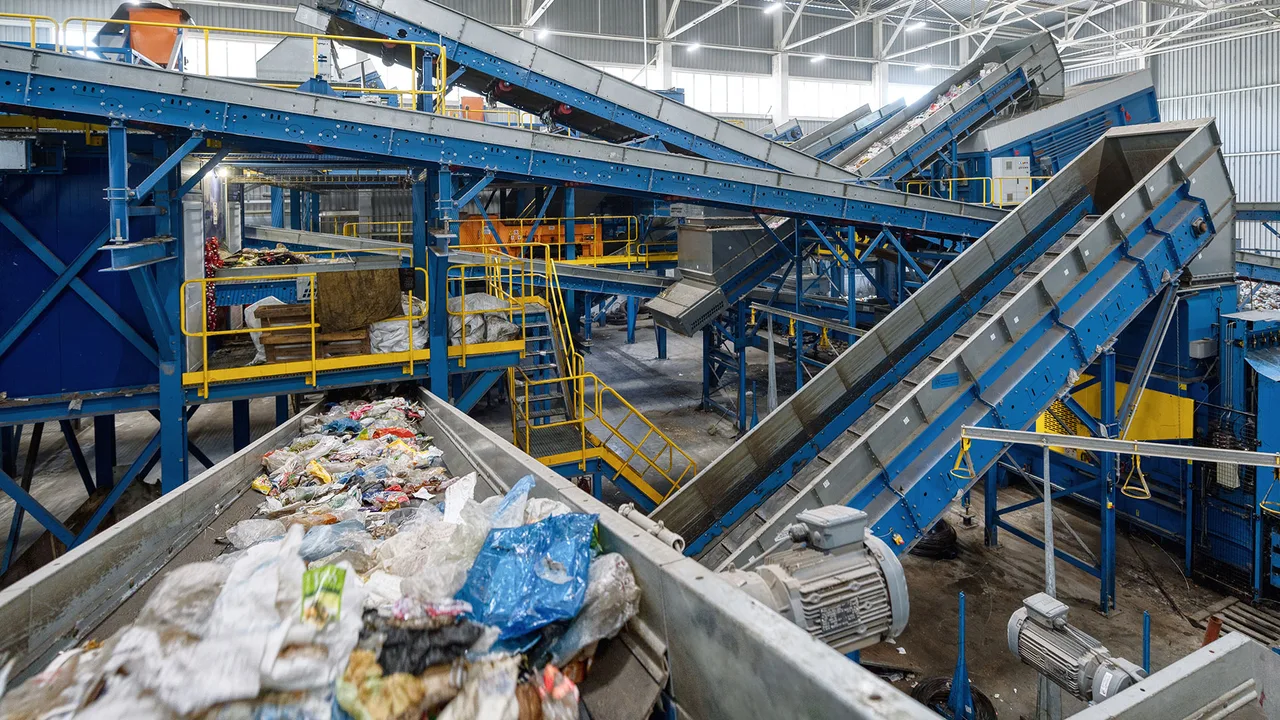
Industrial waste is another area where sustainability can either succeed or fail. Scrap materials, packaging waste, and production byproducts represent both environmental risks and opportunities. In a well-planned eco factory design, waste is not simply discarded—it is reimagined.
- Metal scraps can be recycled directly back into production cycles.
- Organic byproducts can be converted into bioenergy.
- Packaging materials can be redesigned for reuse or reduced volume.
This shift toward circular production reduces landfill dependency and lowers raw material demand. When waste streams are analyzed as part of sustainable operation, factories move closer to a zero-waste model.
Transparency, Certification, and Measurable Impact
Performance Metrics That Matter
Sustainability claims must be measurable to be credible. True eco factory design depends on transparent metrics such as carbon accounting, lifecycle assessment (LCA), and energy intensity ratios. Without quantifiable benchmarks, sustainability becomes subjective and vulnerable to greenwashing.
Carbon accounting evaluates emissions from construction, energy use, and logistics. Lifecycle assessments measure the environmental footprint of materials from extraction to disposal. Energy intensity metrics compare output to consumption, ensuring productivity improvements do not mask environmental costs.
Factories committed to sustainable operation often publish ESG (Environmental, Social, Governance) reports, providing stakeholders with transparent data. This level of accountability builds trust with investors, regulators, and communities.
Avoiding Greenwashing in Industrial Projects
Just as in architecture, eco claims in industrial facilities can be overstated. Installing solar panels without reducing base energy demand does not guarantee sustainability. Using recycled materials without assessing embodied carbon may create misleading narratives. A rigorous eco factory design addresses both operational performance and supply chain transparency.
Third-party audits and standardized reporting frameworks ensure that renewable systems and efficiency upgrades translate into genuine environmental progress rather than marketing language.
Human-Centered Sustainability
Worker Health and Indoor Environmental Quality
Sustainability is not only about emissions and energy—it is also about people. A modern eco factory design incorporates human-centered principles that enhance comfort, safety, and productivity. Natural lighting reduces electricity demand while improving worker morale. Proper ventilation systems ensure healthy air quality, especially in manufacturing environments where dust or fumes may be present.
Acoustic insulation, ergonomic layouts, and temperature stability contribute to long-term employee well-being. These features may not always appear in sustainability brochures, yet they define responsible industrial development.
Community and Local Supply Chains
Factories do not exist in isolation. Sustainable industrial facilities strengthen local economies by sourcing materials regionally and reducing long-distance transportation. This approach lowers emissions while supporting community development.
Shorter supply chains also increase resilience. When global logistics disruptions occur, locally integrated operations maintain stability. By aligning eco factory design with community engagement, sustainability extends beyond environmental metrics into social impact.
The Future of Eco Factory Design
AI and Digital Twins in Sustainable Operation
The next evolution of eco factory design lies in digitalization. AI-driven monitoring systems and digital twins simulate factory performance before inefficiencies occur. Predictive maintenance reduces unexpected downtime, while real-time emissions tracking ensures compliance with environmental targets.
Digital twins allow managers to model energy use scenarios and optimize renewable systems integration without disrupting production. This proactive approach elevates sustainable operation from reactive maintenance to strategic planning.
Net-Zero and Regenerative Factories
Beyond carbon neutrality, regenerative industrial facilities aim to create positive environmental impact. Net-zero factories balance emissions entirely through efficiency and renewable systems, while regenerative designs restore ecosystems through green roofs, biodiversity integration, and carbon capture technologies.
As industries adopt science-based targets, eco factory design will increasingly align with global decarbonization pathways. Renewable systems, circular production models, and transparent reporting will become baseline expectations rather than competitive advantages.
Sustainability Is a System, Not a Feature
An eco-friendly factory is not defined by a single technology or certification. True eco factory design is systemic—it integrates architecture, energy strategy, waste management, human well-being, and measurable accountability into one cohesive framework.
Through disciplined sustainable operation, intelligent integration of renewable systems, and transparent performance metrics, factories can reduce environmental impact while maintaining productivity and profitability. Sustainability is not a decorative upgrade; it is an operational philosophy.
As industrial sectors evolve, the factories that thrive will be those that treat sustainability as a measurable commitment rather than a marketing claim. When systems, data, and ethics align, eco factory design becomes not just possible—but inevitable.