
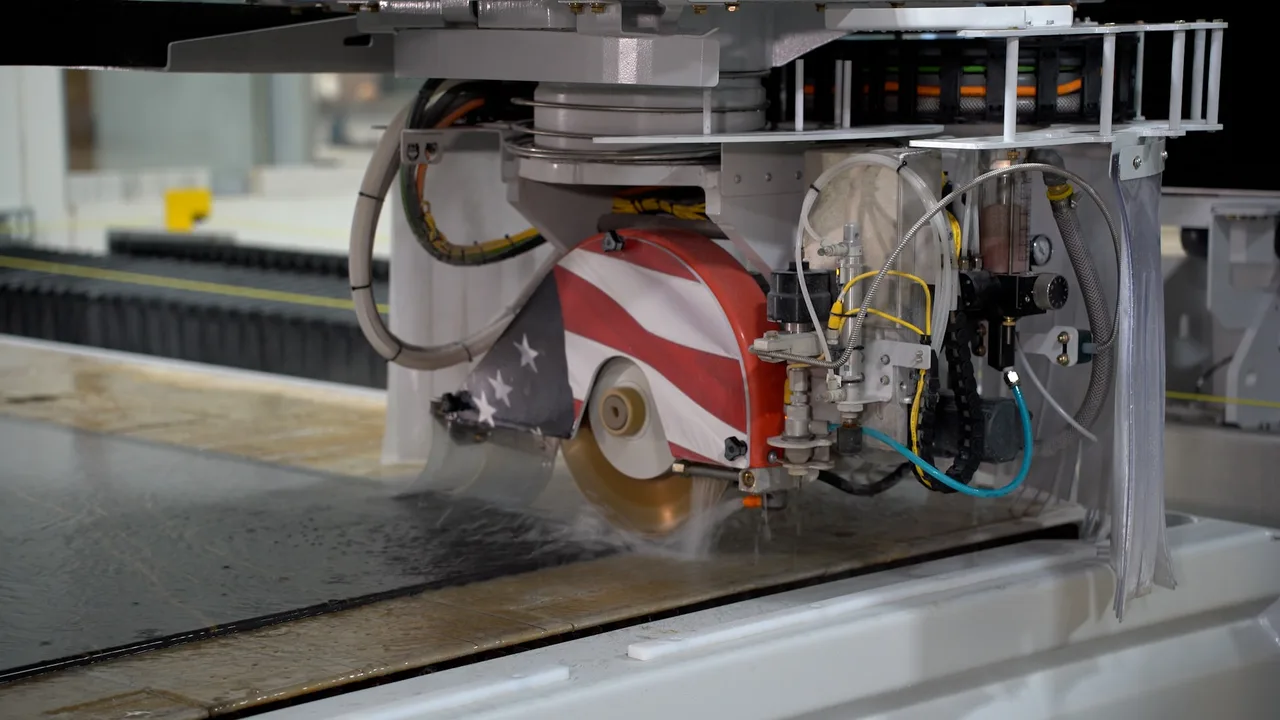
marcellelewebzine.com — Stone fabrication tools can make the difference between a workshop that runs smoothly and one that constantly fights delays, defects, and rework. In stone processing, productivity is not only about having powerful machines or skilled operators. The tools attached to those machines determine how cleanly stone is cut, how quickly surfaces are corrected, and how consistent the final finish looks when the project leaves the workshop.
For workshop owners, production managers, and buyers, tool selection is a practical business decision. The wrong blade, pad, or abrasive can slow down an entire job. A good machine cannot perform at its best if the tool does not match the stone type, cutting depth, surface requirement, or production volume. This is why better tool selection should be treated as part of workshop planning, not just as a purchasing task.
Why Tool Selection Directly Affects Workshop Productivity
Every stage of stone fabrication depends on controlled contact between the tool and the material. When that contact is unstable, productivity drops. Operators may need to slow down the machine, repeat a process, repair chipped edges, or spend more time correcting surface marks.
Good tools help the workshop maintain predictable speed and quality. They reduce unnecessary stopping, make operator work easier, and help each production stage prepare the stone properly for the next step. Poor tools do the opposite. They create small defects early in the process, and those defects become larger problems later.
This is especially important for workshops handling granite, marble, quartz, engineered stone, or mixed project orders. Each material behaves differently under cutting, grinding, and polishing pressure. A tool that works well on one material may wear too quickly or perform poorly on another. Better selection gives the workshop more control over both output quality and production time.
Stone Fabrication Tools as the Foundation of Daily Workflow
Stone fabrication tools include the blades, segments, abrasives, pads, wheels, drill bits, and shaping accessories used to process stone from raw slab to finished product. They support multiple stages, including cutting, grinding, profiling, edge correction, drilling, and surface finishing.
A workshop does not need every tool available on the market. It needs the right tool system for its daily production. For example, a shop focused on countertops may prioritize clean cutting, edge shaping, and high-gloss polishing. A workshop producing large architectural stone panels may need stronger cutting stability, larger-format handling, and consistent surface preparation.
Better planning starts by connecting tools to the real production process. Instead of buying tools randomly when problems appear, workshops can map each stage and identify what is required for accuracy, speed, and finish quality. This approach helps reduce trial-and-error purchasing and gives operators a clearer process to follow.
Cutting Tools Come First in the Fabrication Workflow
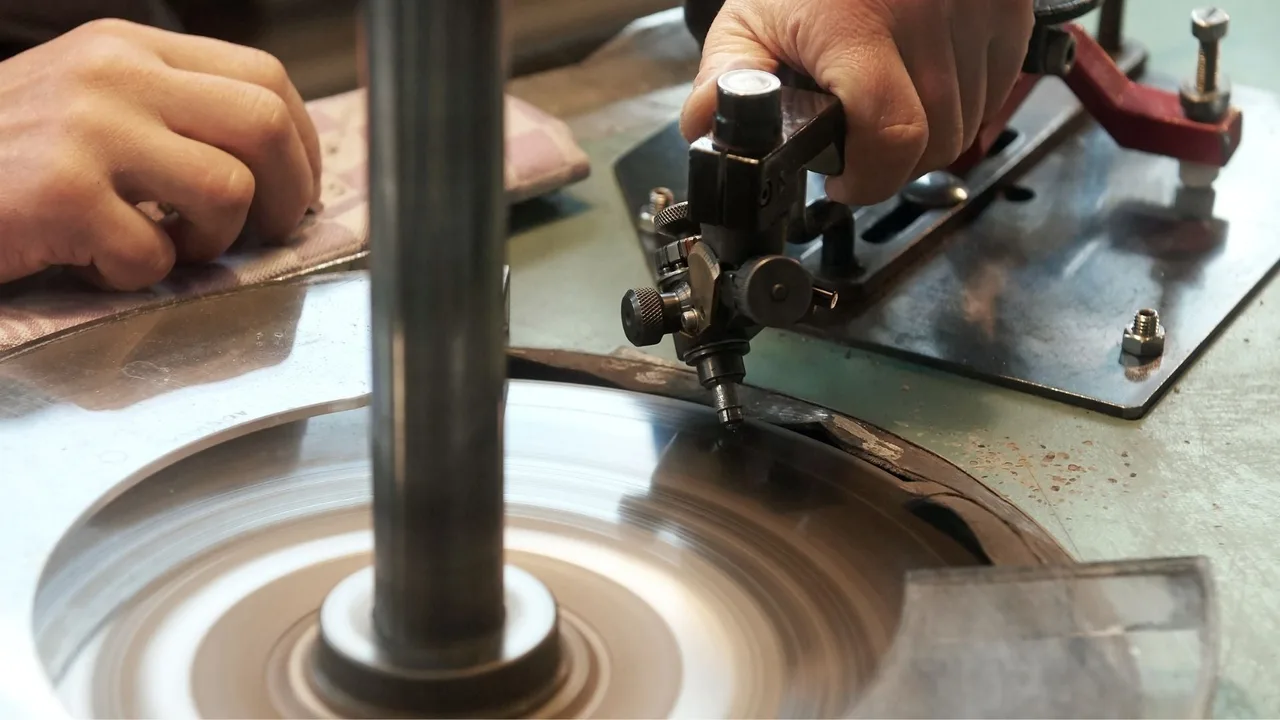
Cutting is the first tool layer before grinding and finishing. If the cut is inaccurate, chipped, or unstable, the workshop must spend more time correcting the problem later. That means more labor, more abrasive use, more polishing time, and sometimes more material waste.
Diamond cutting tools are commonly used because stone requires a tool surface that can handle hardness, friction, and heat. A properly selected cutting tool can improve slab accuracy, reduce edge damage, and create a cleaner starting point for the next process. For workshops that want cleaner first-stage processing, choosing the right cutting tools for stone fabrication workflows can reduce chipping, stabilize cutting quality, and make grinding and finishing stages easier to control.
The right blade or segment should be selected based on stone hardness, machine type, feed speed, water use, and desired edge condition. A tool that cuts too aggressively may create cracks or chips. A tool that is too soft or too slow may increase heat and reduce efficiency. Balanced cutting performance helps the entire workshop move faster without sacrificing quality.
Matching Grinding Tools to Material and Surface Requirements
Grinding tools prepare the stone after cutting. They remove uneven areas, correct edges, shape surfaces, and prepare the material for final polishing. When grinding is not controlled properly, polishing becomes harder because the surface is not ready for a clean finish.
Incorrect grinding selection can create swirl marks, uneven edges, overheating, or excessive material removal. Operators may need to repeat the same area several times, which increases labor time and shortens tool life. For high-volume workshops, these small delays can affect the entire production schedule.
Material type matters. Granite often requires stronger abrasives and more controlled pressure. Marble may need a more careful approach to avoid scratches or over-cutting. Quartz and engineered stone require tools that can handle both hardness and resin-based material behavior. Choosing the correct grit sequence and abrasive type helps the workshop move from rough correction to finishing with fewer interruptions.
Polishing Pads and the Final Quality Standard
Polishing pads have a direct effect on how customers judge finished stone. A surface may be cut accurately and shaped correctly, but if the final polish is inconsistent, the whole project can look unfinished. Gloss, clarity, and smoothness are not only visual details. They influence customer satisfaction and project acceptance.
Low-quality pads may leave uneven shine, require more operator pressure, or wear out too quickly. This creates extra work and makes results less predictable. Better polishing selection helps operators achieve a consistent finish with fewer passes.
Wet and dry polishing conditions also require different decisions. Some jobs need water-cooled polishing for better temperature control, while others require dry pads for on-site or detail work. The goal is not only to create shine, but to match the pad system with the material, equipment, and production environment.
How Better Stone Workshop Tools Reduce Rework
Rework is one of the biggest hidden productivity losses in stone fabrication. It may not always appear as a separate cost, but it consumes labor, machine time, and materials. Poor tool selection often causes the defects that lead to rework.
Better stone workshop tools can reduce common problems such as recutting, edge repair, surface correction, polishing repetition, and material scrap. When tools perform consistently, operators can trust the process and spend less time correcting avoidable mistakes.
This is where productivity becomes more than speed. A workshop that rushes through cutting but spends hours fixing defects is not truly efficient. A more productive workshop is one that controls quality from the beginning, keeps each step stable, and reduces the number of corrections required before delivery.
Building a Tool Selection System Instead of Buying Random Tools
Many workshops buy tools only when a problem appears. A blade wears out, a pad fails, or a new material arrives, and the purchasing decision becomes urgent. This reactive approach often leads to inconsistent results because tools are selected based on short-term need rather than workflow strategy.
A better system evaluates several practical factors before purchase:
- The stone material being processed most often
- The machine type and operating speed
- The required cutting depth or surface finish
- The skill level of operators
- The expected production volume
- The acceptable level of tool wear and replacement frequency
Hizar Group supports stone processing businesses by offering machinery and tool solutions that fit different fabrication stages. For buyers, this matters because productivity depends on compatibility. A tool should not only be sharp or durable; it should work properly with the machine, material, and production target.
How Tool Quality Improves Fabrication Workflow
A strong fabrication workflow depends on each stage preparing the stone correctly for the next one. Cutting creates the base shape. Grinding corrects and refines it. Polishing creates the final appearance. If one stage performs poorly, every following stage becomes less efficient.
Better tool quality improves workflow by reducing interruptions. Operators spend less time changing tools, correcting defects, or adjusting machine settings. Material handling also becomes smoother because pieces move through the workshop with fewer delays.
This is especially useful for workshops managing multiple orders at the same time. Predictable tools help managers estimate production time more accurately. They also make it easier to train operators because the process becomes more consistent.
Practical Signs That a Workshop Needs Better Tools
Workshops do not always need a full equipment upgrade to improve productivity. Sometimes the real problem is tool performance. Several signs can show that the current tool setup is limiting output:
- Frequent chipping during cutting
- Slow cutting speed even with a capable machine
- Uneven grinding marks after surface correction
- Inconsistent gloss after polishing
- Fast tool wear across repeated jobs
- High operator fatigue from excessive pressure
- Repeated correction before final delivery
- Rising material waste from avoidable defects
When these problems appear repeatedly, the workshop should review its tool selection instead of only blaming machine settings or operator skill. In many cases, better stone fabrication tools can solve production issues before larger investments are needed.
Cost vs Productivity: Why the Cheapest Tool Is Not Always Cheaper
Tool price is important, but the cheapest option does not always reduce cost. A low-cost tool may wear faster, require more replacement, damage material, or slow down the operator. When those hidden costs are added together, the workshop may spend more than it saves.
Productivity-focused buying looks at cost per project, not only purchase price. If a higher-quality tool cuts faster, lasts longer, and reduces rework, it can lower total production cost. This is especially true for workshops that handle steady daily output or expensive stone slabs.
Good tool selection also protects machine performance. Tools that create excessive vibration, heat, or resistance can increase wear on equipment. Over time, this affects maintenance cost and production stability. For commercial workshops, tool quality should be measured by output value, not only by invoice price.
Choosing a Supplier for Stone Fabrication Tools
Choosing the right supplier is part of building a better tool system. A reliable supplier should understand stone materials, machine compatibility, and workshop production needs. Product range is important, but consistency and technical support are just as valuable.
Workshop buyers should look for suppliers that can explain which tools fit cutting, grinding, polishing, and finishing requirements. Delivery reliability also matters because tool shortages can stop production. If the supplier understands real workshop conditions, the purchasing process becomes more practical and less risky.
Hizar Group works with stone machinery and related tool solutions for fabrication businesses that need more stable production. For workshops comparing suppliers, the goal should be to find a partner that can support the full process rather than only selling individual items.
Better Tools Create More Predictable Workshop Output
Productivity in stone fabrication comes from control. Clean cutting reduces downstream correction. Proper grinding prepares the surface correctly. Quality polishing creates a finish that meets customer expectations. Each tool stage affects the next, so tool selection should be planned as a complete production system.
Stone fabrication tools are not small accessories in the workshop. They are part of the productivity structure. When selected carefully, they help reduce waste, improve operator efficiency, protect material quality, and make delivery schedules easier to manage.
For stone workshops that want better output without unnecessary complexity, improving tool selection is one of the most practical steps. Better tools create fewer mistakes, smoother workflow, and more consistent finished stone products.