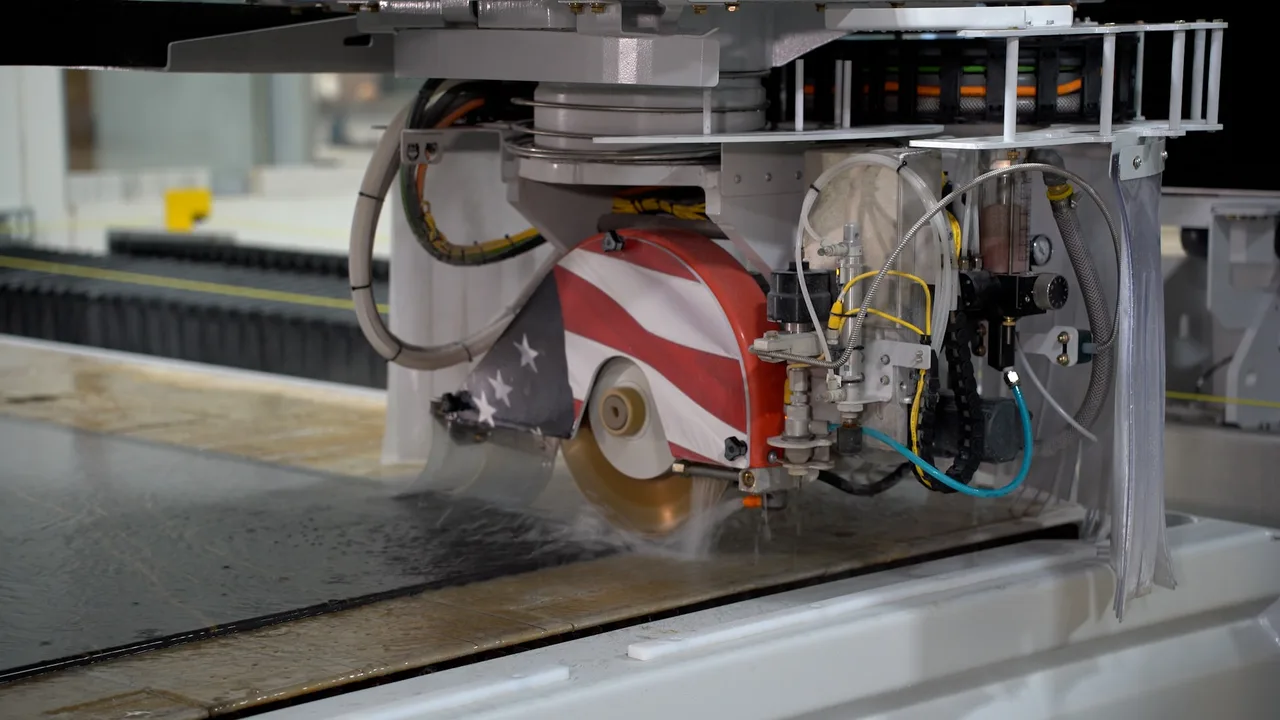
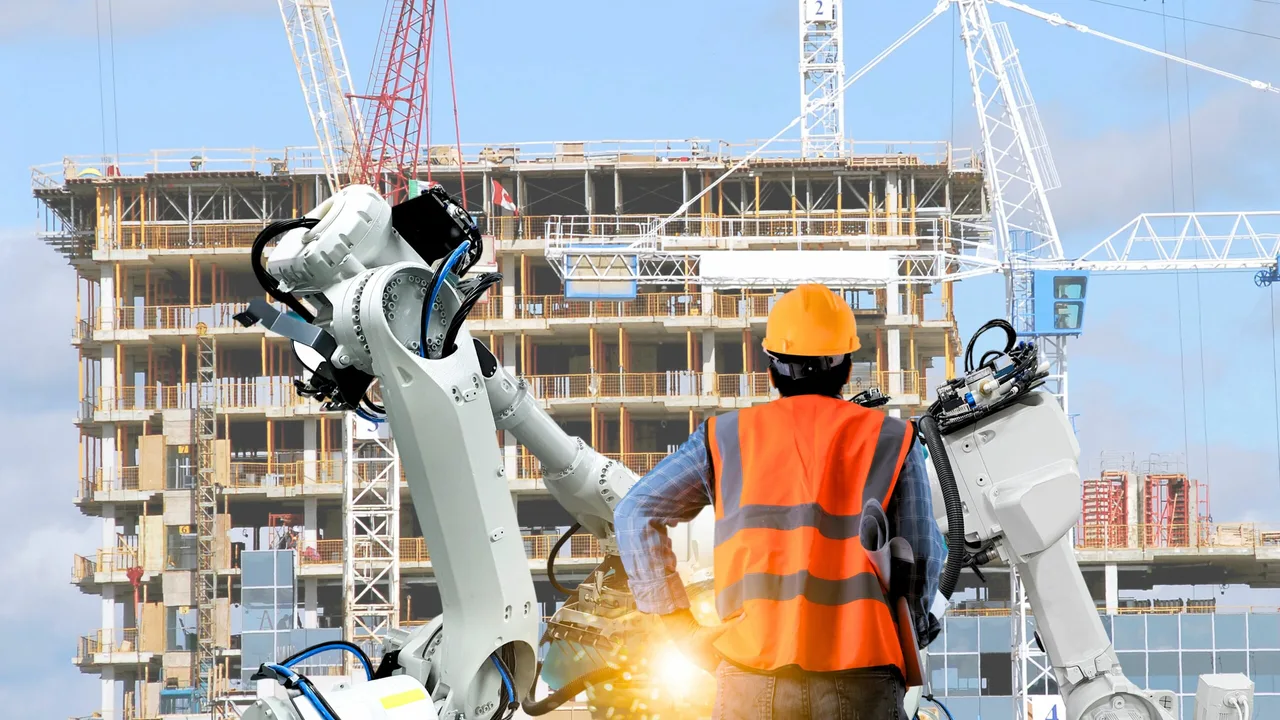
The global construction industry is undergoing a transformation unlike anything seen before. Once known for its reliance on manual labor and traditional machinery, the sector is now embracing robotics in construction as the foundation of a new industrial era. From robotic arms that weld and assemble steel to autonomous vehicles navigating complex job sites, technology is rewriting how buildings are designed, fabricated, and erected. As labor shortages intensify and efficiency demands grow, robotics offers an unprecedented opportunity to build smarter, faster, and safer.
A New Era for Construction Efficiency
Construction has historically lagged behind other industries when it comes to automation. While manufacturing and logistics adopted robots decades ago, construction’s unpredictable environments and diverse workflows made it difficult to automate. However, advances in artificial intelligence, sensors, and computer vision have changed the game. Robots can now “see,” “think,” and “act” with precision once reserved for factory floors.
This shift toward intelligent automation is not simply about replacing humans—it’s about reimagining how work is done. Automation reduces repetitive tasks and minimizes errors, allowing skilled workers to focus on creativity and problem-solving. The result is an industry that’s faster, more sustainable, and better equipped for modern challenges.
Understanding Robotics in Construction
What Are Construction Robots?
Construction robots are machines designed to perform tasks traditionally handled by human workers but with greater accuracy and endurance. They include industrial robots for welding and fabrication, drones for surveying, and autonomous vehicles for site logistics. These systems rely on advanced programming and sensor networks to operate efficiently in dynamic environments.
Modern examples range from bricklaying robots capable of placing 3,000 bricks a day to autonomous concrete printers creating full-scale structures with minimal human input. According to research featured in Construction Dive, adoption of robotics is accelerating as companies seek solutions to labor shortages and safety concerns. With more robust AI and machine learning integration, construction robots are no longer experimental—they’re becoming essential tools of the trade.
The Role of Automation in the Building Process
Automation plays a vital role in improving coordination across the construction lifecycle. From the design stage to final inspection, digital systems track progress, allocate materials, and synchronize worker and machine activities. For example, automated rebar-tying machines streamline repetitive tasks, while robotic total stations handle precise layout measurements.
By integrating robotics with BIM (Building Information Modeling) platforms, project managers can connect real-time data from the field to the digital plan. This reduces rework, shortens project durations, and enhances accuracy. The synergy between human planning and robotic execution is transforming workflows into highly predictable, data-driven processes.
Benefits of Robotics in Construction
Precision and Productivity
Few industries demand precision like construction does. A minor misalignment in a beam or a misplaced joint can cause costly structural errors. Robotics in construction eliminates much of this uncertainty. Machines can measure, cut, and weld with tolerances impossible to maintain manually. In steel fabrication, for instance, robotic arms equipped with laser sensors ensure every weld is consistent, strong, and defect-free.
Robots also excel in repetitive, high-volume tasks. A robotic bricklayer, for example, can lay walls three times faster than a human mason, all while maintaining consistent quality. Similarly, autonomous painting and finishing robots ensure even coating and reduced material waste. The result? Greater throughput, higher quality, and reduced fatigue for workers.
| Robotic Application | Key Function | Efficiency Gain |
|---|---|---|
| Robotic Welding | Automated precision joining of steel components | Up to 40% faster production |
| 3D Printing Robots | Layer-by-layer concrete structure creation | 50% material waste reduction |
| Autonomous Vehicles | Transporting heavy materials across site | 20% reduction in downtime |
Safety and Risk Reduction
Construction remains one of the most hazardous industries in the world. Heights, heavy equipment, and unpredictable site conditions expose workers to constant risk. The integration of industrial robots is changing that narrative. Robots now handle high-risk tasks such as demolition, heavy lifting, and welding at dangerous heights. Drones survey hazardous zones, while AI-driven monitoring systems detect unsafe conditions before accidents occur.
Wearable sensors connected to automated site systems also play a crucial role. They monitor worker fatigue, heat stress, and proximity to moving machinery, triggering alerts when conditions become unsafe. This blend of robotics and human oversight not only saves lives but fosters a culture of proactive safety management.
Applications Across the Construction Lifecycle
Design and Planning
In modern architecture and engineering, robotics are transforming the design stage itself. Generative design software integrated with robotic fabrication allows architects to experiment with complex geometries previously too costly or time-consuming to build. Robots interpret digital models with millimeter precision, producing parts that fit seamlessly during assembly. This level of accuracy accelerates construction and minimizes waste in material usage.
On-Site Operations
The construction site of the future is a coordinated network of humans, machines, and data. Autonomous equipment—cranes, excavators, and delivery vehicles—operate using GPS and LIDAR mapping. These technologies improve spatial awareness and movement coordination, reducing congestion and idle time on site. Field robots can handle repetitive installation tasks, while drones assist with real-time monitoring and surveying of progress.
The result is a construction process that feels more like a high-tech manufacturing line than a chaotic job site. The combination of robotics in construction and smart site analytics ensures every component arrives on time, in sequence, and with documented precision.
Off-Site Manufacturing and Prefabrication
How Robotics Reinforces Modular Construction
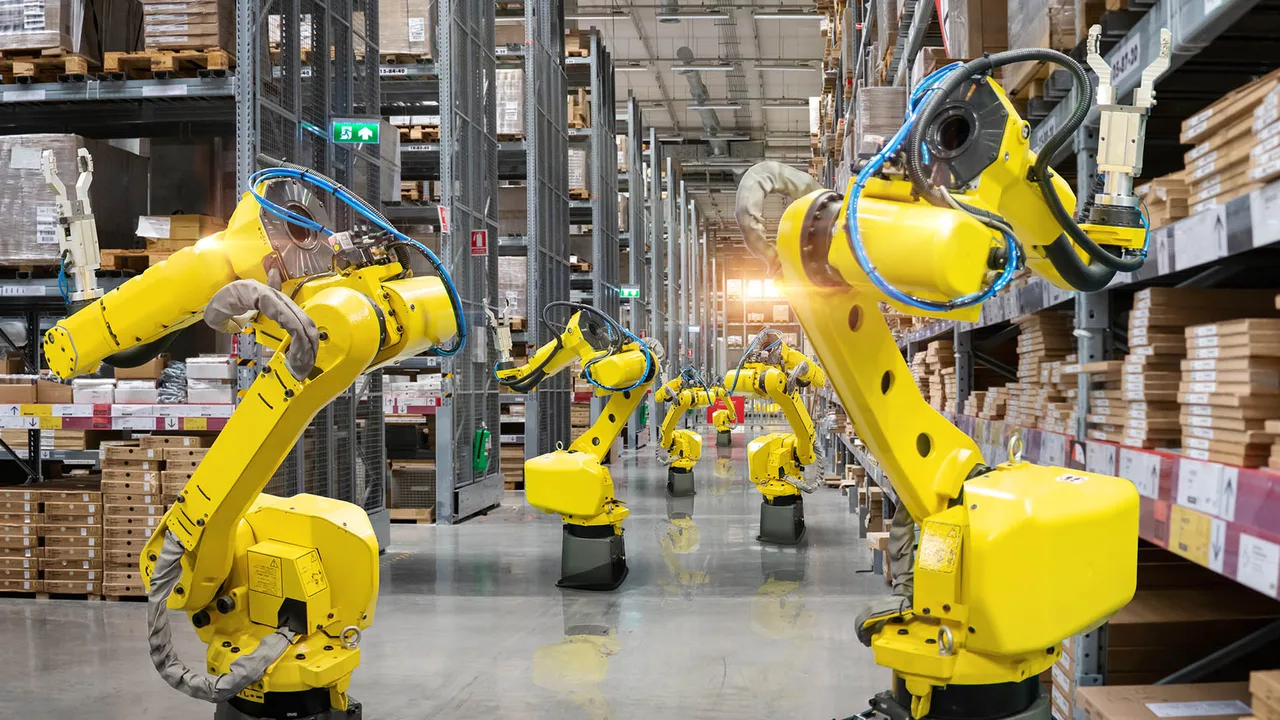
One of the most transformative effects of robotics in construction is its impact on off-site manufacturing. Prefabrication—assembling components in controlled environments before shipping them to the site—has become faster and more accurate thanks to industrial robots. These systems can fabricate steel beams, wall panels, and structural modules with near-perfect consistency. Robots work around the clock, unaffected by weather or fatigue, ensuring that production schedules remain stable and predictable.
In these factory-like environments, automation doesn’t just boost speed—it enhances sustainability. Controlled fabrication minimizes material waste, while AI-driven logistics manage inventory and transportation with precision. As a result, modular buildings can be delivered faster, cheaper, and with a smaller carbon footprint than traditional on-site projects.
Integration with Smart Construction Ecosystems
Off-site robotics are increasingly connected to digital ecosystems. Information flows seamlessly between BIM models, robotic systems, and logistics platforms, creating an integrated supply chain. For example, when a change occurs in the design phase, robotic fabrication systems automatically adjust production parameters to reflect it. This digital continuity allows unprecedented coordination between designers, engineers, and manufacturers.
Such integration marks a major leap forward in efficiency and accountability—two cornerstones of modern industrial construction. It also paves the way for smarter, more adaptive infrastructure where every component can be traced and optimized throughout its lifecycle.
Challenges and Limitations
High Initial Costs and Skill Gaps
Despite its many benefits, adopting robotics in construction comes with real challenges. The cost of purchasing, programming, and maintaining robotic systems remains a barrier for many mid-sized companies. Unlike traditional tools, these systems require specialized training and technical support. The workforce must adapt—moving from physical labor to supervising and operating advanced machinery.
This shift demands investment not just in equipment but in people. Upskilling programs and educational initiatives are essential to bridge the knowledge gap between traditional construction expertise and modern automation. Governments and industry associations are beginning to recognize this, promoting vocational training focused on robotics and digital engineering.
Integration and Data Management Issues
Robots rely on accurate data to function effectively. Incomplete or outdated information can lead to costly mistakes. Ensuring smooth integration between robotics, sensors, and BIM systems requires consistent data standards and high connectivity. Many companies are now investing in cloud-based collaboration tools to synchronize information in real time.
Cybersecurity is another growing concern. As construction sites become increasingly digital, protecting sensitive data from breaches or manipulation becomes crucial. Establishing robust IT frameworks and risk protocols is as vital as maintaining the physical machinery itself.
The Future of Robotics in Construction
Emerging Trends and Innovations
The next decade will bring revolutionary changes as robotics continues to evolve. Collaborative robots, or cobots, will work side by side with human teams, combining machine precision with human intuition. Swarm robotics—multiple small robots working together—will handle complex tasks such as rebar installation or concrete printing on large scales. These innovations are reshaping how infrastructure is imagined and built.
In addition, robotics will play a key role in sustainability. Automated systems reduce waste, optimize energy usage, and ensure consistent quality. Integration with renewable energy systems and smart materials will enable structures that are not only efficient to build but also environmentally responsive throughout their lifespans.
Human-Robot Collaboration
Contrary to fears of automation replacing jobs, robotics in construction is redefining roles rather than eliminating them. Robots handle repetitive or dangerous work, while humans focus on oversight, design, and innovation. This balance enhances productivity while improving job safety and satisfaction. The construction worker of the future is not a laborer alone, but a technician, data analyst, and creative problem solver.
Ethical questions around automation—such as data privacy, workforce impact, and sustainability—will shape how industries approach robotics integration. Collaboration, rather than competition, between human intelligence and robotic precision will determine the true success of this transformation.
Building the Future Together
The adoption of robotics in construction signals the dawn of a smarter, safer, and more sustainable era for the building industry. From prefabrication plants to AI-powered job sites, automation is not replacing human expertise—it’s magnifying it. Each innovation moves the sector closer to an ideal balance between efficiency and creativity.
As technology advances, the future of construction lies in collaboration: machines that execute with perfect precision and humans who design with imagination. Together, they redefine what’s possible—turning steel, concrete, and code into the next generation of architectural achievement. Those who embrace this synergy today will lead the global construction revolution of tomorrow.