Asia has long been recognized as the powerhouse of global production, driving industries from electronics to steel fabrication. Yet, as environmental awareness intensifies worldwide, the region faces an urgent challenge: transforming its vast industrial ecosystem into a sustainable one. The shift toward sustainable manufacturing Asia is no longer a distant goal—it’s an economic and ethical necessity that’s redefining the way factories operate across the continent.
Introduction — Asia’s Green Industrial Transformation
The past few decades have witnessed extraordinary growth in Asia’s manufacturing capacity. However, this growth has come with environmental costs: rising emissions, energy consumption, and resource depletion. In response, both governments and corporations are now rethinking production models to align with sustainability goals. The movement toward green factory development and energy-efficient production is gaining momentum, led by forward-thinking manufacturers that integrate technology with environmental responsibility.
Unlike earlier industrial revolutions that prioritized scale and cost efficiency, this new phase focuses on minimizing waste, optimizing resource use, and building cleaner value chains. Sustainable production has become a defining feature of modern competitiveness in Asia’s export-driven markets.
Understanding Sustainable Manufacturing in Asia
From Efficiency to Responsibility
Sustainable manufacturing Asia is more than a technical upgrade—it’s a cultural and strategic shift. Traditionally, manufacturers focused on efficiency: producing more with less. Now, responsibility takes center stage. This involves evaluating how production impacts air quality, energy consumption, and the well-being of workers and surrounding communities.
Factories are reengineering their processes to cut emissions and adopt cleaner energy sources. In China, for instance, the move toward green manufacturing is embedded in the government’s “Made in China 2025” initiative, which encourages intelligent factories powered by data analytics and renewable energy. Across Southeast Asia, similar programs are promoting eco-certification and sustainable supply chain management.
Regional Leaders in Green Industrialization
Several countries stand out as regional leaders in sustainable industry. Japan has focused on energy recovery and waste minimization for decades, while South Korea invests heavily in smart energy systems and green R&D. Singapore’s “Green Plan 2030” targets a circular economy through sustainable manufacturing incentives, and China has become a global hub for solar panel production and low-carbon steel innovation.
Each country approaches sustainability differently, yet the trend is universal: efficiency and responsibility now define industrial progress. The focus is shifting from cheap output to resilient, environmentally conscious production that safeguards long-term growth.
The Role of Green Factories in the New Industrial Era
Inside the Modern Green Factory
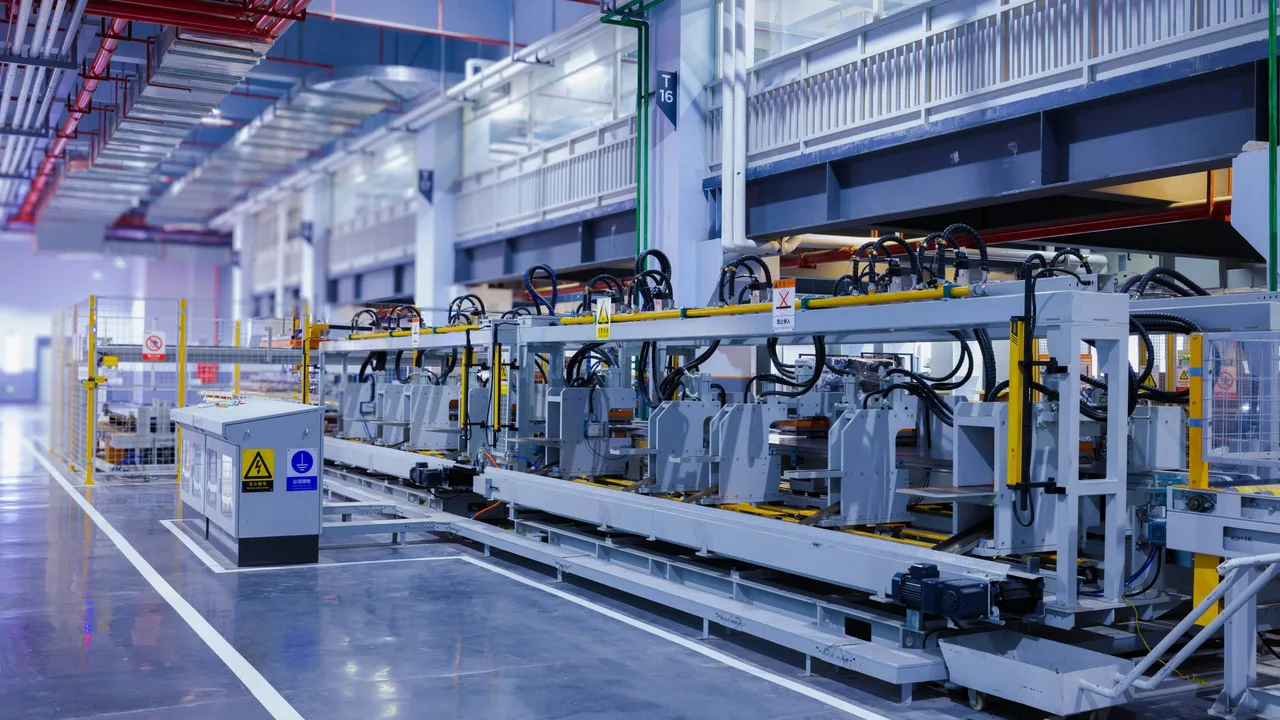
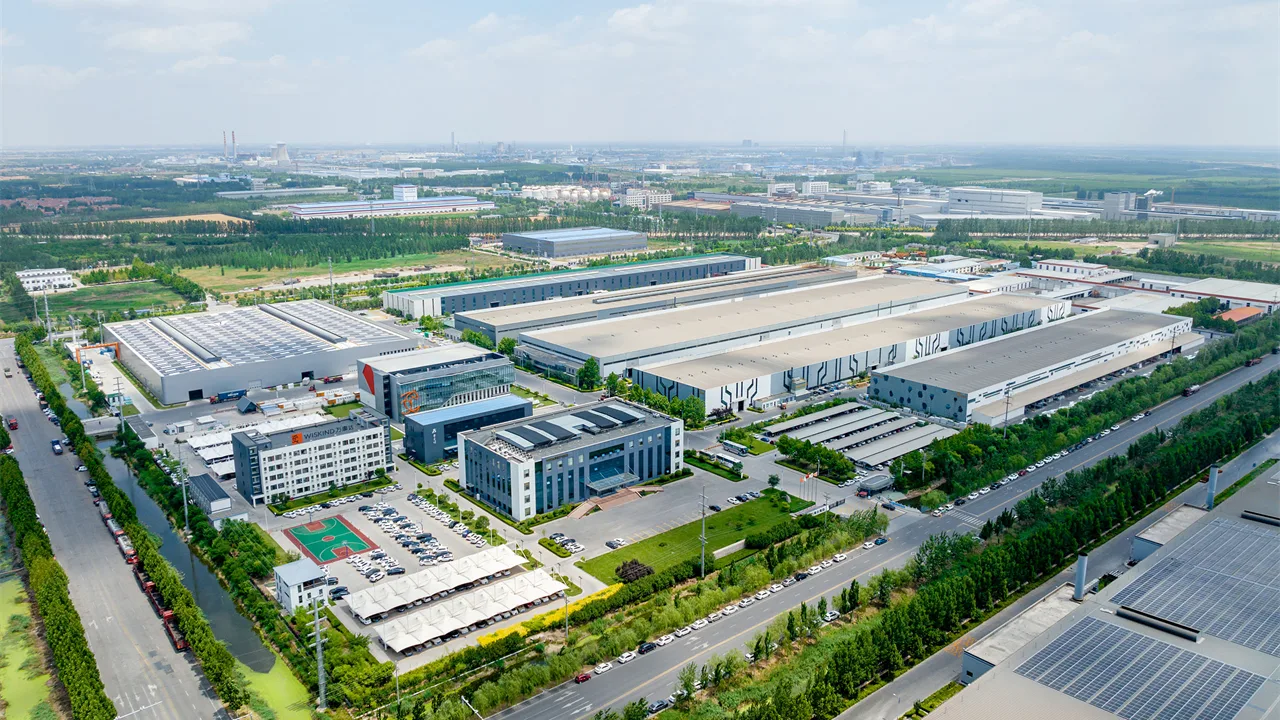
Today’s green factory represents a radical departure from traditional manufacturing plants. These facilities integrate architecture, automation, and environmental science to create closed-loop systems where waste is minimized and energy is recycled. Automated ventilation, daylight optimization, and on-site solar panels are just the beginning. Artificial intelligence monitors production processes, adjusting machine operations to conserve power without compromising efficiency.
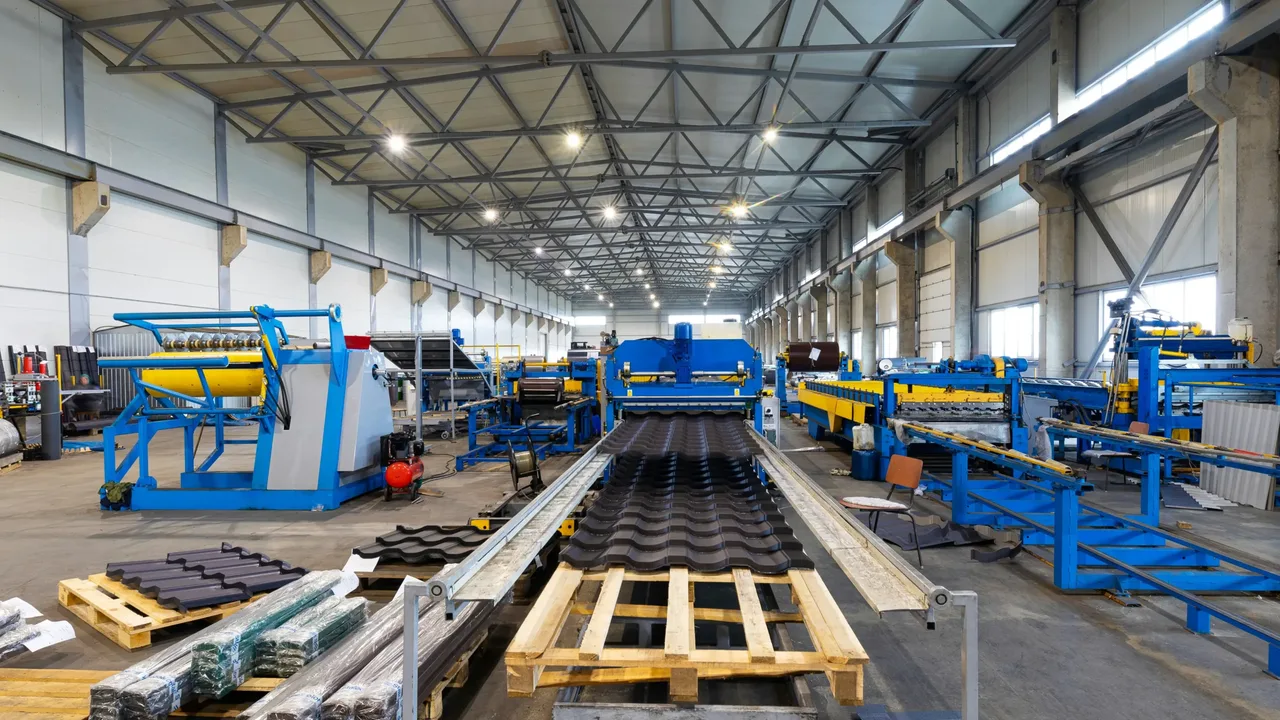
In China, several industrial complexes are setting benchmarks for environmentally responsible design. A notable example is a steel structure factory in China that incorporates renewable energy systems, rainwater harvesting, and digital monitoring tools. The result is a production model that reduces emissions while increasing throughput—proving that profitability and sustainability can coexist when technology and ethics align.
Circular Economy and Resource Efficiency
The concept of a circular economy underpins many sustainable manufacturing models. Instead of the traditional “take, make, waste” approach, modern factories now emphasize reuse, recycling, and recovery. Metals, plastics, and water are reintroduced into the production cycle whenever possible. For materials like steel, circular design is especially effective: scrap steel can be melted and reused without loss of quality, reducing energy consumption and dependence on raw ore.
Some Asian manufacturers are going beyond recycling to create fully circular production loops. By designing modular components, they allow products to be disassembled, refurbished, or repurposed—an approach that minimizes waste and extends product lifespan.
Technology Driving Energy-Efficient Production
Digitalization and Smart Energy Systems
Technology plays the central role in Asia’s transition to sustainable manufacturing. Through digitalization and automation, companies are finding new ways to reduce operational waste. Smart meters, energy dashboards, and predictive maintenance systems allow real-time monitoring and adjustment of energy use across production lines.
Artificial intelligence analyzes data from machines to predict wear and optimize performance, while Internet of Things (IoT) networks interconnect entire factories. This web of intelligent systems creates an ecosystem where energy is used precisely where and when it’s needed—no more, no less. As a result, downtime is reduced, equipment lifespans are extended, and operational costs decline, all while environmental impact is minimized.
| Technology | Primary Function | Sustainability Impact |
|---|---|---|
| IoT Sensors | Monitor energy and machine performance in real time | Prevents overuse of resources and identifies inefficiencies |
| AI Predictive Maintenance | Forecasts equipment failures before they occur | Reduces downtime and material waste |
| Smart Grid Systems | Balances electricity demand dynamically | Optimizes energy use and integrates renewables |
These innovations demonstrate that sustainability and profitability can work hand in hand. As Asian factories integrate such systems, they are building a foundation for long-term environmental and financial resilience.
Renewable Integration
Renewable energy adoption is rapidly accelerating across the region. Solar and wind installations are increasingly common on factory rooftops and nearby energy parks. Many large manufacturers are investing in power purchase agreements to secure clean electricity for their operations, while others are developing in-house renewable microgrids.
In Japan and South Korea, biomass and hydrogen projects are contributing to industrial decarbonization. Meanwhile, Southeast Asian countries like Vietnam and Indonesia are emerging as renewable manufacturing hubs, attracting global investors seeking sustainable production networks. The region’s vast potential for renewable integration places sustainable manufacturing Asia at the forefront of the world’s low-carbon transformation.
Policy, Standards, and Global Partnerships
Government Initiatives and ESG Frameworks
Governments across Asia are crafting policies that embed sustainability into industrial growth strategies. China’s “Dual Carbon” goal aims to achieve peak emissions before 2030 and neutrality by 2060, pushing factories to adopt cleaner technologies. Japan enforces strict waste management and recycling laws, while ASEAN nations are rolling out tax incentives for companies that invest in renewable energy and low-emission systems.
Environmental, Social, and Governance (ESG) frameworks are also transforming how manufacturers operate. These frameworks hold companies accountable for their environmental impact while influencing investor behavior. Publicly traded corporations are increasingly required to disclose carbon data, resource efficiency scores, and sustainability performance. This transparency is changing how international buyers assess supply chain partners, rewarding factories that prioritize sustainable manufacturing Asia initiatives.
Collaboration Across Borders
Sustainability doesn’t stop at national borders. Cross-industry partnerships are helping Asian manufacturers learn from global best practices. Joint ventures with European clean tech firms and North American energy consultants are accelerating knowledge transfer in low-carbon manufacturing. Global platforms, such as the United Nations Industrial Development Organization (UNIDO), provide roadmaps for industrial decarbonization and equitable growth. Through such alliances, Asia’s green transformation is becoming a shared global endeavor rather than an isolated movement.
Challenges in the Transition to Sustainability
Cost, Technology, and Supply Chain Gaps
Despite progress, the journey toward sustainability is not without obstacles. High initial investment costs remain a significant deterrent for small and medium-sized enterprises (SMEs). Many lack access to financing or technical expertise to implement energy-efficient solutions. In developing markets, outdated machinery and limited infrastructure hinder the adoption of clean technologies.
There is also a supply chain gap between advanced economies and emerging ones. While Japan or Singapore can quickly transition to digital factories, less developed economies may struggle with inconsistent power supply, limited access to skilled labor, or weak regulatory enforcement. Bridging this divide requires regional cooperation, shared technology platforms, and affordable financing mechanisms to ensure no country is left behind in the sustainable transition.
Greenwashing Risks and Authenticity
Another growing concern is the rise of “greenwashing” — where manufacturers overstate or falsify their sustainability claims to attract investors or customers. The pressure to appear eco-friendly sometimes leads to exaggerations that can undermine trust in the market. To prevent this, regulators are implementing stricter auditing systems, while industry watchdogs encourage transparency in energy reporting and waste management data.
Authentic sustainability is measurable and verifiable. It’s not about labels or slogans—it’s about operational change, data accountability, and environmental impact. In this regard, credible certification bodies and verified reporting standards play a crucial role in maintaining industry integrity across the sustainable manufacturing Asia landscape.
The Future Outlook for Sustainable Manufacturing in Asia
Emerging Trends
The future of Asian manufacturing is digital, decentralized, and decarbonized. Emerging trends such as AI-driven carbon tracking, blockchain-enabled material traceability, and autonomous factory systems are reshaping how industries measure and manage sustainability. Smart factories will soon be capable of automatically optimizing production schedules based on energy availability, weather conditions, or supply chain demand.
Furthermore, demand for locally sourced materials is expected to rise as companies aim to reduce transportation emissions and supply chain vulnerability. Eco-design principles—using fewer resources and planning for recyclability—will become standard practice. These shifts will not only enhance environmental performance but also strengthen economic resilience against global supply disruptions.
The Road to Net-Zero Manufacturing
Many Asian economies have now committed to achieving net-zero emissions within the next three decades. This vision involves more than technology—it demands rethinking business models and workforce culture. Manufacturers are integrating renewable energy procurement, electrified transport fleets, and waste-to-energy systems into their daily operations.
As countries pursue net-zero goals, collaboration among governments, academia, and industry will be essential. Knowledge-sharing networks will accelerate innovation, and consistent regional policies will prevent carbon leakage between markets. By 2040, experts predict that the majority of industrial parks in Asia will operate on hybrid renewable energy systems, setting new global standards for energy-efficient production.
Conclusion — Building Asia’s Sustainable Industrial Future
The evolution of sustainable manufacturing Asia is not a passing trend—it’s the foundation of a new industrial era. The continent that once defined global mass production is now poised to redefine sustainability in manufacturing. Through green factories, digital intelligence, and ethical governance, Asia is proving that environmental responsibility and economic power can grow together.
Companies embracing change today are setting the blueprint for tomorrow’s prosperity. Whether it’s through adopting renewable energy, minimizing waste, or building circular value chains, every initiative contributes to a cleaner, more resilient industrial ecosystem. The message is clear: the future belongs to manufacturers who view sustainability not as a cost—but as a competitive advantage.