
The workplace is undergoing one of the most significant transformations since the Industrial Revolution. Automation is no longer confined to isolated factory cages or fully autonomous production lines. Instead, a new paradigm is emerging—human robot collaboration. In this model, humans and machines work side by side, combining cognitive intelligence with mechanical precision. This shift is redefining productivity, safety, and innovation across industries.
Introduction — A New Era of Shared Workspaces
For decades, industrial robots operated behind safety barriers, programmed to perform repetitive tasks without human interaction. While effective, these systems were rigid and often expensive to modify. Today, advances in artificial intelligence, sensor technology, and adaptive programming have enabled a more flexible approach. Robots are no longer isolated—they are collaborative partners.
Human robot collaboration represents a turning point in how we design workflows. Instead of replacing workers, robots—especially cobots (collaborative robots)—are designed to assist them. This transition aligns with broader trends in workplace innovation, where agility, customization, and real-time problem-solving are increasingly valued.
What Is Human Robot Collaboration?
From Industrial Robots to Cobots
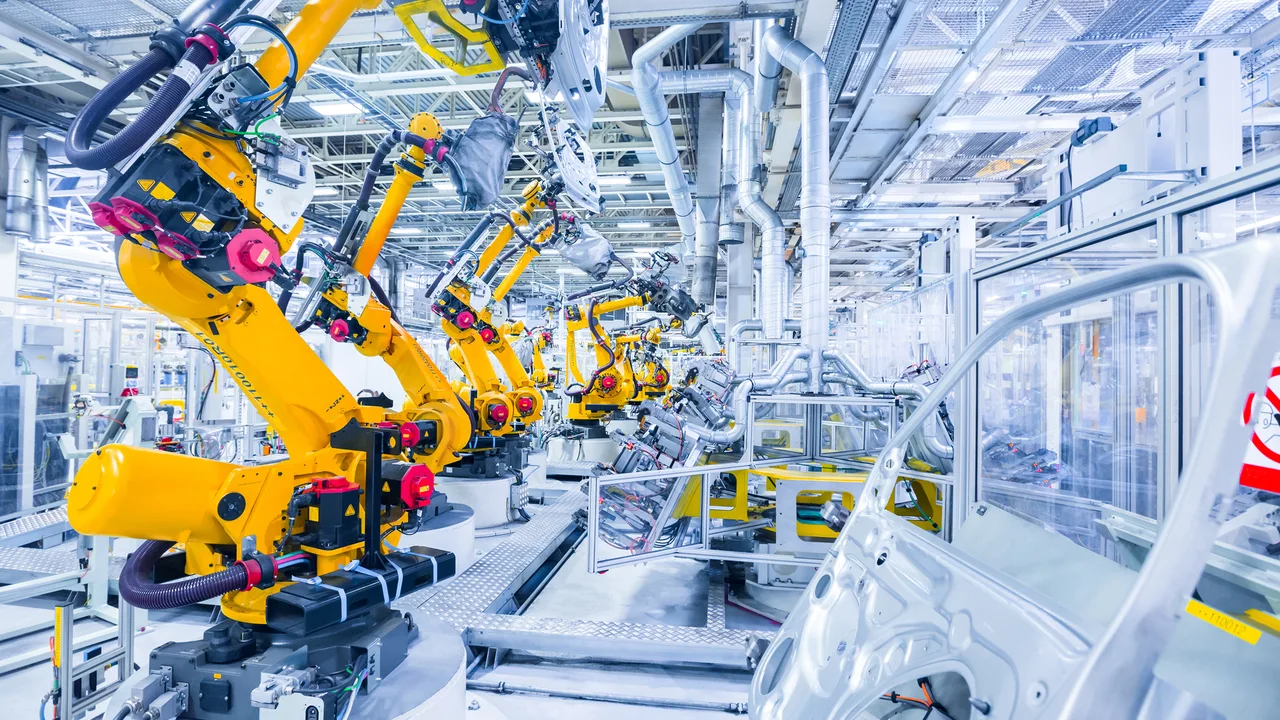
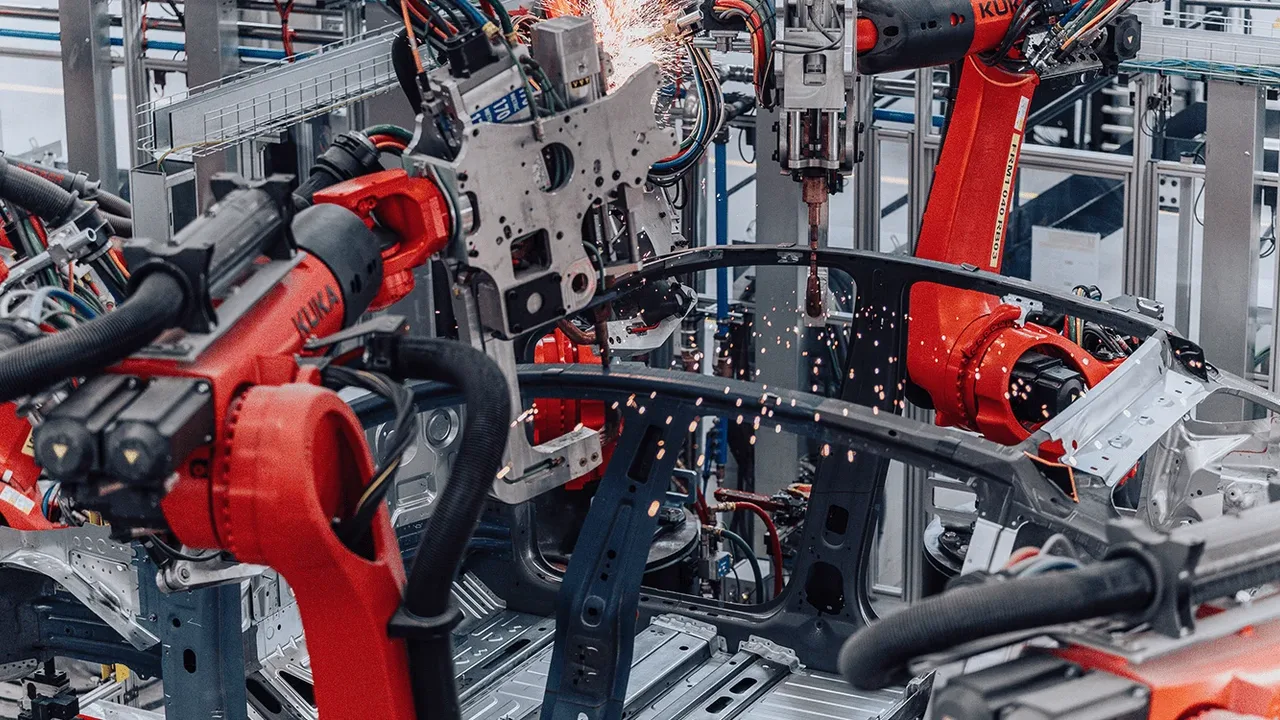
Traditional industrial robots were built for speed and strength. They excelled at repetitive tasks such as welding, painting, and assembly, but they required safety cages to prevent accidental injury. Any human interaction required shutting down the system entirely.
The introduction of cobots changed this dynamic. Unlike conventional robots, cobots are equipped with advanced sensors and force-limiting technology that allow them to operate safely alongside humans. They can detect proximity, adjust movement, and even pause automatically if a person enters their workspace. This innovation made human robot collaboration not just possible, but practical.
Instead of replacing human workers, cobots complement them. Humans bring creativity, decision-making, and adaptability. Robots contribute consistency, precision, and endurance. The result is a more balanced and efficient workflow.
Defining Human Robot Collaboration in Modern Industry
At its core, human robot collaboration refers to systems where humans and robots share tasks within the same physical or digital workspace. This can take multiple forms:
- Sequential collaboration – Humans and robots alternate tasks in a coordinated process.
- Parallel collaboration – Both perform separate tasks simultaneously within the same area.
- Co-manipulation – Humans and robots handle the same object together.
These collaborative models allow organizations to maximize productivity without sacrificing flexibility. Rather than redesigning entire production lines for automation, companies can integrate cobots incrementally, making adoption more accessible and scalable.
The Technology Behind Human Robot Collaboration
AI, Machine Vision, and Adaptive Learning
The success of human robot collaboration depends heavily on artificial intelligence. Modern robots are no longer limited to pre-programmed sequences. With machine learning algorithms, they can adapt to changing environments, recognize patterns, and improve performance over time.
Machine vision systems allow robots to interpret visual data through cameras and image processing software. This capability enables them to detect object orientation, identify defects, and respond to unpredictable variables. For example, in assembly operations, a robot can adjust its grip based on the shape or position of a component—without requiring manual reprogramming.
Adaptive learning further enhances collaboration. Through reinforcement learning, robots analyze feedback from previous actions and refine their movements. This continuous improvement model ensures smoother interaction with human partners and reduces error rates over time.
Sensors and Safety Systems
Safety is the foundation of effective human robot collaboration. Advanced force sensors, torque limiters, and proximity detectors ensure that cobots can detect human presence instantly. If unexpected resistance occurs—such as contact with a person—the robot stops or reduces force automatically.
International standards such as ISO 10218 and ISO/TS 15066 define guidelines for collaborative robot safety, specifying permissible force thresholds and operational parameters. These frameworks ensure that workplace innovation does not compromise employee well-being.
| Technology Component | Function | Impact on Collaboration |
|---|---|---|
| Force Sensors | Detect physical contact | Prevents injury during interaction |
| Machine Vision | Identifies objects and movement | Improves task accuracy |
| AI Algorithms | Enables adaptive learning | Enhances efficiency and flexibility |
Cobots and Workplace Innovation
Redefining Productivity
One of the most significant advantages of human robot collaboration is its impact on productivity. Cobots operate with consistent speed and precision, reducing fatigue-related errors. At the same time, humans oversee quality control and handle complex decision-making tasks.
This synergy increases output without requiring massive capital investment in fully automated systems. For small and medium-sized enterprises, cobots provide an entry point into automation without sacrificing flexibility.
Human Skills + Robot Precision
Rather than competing, humans and robots excel in different domains. Consider the following comparison:
- Humans excel at: creative problem-solving, complex decision-making, adaptability, and emotional intelligence.
- Cobots excel at: repetitive tasks, high-precision assembly, data processing, and endurance.
When combined, these strengths redefine workplace innovation. Teams become hybrid ecosystems where technology enhances human capability rather than replacing it. This collaborative framework is increasingly viewed as the sustainable path forward for industrial transformation.
Human Robot Collaboration Across Industries
Manufacturing and Smart Factories
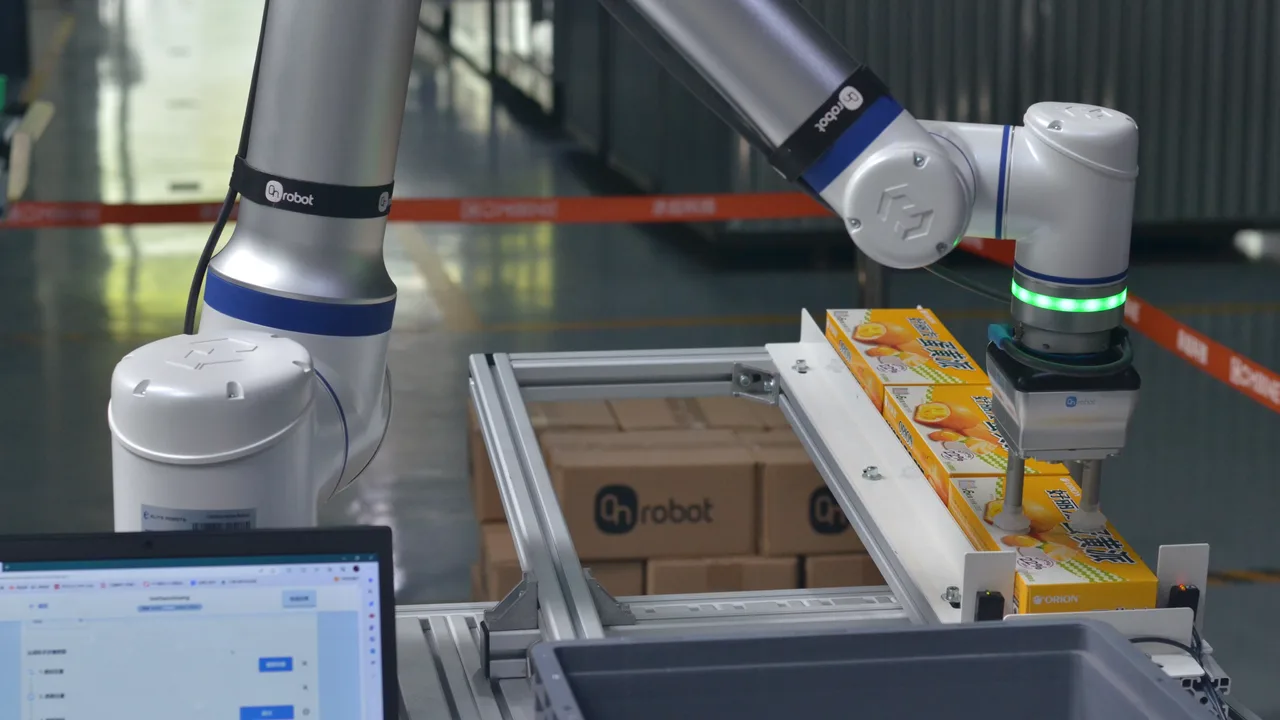
The manufacturing sector remains the strongest adopter of human robot collaboration. In smart factories, cobots assist workers in assembly, packaging, inspection, and material handling. Unlike traditional automation, collaborative systems allow workers to remain directly involved in the production process while robots handle repetitive or physically demanding tasks.
In electronics assembly, for example, cobots perform micro-precision screwdriving while humans manage quality checks and component alignment. In automotive production, collaborative robots assist with heavy lifting, reducing workplace injuries and fatigue. This model enhances workplace innovation by balancing efficiency with adaptability.
Smart manufacturing environments increasingly rely on data analytics, cloud connectivity, and AI-driven optimization. According to frameworks outlined by the International Organization for Standardization (ISO), collaborative robotics must meet strict safety and performance requirements—ensuring that productivity gains do not come at the expense of worker safety.
Healthcare, Logistics, and Retail
Beyond manufacturing, human robot collaboration is reshaping service industries. In healthcare, robotic assistants support surgeons by stabilizing instruments and enhancing precision during complex procedures. Rather than replacing medical professionals, these systems amplify human expertise.
In logistics and warehousing, cobots work alongside employees to sort packages, transport goods, and manage inventory. Human workers supervise routing decisions and exception handling, while robots handle repetitive movement tasks. Retail environments also integrate collaborative robots for inventory scanning and customer service support.
These applications demonstrate that human robot collaboration extends far beyond factory floors. It is becoming a cross-industry model for operational efficiency.
The Ethical and Social Implications
Job Displacement vs Job Transformation
One of the most debated aspects of human robot collaboration is its impact on employment. While automation has historically displaced certain roles, collaborative systems tend to transform rather than eliminate jobs. Workers transition from manual labor to oversight, programming, and maintenance roles.
This transformation requires reskilling and continuous education. As cobots take over repetitive tasks, employees develop technical competencies in robotics management and data interpretation. This evolution supports long-term workplace innovation, ensuring that technology strengthens human capability instead of replacing it.
Trust, Transparency, and Control
Trust is fundamental to successful collaboration between humans and machines. Workers must feel confident that safety systems function reliably and that decision-making algorithms remain transparent. Clear communication about how robots operate—and how data is collected and used—is essential.
Organizations implementing human robot collaboration must establish ethical guidelines governing AI usage, privacy protection, and worker autonomy. When transparency becomes a priority, acceptance rates increase and resistance declines.
Challenges in Implementing Human Robot Collaboration
Technical Barriers
Despite its benefits, adopting human robot collaboration involves technical challenges. Integration with legacy systems can be complex, particularly in facilities not originally designed for collaborative robotics. Cybersecurity also becomes a concern when robots are connected to cloud platforms and internal networks.
Initial investment costs—while lower than full automation—can still be significant. Companies must evaluate return on investment carefully, considering training, system upgrades, and maintenance requirements.
Cultural Resistance
Beyond technical hurdles, cultural adaptation remains a major obstacle. Employees may fear job loss or feel uncertain about working alongside machines. Effective change management strategies, including training programs and open dialogue, are essential for smooth transitions.
When leadership communicates that human robot collaboration aims to enhance—not replace—human roles, adoption becomes more sustainable.
The Future Outlook — A Symbiotic Workforce
Autonomous Systems That Learn From Humans
The next generation of collaborative robots will likely incorporate advanced reinforcement learning and real-time behavioral modeling. These systems will observe human partners, adapt to preferred workflows, and refine performance continuously. Such advancements will further strengthen human robot collaboration as a central pillar of industrial evolution.
Future cobots may anticipate worker needs, adjust posture automatically to reduce ergonomic strain, and provide predictive insights during complex tasks. These capabilities represent the next phase of workplace innovation.
Workplace Innovation in the Next Decade
Over the coming decade, hybrid teams composed of humans and intelligent machines will become standard across industries. Flexible production lines, modular robotics, and AI-powered scheduling will define competitive organizations. Rather than choosing between automation and human labor, companies will embrace integrated ecosystems.
As technology matures, human robot collaboration will expand into creative industries, construction, education, and even hospitality. The line between tool and teammate will blur, giving rise to a truly symbiotic workforce.
Building a Collaborative Future
The future of industry does not belong solely to machines or humans—it belongs to collaboration. Human robot collaboration offers a balanced model where precision meets creativity and endurance meets judgment. Through thoughtful implementation, organizations can achieve higher productivity while preserving the human element that drives innovation.
By integrating cobots, artificial intelligence, and adaptive learning systems, companies foster sustainable workplace innovation. The result is not a replacement of human labor but an evolution of it. In this new era, technology serves as a partner—empowering people to build smarter, safer, and more efficient futures.