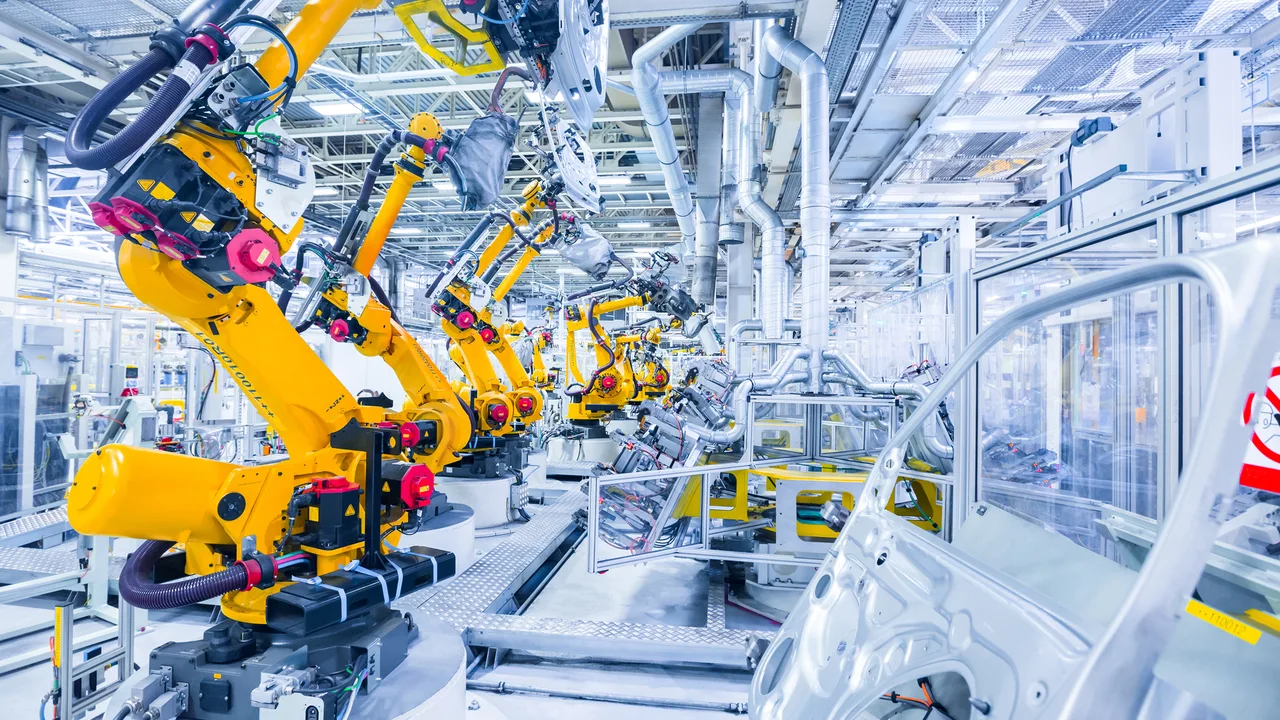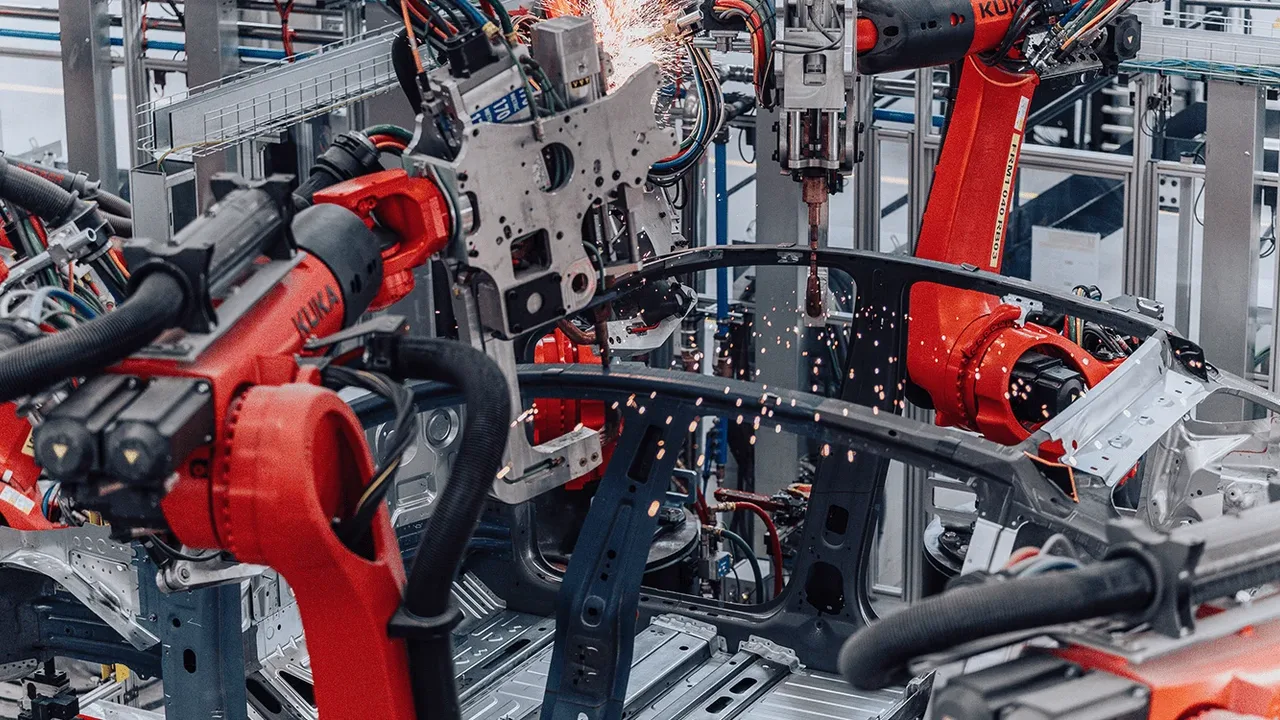
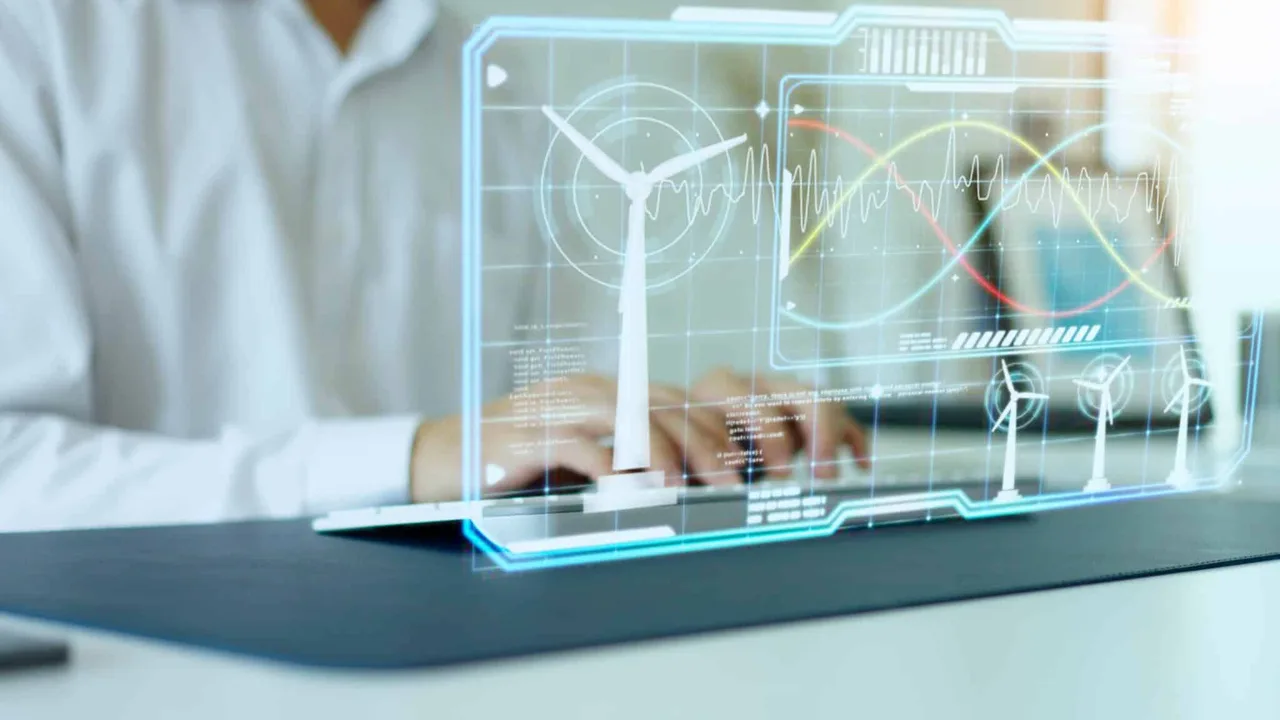
The renewable energy sector is expanding at a historic pace. Governments, corporations, and investors are pouring capital into solar farms, wind parks, battery storage systems, and smart grids. Yet growth alone is not enough. As renewable capacity increases, complexity rises alongside it. This is where ai renewable energy is transforming the landscape—turning unpredictable power sources into intelligent, optimized systems capable of meeting modern energy demands.
The Convergence of AI and Clean Power
The global push toward decarbonization has positioned renewable energy as the backbone of future infrastructure. However, solar and wind systems are inherently variable. Sunlight changes by the hour, wind speeds fluctuate by the minute, and demand spikes without warning. Traditional grid systems were not designed for this level of variability.
AI renewable energy solutions bridge that gap. By combining machine learning algorithms with real-time data analytics, energy providers can forecast output, optimize distribution, and reduce operational waste. The convergence of green tech and advanced automation systems is creating a smarter, more resilient power ecosystem.
Instead of reacting to energy fluctuations, operators can now anticipate them. This predictive capability is the defining advantage of ai renewable energy technology.
Why Renewable Energy Needs AI
The Intermittency Problem
One of the most persistent challenges in renewable energy is intermittency. Solar panels generate power only when the sun shines, and wind turbines depend on consistent airflow. Without intelligent management, these fluctuations can destabilize electrical grids.
Through ai renewable energy forecasting models, operators can analyze weather data, historical output patterns, and grid demand trends simultaneously. Machine learning systems improve their accuracy over time, often predicting solar irradiance and wind intensity hours or even days in advance. This dramatically improves planning and reduces the need for backup fossil-fuel plants.
- Short-term forecasting – Predicts hourly output for grid stability.
- Long-term modeling – Assists investment and infrastructure planning.
- Demand-response optimization – Balances supply and consumption dynamically.
By solving intermittency, ai renewable energy systems increase reliability without sacrificing sustainability.
Scaling Renewable Infrastructure
As renewable installations scale from local projects to national grids, data volumes multiply. A single wind farm can generate millions of data points daily from sensors embedded in turbines, blades, and transmission lines. Managing this manually is impossible.
This is where automation systems integrated with AI step in. Advanced analytics platforms process performance metrics in real time, identifying inefficiencies and adjusting operations automatically. The combination of green tech innovation and ai renewable energy analytics allows large-scale infrastructure to operate at peak efficiency.
For example, AI can determine which turbine in a wind farm should temporarily reduce output to prevent grid overload, or which solar array needs cleaning based on dust accumulation patterns. These micro-adjustments produce macro-level gains in energy efficiency.
AI Renewable Energy in Solar Power
Predictive Solar Forecasting
Solar energy production depends heavily on accurate weather predictions. Cloud cover, humidity, and temperature all influence output levels. Traditional forecasting methods relied on meteorological averages, which often lacked precision.
Modern ai renewable energy platforms combine satellite imagery, atmospheric models, and real-time panel performance data to produce highly accurate solar forecasts. Neural networks learn from past discrepancies, continuously refining predictions. This enables grid operators to adjust storage and distribution strategies proactively.
The impact is substantial: improved forecasting reduces curtailment, minimizes wasted capacity, and enhances grid stability.
Smart Panel Optimization
Solar farms are no longer static installations. Through green tech advancements, panels can now track the sun’s movement throughout the day. AI enhances these tracking systems by calculating the optimal tilt angle and orientation in real time.
In addition, automation systems equipped with computer vision detect cracks, shading issues, or dirt accumulation on panels. Instead of routine manual inspections, maintenance teams receive alerts only when necessary—reducing labor costs and improving uptime.
| AI Application | Primary Impact | Operational Benefit |
|---|---|---|
| Solar Forecasting Algorithms | Improved output prediction | Reduced grid instability |
| Automated Panel Tracking | Maximized sunlight exposure | Higher daily energy yield |
| Fault Detection Systems | Early anomaly detection | Lower maintenance costs |
These innovations demonstrate how ai renewable energy systems increase both productivity and cost-effectiveness in solar infrastructure.
AI Renewable Energy in Wind Energy
Turbine Performance Optimization
Wind turbines operate in constantly changing environmental conditions. Even slight adjustments in blade pitch and rotation speed can significantly influence energy output. AI-driven automation systems analyze wind speed, air density, and mechanical stress data in real time to optimize turbine performance.
Through ai renewable energy analytics, turbines can automatically adapt to fluctuating conditions. This dynamic control not only increases efficiency but also reduces wear and tear, extending equipment lifespan.
Predictive Maintenance in Wind Farms
Mechanical failures in wind turbines can be extremely costly, particularly in offshore installations. Machine learning algorithms monitor vibration patterns, temperature changes, and acoustic signals to detect anomalies before breakdowns occur.
Predictive maintenance powered by ai renewable energy tools helps operators schedule repairs during low-demand periods. This proactive strategy minimizes downtime and preserves revenue streams.
By integrating green tech principles with intelligent automation systems, wind energy operators are achieving unprecedented levels of reliability and performance.
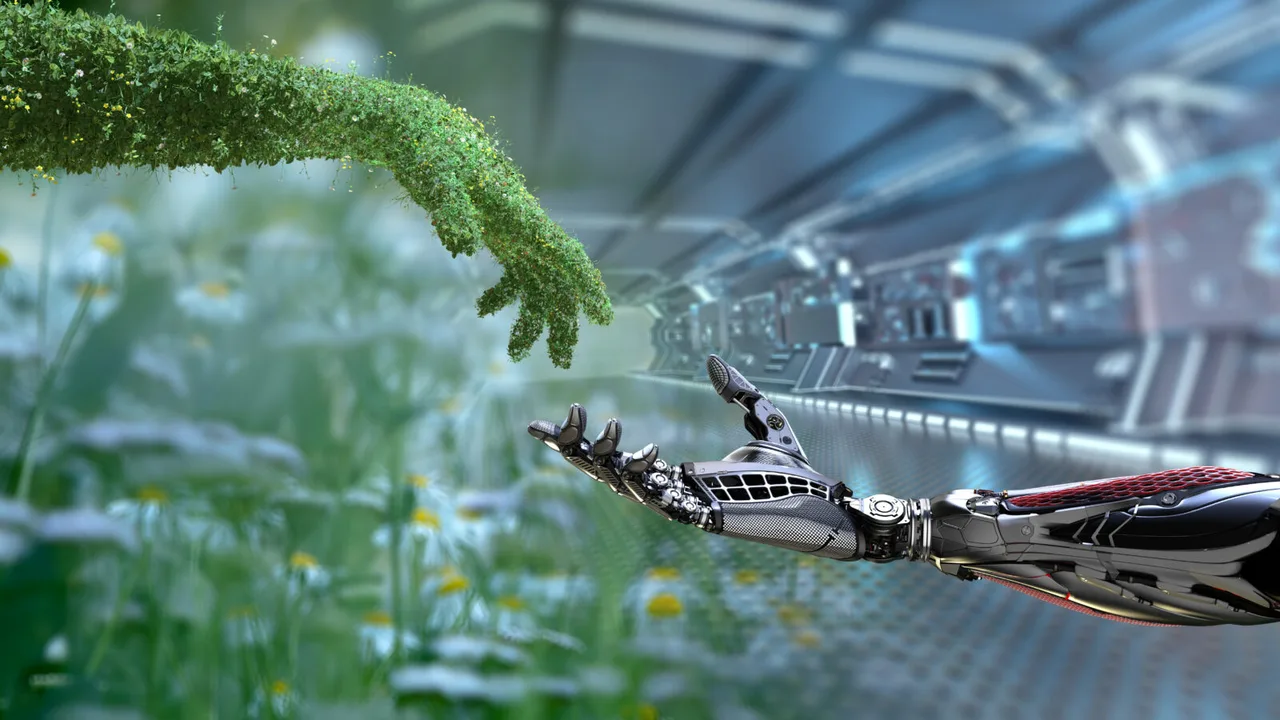
Automation Systems Powering Green Tech
Smart Grids and Energy Distribution
As renewable penetration increases, traditional grids struggle to maintain stability. Electricity supply must match demand at every second. Any imbalance can cause frequency deviations or even blackouts. This is where ai renewable energy becomes critical at the grid level.
Smart grids equipped with advanced automation systems use AI algorithms to balance supply and demand in real time. These systems analyze consumption patterns, predict peak loads, and redistribute power automatically. Instead of relying on centralized fossil-fuel plants for backup, AI enables decentralized renewable networks to coordinate efficiently.
For example, when solar output drops unexpectedly due to cloud cover, AI can instantly signal battery storage units or redirect power from nearby wind farms. This level of coordination would be impossible without intelligent green tech infrastructure.
Energy Storage Optimization
Energy storage is one of the most important pillars of the ai renewable energy revolution. Batteries ensure that excess energy produced during peak generation can be stored and redistributed later. However, storage systems themselves require precise management to avoid degradation and inefficiency.
AI-driven automation systems monitor charge cycles, temperature fluctuations, and discharge rates to maximize battery lifespan. Machine learning models determine optimal charging windows based on predicted supply-demand patterns. This reduces energy waste and improves overall system economics.
- Dynamic charge scheduling – Prevents overloading and extends battery life.
- Load forecasting integration – Aligns storage with real-time demand.
- Performance analytics – Identifies underperforming units instantly.
By optimizing storage, ai renewable energy solutions transform intermittent resources into dependable baseload contributors.
AI Renewable Energy and Sustainability Goals
Carbon Emission Reduction
The ultimate goal of renewable adoption is carbon reduction. Yet maximizing environmental impact requires more than installing turbines and panels. AI ensures that every kilowatt-hour generated from green tech sources is used efficiently.
Through predictive analytics and grid optimization, ai renewable energy reduces curtailment—when renewable output is wasted because the grid cannot absorb it. Minimizing curtailment directly lowers reliance on fossil-fuel backup plants, accelerating decarbonization.
In addition, AI supports accurate carbon accounting by tracking production data and consumption patterns. Organizations can generate transparent sustainability reports aligned with global climate standards and ESG frameworks.
Supporting ESG and Policy Compliance
Environmental, Social, and Governance (ESG) metrics increasingly shape investment decisions. Renewable operators must demonstrate measurable impact rather than theoretical capacity. AI-powered dashboards provide real-time data visualization, helping companies comply with regulatory requirements and sustainability benchmarks.
Institutions such as the International Energy Agency emphasize the importance of digitalization in accelerating clean energy transitions. AI renewable energy platforms align directly with this digital-first approach by enabling performance-based transparency.
Challenges of AI Renewable Energy Adoption
Infrastructure and Cost Barriers
Despite its advantages, implementing ai renewable energy solutions requires significant investment. Advanced sensors, cloud computing platforms, and cybersecurity frameworks add upfront costs to renewable projects. Smaller operators may struggle to justify the expenditure without long-term financing support.
Additionally, legacy infrastructure often lacks compatibility with modern automation systems. Retrofitting older grids and plants demands both capital and technical expertise. However, as green tech becomes mainstream, costs are gradually decreasing.
Cybersecurity and Data Privacy
Digitalized grids introduce new vulnerabilities. Since AI relies on real-time data transmission, systems must be protected against cyberattacks. Securing automation systems and cloud networks is now a core component of renewable energy strategy.
Operators must invest in encryption, network segmentation, and continuous monitoring to safeguard sensitive infrastructure data. Without robust cybersecurity protocols, the benefits of ai renewable energy could be compromised by operational risks.
The Future of AI Renewable Energy
Looking ahead, the trajectory of ai renewable energy points toward increasingly autonomous systems. Renewable plants may soon operate with minimal human intervention, guided by advanced machine learning models capable of self-optimization.
Emerging trends include:
- AI-controlled microgrids serving remote communities.
- Autonomous wind and solar farms with self-healing automation systems.
- Vehicle-to-grid integration where electric vehicles function as distributed storage units.
- Global predictive energy trading powered by AI market analytics.
As computing power increases and datasets expand, green tech innovation will accelerate. The synergy between automation systems and renewable infrastructure will likely define the next decade of energy development.
A Smarter Path to Clean Energy
The renewable energy transition is not solely about replacing fossil fuels; it is about reengineering how power systems operate. AI renewable energy technologies are transforming solar farms, wind parks, storage systems, and smart grids into intelligent ecosystems capable of anticipating demand and optimizing supply.
By combining green tech advancements with advanced automation systems, the industry is moving toward a cleaner, more resilient energy future. The integration of AI does not replace renewable infrastructure—it empowers it. Those who invest in ai renewable energy today are not only improving operational efficiency but also accelerating the global path toward sustainability.