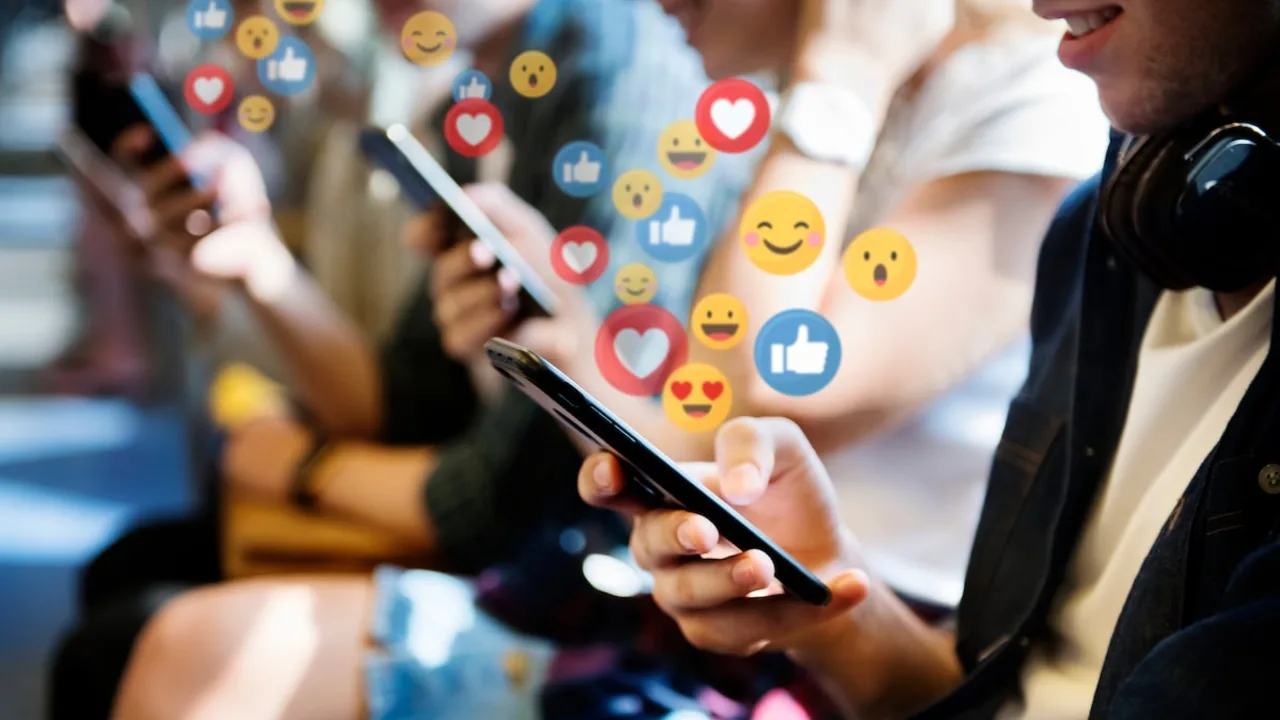
In 2026, work life balance is no longer a trendy lifestyle—it’s a survival skill. The lines between professional and personal life have blurred more than ever. Remote work, hybrid schedules, AI-powered productivity tools, and global collaboration have redefined what it means to “leave the office.” For many professionals, the office now lives inside their phones.
Yet despite all the technological advances meant to improve efficiency, burnout rates continue to rise. The paradox is clear: we have better tools for time management, yet we feel more overwhelmed. We talk openly about mental health, yet struggle to protect it. So what’s missing?
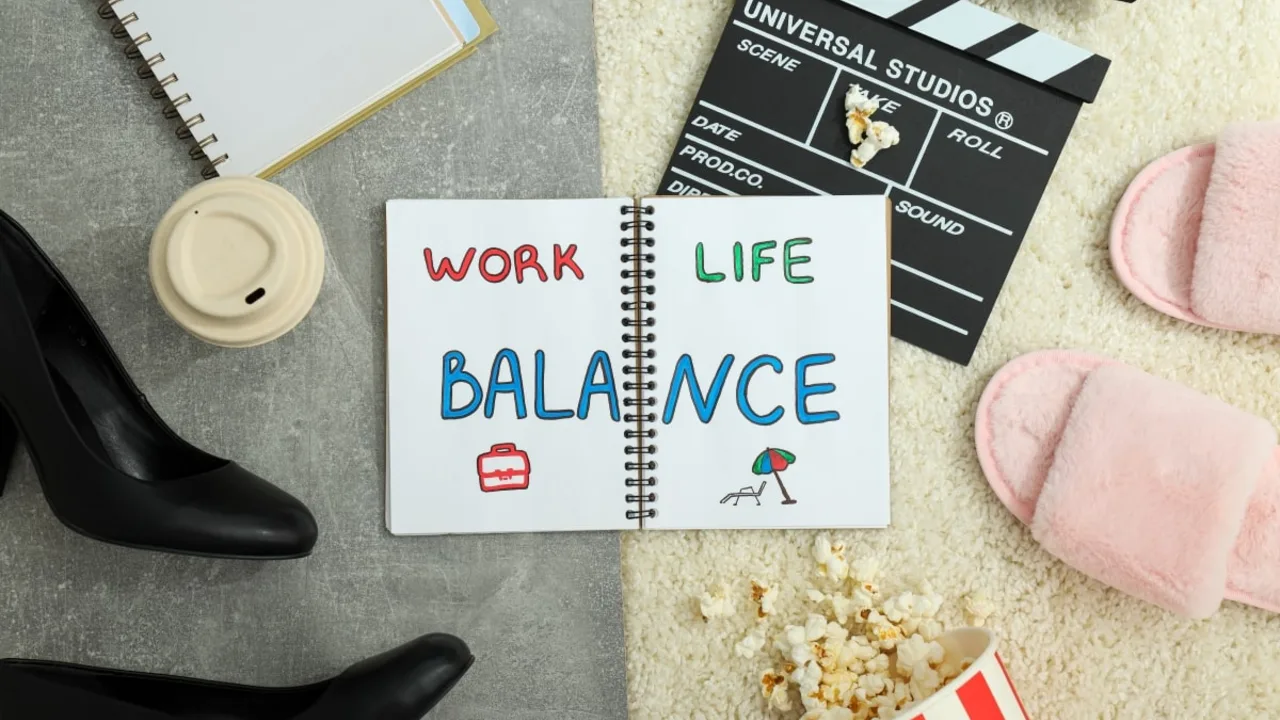
The truth is simple but uncomfortable: work life balance in 2026 is not about dividing hours evenly. It’s about designing a system that protects energy, priorities, and long-term well-being.
Why Work Life Balance Feels Harder Than Ever
Ten years ago, balance often meant clocking out at 5 PM. Today, messages arrive across time zones. Meetings happen virtually. Projects move continuously. The expectation to be available—sometimes subtly, sometimes explicitly—never truly disappears.
This “always-on” culture has reshaped how we define productivity. Instead of measuring output, many workplaces measure responsiveness. Quick replies, constant updates, and visible online presence have become proxies for performance. But constant availability is not the same as effectiveness.
As a result, work life balance has become more psychological than logistical. Even when physically at home, many professionals remain mentally at work. This constant cognitive load impacts mental health, creativity, and long-term performance.
The Evolution of Work Life Balance
From 9–5 Jobs to an Always-On Culture
The traditional 9–5 structure once provided a clear boundary. Work happened in one place; life happened elsewhere. In 2026, that boundary is fluid. Freelancing, side hustles, remote contracts, and digital entrepreneurship have made flexibility possible—but flexibility without structure often becomes chaos.
Hustle culture once celebrated overwork as ambition. Long hours were worn like badges of honor. But today’s workforce increasingly understands that chronic stress damages both productivity and mental health. Burnout no longer signals dedication; it signals misalignment.
This cultural shift has made work life balance a central theme in career conversations. Employees evaluate companies based on flexibility policies. Leaders are expected to model healthy boundaries. Balance is no longer optional—it’s strategic.
The Role of Technology in Time Management
Ironically, technology both solves and creates imbalance. Productivity apps promise better time management. AI scheduling assistants eliminate calendar conflicts. Task managers streamline workflow. Yet constant notifications fragment attention.
Effective time management in 2026 requires intentional digital boundaries. Tools should support focus, not compete for it. For example:
- Blocking “deep work” hours without notifications.
- Automating repetitive tasks to protect creative energy.
- Scheduling email review windows instead of constant checking.
When used wisely, technology strengthens work life balance. When used passively, it erodes it.
The Mental Health Factor in 2026
Burnout Is No Longer a Badge of Honor
Organizations increasingly recognize that protecting mental health improves performance. Studies consistently show that employees who maintain strong work life balance demonstrate higher engagement, lower absenteeism, and greater innovation.
In 2026, mental health support is no longer hidden in HR manuals. Many companies offer therapy stipends, mental health days, and flexible schedules. But corporate policy alone cannot create balance. Individuals must design systems that prioritize psychological recovery.
Ignoring mental health for short-term output often leads to long-term decline. Fatigue reduces decision-making quality. Chronic stress affects sleep. Creativity diminishes under constant pressure. Sustainable success requires balance, not burnout.
Boundaries as a Mental Health Strategy
Healthy boundaries are the foundation of work life balance. They define when work ends and personal time begins—even if both happen in the same physical space.
Practical boundary strategies include:
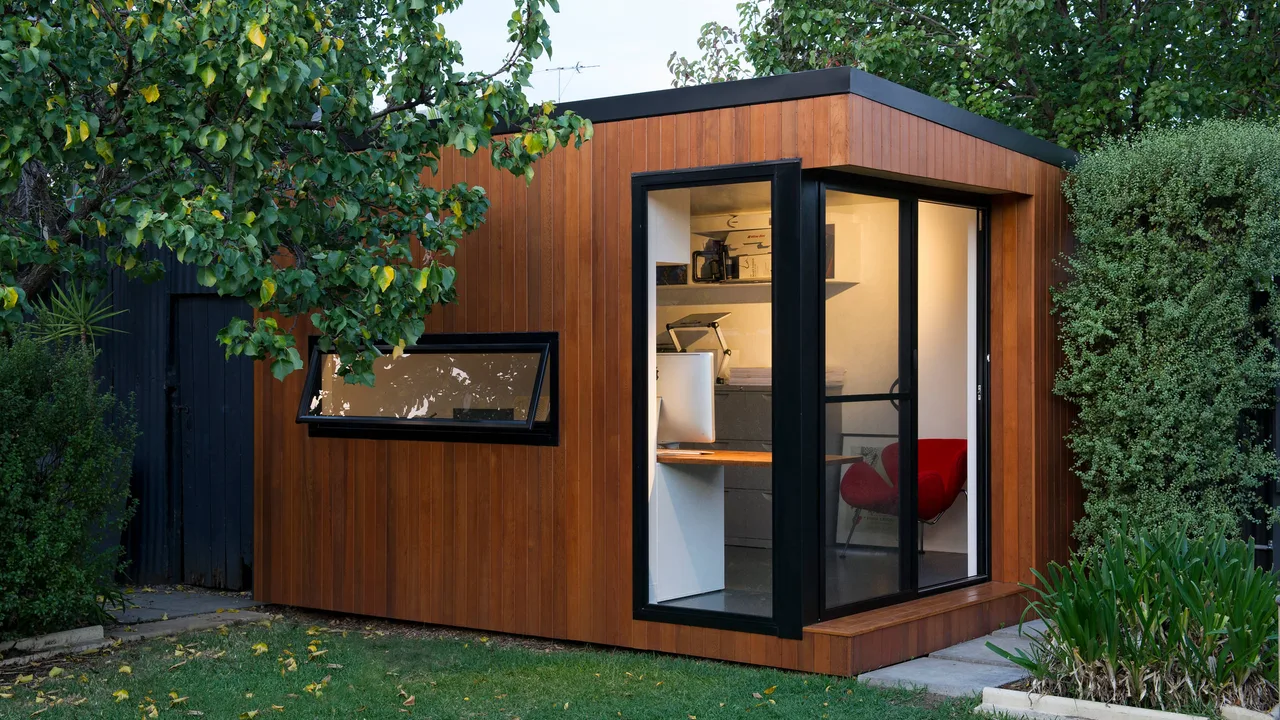
- Creating a physical “work zone” at home and leaving it at a set hour.
- Turning off notifications after designated work hours.
- Communicating availability clearly to colleagues.
These habits may seem small, but they protect cognitive energy. And energy—not time—is the true currency of balance in 2026.
The Real Secret: Redefining Work Life Balance
Work Life Balance Is About Energy, Not Hours
The biggest misconception about work life balance is that it means equal time for work and personal life. In reality, balance is dynamic. Some weeks demand more professional focus; others require personal attention. The key is alignment.
Instead of obsessing over equal hours, professionals in 2026 prioritize energy management. They schedule demanding tasks during peak focus windows. They protect recovery periods. They treat rest as an investment rather than a reward.
This shift transforms time management into strategic energy allocation. When work aligns with natural rhythms, productivity improves without sacrificing mental health.
Balance, then, becomes less about rigid schedules and more about intentional design. It’s not about working less—it’s about working smarter while protecting the parts of life that truly matter.

The 2026 Work Life Balance Framework
Old Model vs. 2026 Model
To understand how work life balance has evolved, it helps to compare outdated assumptions with the mindset professionals are adopting in 2026.
| Old Model | 2026 Model |
|---|---|
| Balance means equal hours | Balance means aligned energy and priorities |
| Time management = filling the calendar | Time management = protecting focus blocks |
| Success = constant availability | Success = sustainable performance |
| Rest is earned after burnout | Rest is scheduled to protect mental health |
The new framework centers around three pillars: clarity, protection, and recovery. When these pillars are strong, work life balance becomes realistic instead of aspirational.
Pillar 1: Clarity of Priorities
Without clear priorities, time management systems collapse. In 2026, professionals who maintain strong work life balance define what truly matters in three categories:
- Career impact: What projects move the needle?
- Personal growth: What strengthens skills or creativity?
- Mental health: What restores energy?
When these priorities are written down and reviewed weekly, decision-making becomes easier. Opportunities that don’t align can be declined without guilt.
Pillar 2: Protection of Focus
Modern time management is less about doing more and more about protecting fewer, deeper tasks. In practice, this means:
- Scheduling 90-minute deep work sessions.
- Grouping meetings into specific days.
- Eliminating low-impact digital distractions.
This approach strengthens work life balance because high-quality output reduces the need for overtime. When focus improves, productivity rises without sacrificing evenings or weekends.
Pillar 3: Recovery as Strategy
Recovery is no longer treated as laziness. In 2026, recovery is performance maintenance. Protecting mental health requires daily and weekly recovery rituals:
- 10-minute walks between tasks.
- Phone-free dinners.
- One fully disconnected day per week.
These small rituals prevent cumulative stress. Over time, they compound into sustainable energy.
Practical Strategies That Actually Work
Designing a Strong Morning Routine
The first hour of the day sets the tone for work life balance. Instead of reacting to notifications, successful professionals in 2026 start with intention:
- Review top three priorities.
- Block time for the most cognitively demanding task.
- Delay email and social media consumption.
This protects mental clarity and ensures that the day begins proactively rather than reactively.
Reclaiming Evenings and Weekends
Work life balance improves dramatically when evenings are protected. Clear “shutdown rituals” signal the end of the workday. For example:
- Writing a short plan for tomorrow before logging off.
- Closing all work-related tabs and apps.
- Physically stepping away from the workspace.
These habits reduce rumination, which is one of the hidden drivers of poor mental health. Even when workloads are heavy, protecting at least part of the weekend for genuine rest maintains long-term resilience.
Micro Habits That Strengthen Mental Health
Big changes often fail. Micro habits sustain balance. A few examples that reinforce work life balance include:
- Two minutes of breathing exercises before meetings.
- A short gratitude journal entry at night.
- Standing or stretching every hour.
These practices may appear simple, but consistency amplifies their impact. Over time, they improve focus, mood, and cognitive endurance.
Redefining Success in 2026
Productivity Without Sacrificing Mental Health
In previous decades, ambition often required personal sacrifice. In 2026, leaders increasingly recognize that productivity without work life balance leads to diminishing returns. Creative industries, technology firms, and even corporate enterprises now measure sustainable performance rather than raw hours logged.
When time management supports mental health instead of undermining it, employees think more clearly, collaborate more effectively, and innovate more confidently.
Work Life Balance as a Growth Strategy
Perhaps the greatest shift is recognizing that work life balance is not a limitation—it is a growth strategy. Rest fuels creativity. Boundaries sharpen focus. Strategic time management reduces wasted effort. Mental health stability strengthens leadership capacity.
Professionals who treat balance as intentional design outperform those who rely on endurance alone. In a fast-moving world, stamina comes from sustainability.
Balance Is Not Equal, It’s Intentional
The secret to work life balance in 2026 is not perfection. It is awareness. It is choosing alignment over chaos. It is designing systems that protect energy, clarify priorities, and support mental health through smart time management.
Balance will never mean equal hours every day. Some seasons will demand more. Others will invite rest. What matters is intentional recalibration. When professionals treat work life balance as a dynamic system rather than a rigid rule, they unlock both performance and fulfillment.
In 2026 and beyond, success belongs to those who understand that ambition and well-being are not opposites—they are partners.