In recent years, the way people define happiness and success has shifted dramatically. Instead of filling their homes with objects, many are choosing to fill their lives with memories. The rise of the experience economy marks a cultural evolution—one where value is no longer measured by possessions but by the quality of our experiences. From travel and dining to concerts and wellness retreats, consumers are investing more in moments that inspire joy and connection rather than items that collect dust.
The Shift from Possessions to Experiences
The desire to own more has long been a cornerstone of consumer culture. However, a growing number of people now believe that less is more. Fueled by social awareness, environmental concerns, and changing consumer trends, a new kind of economy has emerged—one centered on experiences. In this shift, happiness is measured not by the number of products one owns but by the stories they can tell.
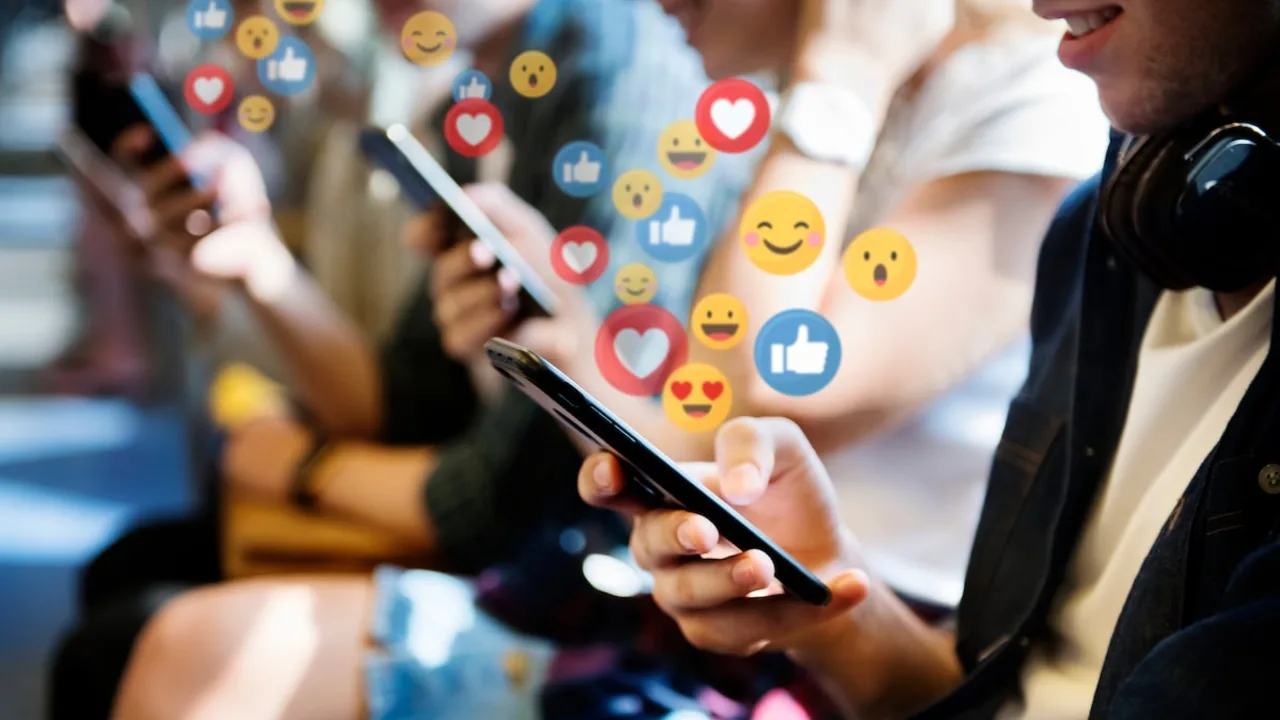
Social media platforms have also accelerated this transition. The digital age has turned experiences into a form of social currency—captured in photos, shared with followers, and symbolizing a life well-lived. It’s not just about status anymore; it’s about connection, identity, and authenticity. The result is a world where experiences are not only more desirable but also more meaningful than things.
Understanding the Experience Economy
What Is the Experience Economy?
The concept of the experience economy was first introduced in the late 1990s, describing a shift where businesses move beyond selling products or services to offering memorable experiences. Today, it’s the backbone of entire industries—from travel and entertainment to wellness and virtual events. Whether it’s a yoga retreat in Bali, an immersive art installation, or a curated cooking class, consumers crave moments that stimulate emotion and creativity.
Unlike the material economy, where value lies in ownership, the experience economy thrives on participation. A dinner at a local restaurant becomes more valuable than a new kitchen appliance because it connects people through shared enjoyment and memory. The emotional resonance of these experiences makes them irreplaceable—and that’s where their true value lies.
The Emotional Value of Experiences
Research consistently shows that experiences bring longer-lasting happiness than physical possessions. A new phone might excite us for a few weeks, but a meaningful trip or concert can create joy that endures for years. This is because experiences contribute to our identity—they become part of who we are. Memories of a sunrise hike or a family vacation remain vivid long after material goods lose their charm.
Experiences also foster social bonds. Sharing an adventure strengthens relationships and creates a sense of belonging. In this way, spending on experiences contributes not only to personal fulfillment but also to community and connection—two things that material goods can rarely provide.
The Decline of Material Ownership
From Possession to Participation
Generational shifts are a major force behind the declining appeal of ownership. Millennials and Gen Z, raised in a digital and globalized world, prioritize flexibility and access over permanence. Streaming platforms, ride-sharing services, and subscription models exemplify this trend—why own when you can access what you need, when you need it?
This mindset reflects a deeper cultural change. People are beginning to see possessions as burdens rather than assets. The upkeep, maintenance, and emotional weight of owning too much have led to a collective craving for simplicity. In a world of constant movement and digital connectivity, owning less often means living more freely.
Minimalism as a Lifestyle Philosophy
At the heart of this cultural shift is minimalism—a philosophy that challenges the obsession with material wealth. Minimalism encourages people to live intentionally, choosing quality over quantity and focusing on what truly adds value to their lives. For many, it’s not about deprivation but liberation—the freedom to focus on experiences, creativity, and relationships.
Minimalism’s influence stretches beyond interior design and wardrobe choices. It has reshaped consumer trends, inspiring people to spend their money on learning, travel, and self-improvement rather than clutter. Even companies have begun adapting, offering digital services and experiential marketing instead of pushing endless product lines.
Consumer Trends Driving the Experience Economy
The Role of Technology and Social Media
Technology has been the biggest enabler of the experience economy. Smartphones and social platforms allow users to document their experiences, transforming them into shareable stories. A night at a rooftop bar or a weekend road trip becomes not just a memory but content—proof of a lifestyle aligned with authenticity and freedom.
Social networks have also created new social norms: experiences are the new luxury. Instead of flaunting designer bags, people now showcase skydiving adventures or cultural excursions. The rise of digital storytelling has blurred the line between real life and curated experiences, making even small moments—like a morning coffee ritual—worthy of celebration.
Economic and Cultural Drivers
Beyond technology, economic shifts have also shaped the desire for experiences. After global events like the pandemic, many individuals reevaluated their priorities. Time, health, and emotional well-being became more valuable than material gain. As disposable income returned, people preferred to invest in connection and self-growth rather than accumulation.
At the same time, sustainability movements and minimalism encourage conscious consumption. Owning fewer things reduces waste and supports eco-friendly living, aligning perfectly with the values of younger generations. The experience economy isn’t just about spending differently—it’s about living more meaningfully.
The Business Side of Experiences
How Brands Adapt to the Experience Economy
Businesses around the world are rethinking their strategies to align with the experience economy. Companies are realizing that emotional engagement drives loyalty far more effectively than product discounts. For example, Apple transformed its stores into interactive learning spaces, and brands like Lululemon host yoga sessions and mindfulness events instead of traditional marketing.
What makes these experiences powerful is that they connect brands with people on a human level. It’s no longer about selling a product; it’s about facilitating a moment. Companies that understand this are thriving because they create environments that customers want to be part of—not just purchase from.
As highlighted in research from the Harvard Business Review, businesses that integrate experiential strategies see stronger emotional bonds and higher long-term customer retention. The focus has shifted from delivering value to delivering meaning.
Designing Experiences That Matter
Authenticity as the New Luxury
In the age of the experience economy, authenticity has become the ultimate currency. Consumers are no longer impressed by flashy marketing or exaggerated promises—they seek brands and activities that align with their personal values. A small café that hosts community art nights can be more appealing than a global chain because it offers connection and meaning. This pursuit of authenticity reflects a cultural shift toward experiences that feel real, grounded, and emotionally fulfilling.
Today’s customers also value participation over passive consumption. They want to co-create experiences—through workshops, interactive events, or digital engagement. When a brand invites people to be part of its story, it transforms a transaction into a shared moment. That sense of belonging builds trust and long-term loyalty in ways traditional advertising never could.
Building Emotional Engagement Through Design
Design plays a crucial role in how people experience the world. Every sensory detail—lighting, sound, texture, or even scent—contributes to memory formation. In architecture, hospitality, and retail, experiential design has become a defining principle. Spaces are now curated not just for aesthetics but for feeling. When people step into a well-designed environment, they should instantly sense its story and purpose.
Businesses that master this form of emotional design understand that it’s not about selling a product, but about creating a moment of resonance. Whether it’s a boutique hotel that customizes guest experiences or an app that tailors playlists to mood, personalization is the heart of modern consumer trends.
The Minimalist Future — Less Stuff, More Meaning
Redefining Success and Happiness
As the lines between work, home, and leisure blur, many people are redefining what success looks like. Instead of equating wealth with possessions, they associate it with freedom—the ability to choose how they spend their time and energy. Minimalism reinforces this idea by stripping away what’s unnecessary and leaving room for purpose.
Living with less allows for greater focus on experiences that truly matter: spending time with family, exploring creativity, or nurturing health. The experience economy aligns perfectly with this mindset, promoting a lifestyle where fulfillment comes from connection and growth rather than accumulation.
Challenges of the Experience Economy
However, the rise of experience-driven living is not without pitfalls. The same social media culture that popularized experiences can also distort them. When every adventure becomes a post, authenticity risks being replaced by performance. The “bucket list” mentality can pressure people to chase experiences for validation rather than enjoyment.
Additionally, not all experiences are accessible or sustainable. Luxury travel, wellness retreats, and exclusive events often cater to higher-income groups, raising questions about inclusivity. For the experience economy to remain meaningful, it must embrace balance—valuing both local, everyday experiences and grand adventures alike.
Economic and Cultural Ripple Effects
How Experience Shapes Local Economies
The shift toward experiences has revitalized local economies around the world. Small businesses that offer personalized or artisanal services—craft workshops, farm-to-table restaurants, cultural tours—are thriving. These enterprises contribute to community identity while promoting sustainability. By supporting experiences rooted in place and people, consumers help build more resilient economies and preserve local culture.
From Material Waste to Emotional Wealth
In contrast to traditional consumerism, which often leads to overproduction and waste, the experience economy fosters a more sustainable model of growth. When people spend money on activities instead of goods, there’s less environmental impact from manufacturing and shipping. Experiences also generate emotional wealth—memories, relationships, and personal growth—that enrich lives without depleting resources.
This subtle but powerful shift demonstrates that prosperity in the 21st century is no longer measured by possessions but by fulfillment. The goal is not to own more but to live more.
Conclusion
As global consumer trends evolve, one truth stands out: the things we own matter far less than the moments we experience. The experience economy embodies this realization by redefining value through meaning, connection, and authenticity. People are no longer chasing luxury in the form of objects—they’re pursuing it in the form of memories.
Minimalism and conscious consumption continue to guide this evolution, encouraging us to invest in what truly brings joy. In a world overwhelmed by choice and noise, the ability to live simply and experience deeply has become a rare and valuable form of wealth.
Ultimately, the shift from materialism to experiences represents more than an economic trend—it’s a human one. It reminds us that happiness doesn’t come from what we own, but from the life we live and the moments we share.