The explosive growth of e-commerce has reshaped global supply chains at an unprecedented pace. Companies like Amazon and Alibaba are no longer simply online marketplaces—they are logistics powerhouses operating massive fulfillment ecosystems. At the heart of this transformation lies mega warehouse engineering, a discipline that merges structural innovation, automation, and advanced logistics design to handle millions of orders daily.
These mega warehouses are not ordinary storage buildings. They are high-performance industrial machines designed to move products with extreme efficiency. From towering racking systems to robotic picking networks, every element is carefully calculated. Behind their seamless operations stands a foundation of sophisticated steel warehouse structure systems and precision-engineered layouts.
The Rise of the Mega Warehouse Era
Consumer expectations have changed dramatically. Same-day and next-day delivery are now standard in many regions. To meet this demand, global retailers must process, sort, and dispatch goods at lightning speed. Traditional warehouses—designed primarily for storage—cannot sustain this operational intensity.
This is where mega warehouse engineering enters the picture. Instead of focusing solely on storage capacity, modern fulfillment centers prioritize movement efficiency, automation compatibility, and scalability. Facilities often exceed one million square feet, with multi-level layouts and vertical storage systems reaching impressive heights.
Amazon’s fulfillment centers and Alibaba’s smart logistics hubs illustrate how logistics design has evolved into a strategic engineering discipline. Every square meter is optimized to minimize walking distances, streamline picking routes, and synchronize inbound and outbound flows.
What Defines Mega Warehouse Engineering?
Scale, Speed, and Structural Complexity
The defining characteristic of mega warehouse engineering is scale. These facilities can cover areas equivalent to dozens of football fields. Yet size alone is not the key factor—speed and coordination are equally critical.
Structural planning must account for:
- High-clearance vertical racking systems
- Multi-tier mezzanine floors
- Heavy robotic equipment loads
- Continuous forklift and conveyor traffic
Unlike conventional storage facilities, mega warehouses function as dynamic logistics environments. Structural grids must allow for flexible reconfiguration as inventory demands evolve.
Logistics Design as the Core Blueprint
Effective logistics design sits at the center of mega warehouse engineering. Engineers divide facilities into specialized operational zones:
| Zone | Function | Engineering Focus |
|---|---|---|
| Receiving | Inbound goods processing | Dock alignment & load distribution |
| Storage | Inventory organization | Vertical capacity optimization |
| Picking | Order retrieval | Minimized travel paths |
| Packing & Dispatch | Outbound shipment | Conveyor flow efficiency |
Through advanced logistics design, engineers reduce bottlenecks and ensure that products flow seamlessly from arrival to dispatch. Algorithms and simulation tools help model movement patterns before construction even begins.
Structural Backbone — Steel Warehouse Structure
Why Steel Is the Preferred Material
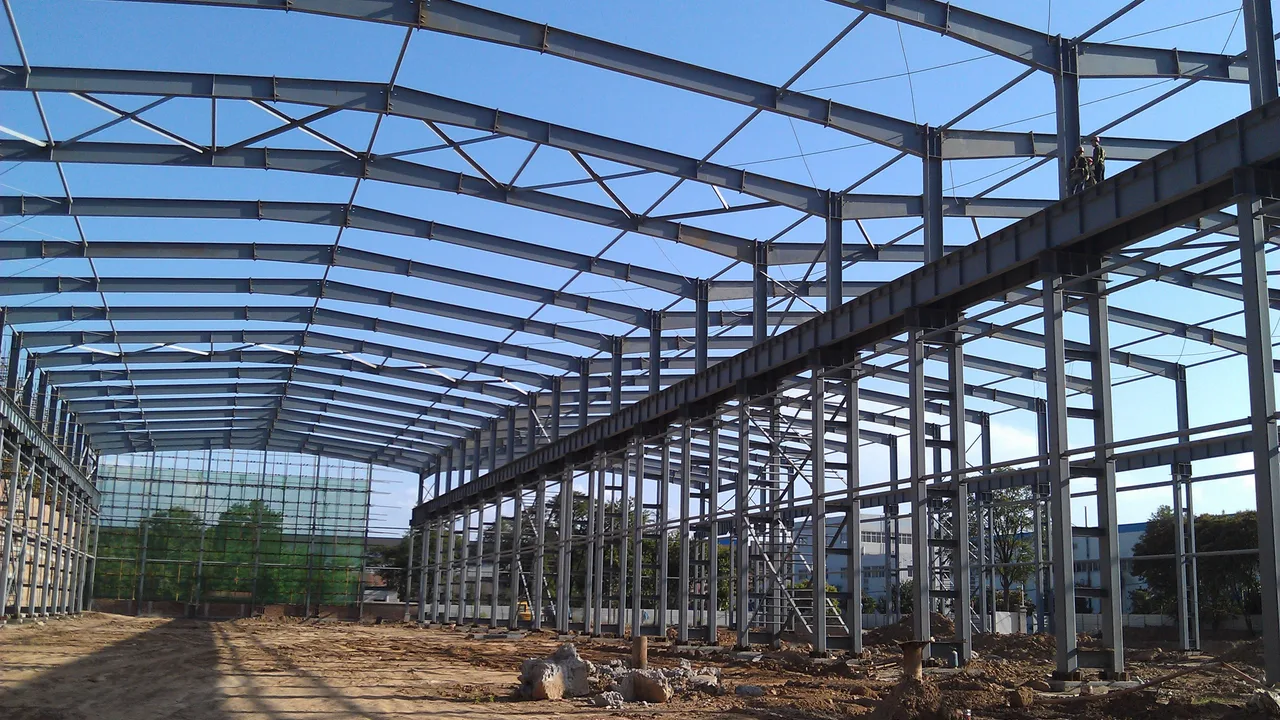
At the heart of mega warehouse engineering lies the structural framework. Steel remains the dominant material due to its durability, flexibility, and load-bearing capacity. Large open spans are essential to accommodate automation systems and tall racking units.
A well-designed steel warehouse structure offers:
- High strength-to-weight ratio
- Resistance to wind and seismic forces
- Rapid construction timelines
- Future expansion adaptability
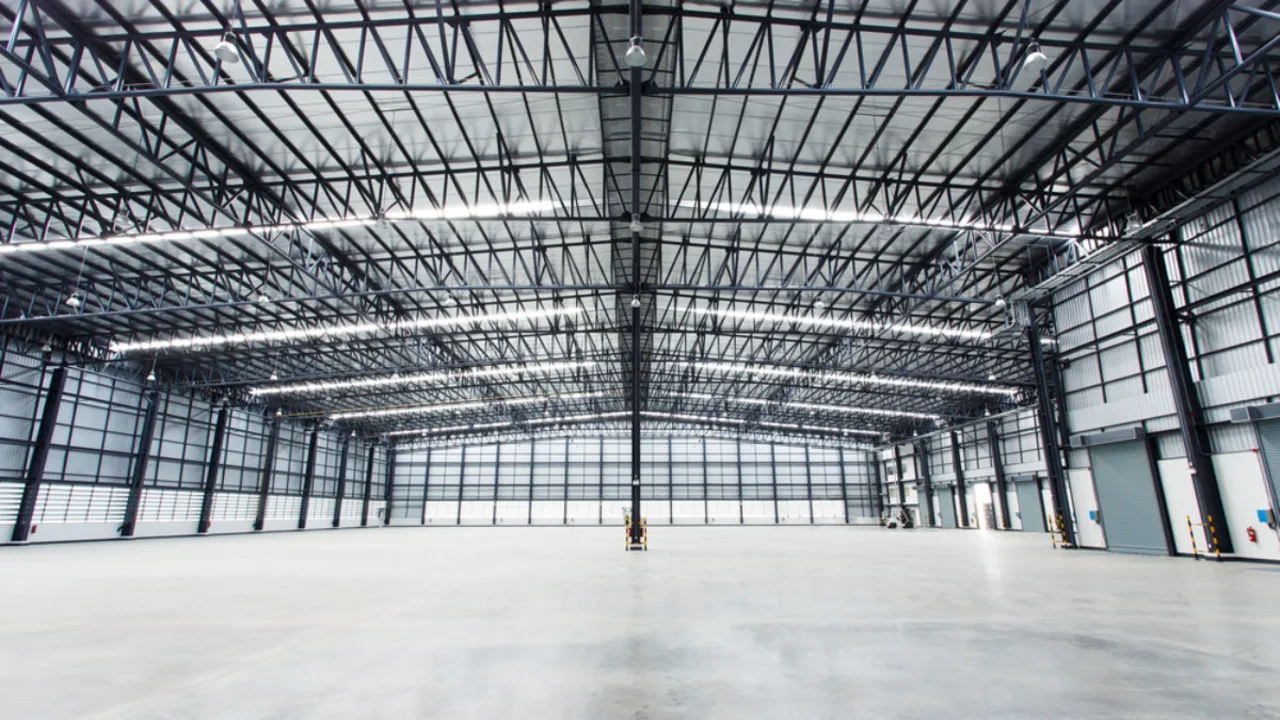
Steel allows engineers to create column-free spaces that maximize usable floor area. This is crucial for robotics and automated storage systems that require uninterrupted movement paths.
Designing a High-Performance Steel Warehouse Structure
Modern mega warehouse engineering integrates structural and operational considerations simultaneously. Long-span steel frames reduce interior obstructions. Mezzanine levels increase vertical capacity without expanding the building footprint. Reinforced flooring systems support heavy pallet loads and robotic traffic.
For industrial developers seeking optimized structural solutions, specialized providers of steel structure warehouse systems play a critical role. These engineered frameworks are designed to handle large-scale logistics demands while maintaining durability and cost efficiency.
Structural calculations must also consider:
- Dynamic loads from conveyor systems
- Seismic reinforcement requirements
- Thermal expansion management
- Fire-resistant coatings and suppression integration
By aligning structural engineering with logistics design, mega warehouse engineering ensures that the building itself becomes an enabler of operational excellence.
Automation and Robotics in Mega Warehouse Engineering
Automated Storage and Retrieval Systems (AS/RS)
Automation defines the operational core of mega warehouses. Automated Storage and Retrieval Systems (AS/RS) allow goods to be stored and retrieved using robotic shuttles and cranes. These systems rely heavily on precise structural alignment within the steel warehouse structure.
Vertical stacking solutions maximize cubic storage capacity. Robotic pickers reduce human walking distances and improve order accuracy. Conveyor intelligence synchronizes movement across zones.
Automation adoption in fulfillment centers continues to accelerate as e-commerce volumes increase. This trend reinforces the strategic importance of integrating robotics into mega warehouse engineering from the initial design phase.
AI-Driven Workflow Optimization
Artificial intelligence enhances mega warehouse engineering by predicting demand patterns and optimizing inventory placement. Products with higher turnover rates are positioned closer to dispatch zones, minimizing travel time.
AI systems analyze millions of data points daily, refining logistics design and improving throughput efficiency. This combination of structural precision and digital intelligence allows Amazon and Alibaba to handle massive order volumes with remarkable reliability.
Logistics Design for Speed and Efficiency
Layout Optimization
In mega warehouse engineering, layout is everything. Even a few extra meters in travel distance can multiply into hours of lost productivity when scaled across thousands of daily orders. Advanced logistics design minimizes friction by organizing product zones based on demand frequency and order patterns.
High-turnover items are strategically placed closer to packing and dispatch areas, while slower-moving inventory occupies higher or more distant rack positions. This zoning strategy ensures that robotic pickers and human operators move efficiently within the steel warehouse structure without unnecessary congestion.
Smart routing algorithms further optimize flow. Conveyor belts, automated guided vehicles (AGVs), and robotic shuttles operate on synchronized pathways calculated through simulation modeling before construction begins. Mega warehouse engineering relies heavily on these predictive models to eliminate bottlenecks.
Sustainability in Mega Warehouses
Modern mega warehouse engineering also integrates sustainability into structural and operational planning. Large rooftop areas provide ideal conditions for solar panel installations, significantly reducing operational energy costs.
Energy-efficient LED systems illuminate vast interiors while minimizing consumption. High-performance insulation and climate zoning improve temperature control within the steel warehouse structure. These enhancements not only reduce environmental impact but also stabilize operational expenses over time.
Efficient logistics design contributes to sustainability as well. Shorter travel distances reduce equipment wear, lower electricity use, and decrease maintenance frequency.
Engineering Challenges in Mega Warehouses
Load Distribution and Structural Stress
The scale of operations within Amazon and Alibaba facilities introduces complex structural challenges. Heavy pallet racks can extend dozens of meters high, placing concentrated loads on flooring systems. Forklift traffic, robotic movement, and conveyor vibration generate dynamic stresses that must be accounted for in mega warehouse engineering calculations.
Engineers reinforce floor slabs and foundation systems to withstand continuous heavy-duty use. Structural grids are designed to distribute loads evenly across the steel warehouse structure, preventing localized fatigue or settlement.
- High-capacity concrete slabs with reinforced steel mesh
- Seismic bracing for tall racking systems
- Wind-load resistance for expansive wall panels
- Integrated fire suppression infrastructure
Without precise structural planning, operational efficiency would quickly compromise long-term durability.
Climate Control and Ventilation
Maintaining consistent internal conditions in facilities spanning hundreds of thousands of square meters is another major challenge in mega warehouse engineering. Climate zoning ensures that temperature-sensitive goods remain protected while minimizing energy waste.
Ventilation systems are engineered to circulate air efficiently across high-ceiling environments. Smoke extraction and fire safety systems must integrate seamlessly with the steel warehouse structure, ensuring compliance with strict industrial safety regulations.
Case Insights — Amazon vs Alibaba Engineering Models
While both Amazon and Alibaba rely on advanced mega warehouse engineering, their approaches differ slightly based on regional strategy and infrastructure ecosystems.
Amazon tends to prioritize robotics-intensive fulfillment centers in North America and Europe. Facilities often feature thousands of mobile robots transporting shelves directly to human operators. This model reduces walking distance and increases picking speed.
Alibaba, through its Cainiao logistics network, emphasizes smart logistics design integrated with regional distribution hubs. In densely populated urban centers, vertical warehouse configurations maximize land efficiency.
Both companies depend heavily on steel warehouse structure systems capable of supporting automation density and rapid scaling. The difference lies primarily in operational algorithms and regional adaptation strategies rather than structural fundamentals.
The Future of Mega Warehouse Engineering
Fully Autonomous Facilities
The next frontier of mega warehouse engineering is full autonomy. Drone-based inventory scanning, AI-managed workflow systems, and predictive maintenance platforms are already being tested in advanced fulfillment centers.
Autonomous guided vehicles may eventually replace most manual material handling, operating continuously within optimized logistics design frameworks. As artificial intelligence evolves, mega warehouse engineering will shift further toward self-regulating systems.
Modular Steel Warehouse Structure Expansion
Scalability remains a defining requirement. Modular expansion strategies allow companies to add new sections to existing facilities without interrupting operations. Flexible steel warehouse structure systems make such expansions feasible.
Pre-engineered structural components accelerate construction timelines, enabling rapid deployment in emerging markets. This modular approach ensures that mega warehouse engineering adapts quickly to fluctuating e-commerce demand.
Engineering the Backbone of Global E-Commerce
The success of Amazon and Alibaba is not powered by software alone—it is built upon sophisticated mega warehouse engineering. Through advanced logistics design, high-performance steel warehouse structure systems, and robotics integration, these companies have transformed warehousing into a high-speed industrial science.
As global commerce continues to accelerate, the demand for smarter, stronger, and more scalable fulfillment centers will only grow. Mega warehouse engineering stands at the center of this transformation—quietly supporting the infrastructure that keeps global supply chains moving.