The global industrial map is shifting once again. After decades of concentration in a handful of dominant economies, production lines are expanding across Asia, Africa, and Latin America. Analysts tracking manufacturing trends 2026 are observing a decisive movement: the Global South is no longer just a source of raw materials—it is rapidly becoming a center of advanced production and industrial innovation.
A Shift in Global Industrial Power
Over the past few years, supply chain disruptions, geopolitical tensions, and rising labor costs have forced multinational corporations to rethink their production strategies. The conversation around manufacturing trends 2026 now revolves around diversification, resilience, and long-term stability. Companies are spreading operations across multiple countries rather than relying heavily on a single manufacturing hub.
This shift has created unprecedented opportunities for emerging industry ecosystems in the Global South. Nations that were once peripheral to global production networks are investing in industrial zones, logistics corridors, and smart manufacturing systems. The result is not merely relocation—but structural transformation.
Understanding Manufacturing Trends 2026
Post-Pandemic Supply Chain Realignment
Global supply chains experienced severe bottlenecks during the pandemic. Shipping delays, material shortages, and rising transportation costs exposed vulnerabilities in centralized production models. In response, businesses began pursuing nearshoring, reshoring, and “friend-shoring” strategies to minimize risk.
Under manufacturing trends 2026, diversification is the dominant theme. Instead of moving everything back to developed economies, companies are building multi-country production networks that balance cost efficiency with political stability. This approach strengthens regional integration while promoting production growth across emerging markets.
Technology as an Equalizer
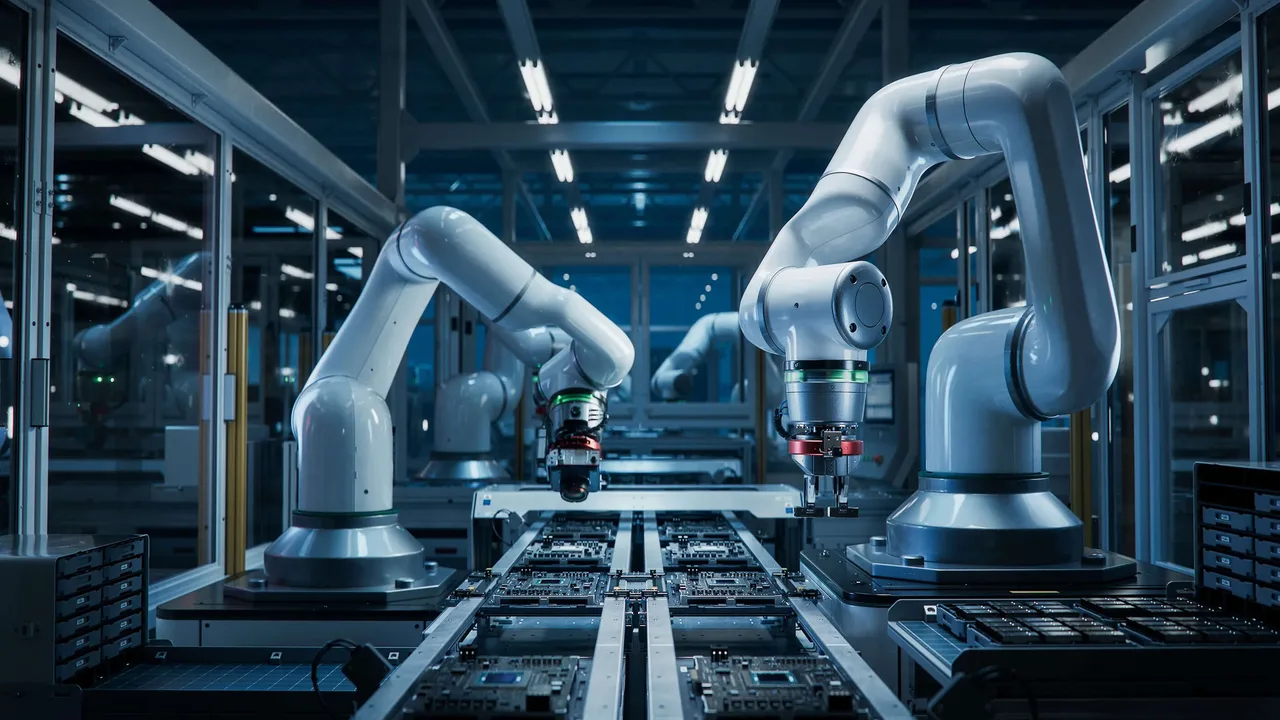
One of the most transformative aspects of manufacturing trends 2026 is the democratization of industrial technology. Automation, robotics, and cloud-based systems reduce dependence on ultra-cheap labor. As a result, developing economies can compete on productivity rather than wages alone.
Smart factories equipped with digital monitoring systems now operate in regions previously considered low-tech. Robotics improve precision, while data analytics optimize supply chains and inventory management. According to international trade analysis published by the World Bank, digital adoption in manufacturing significantly increases competitiveness in emerging markets by improving efficiency and reducing operational risk.
The Rise of Emerging Industry Hubs
Southeast Asia’s Industrial Expansion
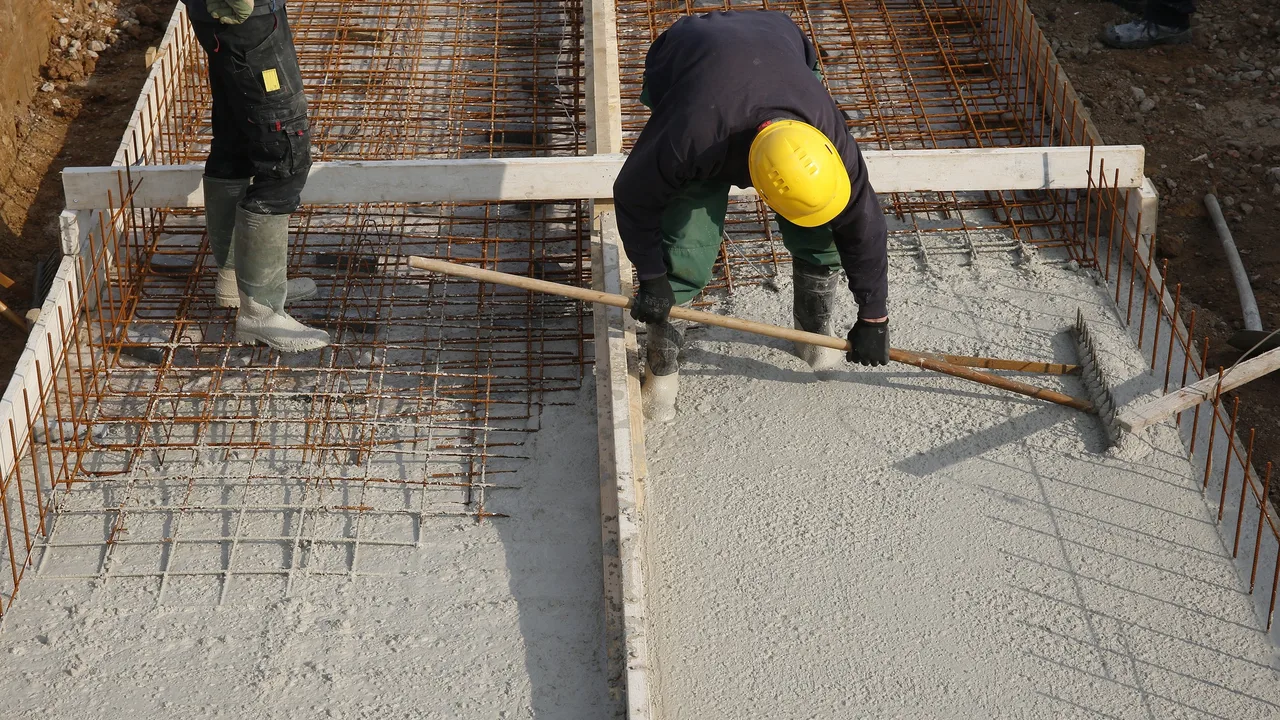
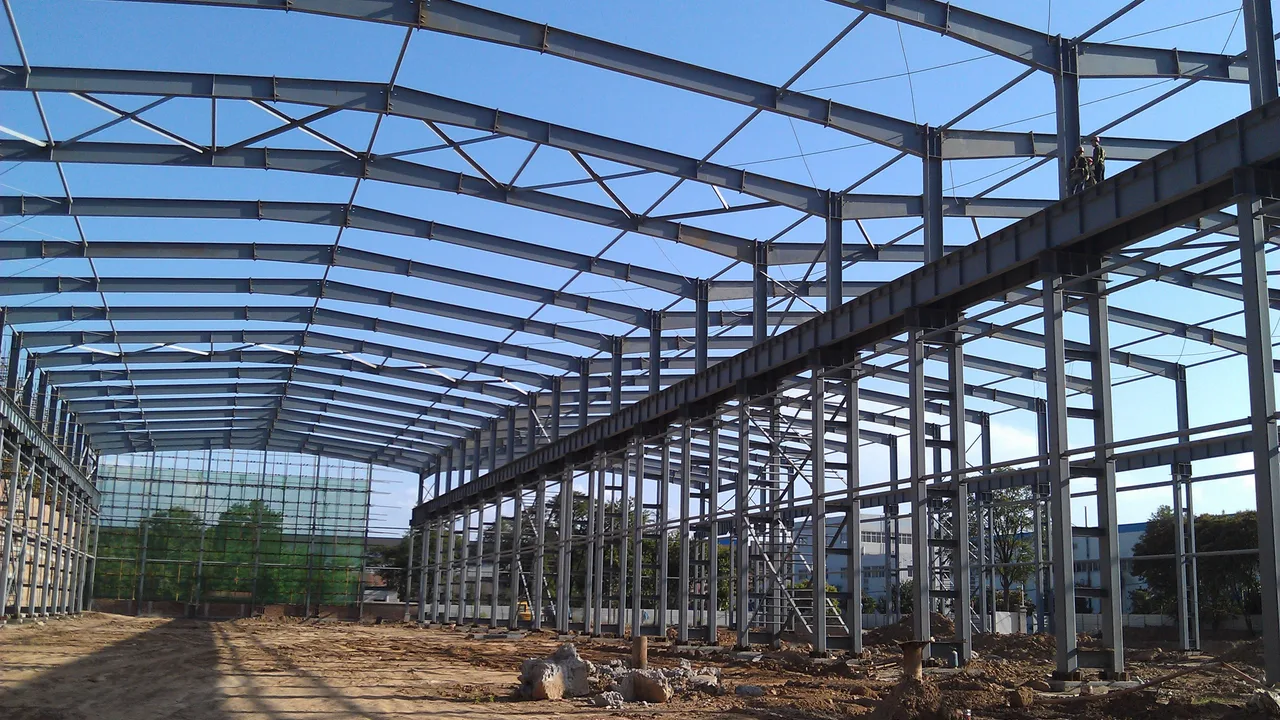
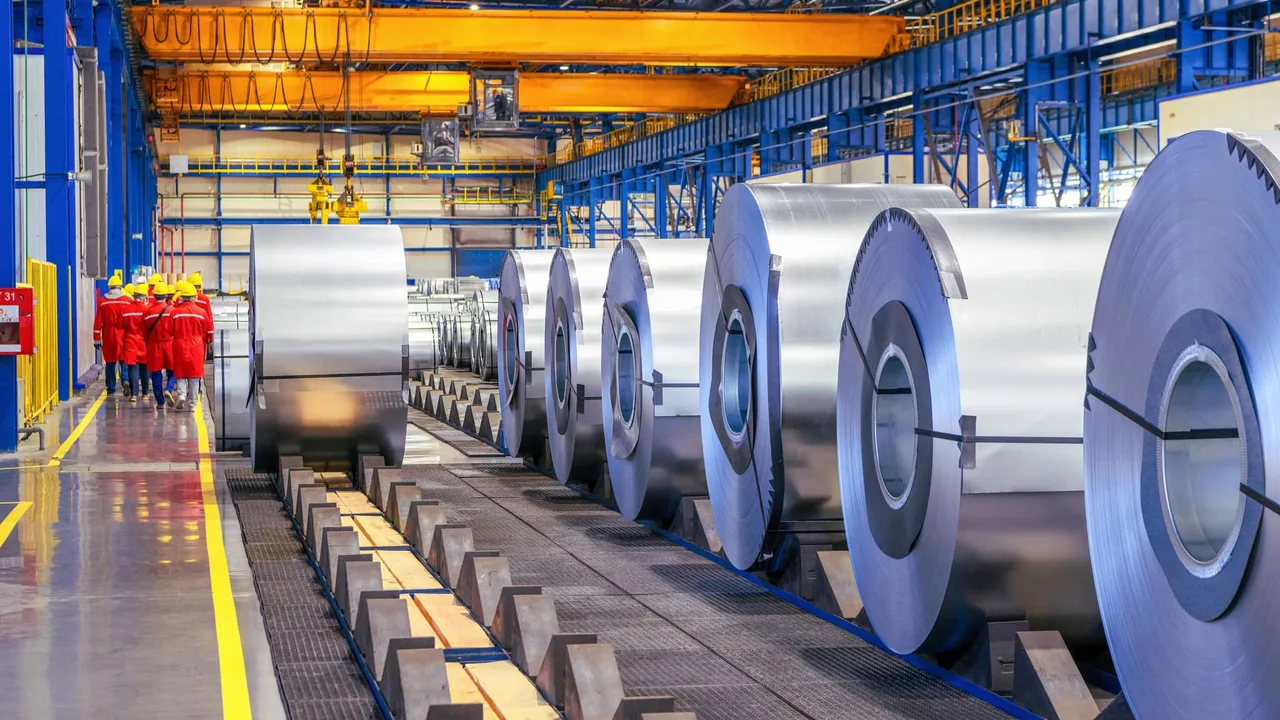
Southeast Asia stands at the forefront of manufacturing trends 2026. Countries like Vietnam, Indonesia, and Thailand have seen rapid expansion in electronics assembly, automotive components, textiles, and steel fabrication. Government-backed industrial parks and export-oriented policies attract foreign direct investment at an accelerating pace.
This region’s production growth is supported by strategic trade agreements and improving infrastructure. Ports are expanding, logistics corridors are modernizing, and industrial clusters are integrating vertically—allowing raw material processing, component manufacturing, and final assembly to occur within close proximity.
- Strong foreign direct investment inflows
- Competitive labor markets with improving technical education
- Strategic location along global shipping routes
- Increasing adoption of automation technologies
Africa’s Growing Manufacturing Base
Africa is emerging as one of the most promising regions under manufacturing trends 2026. Ethiopia’s industrial parks, Kenya’s logistics expansion, and Nigeria’s diversified production strategies signal a broader shift toward emerging industry ecosystems. A young and rapidly growing population provides a dynamic workforce capable of scaling production capacity over time.
Infrastructure remains a challenge in some areas, but investment momentum is accelerating. Industrial corridors linked to ports and railways are expanding, and regional trade agreements such as the African Continental Free Trade Area are encouraging cross-border integration. These initiatives contribute directly to sustained production growth.
Latin America’s Strategic Advantage
Latin America also plays a significant role in manufacturing trends 2026. Mexico’s integration with North American supply chains positions it as a nearshoring hub for U.S. companies seeking geographic proximity. Brazil, with its vast natural resources and domestic market scale, continues developing industrial diversification strategies.
The region’s advantage lies in its blend of resource availability and industrial capability. With improved logistics networks and policy incentives, Latin American economies are strengthening their foothold in global manufacturing value chains.
Drivers Behind Production Growth
Demographics and Labor Markets
A key driver of manufacturing trends 2026 is demographic momentum. Many Global South nations have significantly younger populations compared to developed economies. This demographic advantage provides scalable labor markets that can adapt to expanding industrial activity.
Beyond labor quantity, skill development is improving rapidly. Technical training programs and partnerships with multinational firms enhance workforce capabilities. As a result, emerging industry regions are transitioning from labor-intensive assembly to higher-value production segments.
Infrastructure Investment
Infrastructure development underpins sustainable production growth. Governments across Asia, Africa, and Latin America are investing heavily in ports, highways, power grids, and digital connectivity. Industrial zones equipped with reliable electricity and high-speed internet attract global manufacturers seeking operational stability.
The alignment between infrastructure expansion and manufacturing trends 2026 demonstrates how physical and digital connectivity are equally vital. Smart logistics systems now integrate with factory management platforms, ensuring efficient coordination from supplier to end customer.
Government Incentives and Policy Reform
Policy reform is another catalyst behind manufacturing trends 2026. Tax incentives, export subsidies, and regulatory simplification encourage foreign investors to establish production facilities in emerging markets. Governments recognize that industrialization fuels employment, innovation, and economic resilience.
Many countries are implementing free trade agreements to enhance global integration. These agreements reduce tariffs and streamline customs procedures, supporting consistent production growth across borders.
Challenges Facing the Global South
Energy Stability and Logistics Constraints
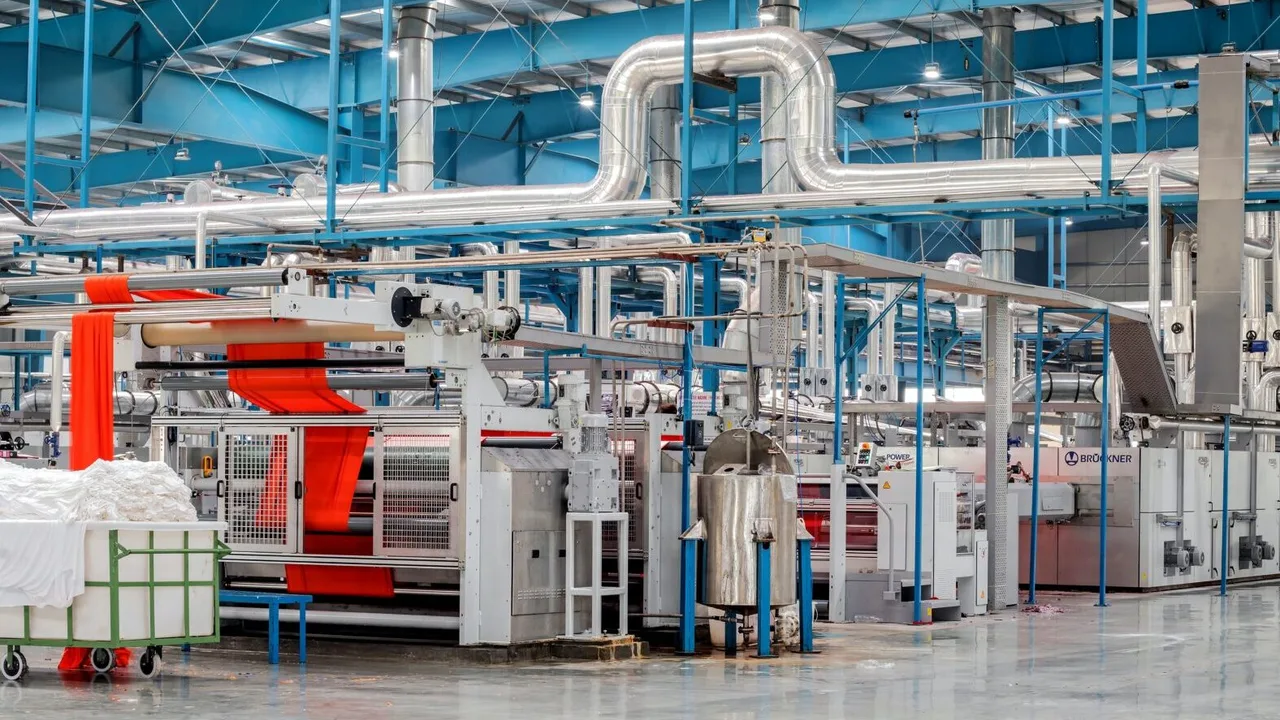
Despite strong momentum behind manufacturing trends 2026, challenges remain. Energy reliability is still uneven across parts of Africa and Latin America, and even in Southeast Asia certain industrial zones experience grid instability. Manufacturing relies heavily on consistent power supply—especially in sectors such as steel processing, automotive assembly, and electronics fabrication.
Logistics bottlenecks also affect production growth. Congested ports, limited rail connectivity, and customs inefficiencies can increase lead times. While governments are investing in infrastructure, the pace of industrial expansion sometimes outstrips transport capacity. Addressing these constraints is critical if the Global South is to fully capitalize on manufacturing trends 2026.
Skills Gap and Technology Transfer
Another pressing issue within manufacturing trends 2026 is the skills gap. While labor markets are young and expanding, advanced production requires technical knowledge in automation, robotics maintenance, and digital systems management. Without proper workforce development, productivity gains may plateau.
Technology transfer partnerships between multinational firms and local institutions are increasingly common. These collaborations strengthen emerging industry ecosystems by fostering knowledge exchange. Technical universities, vocational training centers, and private companies are aligning curricula with industrial needs, supporting long-term production growth.
Sustainability Pressures and ESG Expectations
Global buyers are imposing stricter Environmental, Social, and Governance (ESG) standards on suppliers. As a result, manufacturing trends 2026 are closely tied to sustainability performance. Factories in the Global South must comply with carbon reduction goals, waste management standards, and ethical labor practices to remain competitive.
Balancing industrial expansion with environmental responsibility presents both a challenge and an opportunity. Countries that integrate renewable energy, efficient water systems, and circular production models will stand out in global supply chains.
How Manufacturing Trends 2026 Are Reshaping Global Competition
Diversification Away from Single-Country Dependence
One of the defining features of manufacturing trends 2026 is diversification. Overreliance on a single production hub has proven risky in times of geopolitical uncertainty. Companies are now building distributed supply networks across multiple regions, reducing vulnerability to disruptions.
This multi-country strategy strengthens resilience while promoting balanced production growth. Southeast Asia, Africa, and Latin America are not replacing established industrial powers entirely—but they are complementing them in increasingly sophisticated ways.
The Rise of Regional Trade Blocs
Regional trade agreements are amplifying the momentum behind manufacturing trends 2026. Organizations such as ASEAN in Southeast Asia, the African Continental Free Trade Area, and Mercosur in Latin America reduce trade barriers and encourage regional integration.
These blocs allow manufacturers to source components within their region, minimizing shipping costs and geopolitical exposure. As regional value chains mature, emerging industry networks become more self-sustaining and globally competitive.
The Role of Digital Transformation
Smart Manufacturing in Emerging Markets
Digital transformation plays a pivotal role in manufacturing trends 2026. Cloud-based enterprise systems, IoT-enabled equipment, and real-time production dashboards are increasingly common in emerging markets. These tools enhance transparency and operational control.
Smart manufacturing enables factories to monitor performance metrics continuously. Data-driven optimization improves output quality and reduces downtime, reinforcing consistent production growth. In many cases, developing economies are leapfrogging legacy systems and adopting cutting-edge digital infrastructure directly.
AI and Automation in Production Growth
Artificial intelligence is redefining efficiency standards. Machine learning algorithms forecast demand fluctuations, adjust production schedules, and identify maintenance needs before equipment failure occurs. Under manufacturing trends 2026, automation is not about replacing workers—it is about amplifying productivity and enhancing competitiveness.
| Technology | Primary Benefit | Impact on Production Growth |
|---|---|---|
| IoT Sensors | Real-time equipment monitoring | Reduced downtime and higher efficiency |
| Robotics | Precision and consistency | Improved output quality |
| AI Forecasting | Demand prediction | Optimized inventory and cost control |
As automation costs decline, adoption rates rise across the Global South. This digital shift strengthens emerging industry clusters and aligns them with global standards.
Future Outlook — What Manufacturing Trends 2026 Signal for the Next Decade
Looking ahead, manufacturing trends 2026 suggest a rebalanced global industrial landscape. Light manufacturing—such as textiles, consumer electronics, and assembly operations—has already shifted toward emerging markets. The next question is whether heavy industry and advanced manufacturing will follow at the same pace.
Continued infrastructure investment, policy stability, and digital transformation will determine long-term outcomes. If managed effectively, the Global South could become a permanent pillar of global production growth, not merely a temporary alternative.
The broader implication of manufacturing trends 2026 is clear: industrial power is decentralizing. Nations that combine demographic advantage, digital adoption, and strategic policy reform will define the next era of global manufacturing.
A New Industrial Geography
The return of manufacturing to the Global South represents more than geographic relocation—it reflects structural transformation. Through infrastructure investment, policy reform, digital adoption, and demographic momentum, emerging economies are positioning themselves at the center of manufacturing trends 2026.
While challenges persist, the trajectory points toward sustained production growth and expanding emerging industry ecosystems. For businesses and investors, understanding manufacturing trends 2026 is no longer optional—it is essential for navigating a rapidly evolving global economy.