
In today’s interconnected world, global economic influence is no longer defined solely by natural resources or population size. Instead, it is increasingly shaped by manufacturing strength, technological capability, and the ability to move goods efficiently across borders. The nations that master these elements become industrial export leaders, setting the pace for global trade and driving international supply chains.
Industrial exports—ranging from machinery and vehicles to electronics and heavy equipment—form the backbone of the global manufacturing economy. Countries that dominate this space do more than ship products; they shape standards, influence pricing, and determine the rhythm of global trade growth. Understanding who these industrial export leaders are—and why they maintain dominance—offers insight into how modern economic power truly works.
What Defines an Industrial Export Leader?
Manufacturing Capacity and Infrastructure
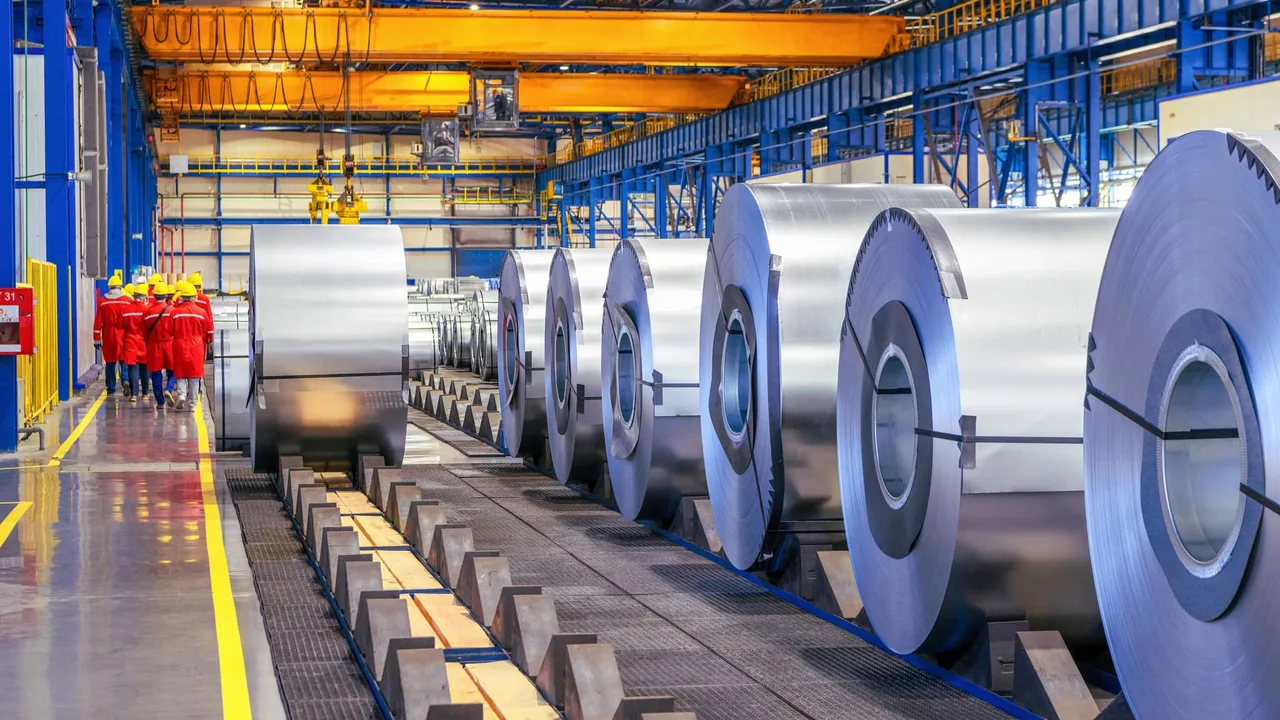
At the core of every industrial export leader lies a powerful manufacturing base. This includes advanced factories, integrated supply chains, reliable energy systems, and access to raw materials. High-volume production alone is not enough; efficiency, scalability, and precision matter just as much.
Infrastructure also plays a decisive role. Deep-water ports, high-speed rail systems, and streamlined customs procedures enable goods to move quickly and cost-effectively. Without efficient logistics networks, even the strongest manufacturing economy struggles to maintain global competitiveness.
Innovation, Technology, and Automation
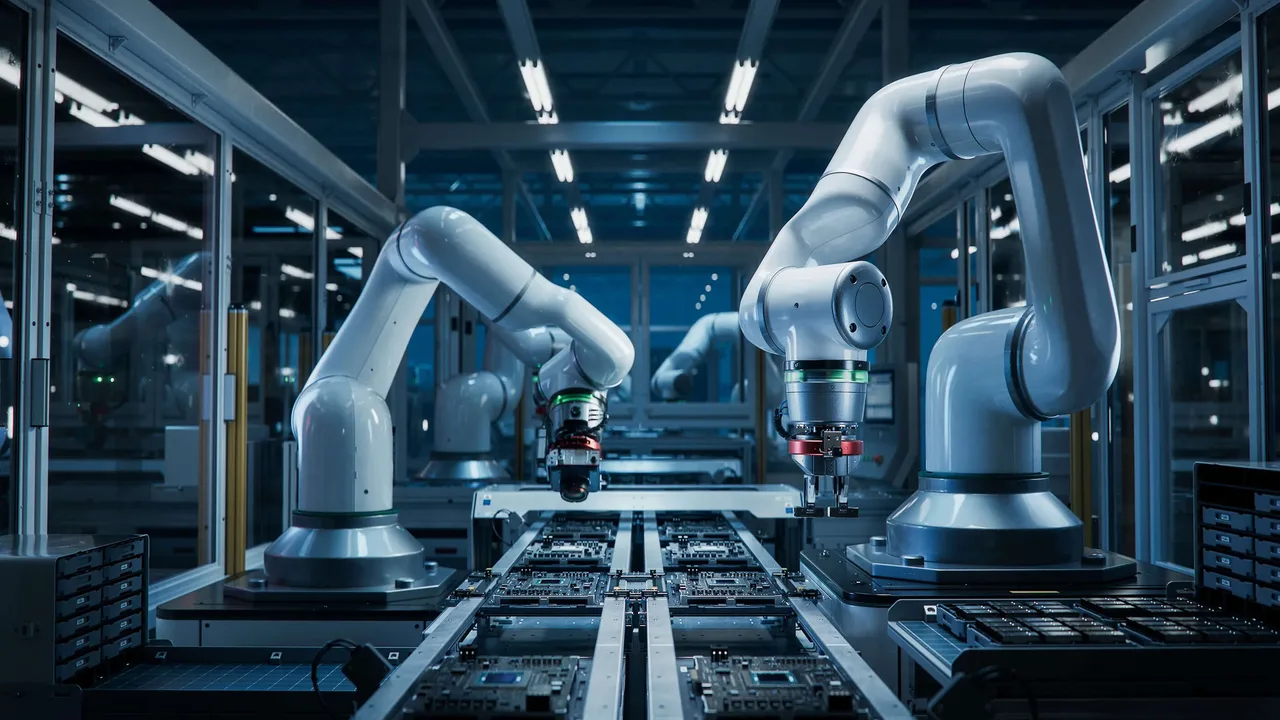
Modern industrial export leaders are no longer dependent on low labor costs alone. Instead, they invest heavily in automation, robotics, artificial intelligence, and digital manufacturing systems. Industry 4.0 technologies allow factories to increase output while maintaining consistent quality standards.
Countries that prioritize research and development create higher-value exports. From aerospace components to precision medical devices, technological sophistication strengthens both profit margins and global influence. This continuous innovation fuels sustainable trade growth and keeps competitors at bay.
Trade Agreements and Global Partnerships
Political and economic strategy also matter. Bilateral trade agreements, regional free trade zones, and stable regulatory frameworks provide exporters with predictable access to foreign markets. Industrial export leaders often negotiate favorable tariffs and maintain diversified trade relationships to reduce risk.
These combined factors—manufacturing scale, innovation capacity, and strategic trade policy—separate dominant industrial exporters from emerging challengers.
#1 China — The Manufacturing Superpower
Scale and Diversification
China remains the undisputed heavyweight among today’s industrial export leaders. Over the past three decades, it has built the world’s most extensive manufacturing ecosystem, producing everything from electronics and consumer goods to heavy machinery and steel products. Its vertically integrated supply chains allow components to be sourced, assembled, and exported with remarkable speed.
Unlike many economies that specialize narrowly, China’s industrial output is highly diversified. This reduces vulnerability to sector-specific downturns and supports stable trade growth across multiple industries.
Infrastructure and Export Strategy
Massive investments in ports, railways, and highways have strengthened China’s position as a global logistics hub. The Belt and Road Initiative further expands its trade network, linking Asia, Europe, and Africa through infrastructure development. Efficient customs processes and export-oriented policies reinforce China’s dominance in the global manufacturing economy.
Future Outlook
While China once focused on cost competitiveness, it is now shifting toward high-tech exports and green manufacturing. Investments in electric vehicles, renewable energy equipment, and advanced robotics signal a transition from quantity-driven exports to quality-driven industrial leadership.
#2 Germany — Europe’s Industrial Backbone
Engineering Excellence
Germany stands as Europe’s most influential industrial export leader. Known for precision engineering, the country excels in automotive manufacturing, industrial machinery, and chemical production. German exports command premium prices due to their reputation for reliability and innovation.
High-value products are central to Germany’s strategy. Rather than competing on volume alone, it competes on technical sophistication and long-term durability—hallmarks of a strong manufacturing economy.
The Mittelstand Model
A defining feature of Germany’s export success is its Mittelstand—a network of highly specialized small and medium-sized enterprises. These companies often dominate niche global markets, producing highly customized industrial components. Their focus on craftsmanship, research, and long-term partnerships reinforces Germany’s steady trade growth.
#3 United States — Innovation-Driven Exports
Advanced Manufacturing Leadership
The United States remains one of the most influential industrial export leaders due to its leadership in advanced manufacturing. Aerospace equipment, defense systems, medical technology, and high-end machinery form a significant share of U.S. industrial exports.
Innovation hubs such as Silicon Valley and advanced research universities support a culture of continuous technological advancement. This integration between academia and industry strengthens the country’s competitive position in global markets.
Energy and Industrial Policy
The U.S. energy sector has also reshaped its export landscape. Increased domestic energy production has lowered manufacturing costs and supported trade growth in energy-intensive industries. Combined with strategic industrial policy investments, this ensures the United States remains a key player in shaping global supply chains.
#4 Japan — Precision and Efficiency
Robotics and Automation
Japan’s industrial export leadership is built on precision, efficiency, and technological mastery. As a global leader in robotics and automation, Japan exports advanced manufacturing equipment used worldwide. Its emphasis on quality control and lean production systems ensures consistent performance in global markets.
Quality-Focused Manufacturing Economy
Japanese firms are known for meticulous attention to detail and long-term reliability. Automotive components, electronic systems, and precision instruments remain central to its export portfolio. This quality-first philosophy supports stable trade growth even in competitive markets.
#5 South Korea — Export-Oriented Growth Model
Technology and Heavy Industry
South Korea has transformed itself into one of Asia’s most dynamic industrial export leaders. Semiconductors, shipbuilding, and consumer electronics drive its export economy. Heavy industry and technology sectors receive strong government backing, enabling rapid expansion and innovation.
Large conglomerates, combined with strategic public investment, have positioned South Korea as a high-tech manufacturing economy capable of competing with larger nations.
Government-Led Trade Expansion
South Korea’s export model is closely tied to proactive trade agreements and industrial planning. By diversifying markets and supporting domestic innovation, it has achieved sustained trade growth despite global uncertainties.
Emerging Challengers to Watch
While the current industrial export leaders maintain strong positions, global dynamics are constantly evolving. Rising labor costs, geopolitical tensions, and supply chain realignments are creating opportunities for emerging economies to strengthen their role in the global manufacturing economy.
India — Scaling Up Manufacturing Ambitions
India has accelerated its push to become one of the future industrial export leaders through initiatives aimed at boosting domestic manufacturing capacity. Investment in electronics, automotive production, and pharmaceutical exports is reshaping its economic profile. With a vast labor force and growing digital infrastructure, India is positioning itself as both a production hub and a key driver of trade growth in Asia.
Vietnam — Supply Chain Diversification
Vietnam has benefited significantly from global companies diversifying supply chains. Competitive labor costs, trade agreements, and industrial zone development have made it an attractive manufacturing destination. As multinational corporations seek alternatives to traditional hubs, Vietnam’s export volumes continue to expand steadily.
Mexico — Nearshoring Advantage
Mexico’s proximity to the United States has strengthened its role in North American supply chains. Automotive components, electronics, and machinery production have surged as companies prioritize nearshoring to reduce logistics risk. This geographic advantage supports consistent trade growth and strengthens Mexico’s position within the global manufacturing economy.
Indonesia — Industrial Expansion in Southeast Asia
Indonesia is investing heavily in downstream processing industries, particularly in minerals and battery components. By moving beyond raw material exports and focusing on value-added production, the country aims to join the ranks of future industrial export leaders. Infrastructure improvements and foreign direct investment are accelerating this transition.
Key Trends Shaping the Future of Industrial Export Leaders
Digitalization and Smart Manufacturing
The next generation of industrial export leaders will rely heavily on digital manufacturing systems. Automation, robotics, and AI-driven quality control are transforming how factories operate. Smart production lines improve output precision while reducing waste, energy use, and downtime.
According to data compiled by the World Trade Organization, digital trade integration and technology adoption increasingly determine long-term export competitiveness. Countries investing in advanced manufacturing ecosystems are better positioned to sustain trade growth even during global disruptions.
Sustainability and Green Trade
Environmental standards are becoming central to international trade agreements. Carbon reporting requirements, energy efficiency benchmarks, and ESG transparency are influencing buyer decisions worldwide. Industrial export leaders must now balance production scale with environmental responsibility.
- Low-carbon manufacturing processes improve export eligibility in regulated markets.
- Renewable energy integration reduces long-term operational costs.
- Transparent sustainability reporting builds investor confidence.
Green industrial strategies are no longer optional—they are competitive necessities within the modern manufacturing economy.
Supply Chain Realignment and Resilience
Recent global disruptions have exposed vulnerabilities in overly concentrated supply chains. In response, companies are diversifying sourcing strategies and building regional production clusters. Industrial export leaders that demonstrate resilience—through diversified suppliers, digital tracking systems, and flexible production—will maintain stronger global positions.
Resilience is now as important as cost efficiency. Countries that combine innovation, infrastructure, and geopolitical stability will shape the next phase of trade growth.
The Future of Global Industrial Power
The world’s top industrial export leaders—China, Germany, the United States, Japan, and South Korea—have built their dominance on strong manufacturing economies, technological innovation, and strategic trade policy. Their success reflects decades of investment in infrastructure, research, and global partnerships.
However, leadership is not static. Emerging economies are rapidly expanding industrial capacity, while digital transformation and sustainability pressures are redefining competitiveness. The ability to integrate smart manufacturing, maintain transparent trade relationships, and adapt to supply chain shifts will determine which nations remain industrial export leaders in the coming decades.
Ultimately, industrial exports are more than statistics; they represent technological progress, economic resilience, and national strategy. As global markets evolve, the countries that align innovation with sustainable trade growth will continue shaping the direction of the international manufacturing economy.