Few design movements have had the global impact and longevity of Scandinavian design. Defined by clean lines, functional forms, and a quiet elegance, the Nordic approach has transcended geography to become a universal language of simplicity and balance. From minimalist interiors in Copenhagen to product lines in Tokyo and New York, its influence continues to shape the way we live, decorate, and even think about comfort and beauty.
Introduction — The Global Appeal of Scandinavian Design
The story of Scandinavian design began in the mid-20th century, as Nordic countries sought to rebuild after World War II. Designers across Denmark, Sweden, Finland, and Norway began championing a new vision of aesthetics — one where form followed function and beauty was accessible to everyone. The resulting style wasn’t flashy or ornate; it was quiet, intentional, and deeply human.
Rooted in the values of equality and community, Scandinavian design was never just about furniture or architecture — it was a lifestyle. The Nordic aesthetic represented a cultural philosophy: simplicity, sustainability, and the harmony between human life and nature. That balance continues to resonate globally, inspiring architects, product designers, and homeowners seeking timeless, meaningful spaces.
The Philosophy Behind Scandinavian Design
Beauty in Simplicity
At the heart of Scandinavian design lies a profound respect for simplicity. Minimalist yet warm, it values clarity over complexity. Scandinavian interiors are known for neutral tones, natural light, and tactile materials such as oak, wool, and linen — all chosen to evoke comfort and calm. Unlike other minimalist movements, Nordic minimalism isn’t sterile or cold; it’s infused with empathy and a deep sense of well-being.
This principle stems from the region’s lifestyle, where long, dark winters demand spaces that feel light, open, and soothing. The focus isn’t on what’s removed but on what remains — the essentials that make life both functional and beautiful. This approach gave rise to the concept of “hygge” in Denmark and “lagom” in Sweden — both expressing contentment through balance and moderation.
Function Over Ornamentation
Scandinavian creators have always believed that design must serve life. This idea, captured in the famous phrase “form follows function,” drives every decision — from the curvature of a chair to the placement of a window. Objects are meant to be used and enjoyed daily, not merely admired from afar.
Legends like Alvar Aalto and Arne Jacobsen embodied this ideal, creating furniture that combined beauty with ergonomic precision. Their work, along with modern interpretations by brands like IKEA, helped democratize good design by making functional, affordable products accessible to millions. It’s a philosophy that continues to influence today’s designers, blending minimalism with practicality.
Cultural and Environmental Roots
Living with Nature
The close relationship between people and nature is one of the defining traits of the Nordic aesthetic. The harsh climate of Northern Europe — long winters, limited daylight, and vast natural landscapes — has shaped how people design and inhabit their spaces. Homes are built to maximize sunlight, furniture incorporates organic materials, and interiors strive to bring the outdoors in.
Natural materials such as pine, birch, leather, and wool dominate Scandinavian interiors not just for their beauty, but for their functionality and sustainability. This affinity for nature extends beyond materials to mindset: every design choice considers environmental impact. Even today, architects in Nordic countries remain global leaders in sustainable design practices, aligning with initiatives such as the Nordic Council’s design sustainability framework to promote responsible production and circular use of materials.
Equality and Accessibility in Design
Another foundation of Scandinavian design is the principle of democratic design — the belief that good design should not be a luxury reserved for the elite. This idea emerged in post-war Scandinavia, where governments and communities prioritized functionality and social equality. Affordable, well-crafted furniture became a symbol of dignity and progress, not status.
This value system continues to guide modern Scandinavian design culture. Whether it’s a handwoven rug, a sleek lamp, or a city bench, every object reflects a balance of affordability, craftsmanship, and ethics. The design ethos reinforces the idea that beauty and utility belong to everyone, echoing the broader Nordic model of fairness and accessibility.
The Visual DNA — Hallmarks of the Nordic Aesthetic
Neutral Palette and Natural Materials
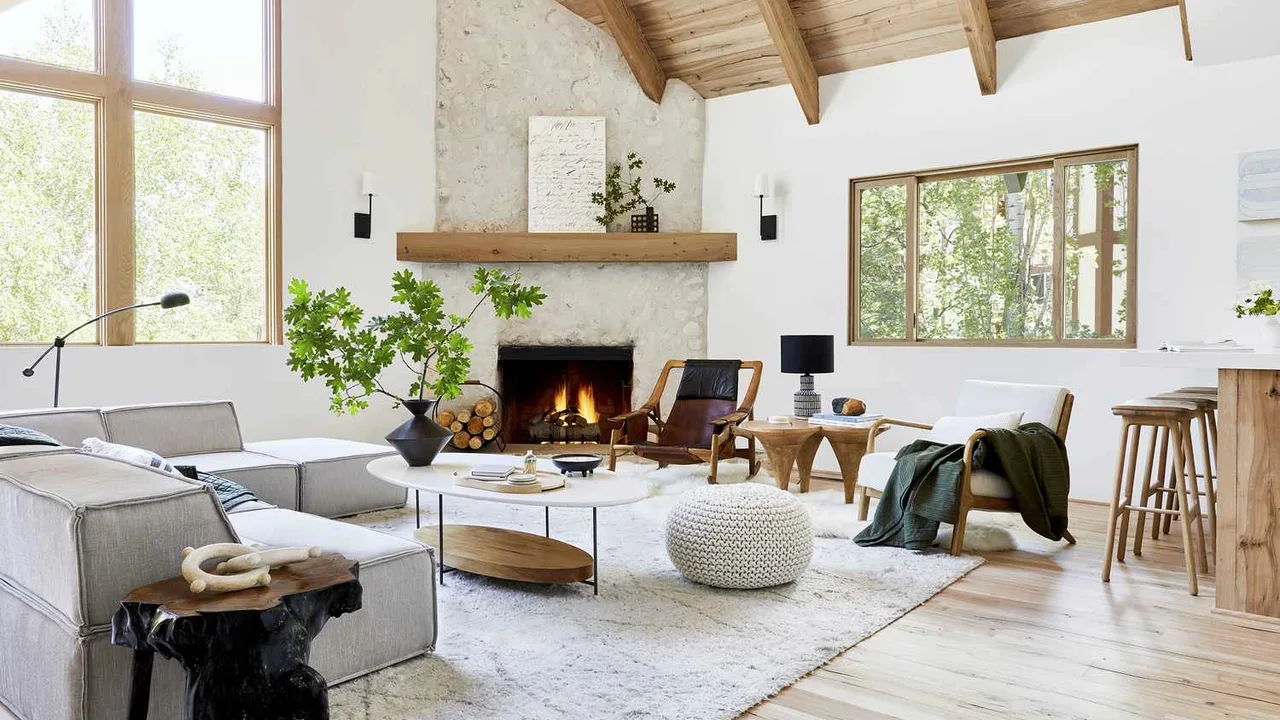
The instantly recognizable look of the Nordic aesthetic is defined by its muted tones, pale woods, and focus on natural light. White walls, soft greys, and earthy browns dominate interiors to create an atmosphere of calm and clarity. Natural elements — wood, wool, stone, and linen — connect inhabitants to the environment, reflecting a respect for organic imperfection.
This timeless color palette also has a psychological effect. Studies show that neutral spaces can reduce stress and foster focus, a philosophy that aligns perfectly with Scandinavian design’s aim: to make environments that feel both purposeful and peaceful. It’s not just about visual beauty — it’s about emotional balance.
Emphasis on Light and Space
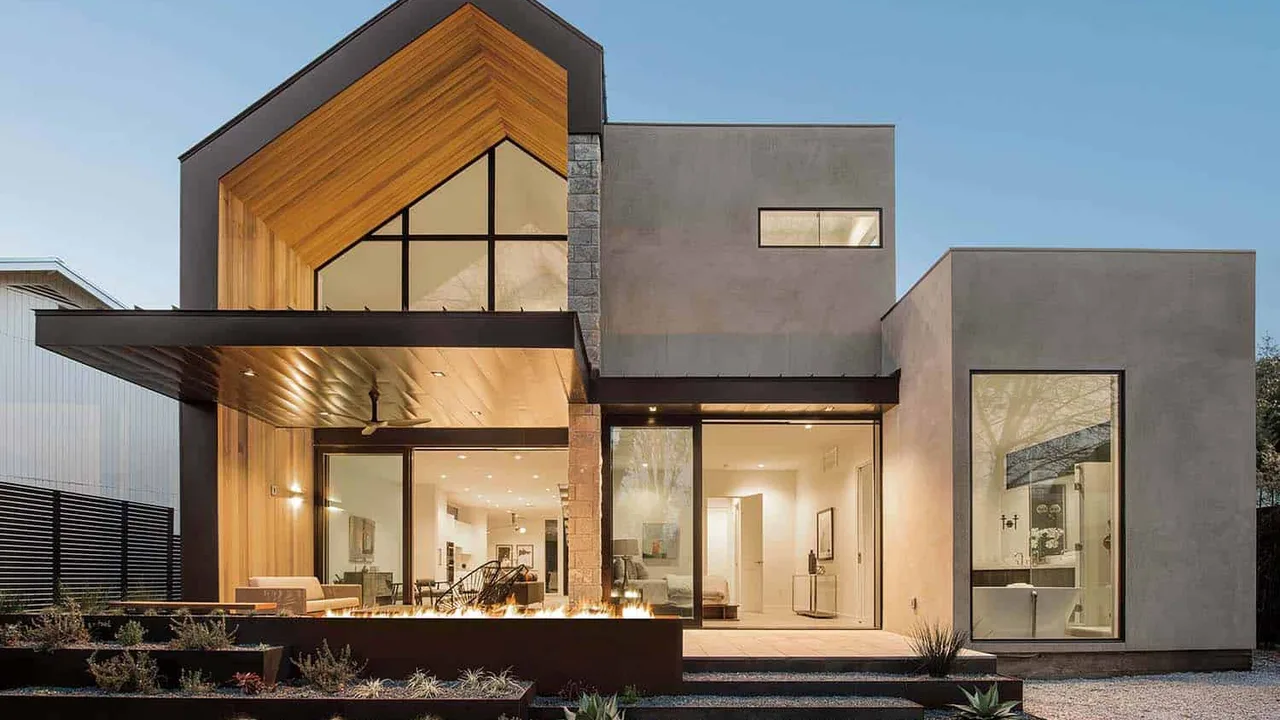
In regions where daylight can be scarce for months, light becomes a design material in itself. Architects maximize every ray through large windows, reflective surfaces, and open layouts. Rooms feel airy and uncluttered, prioritizing flow over decoration. The goal is not to impress but to invite — to make a home feel expansive without excess.
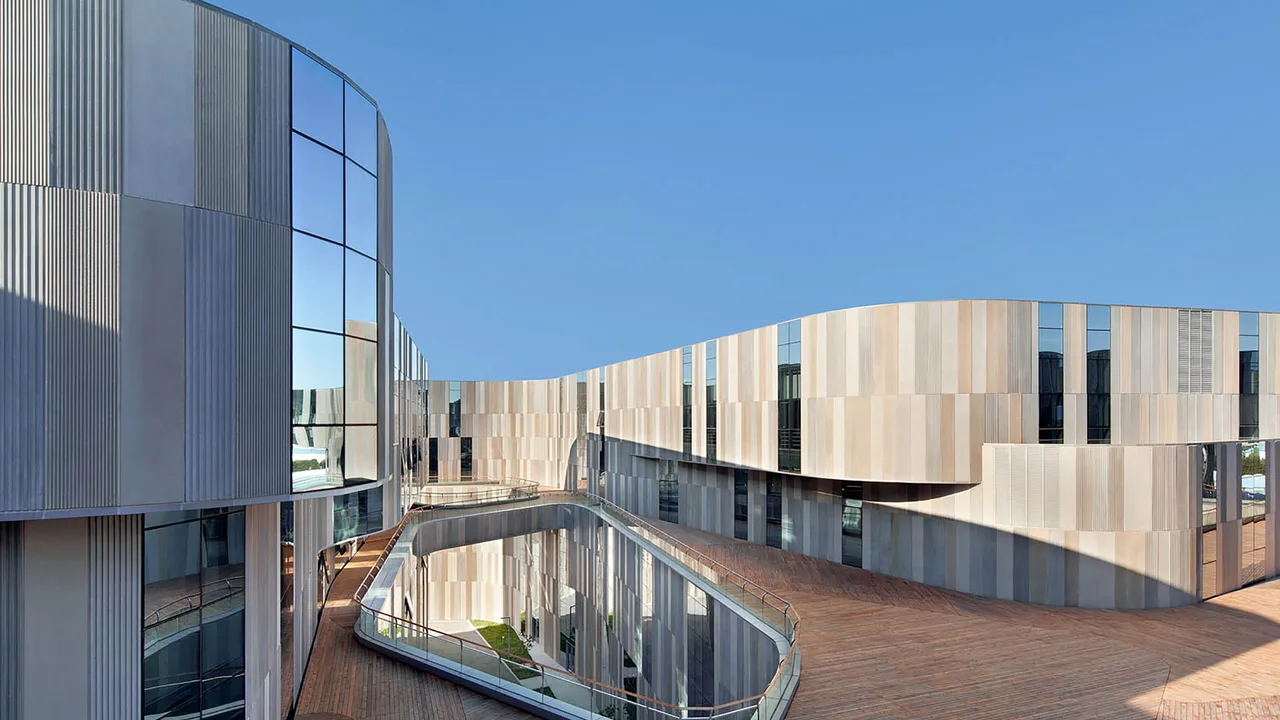
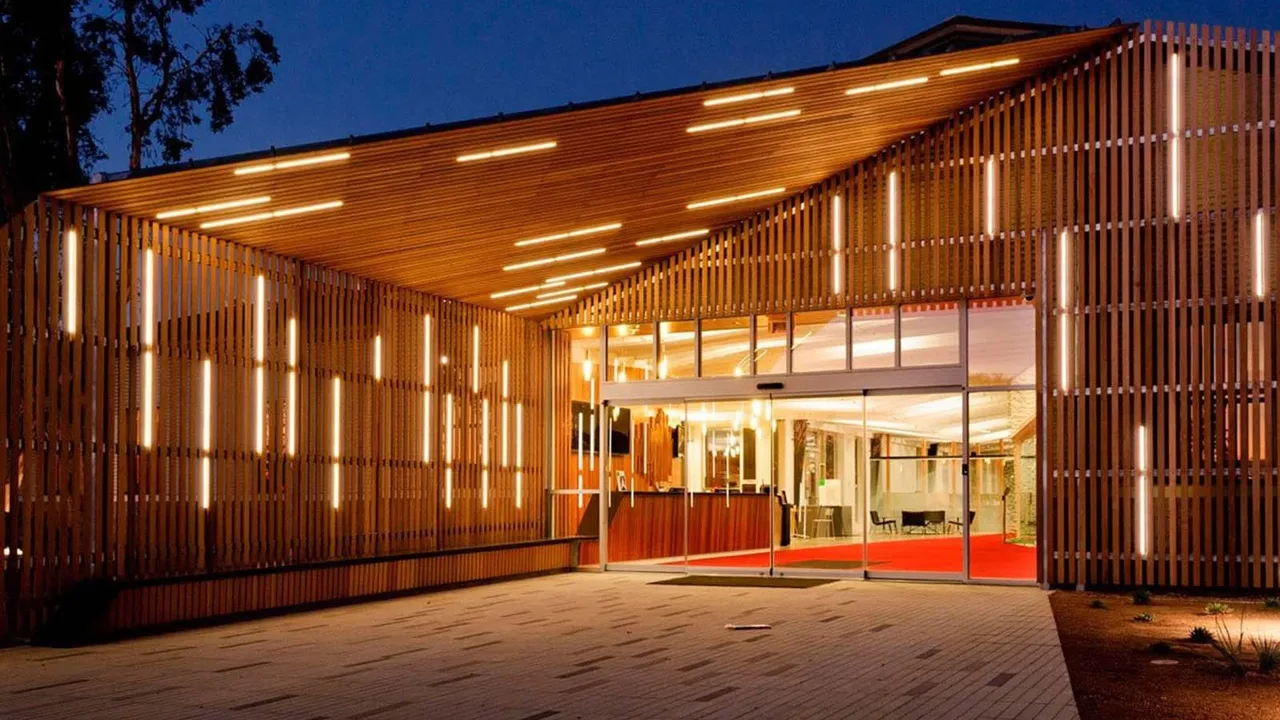
This approach has profoundly influenced modern architecture around the world. The emphasis on natural light, sustainability, and space efficiency echoes in contemporary buildings from Europe to Asia, proving that the essence of Scandinavian design transcends borders and eras.
Craftsmanship Meets Modernity
At the core of Scandinavian design is an enduring respect for craftsmanship. Every piece — whether a chair, lamp, or architectural detail — reflects a dedication to precision, material integrity, and human touch. Nordic artisans value the dialogue between maker and material: the way oak bends, how light interacts with glass, or how a textile breathes warmth into a room. This respect for process ensures longevity; products are designed to last for decades, not seasons.
Yet, this respect for tradition has never limited innovation. The fusion of handcraft and modern manufacturing allowed Scandinavian design to achieve global recognition. Designers in the 1950s pioneered the use of molded plywood and steel tubing while maintaining organic shapes and tactile finishes. Today, digital fabrication and sustainable materials continue this spirit of quiet innovation — proof that timelessness in design is less about nostalgia and more about evolution.
Why Scandinavian Design Endures
Adaptability Across Eras
The enduring appeal of Scandinavian style lies in its flexibility. Whether incorporated into a mid-century modern home or a sleek contemporary apartment, its principles adapt effortlessly. The focus on simplicity and proportion ensures that designs remain relevant even as trends come and go. Its understated quality makes it a blank canvas — easy to personalize, yet instantly recognizable.
Scandinavian ideas like minimalism and functional comfort have also inspired global lifestyle movements such as Japan’s “muji” aesthetic or the growing preference for decluttered living in Western design. This cultural cross-pollination shows that the Nordic aesthetic isn’t just regional—it’s universal in its understanding of human needs and emotional wellbeing.
Emotional and Psychological Impact
Beyond aesthetics, Scandinavian design connects deeply with how people feel within their spaces. Studies in environmental psychology highlight how minimalist, well-lit environments can reduce anxiety and promote mindfulness. By prioritizing natural materials, soft textures, and visual openness, Scandinavian spaces nurture calm and clarity — both essential qualities in today’s fast-paced world.
This emotional resonance is perhaps the strongest reason for its timelessness. The design doesn’t shout; it whispers. It invites rest, focus, and connection. Its quiet power lies in how it improves daily life without demanding attention.
Scandinavian Design in Today’s World
Influence on Global Brands and Architecture
The DNA of Scandinavian design can now be found in countless sectors beyond interiors. From furniture and lighting to technology and fashion, its influence shapes global brands seeking authenticity and clarity. Companies like Apple, Muuto, and HAY draw on the same design logic — sleek forms, intuitive usability, and honest materials. Even large architectural firms worldwide integrate Nordic values into public buildings that prioritize comfort, light, and human scale.
These ideas resonate strongly in an age where sustainability and wellness have become essential considerations. The minimalist yet human-centered approach of Scandinavian design provides a blueprint for balancing innovation with empathy — a harmony that transcends cultural and industrial boundaries.
Sustainability and Innovation
Modern Scandinavian design remains closely tied to environmental responsibility. Many studios now integrate circular economy principles, ensuring that materials are renewable, repairable, and recyclable. Designers increasingly focus on local production and transparency, reducing the carbon footprint while maintaining craftsmanship. The movement’s ethical foundation aligns with contemporary sustainability frameworks, ensuring that beauty never comes at the expense of the planet.
This merging of minimalism, technology, and ethics shows that design can evolve without losing its soul. As digital tools advance and ecological awareness grows, Scandinavian principles of simplicity and authenticity become more relevant than ever. They remind the world that good design should improve life — not just decorate it.
Conclusion
The secret to the longevity of Scandinavian design lies in its honesty. It doesn’t rely on passing trends or ornate gestures; instead, it speaks to the essentials of human experience — light, comfort, and purpose. Its philosophy merges beauty with function, creating a sense of timelessness that transcends cultures and generations.
Whether found in a century-old chair or a modern smart home, the principles remain unchanged: authenticity, warmth, and balance. In a world that constantly reinvents itself, Scandinavian design endures by staying grounded in what truly matters — the quiet pursuit of harmony between people, objects, and nature.