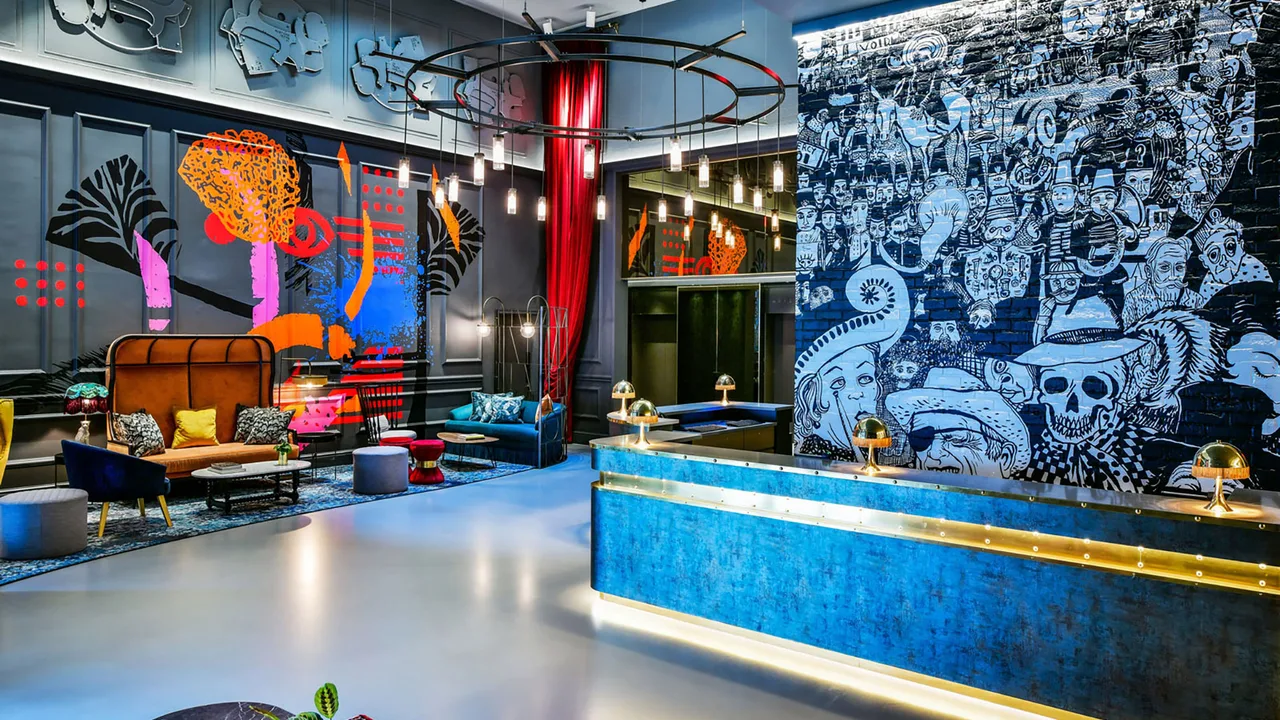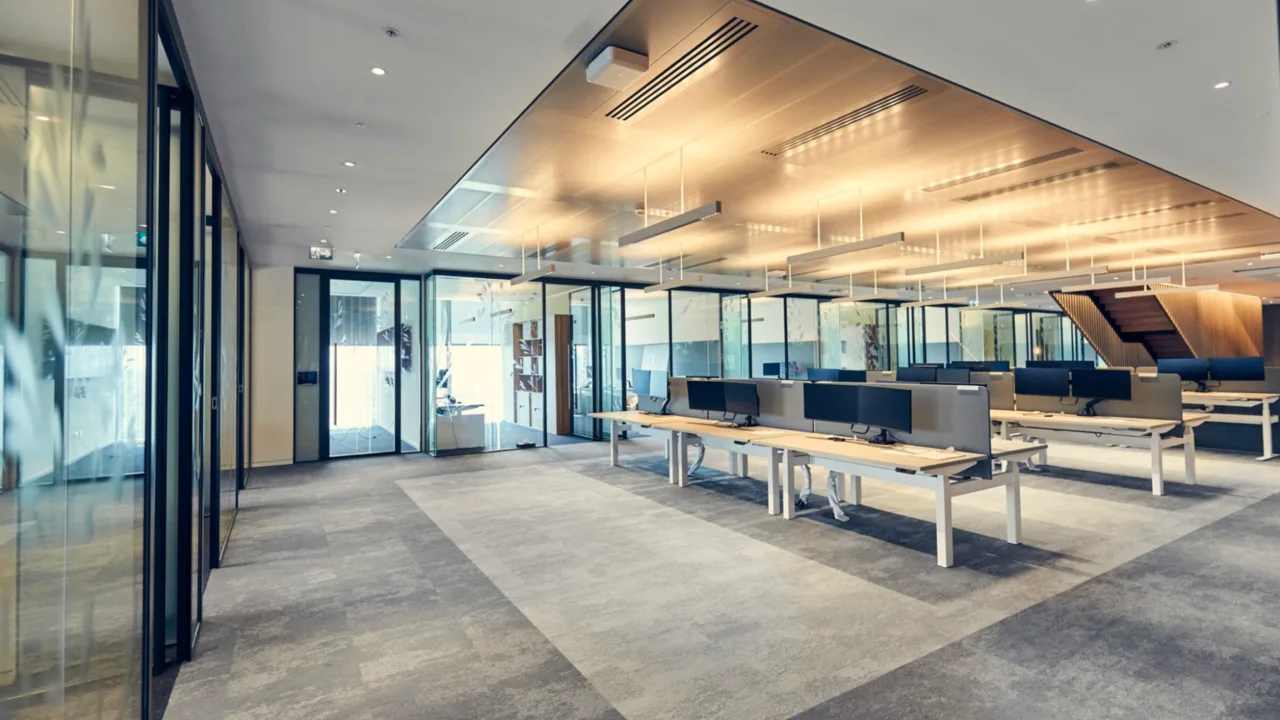
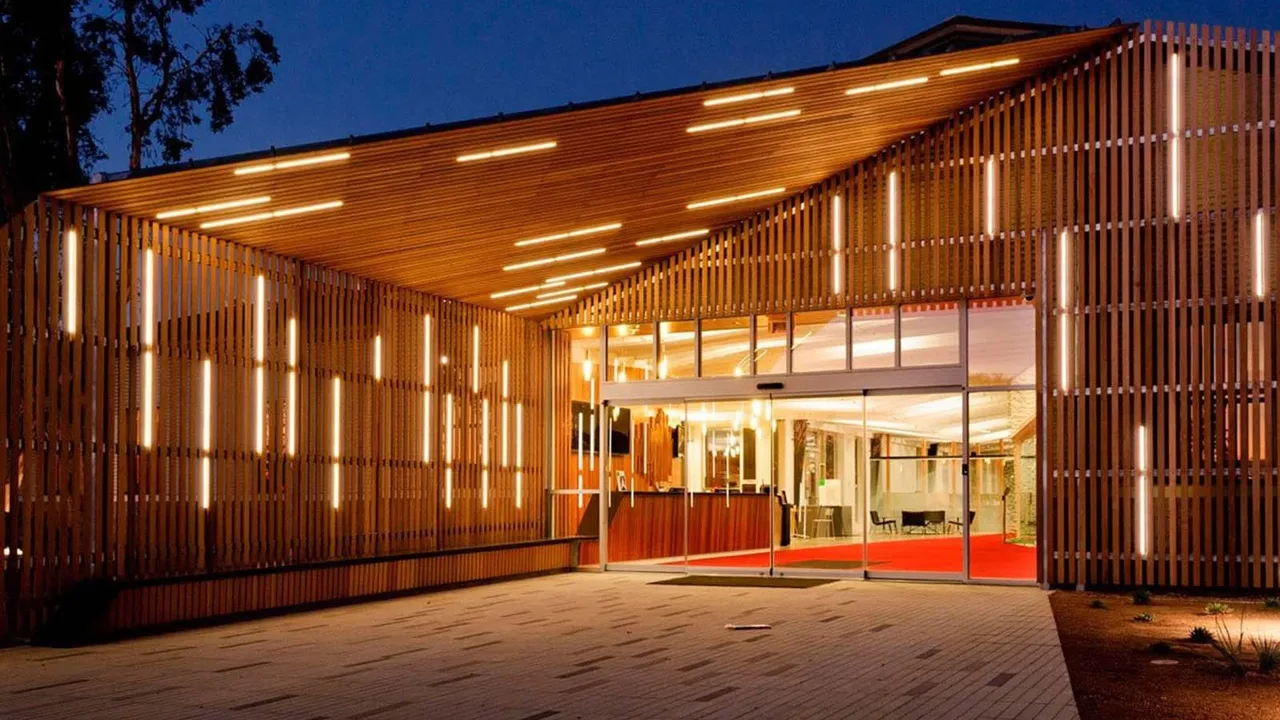
When people walk into a beautifully designed space, they often compliment the furniture, the colors, or the architecture. Rarely do they say, “The lighting design is incredible.” And yet, lighting is often the invisible force that makes everything else look exceptional. Lighting design shapes perception, influences mood, and determines how we experience architecture on a daily basis.
From retail stores that subtly guide purchasing decisions to homes that feel warm and inviting, lighting design plays a foundational role in ambiance creation. It is not simply about brightness—it is about intention. When integrated thoughtfully into architecture, lighting becomes a creative language that transforms ordinary spaces into memorable experiences.
The Invisible Power of Light
Light is both functional and emotional. Functionally, it allows us to see, navigate, and perform tasks. Emotionally, it alters how we feel within a space. Soft warm tones can create intimacy, while cooler tones can enhance focus and alertness. Despite its impact, lighting design is frequently treated as a secondary consideration—added late in architectural planning rather than integrated from the beginning.
This oversight can significantly affect the success of a space. Poor lighting design can flatten textures, distort colors, and create discomfort. In contrast, well-executed lighting design enhances depth, highlights architectural features, and supports cohesive ambiance creation.
The Psychology Behind Lighting Design
How Light Influences Mood and Behavior
Human psychology responds directly to light intensity and color temperature. Warm lighting (around 2700K–3000K) tends to create a relaxed atmosphere, often used in residential interiors and hospitality environments. Cooler lighting (4000K and above) promotes alertness and is commonly used in offices and industrial settings.
Effective lighting design aligns with the intended purpose of the space. In restaurants, layered lighting supports ambiance creation by combining ambient light, accent lighting, and decorative fixtures. In workplaces, balanced illumination enhances productivity without causing eye strain.
- Warm tones – Encourage relaxation and comfort
- Neutral tones – Provide clarity and balance
- Cool tones – Increase alertness and focus
Understanding these psychological effects allows designers to shape emotional experiences intentionally.
Lighting and Human Perception
Lighting design directly influences how we perceive space. Shadows create depth. Highlighted surfaces draw attention. Balanced illumination prevents visual fatigue. Without thoughtful lighting design, even the most innovative architecture can appear flat and uninspiring.
Color rendering is another critical factor. Light sources with high color rendering indexes (CRI) display materials more accurately. This is especially important in retail and gallery environments where true color representation matters.
When lighting design is strategically executed, it enhances textures, materials, and spatial geometry—turning architecture into an immersive experience rather than a static structure.
Lighting Design in Architecture
Integrating Light Into Architectural Planning
The most successful architectural projects treat lighting design as an integral part of the design process rather than an afterthought. Daylight planning, fixture placement, and energy efficiency strategies are developed alongside structural elements.
Architects and lighting designers collaborate to ensure that light complements materials and form. Natural light is maximized through window orientation and reflective surfaces, while artificial lighting is layered to maintain consistency after sunset.
In contemporary architecture, facade illumination has become a powerful identity tool. Iconic buildings often rely on carefully orchestrated lighting design to stand out within urban skylines.
Lighting as a Design Language
Lighting design can function as a storytelling device. By layering ambient, task, and accent lighting, designers create hierarchy and rhythm within a space. Contrast draws attention to focal points, while subtle transitions guide movement.
| Lighting Layer | Purpose | Impact on Ambiance Creation |
|---|---|---|
| Ambient | General illumination | Sets overall mood |
| Task | Focused functionality | Improves usability |
| Accent | Highlight features | Adds drama and depth |
Through thoughtful lighting design, architecture gains dimensionality. Surfaces appear richer, materials feel tactile, and spaces become visually engaging.
Ambiance Creation Across Different Spaces
Residential Spaces
In homes, lighting design defines comfort. A layered system combining ceiling fixtures, wall sconces, and floor lamps allows flexibility. Dimmable systems enable residents to shift ambiance creation from bright morning routines to relaxed evening settings.
Bedrooms benefit from soft indirect lighting, while kitchens require balanced task lighting to ensure safety and precision. The key lies in understanding how lighting design supports both function and atmosphere.
Commercial and Retail Spaces
Retail environments rely heavily on lighting design to influence consumer behavior. Accent lighting highlights products, while strategic brightness levels guide customer flow. Proper ambiance creation encourages longer browsing times and enhances brand perception.
In hospitality settings, lighting design becomes part of the brand identity. Hotels and restaurants use light to communicate luxury, intimacy, or vibrancy depending on their positioning.
Public and Urban Spaces
Urban architecture increasingly incorporates dynamic lighting design to improve safety and create cultural landmarks. Public plazas, bridges, and monuments use light not only for visibility but for storytelling.
Well-planned lighting design enhances wayfinding and reduces safety concerns while contributing to a city’s visual character. Ambiance creation at this scale strengthens community identity and nighttime vibrancy.
Technology Transforming Lighting Design
Smart Lighting Systems
Advancements in smart technology have revolutionized lighting design. Programmable lighting scenes, motion sensors, and adaptive brightness controls allow spaces to respond dynamically to user needs.
Integrated systems optimize energy usage while maintaining consistent ambiance creation. Smart lighting supports both sustainability goals and user convenience.
LED Innovation and Sustainability
LED technology has dramatically improved energy efficiency in modern architecture. Compared to traditional incandescent bulbs, LEDs consume less power and last significantly longer. This evolution has expanded the creative possibilities of lighting design.
As highlighted in energy-efficiency research from the U.S. Department of Energy, LED adoption significantly reduces energy consumption and maintenance costs in commercial buildings. This reinforces the business case for integrating sustainable lighting design into architectural planning.
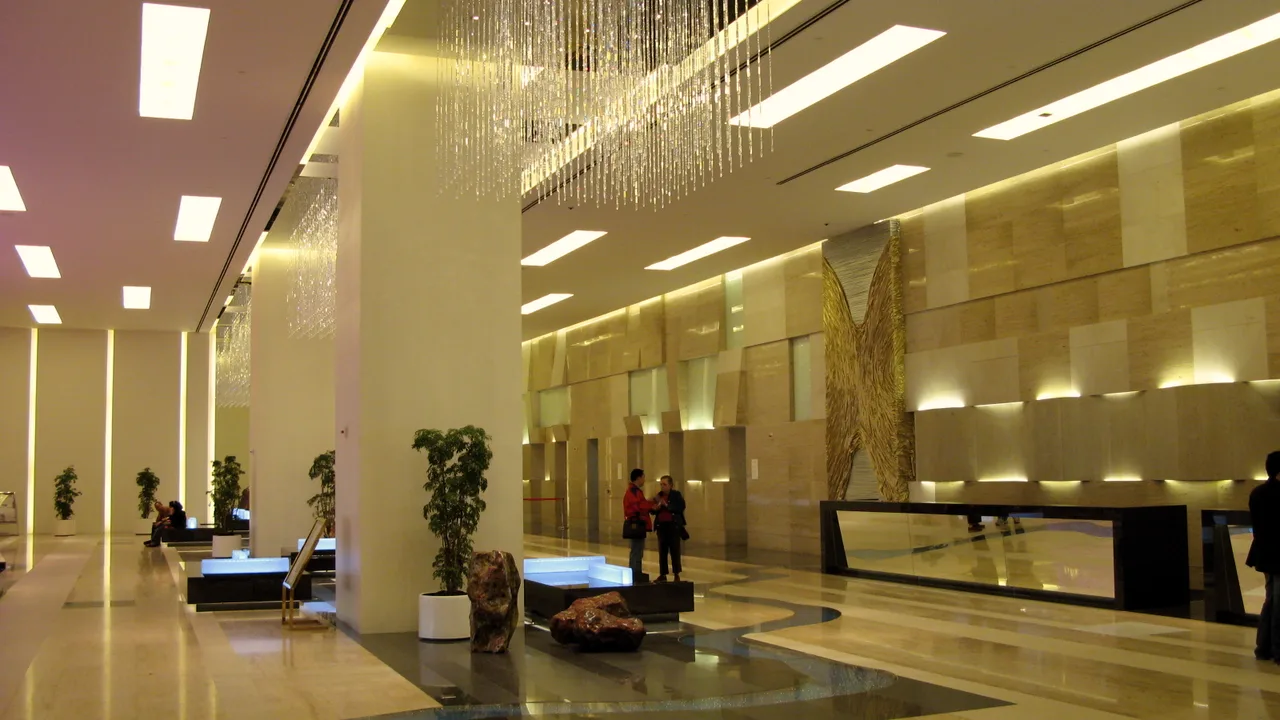
Common Lighting Design Mistakes
Even beautifully constructed spaces can fail if lighting design is poorly executed. Many projects underestimate how critical light is to ambiance creation and overall architectural impact. Understanding common mistakes helps designers and property owners avoid costly corrections later.
- Over-lighting – Excessive brightness can create glare and discomfort, flattening architectural details.
- Under-lighting – Insufficient illumination reduces usability and creates safety concerns.
- Ignoring natural light – Failing to integrate daylight into lighting design leads to energy inefficiency and inconsistent ambiance.
- Poor fixture placement – Misaligned fixtures distort shadows and weaken architectural features.
- Lack of layering – Relying on a single light source limits ambiance creation flexibility.
A cohesive lighting design strategy ensures that every fixture serves a purpose, whether enhancing architecture or supporting functionality.
The Business Value of Professional Lighting Design
Increased Property Value
Professional lighting design significantly enhances property value. In residential real estate, thoughtfully illuminated interiors feel more spacious and refined. In commercial projects, strong ambiance creation influences client perception and brand trust.
Premium developments often integrate lighting design at the earliest stages of architectural planning. This approach ensures structural features are highlighted intentionally, rather than retrofitted with generic fixtures later.
Branding and Experience
For hospitality and retail brands, lighting design is an essential storytelling tool. A luxury hotel may use soft layered lighting to communicate exclusivity, while a contemporary retail brand might rely on high-contrast illumination to project innovation.
Architecture becomes an experiential medium when paired with thoughtful lighting design. The interplay between shadow and brightness shapes emotional response and customer behavior. Effective ambiance creation strengthens brand identity and encourages repeat engagement.
The Future of Lighting Design
Human-Centric Lighting
Emerging trends in lighting design focus on human well-being. Human-centric lighting systems adjust color temperature throughout the day to align with circadian rhythms. Morning light mimics daylight to increase alertness, while evening light softens to encourage relaxation.
This integration of biology, technology, and architecture elevates ambiance creation beyond aesthetics into health-conscious design.
Sustainable and Adaptive Architecture
Sustainability continues to shape the evolution of lighting design. Energy-efficient LEDs, smart dimming systems, and daylight-responsive controls reduce consumption while maintaining high visual quality.
Adaptive lighting systems automatically adjust brightness based on occupancy and environmental conditions. This not only supports sustainable architecture but also ensures consistent ambiance creation without manual intervention.
Light as Architecture’s Silent Partner
Lighting may be invisible in concept, but its impact is unmistakable. Lighting design shapes how we perceive space, how we feel within it, and how architecture communicates its purpose. From residential comfort to commercial branding, effective ambiance creation relies on intentional illumination.
When lighting design is integrated thoughtfully into architecture, spaces gain depth, clarity, and emotional resonance. It enhances materials, defines movement, and creates atmosphere without demanding attention.
In the end, lighting design is not an accessory—it is architecture’s silent partner. And when executed well, it transforms ordinary environments into extraordinary experiences.