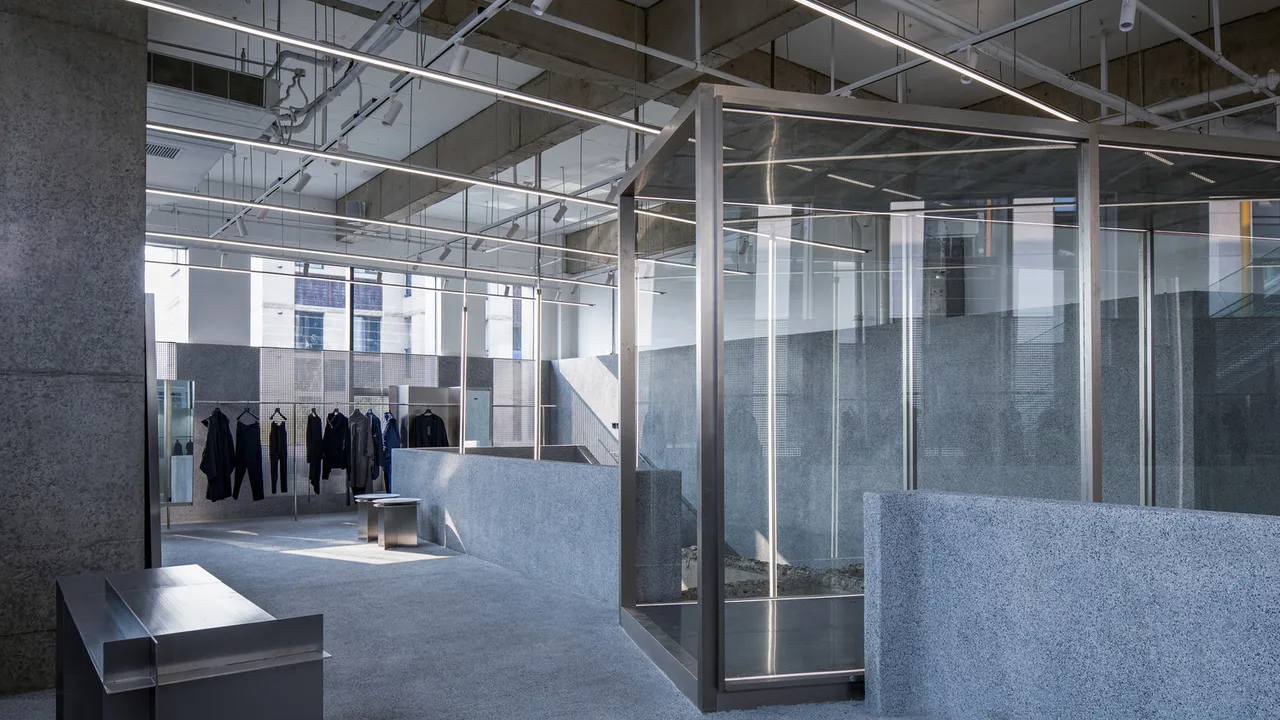
Across global design capitals, from New York to Tokyo, the rise of industrial interior design has transformed how we think about modern living spaces. Once confined to abandoned factories and converted warehouses, the industrial look has become a symbol of creativity, authenticity, and urban sophistication. By embracing raw textures, open layouts, and exposed structures, interior designers are rediscovering beauty in imperfection — and redefining what modern comfort means.
The Revival of Industrial Style
Industrial style emerged as an architectural necessity, not a fashion statement. During the late 20th century, artists began converting old factories and storage spaces into affordable studios. These bare-bones interiors featured unpolished materials, exposed beams, and visible ductwork — elements that, surprisingly, carried a sense of honesty and character. Over time, this utilitarian aesthetic evolved into a global design movement celebrated for its authenticity and versatility.
Today, industrial interior design represents a shift away from excessive ornamentation toward minimalist, functional beauty. It aligns perfectly with contemporary values — sustainability, individuality, and creative freedom. Designers who favor this style aren’t just decorating spaces; they’re curating stories that reflect urban heritage and timeless craftsmanship.
What Defines Industrial Interior Design?
From Factories to Living Spaces
The DNA of industrial design lies in its origins — the repurposed factories and warehouses of early 1900s cities. As industrial economies declined, these vast structures became playgrounds for designers seeking inspiration from function-driven architecture. The loft style movement was born from this transformation, turning rugged utility into refined artistry. Brick walls, iron columns, and steel-framed windows once seen as purely practical are now admired for their sculptural elegance.
Industrial design celebrates the story of the building itself. Every scratch, beam, and exposed wire tells part of its history. The idea is to let the space “breathe,” preserving its structural truth rather than hiding it beneath layers of plaster and paint. This architectural honesty gives industrial interiors their raw charm — a rare combination of nostalgia and innovation.
Key Elements and Materials
Unlike other design styles, industrial interior design thrives on simplicity and material contrast. The focus is on natural and reclaimed materials that age gracefully over time. Common elements include:
- Exposed brick walls that add texture and warmth to minimalist spaces.
- Concrete floors polished to a soft sheen for durability and character.
- Steel beams and iron accents offering a sense of strength and permanence.
- Reclaimed wood furniture introducing balance through organic warmth.
- Industrial lighting fixtures such as pendant lamps and Edison bulbs that highlight texture and shadow.
Neutral tones dominate the industrial palette — shades of gray, beige, black, and brown create calm, grounded interiors. Designers often enhance these with subtle metallic finishes or glass partitions to soften the industrial edge. The goal is harmony between hard and soft, rough and refined.
The Appeal — Why Designers Love Industrial Aesthetics
Flexibility and Functionality
Few styles offer the adaptability of industrial interiors. The open floor plans common in converted warehouses provide freedom for spatial creativity. Furniture and lighting can be reconfigured easily, while visible structures such as columns or pipes become design features rather than obstacles. This flexibility allows designers to personalize each space according to client needs — from cozy apartments to collaborative offices.
Industrial design naturally supports the concept of multi-use spaces, where living, working, and leisure coexist. It resonates strongly with contemporary lifestyles that value fluidity over formality. The style’s utilitarian roots mean that everything serves a purpose — beauty through functionality.
Authenticity and Timeless Character
In a world saturated with mass-produced furniture and artificial finishes, industrial interior design stands out for its authenticity. The visible imperfections — rust on steel, chipped paint, uneven surfaces — aren’t flaws but features. They remind us of the craftsmanship behind every detail and the history embedded within the structure.
Designers love this aesthetic because it rejects the disposable culture of modern consumerism. Industrial spaces feel lived-in and real — places that evolve over time rather than chase seasonal trends. Their timeless appeal lies in the philosophy that true beauty doesn’t fade; it deepens.
Loft Style Living — Modern Luxury with Industrial Roots
The Urban Loft Movement
The loft style has become synonymous with creative freedom. Emerging from the artistic districts of cities like SoHo and Berlin, lofts reimagined industrial shells into vibrant living spaces. With high ceilings, exposed beams, and floor-to-ceiling windows, these spaces blur the boundaries between art studio and home. Natural light plays a central role — bouncing off raw surfaces to create a sense of openness and calm.
What makes lofts so appealing is their contrast of ruggedness and refinement. The architectural skeleton remains untouched, while contemporary furnishings and lighting add comfort and sophistication. It’s a visual dialogue between past and present — industrial grit meeting modern architecture.
Adapting Loft Concepts to Homes and Offices
Even without the scale of a converted warehouse, homeowners and designers can integrate industrial sensibilities into smaller spaces. The secret lies in material honesty and spatial flow. Elements such as open shelving, visible ceiling pipes, or textured concrete walls can instantly evoke the feeling of an industrial loft.
Lighting plays a crucial role in softening the hard edges of industrial design. Warm LEDs, copper fixtures, and layered lighting plans create depth and atmosphere. Plants, textiles, and art introduce softness, ensuring the space feels inviting rather than austere. Today’s designers are finding clever ways to merge raw industrial details with comfort-driven interiors, achieving a balance that feels modern, natural, and deeply personal.
Industrial Design in Modern Architecture
Blending Old and New
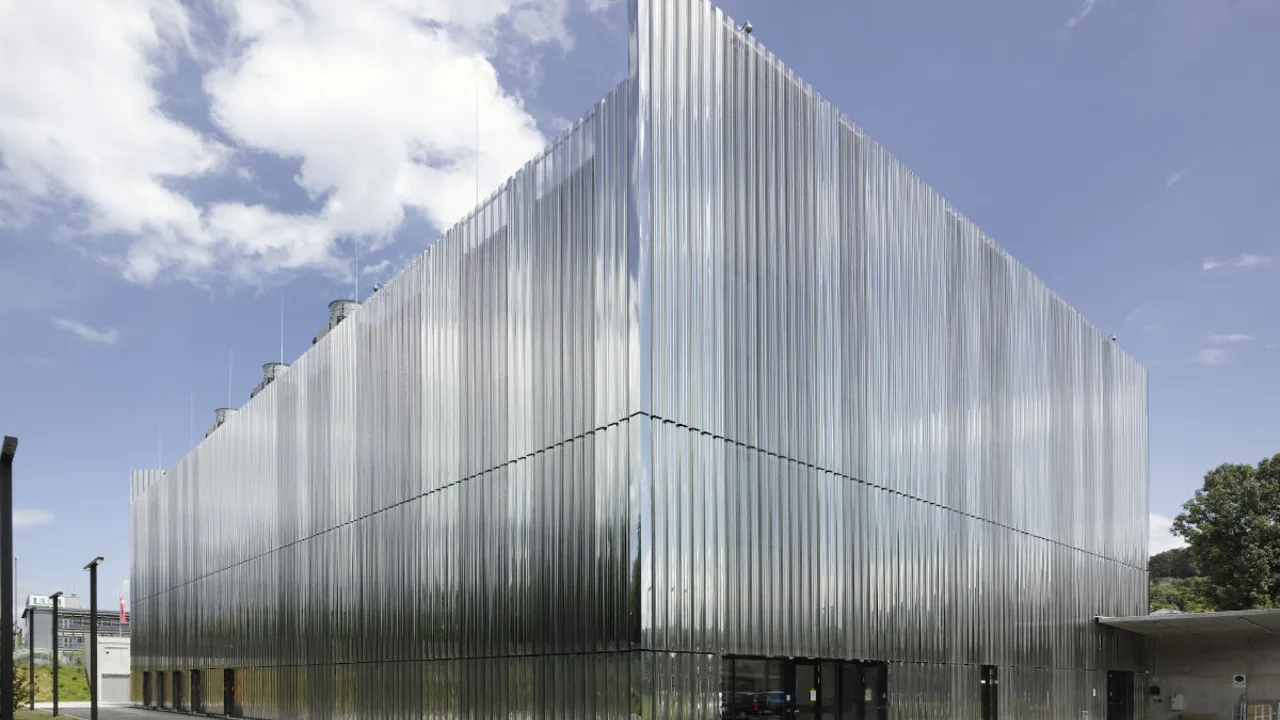
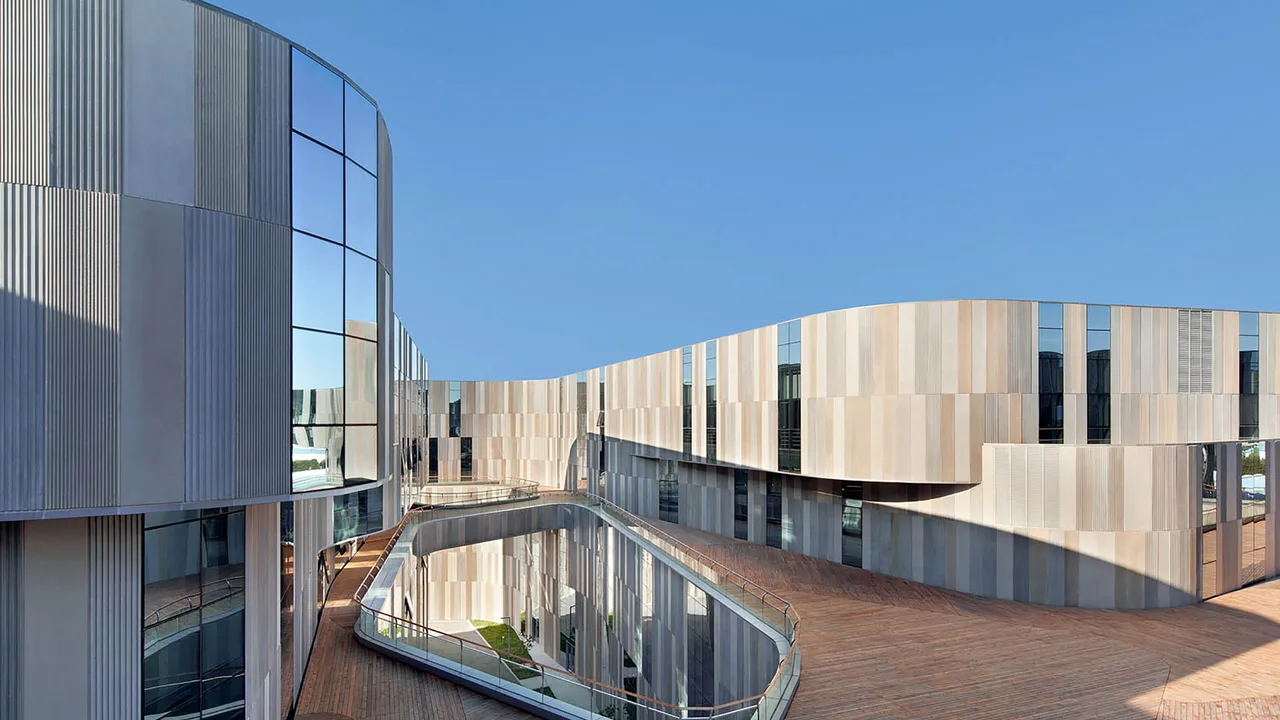
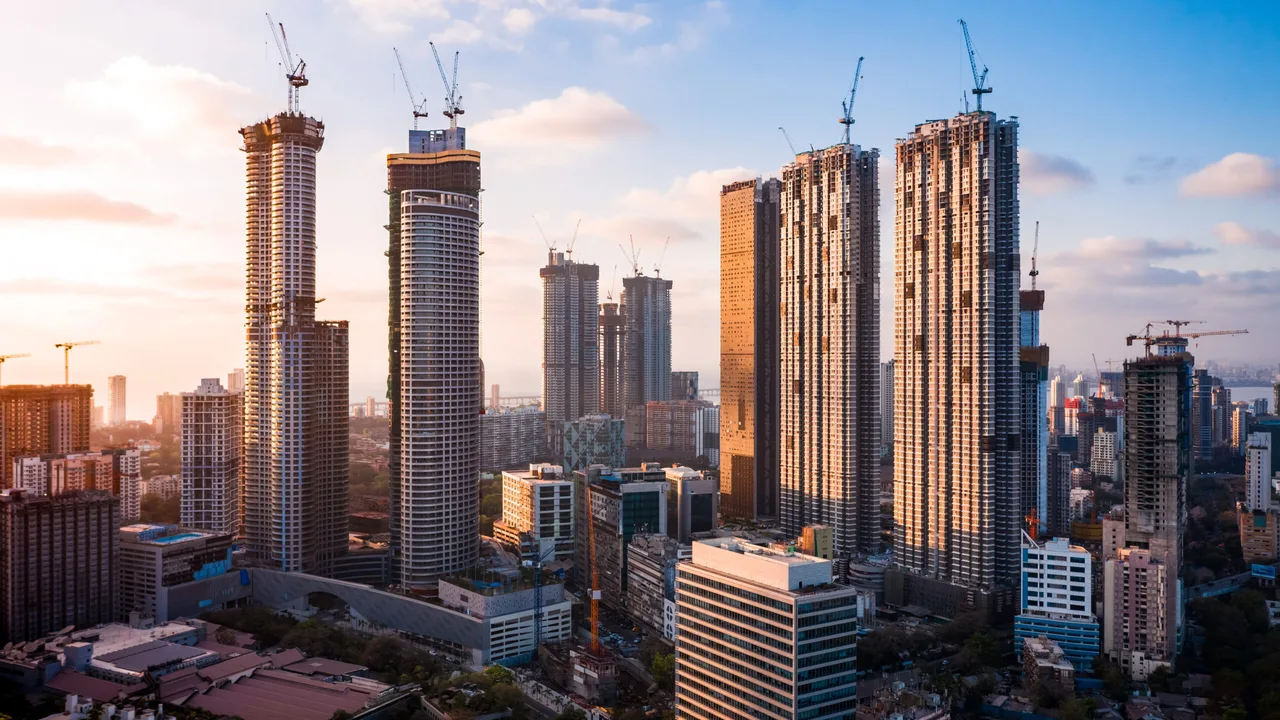
One of the most captivating aspects of industrial interior design is how it merges historical structure with contemporary innovation. Architects and designers have mastered the art of blending weathered industrial elements with sleek modern lines, creating spaces that are both nostalgic and forward-looking. The trend of converting factories and warehouses into living complexes has inspired countless adaptive reuse projects around the world. It’s a movement that values preservation as much as progress.
When executed well, this hybrid design feels effortless — the integrity of the original space remains intact while new additions complement rather than compete. Architects often leave brick walls, metal beams, or concrete floors exposed, contrasting them with minimalist furniture and clean geometry. This fusion honors the industrial past while reflecting the clarity and precision of modern architecture.
Materials and Technology
Contemporary designers are also redefining the industrial look through technology. New treatments for metal, stone, and glass have expanded the creative vocabulary of the style. Polished concrete, corten steel, and textured composites can now achieve refined finishes without losing their rugged charm. These materials pair seamlessly with digital fabrication methods like CNC cutting and 3D printing, pushing industrial aesthetics into the digital age.
Meanwhile, energy-efficient lighting systems and smart home automation have made industrial interiors more livable than ever. Exposed ductwork once seen as purely utilitarian can now house intelligent air filtration systems and LED channels. Resources like Dezeen frequently showcase these innovations, revealing how the line between raw and refined continues to blur in design culture.
Designing for Emotion — The Human Side of Industrial Spaces
Warm Minimalism and Emotional Comfort
Industrial interiors are often misunderstood as cold or impersonal, but the best designs evoke a sense of warmth and belonging. This “warm minimalism” focuses on tactile materials, balanced lighting, and a mindful approach to spatial proportion. Texture plays a key emotional role — the grain of reclaimed wood, the matte finish of concrete, the soft glow of filament bulbs — each element invites touch and connection.
Design psychology has shown that texture and lighting profoundly influence how people feel in a space. By layering light sources, introducing natural materials, and maintaining visual openness, designers create environments that stimulate comfort as much as creativity. The result is a perfect balance between industrial honesty and emotional depth.
Industrial Design in Hospitality and Retail
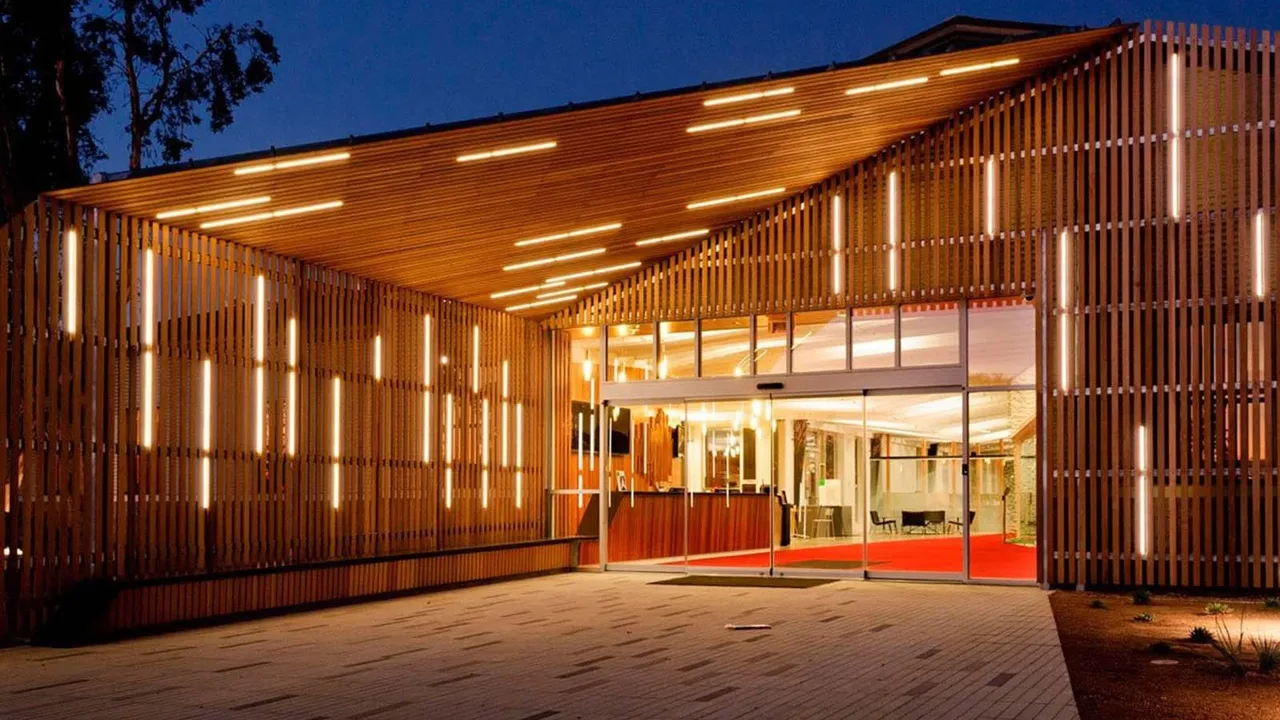
The influence of industrial interior design extends beyond homes and offices into public spaces. Cafés, restaurants, and boutique hotels increasingly use industrial aesthetics to evoke authenticity and creativity. Exposed ceilings, reclaimed furnishings, and subdued lighting create a mood that feels both grounded and artistic. Consumers interpret these cues as indicators of transparency and craft — qualities highly valued in contemporary culture.
For retail brands, industrial interiors communicate trust and durability. A simple concrete counter or steel frame shelving suggests substance and longevity. It’s a visual language that connects product integrity with design integrity, aligning the built environment with brand identity.
Sustainability and the Industrial Mindset
Reuse, Repurpose, Reinvent
The industrial aesthetic’s enduring popularity also reflects growing environmental awareness. At its core, the style promotes reusing existing structures and materials — a key principle of sustainability. By preserving the shell of old buildings, designers reduce demolition waste and conserve embodied energy. Reclaimed wood, salvaged steel, and recycled glass are not only eco-friendly choices but also add depth and authenticity to interiors.
This approach resonates with the concept of circular design, where materials are viewed as resources with continuous lifecycles. Instead of replacing the old with the new, designers reinterpret what already exists. It’s a mindset that aligns aesthetics with ethics — finding beauty in sustainability rather than excess.
The Ethics of Aesthetic Recycling
True sustainability goes beyond visual cues; it’s a philosophy of care and longevity. Ethical designers understand that every design decision carries environmental consequences. Choosing durable materials, minimizing waste, and prioritizing local craftsmanship create a ripple effect that benefits both the community and the planet.
By integrating sustainability into industrial interior design, architects and decorators prove that eco-consciousness can coexist with modern elegance. The goal is not to imitate the past but to reinterpret it responsibly — crafting spaces that look good, feel good, and do good.
Industrial Design as a Modern Classic
What began as a creative experiment in repurposing abandoned buildings has matured into one of the most influential design movements of our time. Industrial interior design embodies resilience, adaptability, and honesty — values that resonate deeply in an era of rapid change. Its power lies in transforming the ordinary into the extraordinary, the raw into the refined.
By blending loft style openness with modern architecture precision, today’s designers are crafting interiors that honor the past while shaping the future. Industrial aesthetics are no longer a niche trend; they’ve become a timeless foundation for creative expression. As we move toward a more sustainable, transparent design culture, industrial design reminds us that true beauty isn’t manufactured — it’s revealed.