At first glance, architecture and fashion may seem like separate creative disciplines—one builds cities, the other dresses bodies. Yet in today’s design landscape, the line between the two is increasingly blurred. The concept of fashion architecture captures this intersection, where garments inspire buildings and structures behave like couture. From sculptural flagship stores to immersive runway spaces, modern design is witnessing a powerful design fusion that reshapes how we experience both clothing and space.
When Structures Become Statements
Both architecture and fashion are forms of expression. They communicate identity, culture, power, and aspiration. While fashion moves with the body, architecture shapes the environments that frame our daily lives. In recent years, fashion architecture has emerged as a creative dialogue between these two worlds, transforming buildings into statements and garments into spatial concepts.
Luxury brands no longer see buildings as simple retail containers. Instead, they commission architectural masterpieces that reflect brand DNA. Similarly, fashion designers borrow structural principles—geometry, balance, proportion—to shape avant-garde silhouettes. Social media has accelerated this shift. A striking façade or a dramatic runway installation can circulate globally within seconds, turning runway spaces into architectural icons.
The Evolution of Fashion Architecture
From Functional Buildings to Experiential Spaces
Historically, fashion relied on architecture in a purely functional way. Boutiques, ateliers, and department stores were designed for display and transaction. The emphasis was on practicality rather than spatial storytelling. However, as branding became more experiential, architecture evolved from backdrop to protagonist.
Today, fashion houses invest heavily in immersive environments. Flagship stores resemble art galleries, while pop-up installations blur the boundary between retail and exhibition. This shift marks the rise of fashion architecture as an intentional strategy rather than a byproduct of commerce.
Modern runway spaces illustrate this evolution clearly. Traditional fashion shows once took place in simple halls with linear seating. Now, designers stage collections in transformed warehouses, mirrored pavilions, desert landscapes, or purpose-built temporary structures that rival permanent architecture in complexity.
The Rise of Design Fusion
The growing collaboration between architects and fashion designers has given birth to a sophisticated design fusion. This process blends material experimentation, structural innovation, and aesthetic boldness. Architects draw inspiration from fabric draping techniques, while designers reference architectural volumes in their collections.
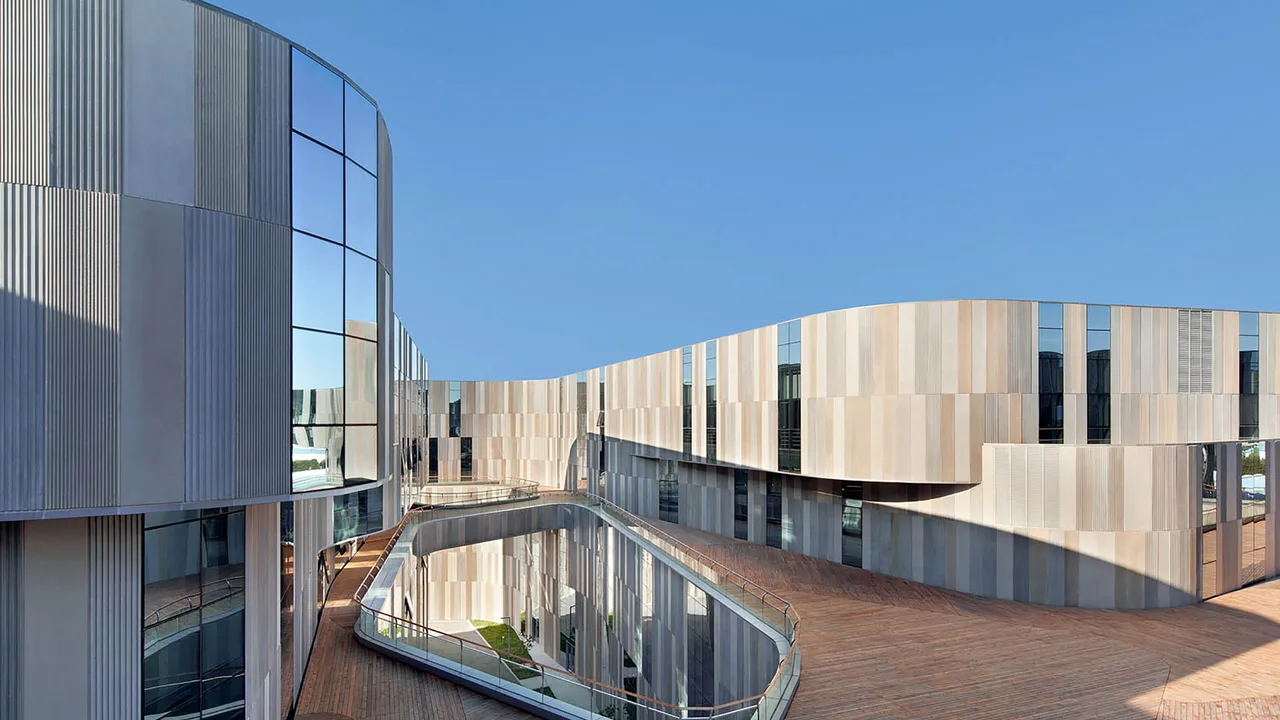
Materials play a central role in this exchange. Lightweight metal meshes echo textile transparency. Glass façades mimic layered fabrics. Parametric modeling software—originally developed for architectural form-finding—now influences garment construction. In turn, the fluidity of couture inspires dynamic building envelopes that appear to ripple like cloth in the wind.
This cross-pollination has elevated fashion architecture beyond visual novelty. It represents a structural and conceptual merging of disciplines, redefining how creative industries collaborate.
Runway Spaces as Architectural Masterpieces
Temporary Structures with Permanent Impact
Among the most visible expressions of fashion architecture are contemporary runway spaces. These environments are often temporary, yet their influence extends far beyond the duration of a single show. Designers now treat runway production as an architectural event, crafting immersive settings that reinforce the narrative of each collection.
Consider how major fashion weeks transform entire districts into stages. Urban landmarks are repurposed, industrial sites are reimagined, and custom-built pavilions rise and disappear within days. These runway spaces challenge traditional notions of permanence, proving that temporary design can leave lasting cultural impressions.
- Spatial immersion — Audiences move through curated environments rather than sitting passively.
- Material experimentation — Reflective floors, translucent walls, and sculptural ceilings enhance drama.
- Brand storytelling — Architecture reinforces thematic elements of the collection.
In this context, runway spaces become more than platforms for garments—they act as three-dimensional manifestos.
Spatial Storytelling Through Design
Architecture shapes perception. Ceiling height influences emotion; lighting defines mood; circulation directs attention. In fashion architecture, these principles are amplified. Designers choreograph movement, guiding audiences through sequences of light, shadow, texture, and sound.
This spatial storytelling extends into digital platforms as well. Hybrid events combine physical environments with virtual layers, allowing global audiences to experience collections through immersive broadcasts. The integration of projection mapping, kinetic structures, and responsive surfaces exemplifies design fusion in action.
Such innovations underscore a broader cultural shift: architecture is no longer static. It performs, adapts, and collaborates—much like fashion itself.
Fashion Architecture in Retail and Public Spaces
Flagship Stores as Sculptural Landmarks
Luxury brands increasingly commission architects to create sculptural retail environments that function as urban landmarks. These flagship stores embody fashion architecture at a civic scale. Their façades curve, fold, and shimmer, echoing the dynamism of haute couture.
In many global capitals, fashion boutiques rival museums in visual impact. The exterior alone becomes a destination for photography and tourism. Internally, spatial layouts encourage exploration rather than direct purchase. Retail transforms into narrative experience.
This approach reflects a deeper design fusion between commerce and culture. By embedding architectural ambition into retail strategy, brands redefine the role of space in shaping consumer perception.
Museums and Fashion Installations
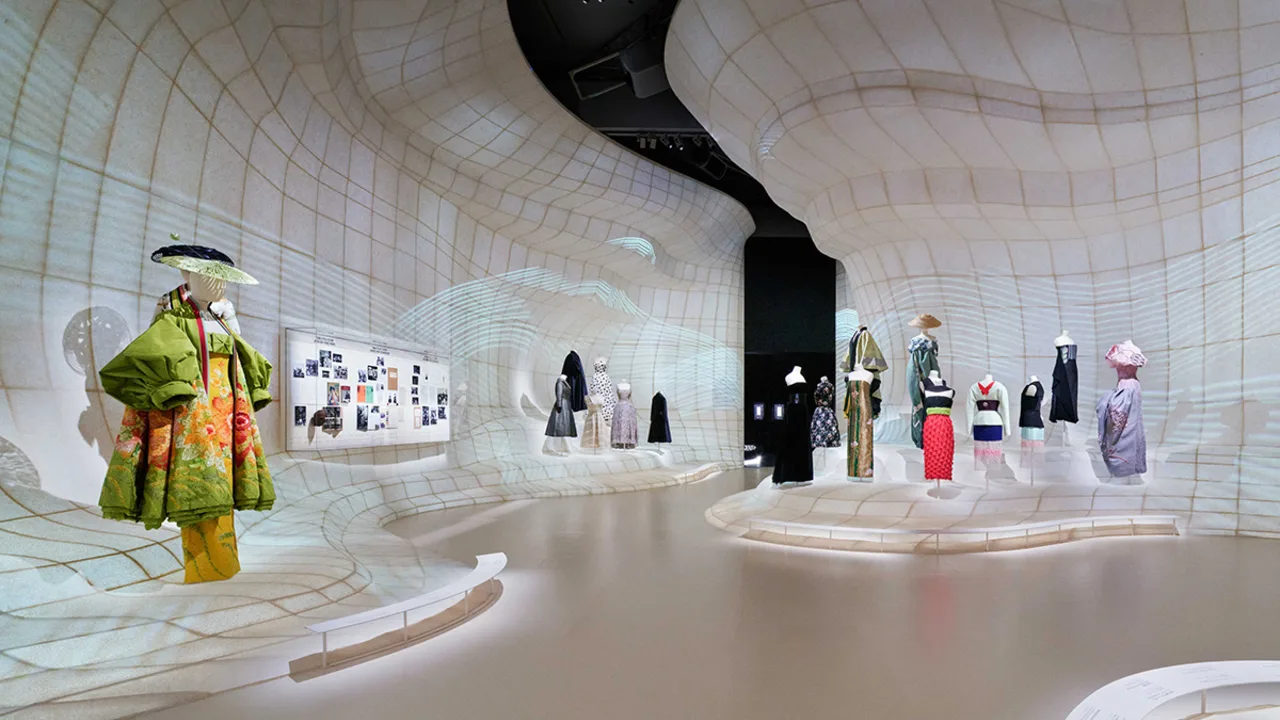
The dialogue between architecture and fashion extends into public institutions as well. Museums now dedicate entire wings to fashion exhibitions, presenting garments within architecturally curated environments. Lighting, circulation paths, and structural framing elevate clothing into sculptural art.
Exhibitions often blur distinctions between display case and installation. Walls bend, platforms float, and fabrics cascade across structural grids. This immersive presentation reinforces the idea that fashion architecture is not confined to retail—it belongs equally to cultural discourse.
By merging spatial design with couture craftsmanship, institutions demonstrate how runway spaces, galleries, and urban landmarks participate in an evolving ecosystem of creativity.
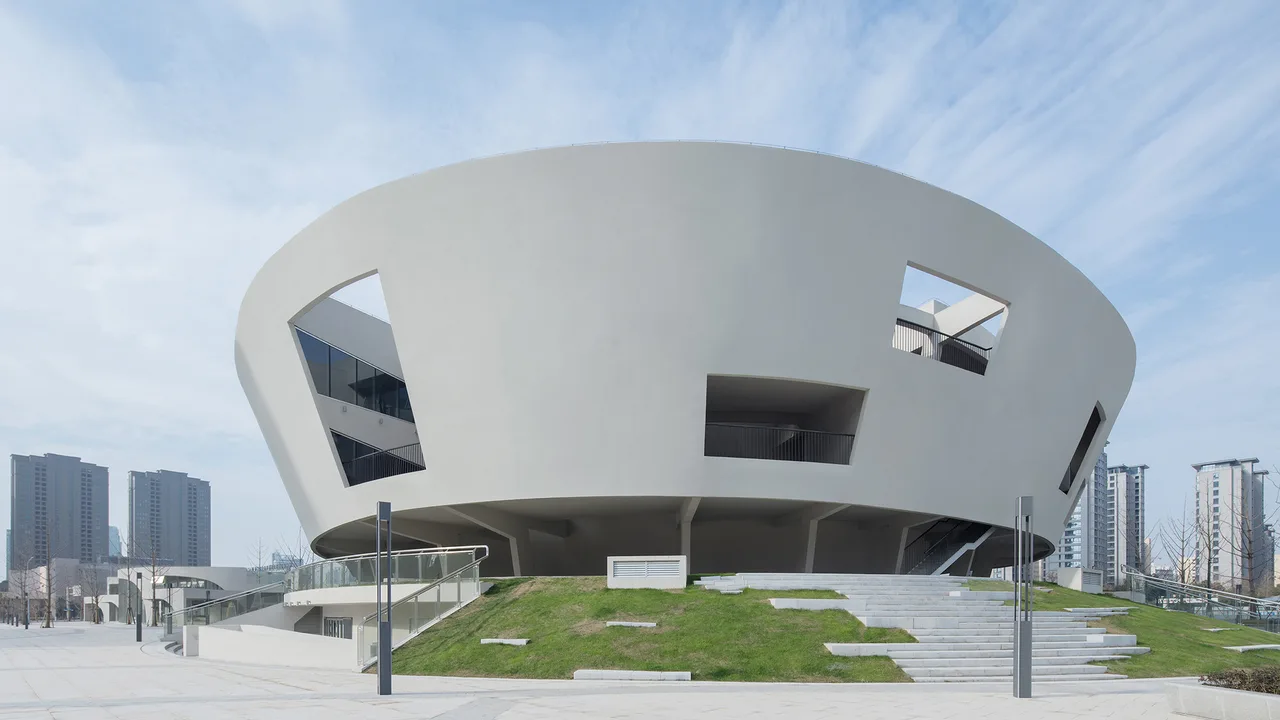
Materials, Texture, and Form — Where Fabric Inspires Steel and Glass
Translating Fabric Flow into Architecture
One of the most compelling aspects of fashion architecture lies in the translation of textile behavior into structural form. The way fabric folds, stretches, gathers, and drapes has inspired architects to rethink façades and interior envelopes. Pleats become louvers. Layers of chiffon inspire translucent panels. Structured tailoring influences rigid, geometric volumes.
Advances in parametric design tools have made this translation even more precise. Algorithms allow architects to simulate the movement of fabric and convert those digital patterns into buildable forms. The result is architecture that appears fluid, almost wearable—buildings that seem to ripple like garments in motion.
This process exemplifies true design fusion. Rather than merely decorating a building with fashion motifs, designers integrate structural logic drawn directly from couture techniques. In doing so, fashion architecture becomes a research-driven discipline grounded in experimentation.
Experimental Materials and Smart Surfaces
Material innovation sits at the heart of this creative exchange. Modern runway spaces and retail environments often feature reflective metals, tensile membranes, translucent composites, and responsive lighting systems. These materials blur the boundary between fabric and structure.
For instance, tensile fabric structures—commonly used in large-scale installations—demonstrate how textile principles can scale into architecture. The structural logic behind such systems is rooted in engineering research similar to what is documented by institutions like the American Institute of Architects, where innovation in materials and spatial performance continues to evolve across disciplines.
In contemporary fashion architecture, materials are rarely static. Interactive surfaces respond to movement or light. Modular panels allow spaces to transform between events. This adaptability reinforces the idea that architecture, like fashion, is dynamic rather than fixed.
Cultural Influence and Global Identity
Fashion Weeks as Urban Catalysts
Major fashion capitals—Paris, Milan, New York, Tokyo—serve as living laboratories for fashion architecture. During fashion weeks, entire neighborhoods transform into stages for creative spectacle. Historic buildings host experimental runway spaces, while industrial districts are reimagined as immersive environments.
These events influence not only branding but also urban development. Temporary installations spark tourism, media attention, and economic activity. Over time, cities integrate design-forward venues into their long-term planning strategies, recognizing the cultural power of design fusion between architecture and fashion.
Runway spaces often leave symbolic footprints even after dismantling. They redefine how citizens and visitors perceive familiar landmarks, proving that architecture can be performative and ephemeral without losing significance.
Local Craft Meets Global Architecture
Another defining feature of fashion architecture is its ability to merge local craftsmanship with global design language. Many contemporary projects incorporate regional materials or artisanal techniques into cutting-edge structures. Woven bamboo panels, hand-carved stone textures, or traditional textile patterns are integrated into modern façades.
This blending of local identity and international innovation reflects the broader philosophy of design fusion. It ensures that creativity does not erase cultural heritage but amplifies it. Architecture becomes a canvas where fashion’s storytelling intersects with geographic memory.
The Future of Fashion Architecture
Sustainable Runway Spaces
As environmental awareness grows, sustainability is reshaping the trajectory of fashion architecture. Designers increasingly prioritize modular construction and reusable materials for runway spaces. Instead of building elaborate one-time sets, many fashion houses now design adaptable systems that can be reconfigured across multiple seasons.
This shift aligns with broader sustainability goals in both architecture and fashion. Lightweight materials reduce transport emissions, while digital simulations minimize construction waste. The emphasis on reusability reinforces that creative ambition and environmental responsibility can coexist.
In this context, design fusion extends beyond aesthetics into ethics. It encourages collaboration between structural engineers, sustainability consultants, and fashion designers to produce spaces that are as responsible as they are visually striking.
Digital Fashion and Virtual Architecture
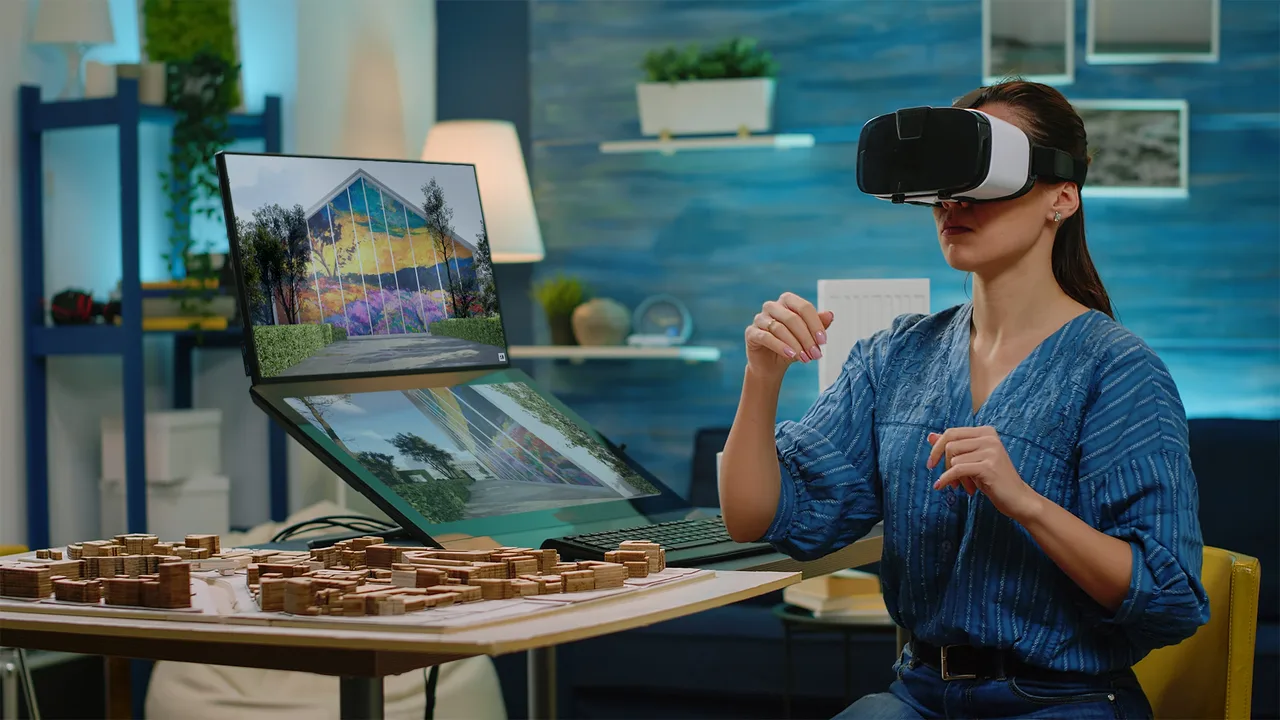
The future of fashion architecture also includes digital realms. Virtual runway spaces, augmented reality installations, and metaverse showrooms are redefining how audiences experience collections. These environments are unconstrained by gravity or material limitations, enabling designers to experiment freely with scale and form.
Digital architecture inspired by fashion often exaggerates texture, movement, and lighting effects. At the same time, physical architecture borrows digital tools to create immersive hybrid experiences. This continuous exchange strengthens the foundation of design fusion in a world increasingly shaped by technology.
As boundaries dissolve between real and virtual, architecture and fashion evolve together—two disciplines responding to cultural change with shared imagination.
A Creative Dialogue Without Borders
The relationship between fashion and architecture has matured into a sophisticated collaboration that extends far beyond aesthetics. Through fashion architecture, garments influence buildings, and structures inform silhouettes. Runway spaces become architectural laboratories, while retail environments transform into sculptural landmarks.
This ongoing design fusion reflects a broader creative movement where disciplines intersect to generate new possibilities. Whether through material experimentation, cultural storytelling, or digital innovation, architecture and fashion continue to redefine each other.
Ultimately, fashion architecture demonstrates that creativity thrives at the edges—where textiles meet steel, where temporary runway spaces leave permanent impressions, and where design fusion reshapes the future of modern expression.