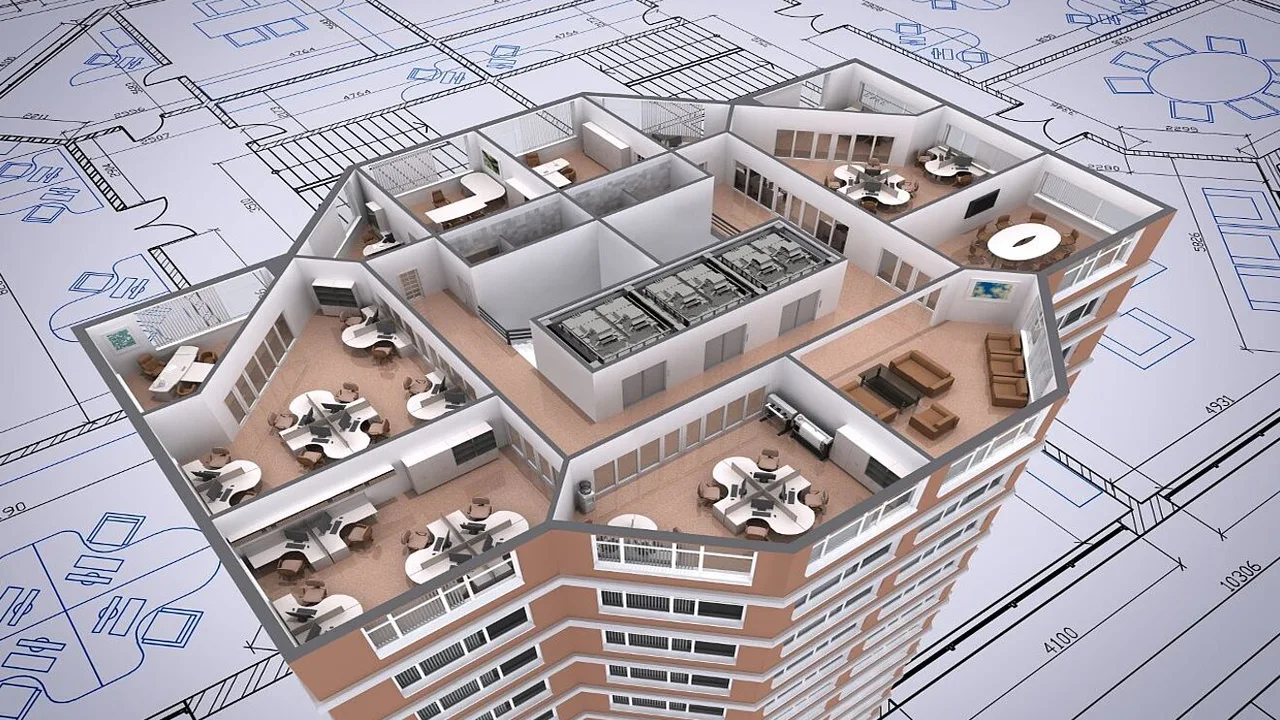
As technology continues to transform the creative industries, 3d modeling architecture has become one of the most revolutionary forces shaping how we design, visualize, and communicate spaces. From intricate concept models to full-scale virtual buildings, 3D modeling is no longer just a design aid—it’s the foundation of modern architecture’s digital future. With the help of automation, AI, and real-time visualization, architects are reimagining what’s possible both creatively and technically.
Introduction
Not long ago, architectural design was an entirely manual process: sketches on tracing paper, physical scale models, and technical drawings created by hand. Today, advanced design software and visualization tools have changed every stage of the workflow. Architects can instantly generate complex geometries, simulate daylighting, and produce immersive renders before a single brick is laid. This digital evolution doesn’t just enhance precision—it allows designers to experiment with bold ideas and visualize them in stunning detail.
At its core, the shift to digital design reflects a broader creative movement. Architects now see technology not as a constraint, but as an extension of imagination. From parametric design to real-time rendering, 3d modeling architecture is the language through which the next generation of design innovation will be spoken.
The Evolution of 3D Modeling in Architecture
From Blueprints to Virtual Environments
The journey from blueprints to digital models has been nothing short of transformative. Early CAD (Computer-Aided Design) systems of the 1980s enabled 2D digital drafting, replacing rulers and ink with mouse clicks. But the true revolution came with BIM (Building Information Modeling), which introduced a holistic, data-rich approach to project design. Instead of simple geometry, BIM represented buildings as intelligent systems—containing information about materials, energy use, and structural integrity.
Today’s architects use these tools not just to draw but to simulate. They can virtually test how a structure responds to sunlight, wind, or occupancy before construction begins. This integration of digital simulation into design has bridged the gap between concept and reality, making 3D modeling the core of every architectural conversation.
The Role of Software Innovation
As hardware and computing power improved, design software evolved into a multidisciplinary toolset. Programs like Revit, Rhino, and SketchUp have become standard for professionals across the world, while parametric systems such as Grasshopper allow for algorithmic control of form and function. Cloud platforms now enable designers in different countries to collaborate on the same model simultaneously, with automatic version control and data syncing.
Many of these innovations stem from the growing collaboration between software developers and design professionals. Through open APIs and plugin ecosystems, architects can customize tools for their own workflows—integrating simulation engines, cost estimators, and sustainability dashboards directly into their design environments. As a result, 3d modeling architecture has transformed from a representational method into a comprehensive digital ecosystem.
Visualization as a Design Language
The Power of Realistic Rendering
Visual communication lies at the heart of architecture. While drawings once served as the bridge between architect and client, photorealistic rendering now brings ideas to life. The ability to present a project as a fully lit, textured 3D environment helps non-technical audiences understand the design intent instantly. These high-quality renders are often indistinguishable from real photographs—allowing clients to “walk through” their future spaces virtually before construction even starts.
Rendering tools have also become more accessible, with engines like V-Ray and Twinmotion making real-time adjustments possible. Instead of waiting hours for a single image, architects can now make live lighting or material changes during presentations. This immediate feedback fosters better collaboration and faster decision-making.
Virtual Reality (VR) and Augmented Reality (AR)
The next frontier in visualization lies in immersive technologies. VR and AR are allowing clients, builders, and stakeholders to experience architecture in entirely new ways. Through a VR headset, an investor can tour a virtual building at full scale; through AR, a client can see a proposed structure superimposed on its real-world site using a smartphone or tablet.
These tools not only improve client understanding but also streamline construction coordination. Builders can visualize where HVAC ducts, beams, or piping will fit in real time, preventing conflicts before they occur. According to recent insights from Autodesk, firms using AR-based collaboration report reduced design errors and better project predictability.
The AI Revolution in 3D Modeling
Generative Design and Automation
Artificial intelligence has entered the architectural studio, introducing generative design tools that can analyze thousands of variations within minutes. Instead of manually modeling every scenario, architects can define goals—such as maximizing daylight, minimizing cost, or improving airflow—and let the AI propose optimal solutions. This approach doesn’t replace creativity; it enhances it by providing new perspectives and options that may not have been considered otherwise.
Automation is also simplifying repetitive modeling tasks. Scripts can automatically create parametric patterns, layout structures, or adjust dimensions when project variables change. For firms managing large-scale projects, these efficiencies translate into saved time, reduced errors, and higher design consistency.
Predictive Visualization
AI also enables predictive simulation, allowing designers to anticipate how materials and systems will behave over time. Machine learning models can analyze historical data to predict maintenance cycles, material degradation, or thermal performance. This evolution of 3d modeling architecture transforms visualization into a predictive science—an intelligent forecasting tool that enhances both aesthetics and functionality.
As the line between design and data continues to blur, AI’s role in architecture becomes not just supportive but strategic. The most innovative firms are already combining AI-powered modeling with sustainability metrics, creating digital ecosystems that evolve with each project iteration.
Collaboration and Cloud-Based Workflows
Multi-User Modeling Environments
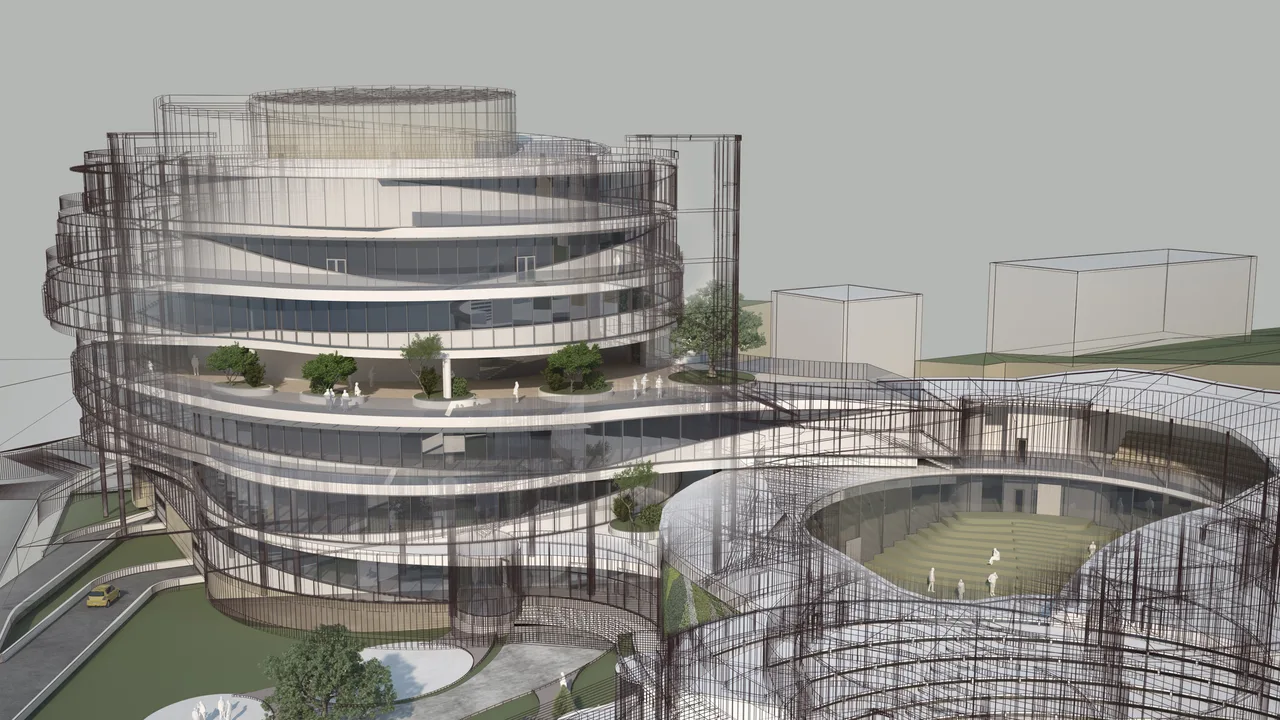
The modern architect is rarely working alone. In today’s digital ecosystem, 3d modeling architecture thrives on collaboration across multiple disciplines and time zones. Cloud-based tools now allow architects, engineers, and contractors to co-author the same model simultaneously, with every adjustment updated in real time. This approach not only increases efficiency but also enhances transparency—every participant can see how design choices affect structure, cost, and sustainability.
Cloud collaboration is particularly valuable for large infrastructure projects that span multiple firms or countries. With a shared platform, communication delays are minimized and design revisions happen instantly. The outcome is a smoother project lifecycle, from conceptual modeling to on-site execution.
Challenges of Data Management
However, this new era of connectivity brings its own challenges. Cloud storage requires strict version control and secure access management. Without clear workflows, overlapping file updates can lead to conflicts or data loss. Interoperability remains another issue—different design software often uses unique file formats, making seamless integration difficult.
To counter this, industry standards like IFC (Industry Foundation Classes) and openBIM are gaining traction. They promote interoperability and ensure that different modeling systems “speak the same language.” As architecture becomes more data-driven, proper management of information will be as vital as design itself.
The Future of Design Software
Parametric and Algorithmic Design
The growing influence of parametric and algorithmic design is redefining how architects approach creativity. Rather than manually sculpting forms, designers now create sets of rules—mathematical or logical relationships—that determine how a model behaves. Tools such as Grasshopper for Rhino or Dynamo for Revit have made this process accessible even to small studios.
Parametric design allows architects to experiment freely while maintaining precise control over performance metrics. Need a façade that adjusts shading according to the sun’s path? Or a structure that optimizes material efficiency? Algorithms can generate endless iterations, allowing human designers to curate the most effective solution. This synergy of logic and artistry has become the signature of modern 3d modeling architecture.
Democratizing 3D Tools
Another major shift is accessibility. As technology evolves, professional-grade modeling and visualization tools are becoming available to everyone—from students to independent creators. Browser-based platforms and affordable rendering engines allow small studios to compete with global firms on visual quality. This democratization of technology fuels diversity in design thinking, encouraging experimentation and innovation.
Mobile applications also extend this flexibility. Architects can now review models, annotate changes, or generate renders on-site using tablets or phones. The ability to carry an entire design studio in your pocket was unimaginable two decades ago—but it’s now standard practice for many professionals.
Sustainability and Smart Modeling
Energy and Material Efficiency
As environmental consciousness grows, 3d modeling architecture is increasingly linked with sustainability analysis. Designers use energy simulation plugins and environmental modeling tools to predict how a building will perform before it’s built. Parameters such as daylighting, airflow, and thermal comfort are calculated directly from the 3D model. This integration helps architects make data-driven decisions that reduce waste and operational energy use.
Smart modeling also supports responsible material choices. Using embedded databases, designers can compare the embodied carbon of steel, concrete, or timber structures. Predictive analytics—based on material life-cycle data from platforms like Building Transparency—make it easier to select low-impact options that align with sustainability goals.
Digital Twins and Lifecycle Monitoring
The next evolution in design software is the concept of the digital twin—a virtual replica of a physical building that evolves in real time. Sensors feed data from the actual structure back into the model, allowing continuous monitoring of performance and maintenance needs. Architects and facility managers can track energy use, structural strain, and user comfort long after completion.
By linking design intent with long-term operational data, digital twins create a feedback loop that improves future projects. This dynamic relationship between virtual and real-world environments represents one of the most powerful transformations in the industry’s history.
Challenges Ahead
Skill Gaps and Technology Overload
While technology brings enormous benefits, it also widens the gap between skilled and unskilled practitioners. Mastering 3d modeling architecture requires a deep understanding of both software and design principles. For many professionals, constant learning has become a necessity. Software updates, plugin changes, and new rendering engines appear faster than traditional education systems can adapt.
Additionally, the sheer number of available tools can overwhelm smaller firms. Selecting the right technology stack—without overcomplicating workflows—is an ongoing challenge. The key is to balance digital capability with creative focus, ensuring that technology serves design rather than dominating it.
Data Ethics and Intellectual Property
Another growing concern is ownership and ethics. As more data flows through collaborative systems and AI-generated designs, questions arise about who truly owns the final output. Intellectual property laws have not yet fully adapted to cover AI-assisted work or algorithmically generated forms. Protecting creative rights while encouraging open innovation will be a defining challenge in the years ahead.
Ethical data use is also critical. When models include real-world data—such as human movement patterns or sensor readings—architects must ensure that privacy and security standards are upheld. Balancing openness with responsibility will define how society trusts technology-driven design.
Conclusion
The future of 3d modeling architecture is both exciting and complex. It represents a merger of artistry, data, and technology—where creativity is enhanced by computation rather than constrained by it. The tools architects use today will continue to evolve, integrating AI, sustainability analytics, and real-time collaboration into a seamless ecosystem.
In this future, models will not only visualize ideas—they will think, adapt, and improve over time. Designers who embrace this transformation will lead the next generation of built environments, where imagination is unlimited and innovation is measurable. The architectural profession is no longer just about drawing buildings—it’s about shaping intelligent systems that learn, respond, and inspire.