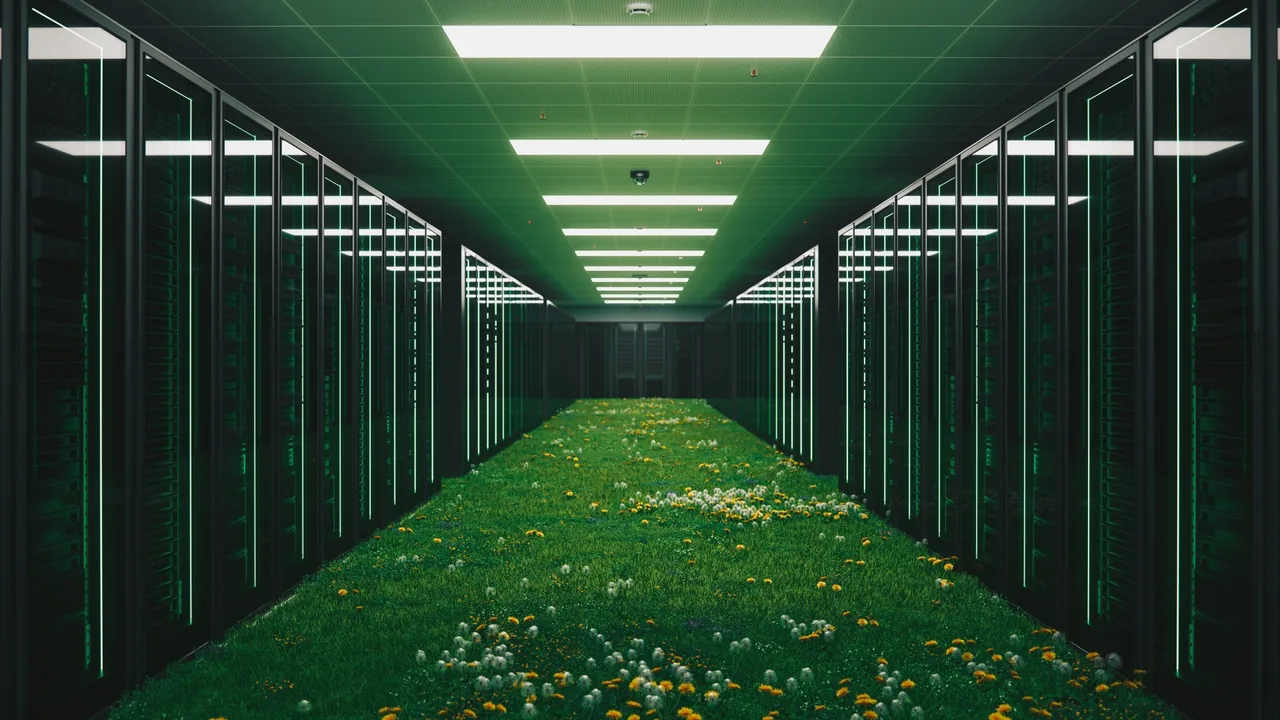
Every click, search, stream, and cloud-based transaction relies on one critical backbone: data centers. These facilities quietly power the digital economy, storing and processing unimaginable volumes of information every second. Yet behind this invisible infrastructure lies a massive environmental challenge. As global demand for computing grows, energy consumption and emissions rise in parallel. This reality is why the concept of green data centers has moved from a niche idea to an industry-wide priority.
Across the world, operators are rethinking how data centers are designed, powered, and managed. The goal is no longer just uptime and performance, but sustainability. From adopting renewable power to redesigning cooling systems and hardware, the data center industry is undergoing a green transformation—one that could reshape the future of digital infrastructure.
Introduction — The Energy-Hungry Backbone of the Digital World
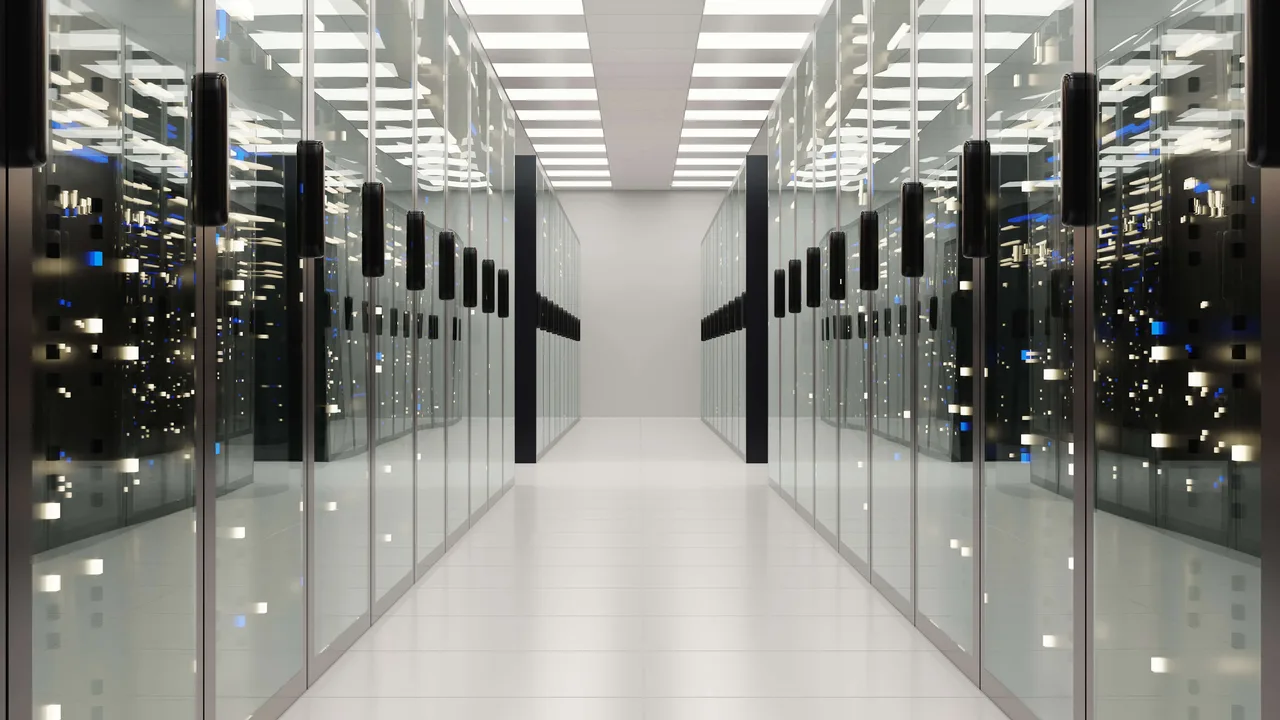
Data centers operate 24 hours a day, 365 days a year. Unlike traditional office buildings, they cannot shut down after business hours. Servers must remain online, cooling systems must run continuously, and backup power must always be ready. This constant operation makes data centers some of the most energy-intensive facilities in the modern economy.
As cloud computing, artificial intelligence, and streaming services expand, the number and size of data centers continue to grow. Without changes in how they are powered and managed, this growth would dramatically increase the industry’s carbon footprint. The push toward green data centers is therefore not just about corporate responsibility—it is about long-term viability.
Why Data Centers Consume So Much Energy
Always-On Infrastructure
The primary reason for high energy consumption is simple: data centers never sleep. Thousands of servers operate simultaneously, each generating heat. To prevent overheating, powerful cooling systems run nonstop. In many facilities, cooling alone can account for nearly half of total electricity usage.
Beyond computing and cooling, energy is also required for lighting, security systems, fire suppression, and network equipment. Redundancy further increases consumption. Most data centers maintain backup generators and uninterruptible power supplies to guarantee uptime even during grid failures.
The Growing Demand for Cloud and AI
Digital transformation is accelerating. Businesses are migrating to the cloud, consumers are streaming more content than ever, and AI models require immense computational resources. Each of these trends increases the load on data centers.
Training a single large AI model can consume as much energy as hundreds of households use in a year. Multiply this by thousands of models and millions of cloud-based applications, and the scale of the challenge becomes clear. Without intervention, energy demand would spiral upward.
What Are Green Data Centers?
Defining Green Data Centers
Green data centers are facilities designed and operated with sustainability at their core. They aim to minimize environmental impact through efficient energy use, reduced emissions, and responsible resource management.
This does not mean sacrificing performance. On the contrary, sustainability and efficiency often go hand in hand. By optimizing systems and eliminating waste, green facilities frequently achieve better reliability and lower operating costs.
Core Principles of Sustainable Data Center Design
- Energy efficiency: Maximizing computing output per unit of electricity.
- Use of renewable power: Sourcing electricity from solar, wind, hydro, or other clean sources.
- Efficient cooling: Reducing reliance on traditional air conditioning.
- Responsible materials: Using sustainable building components and recyclable hardware.
- Water efficiency: Minimizing water use in cooling processes.
When these principles are combined, data centers move closer to true sustainability rather than symbolic “green” branding.
The Shift Toward Renewable Power
Solar and Wind as Primary Energy Sources
One of the most visible changes in the industry is the adoption of renewable power. Large data center operators increasingly sign long-term power purchase agreements (PPAs) with solar and wind farms. These contracts guarantee access to clean energy while providing price stability.
In some cases, operators build their own renewable facilities near data center campuses. On-site solar arrays and nearby wind turbines directly feed clean electricity into operations, reducing dependence on fossil-fuel-based grids.
On-Site vs Off-Site Renewable Energy
There are two main approaches to sourcing renewable energy:
- On-site generation: Solar panels or small wind systems installed at the data center location.
- Off-site procurement: Purchasing clean energy from remote renewable projects.
On-site generation provides visibility and independence but is limited by space and geography. Off-site procurement allows access to large-scale renewable projects, often at lower cost. Many operators adopt a hybrid model, combining both strategies.
Innovative Technologies Powering Green Data Centers
Advanced Cooling Systems
Cooling is one of the biggest levers for reducing energy use. Traditional air conditioning is being replaced or supplemented by more efficient solutions such as liquid cooling, free-air cooling, and immersion cooling.
Liquid cooling circulates coolant directly to server components, removing heat more efficiently than air. Free-air cooling takes advantage of naturally cold outdoor air in suitable climates. AI-driven systems further optimize cooling by adjusting temperatures in real time based on workload patterns.
Energy-Efficient Hardware
Modern servers are designed to deliver more computing power while consuming less electricity. Low-power processors, solid-state drives, and optimized power supplies all contribute to efficiency gains.
Virtualization and containerization also play a major role. By running multiple workloads on fewer physical servers, operators reduce hardware requirements and overall energy consumption.
Reducing Carbon Footprint in Data Center Operations
Measuring and Tracking Emissions
You cannot manage what you do not measure. Leading operators track energy use and emissions across every aspect of their operations. Real-time dashboards show how much power is being consumed, where it comes from, and how efficiently it is used, often based on standardized greenhouse gas emissions measurement frameworks.
This data-driven approach allows continuous improvement. Inefficient equipment can be identified and replaced, and operational practices can be refined.
Carbon Offsetting and Neutrality Goals
Even with aggressive efficiency and renewable strategies, some emissions remain. Many organizations invest in carbon offset programs or set net-zero targets to balance their remaining impact.
While offsets are not a substitute for real reductions, they can complement broader sustainability efforts as the industry moves toward full decarbonization.
Case Examples of Green Data Center Initiatives
Across the globe, both hyperscale cloud providers and regional operators are investing heavily in sustainability. Large technology companies now design entire campuses around renewable energy availability, while smaller operators experiment with modular and energy-efficient facilities.
Some hyperscale data centers are located near wind or solar farms to ensure a steady supply of clean electricity. Others establish long-term power purchase agreements (PPAs) that guarantee a fixed amount of renewable power for decades. Regional operators, meanwhile, often focus on innovative cooling techniques and energy-efficient hardware to reduce overall consumption.
These initiatives demonstrate that sustainability is not limited to industry giants. With the right strategy, organizations of all sizes can move toward green data centers and achieve meaningful reductions in environmental impact.
Business Benefits of Going Green
Cost Efficiency Over Time
One of the biggest misconceptions about sustainability is that it always costs more. While green infrastructure may require higher upfront investment, operational savings often outweigh these costs over time. Energy-efficient equipment, optimized cooling, and the use of renewable power can significantly reduce electricity bills.
In addition, predictable energy pricing through PPAs helps protect operators from market volatility. Over the lifespan of a data center, these savings can amount to millions of dollars.
Regulatory Compliance and Brand Image
Governments around the world are tightening environmental regulations. Data center operators that proactively adopt sustainable practices are better positioned to meet future compliance requirements. This reduces legal risk and avoids costly retrofits.
Beyond regulation, sustainability also enhances brand reputation. Customers and investors increasingly prefer companies that demonstrate environmental responsibility. Operating green data centers signals long-term thinking, innovation, and commitment to global challenges.
Challenges in Building Green Data Centers
High Initial Investment
Advanced cooling systems, renewable energy infrastructure, and efficient hardware require capital. For some organizations, these upfront costs can be a barrier. However, as technology matures and adoption increases, prices continue to fall.
Financial incentives, tax credits, and green financing options are also becoming more widely available, helping offset initial expenses.
Infrastructure and Location Constraints
Not all regions have easy access to renewable energy. Some locations lack sufficient solar or wind resources, while others face grid limitations. In these cases, operators must rely on off-site renewable procurement or hybrid solutions.
Despite these constraints, creative planning and partnerships allow many organizations to move forward with sustainability goals.
The Future of Green Data Centers
The evolution of green data centers is far from complete. Emerging trends point toward even greater efficiency and intelligence in the years ahead.
- AI-driven energy management: Algorithms will continuously optimize power and cooling.
- Modular data centers: Prefabricated units that reduce construction waste.
- Circular economy practices: Reuse and recycling of hardware components.
As these innovations mature, sustainable design will become the default rather than the exception.
Conclusion — Toward a Cleaner Digital Infrastructure
The digital world depends on data centers, but it does not have to come at the expense of the planet. Through efficiency, innovation, and the adoption of renewable energy, the industry is redefining what responsible infrastructure looks like.
Green data centers represent a critical step toward reducing the technology sector’s environmental impact. By embracing this transformation, operators can support global sustainability goals while building resilient, future-ready facilities.