Energy efficient factory design has become a major focus in modern industry. Manufacturing plants consume large amounts of electricity, fuel, and water every day, which makes efficiency an important factor for both cost control and environmental responsibility. Companies are now looking for ways to reduce energy use without lowering production capacity. This has led to new approaches in factory design, equipment selection, and operational management.
In the past, factories were built mainly for strength and production speed. Today, engineers also consider insulation, airflow, lighting, and automation systems to make facilities more efficient. The goal of an energy efficient factory is not only to save power, but also to create a stable working environment, reduce waste, and improve long-term performance.
What Makes an Energy Efficient Factory
An energy efficient factory is a facility designed to use the minimum amount of energy required to maintain production. This does not mean slowing down machines or limiting output. Instead, it means using smarter systems so that every unit of energy produces the highest possible result.
Factories consume energy in many ways. Motors, lighting, heating, cooling, compressed air, and material handling systems all require power. When these systems are not optimized, energy is wasted even when the factory is operating normally.
Modern industrial design focuses on controlling these losses. Engineers study how energy moves through the building and identify where improvements can be made. Sometimes a simple change in layout or equipment can reduce consumption significantly.
Another important element is planning. Efficiency is easier to achieve when it is included from the beginning. Upgrading an existing plant is possible, but designing an energy efficient factory from the start usually gives better results.
Why Energy Efficiency Matters in Modern Industry
Energy cost is one of the largest expenses in manufacturing. As fuel and electricity prices rise, inefficient factories become less competitive. Companies that reduce consumption can produce goods at lower cost and maintain stronger profit margins.
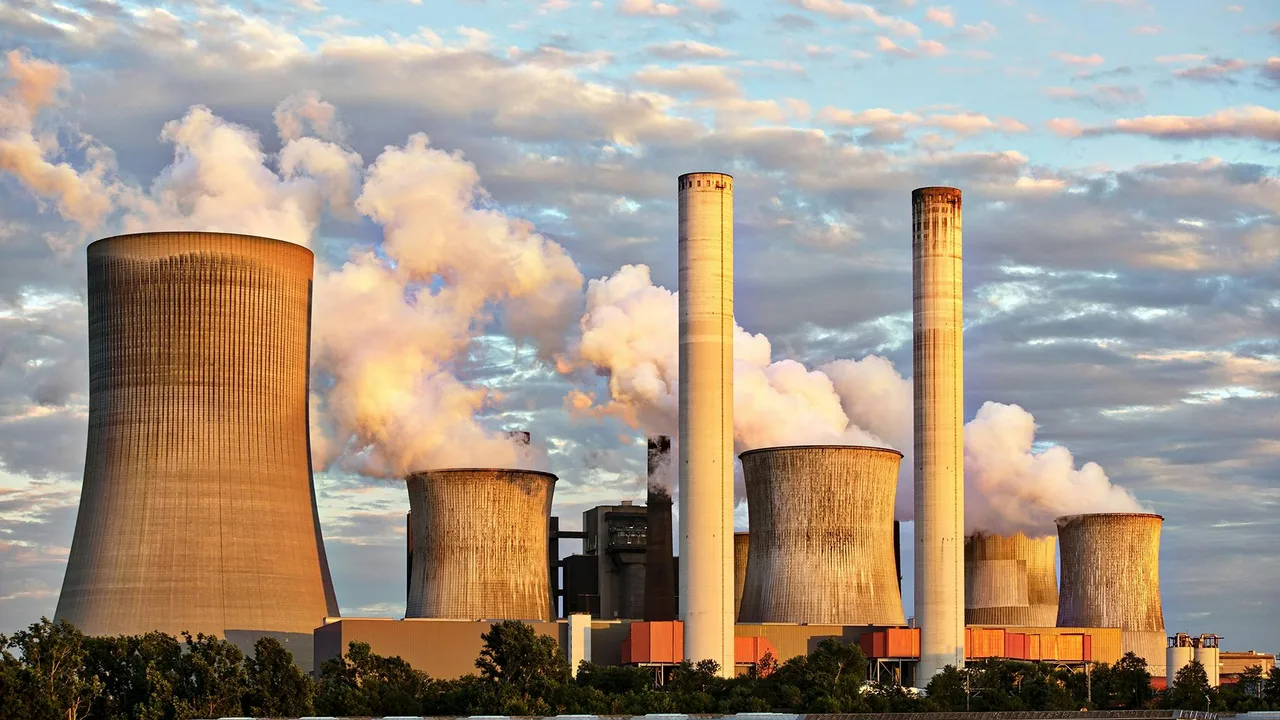
Environmental pressure is another reason efficiency has become important. Governments in many countries require industries to reduce emissions and use cleaner technology. Meeting these rules often requires improving energy performance.
Customers also pay more attention to sustainability. Businesses that can show efficient production methods often gain advantage in international markets. Energy saving is no longer only about cost, but also about reputation.
Efficiency also improves reliability. When machines run with less waste and better control, there are fewer breakdowns. This reduces maintenance time and keeps production stable.
Because of these factors, building an energy efficient factory is now part of long-term business strategy, not just a technical choice.
Factory Design and Layout for Energy Efficiency
The layout of the building has a strong influence on energy use. A well-planned structure allows natural light, better ventilation, and easier material flow. These factors reduce the need for additional power.
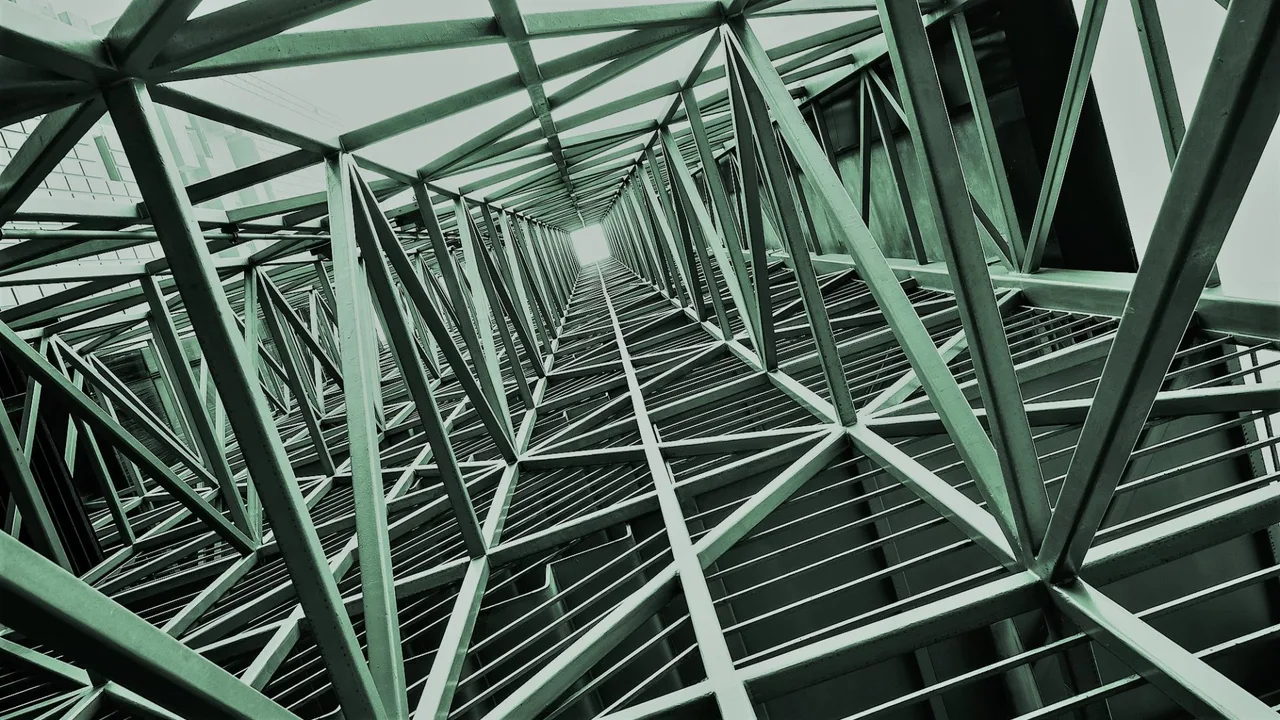
Orientation is one of the first decisions in factory design. Positioning the building to take advantage of sunlight can reduce lighting cost during the day. Proper roof design can also limit heat gain, which reduces cooling demand.
Insulation is another key factor. Walls and roofs that keep temperature stable help reduce the energy required for heating or cooling. In large industrial buildings, even small improvements in insulation can save significant power.
Important design elements in an energy efficient factory often include:
- High roof height for better airflow
- Natural ventilation openings
- Insulated wall and roof panels
- Skylights for daylight use
- Efficient material flow layout
Ventilation also plays an important role. Removing hot air naturally can reduce the need for mechanical cooling. When airflow is planned correctly, the working environment becomes more comfortable while using less energy.
Automation and Its Role in Energy Saving
Modern automation systems help factories operate more efficiently by controlling machines with precision. Instead of running equipment at full power all the time, automated systems adjust speed and output according to demand.
Sensors can detect when a machine is not in use and reduce power automatically. Smart controls can also coordinate different parts of the production line so that energy is not wasted waiting for materials or instructions.
Automation also reduces human error. Incorrect settings or unnecessary operation can increase energy consumption. When processes are controlled digitally, performance becomes more consistent.
Another advantage of automation is data collection. Modern systems record energy use in real time, allowing managers to see where power is being used and where improvements are possible. This makes it easier to maintain an energy efficient factory over long periods.
Sustainability Principles in Industrial Buildings
The concept of sustainability is closely connected to energy efficiency. A sustainable factory not only saves power but also reduces waste, uses durable materials, and limits environmental impact.
Renewable energy is becoming more common in industrial facilities. Solar panels, wind power, and other clean energy sources can supply part of the electricity needed for production. Even when renewable energy cannot cover all demand, it can reduce total consumption from traditional sources.
Material efficiency is another important principle. Using strong and durable materials reduces the need for frequent replacement. This lowers both cost and environmental impact.
Heat recovery systems are often used in modern factories. Instead of releasing hot air from machines, the heat can be reused for heating or other processes. This improves overall efficiency.
Water management also affects energy use. Pumps, treatment systems, and cooling processes require power. Efficient water systems reduce both water and energy consumption, supporting the goal of a more sustainable and energy efficient factory.
Energy Efficient Factory Equipment and Systems
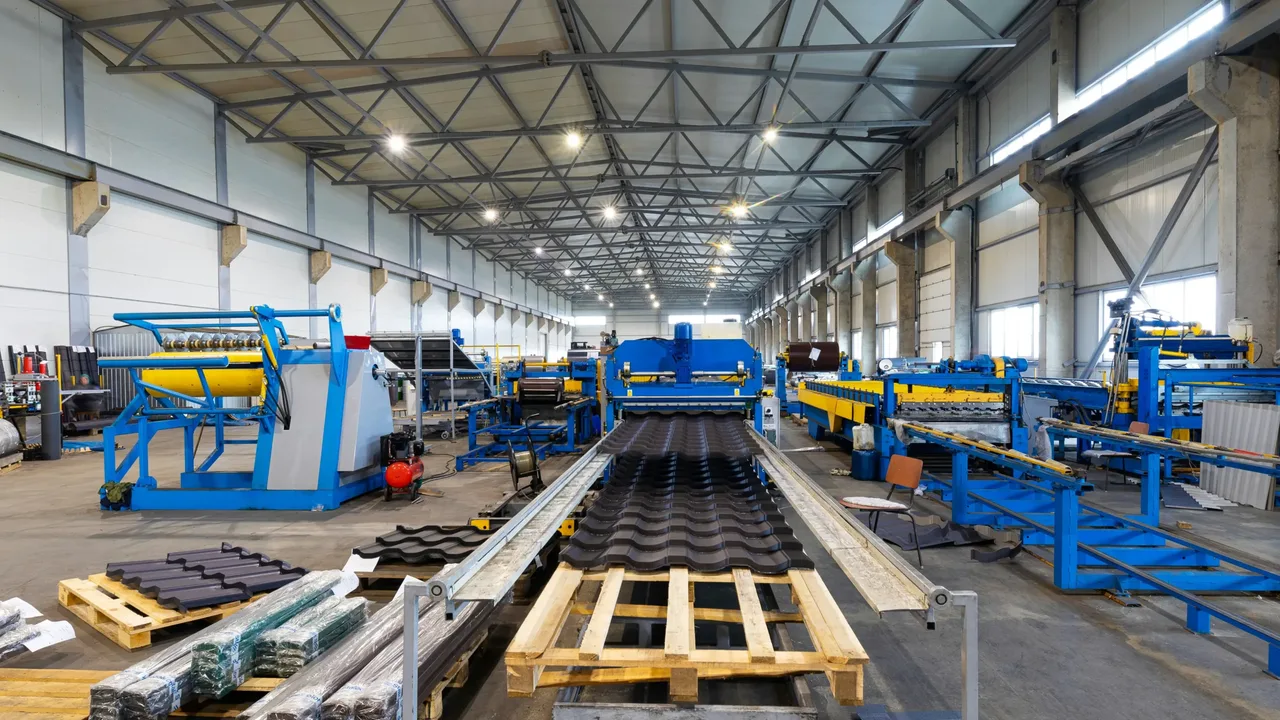
In addition to building design, the choice of equipment plays a major role in creating an energy efficient factory. Modern machines are designed to produce more output while using less power. Replacing outdated equipment with efficient models can reduce energy consumption without changing the production process.
Electric motors are one of the largest energy users in industrial facilities. High-efficiency motors and variable speed drives allow machines to run only at the level needed instead of operating at full power all the time. This reduces unnecessary consumption and improves performance.
Lighting systems have also improved significantly. Traditional lamps use more electricity and produce extra heat, while LED lighting provides the same brightness with lower power usage. In large factories, switching to efficient lighting can make a noticeable difference.
Heating, ventilation, and air conditioning systems must also be designed carefully. Instead of cooling or heating the entire building, modern systems control temperature only where needed. This targeted approach saves energy while maintaining comfort.
Common systems used in an energy efficient factory include:
- High-efficiency electric motors
- Variable speed drives
- LED lighting systems
- Smart HVAC control
- Energy monitoring devices
When these technologies work together, the factory can maintain high production while keeping energy use under control.
Data and Monitoring for Energy Control
One of the most effective ways to maintain an energy efficient factory is continuous monitoring. Without accurate data, it is difficult to know where energy is being used or wasted. Modern factories use digital systems to track consumption in real time.
Energy management software collects information from machines, lighting, and environmental systems. Managers can see how much power is used at different times and identify areas that need improvement.
Real-time monitoring also allows quick response to problems. If a machine starts using more energy than normal, the system can alert operators before the issue becomes serious. This prevents unnecessary cost and reduces downtime.
Predictive maintenance is another advantage of data systems. By analyzing performance over time, software can predict when equipment needs service. This keeps machines running efficiently and avoids sudden failures.
Industrial efficiency standards often recommend regular monitoring as part of energy management. Organizations such as the U.S. Department of Energy provide guidelines showing that measurement and control are essential for reducing power consumption in manufacturing.
With proper monitoring, an energy efficient factory can maintain stable performance even as production changes.
Challenges in Building Energy Efficient Factories
Although the benefits are clear, creating an energy efficient factory is not always simple. One of the biggest challenges is the higher initial cost. Efficient equipment, insulation, and automation systems require more investment at the beginning of the project.
Design complexity is another difficulty. Energy-saving features must be planned carefully so they do not interfere with production. Engineers must balance efficiency with practicality.
Training is also necessary. Workers and managers need to understand how to use new systems correctly. Without proper knowledge, even the best technology may not deliver the expected results.
Upgrading old factories can be especially difficult. Existing buildings may not have enough space for new equipment or improved insulation. In these cases, efficiency improvements must be done step by step.
Despite these challenges, many companies find that long-term savings make the investment worthwhile. Lower energy cost, fewer breakdowns, and better performance often compensate for the higher starting expense.
Future of Energy Efficient Factory Design
The future of the energy efficient factory will depend on smarter systems and better integration between machines, buildings, and digital technology. Factories are becoming more connected, allowing equipment to communicate and adjust automatically.
Artificial intelligence is expected to play a larger role. AI systems can analyze production data and find ways to reduce energy use without slowing output. This allows factories to improve efficiency continuously.
Smart grids will also influence industrial design. Instead of using power at fixed rates, factories may adjust their consumption based on energy availability. This helps balance the electrical system and reduces cost.
Fully automated plants may become more common. When machines operate with precise control, waste is reduced and energy is used more effectively. This combination of automation and digital monitoring will make future factories more efficient than ever.
The idea of sustainability will continue to guide industrial development. Companies are expected to reduce emissions and use cleaner energy sources while maintaining productivity. As technology improves, building an energy efficient factory will become the standard rather than the exception.