Carbon neutral cities have become one of the most ambitious goals in modern urban development. Governments, planners, and technology companies often promote the idea that smart cities powered by advanced systems and clean energy can eliminate their environmental impact. However, the reality behind this concept is far more complex. Cities are responsible for the majority of global emissions, and transforming them into fully sustainable environments requires deep changes in infrastructure, technology, and economic systems.
Urban areas consume enormous amounts of energy every day. Transportation networks, residential buildings, factories, data centers, and public services all depend on continuous power supply. Because of this, achieving true neutrality is not simply about installing solar panels or using electric vehicles. It requires redesigning how cities are built, how they operate, and how resources move through them. The discussion around carbon neutral cities is therefore not only about environmental policy, but also about engineering, economics, and long-term planning.
The Concept of Carbon Neutral Cities
The term carbon neutral cities refers to urban areas that balance the amount of greenhouse gases they produce with the amount they remove or offset. This does not always mean zero emissions, but rather that total emissions are compensated through renewable energy, carbon capture, or offset programs.
It is important to distinguish between several commonly used terms:
- Low-carbon cities — cities that reduce emissions but do not eliminate them
- Net-zero cities — cities that produce no net emissions over time
- Carbon neutral cities — cities that balance emissions through offsets or clean systems
Urbanization is one of the main reasons this topic has become critical. More than half of the world population now lives in cities, and that percentage continues to grow. Dense urban environments concentrate energy use, transportation, and industrial activity in a small area, which makes emission reduction extremely difficult.
According to climate research from organizations such as the International Energy Agency, cities account for a large share of global energy consumption. Because of this, improving urban efficiency is considered one of the fastest ways to reduce environmental impact.
Why Carbon Neutral Cities Are Hard to Achieve
Creating carbon neutral cities is challenging because modern urban systems depend on continuous energy and material flow. Every building needs electricity, every road supports transportation, and every industry requires resources. Even when renewable energy is introduced, the total demand often continues to grow.
One of the biggest obstacles is transportation. Cars, trucks, buses, trains, and airplanes all contribute to emissions. Switching to electric vehicles helps, but electricity itself must come from clean sources. In many regions, the power grid still depends on fossil fuels, which means the emissions simply move from the street to the power plant.
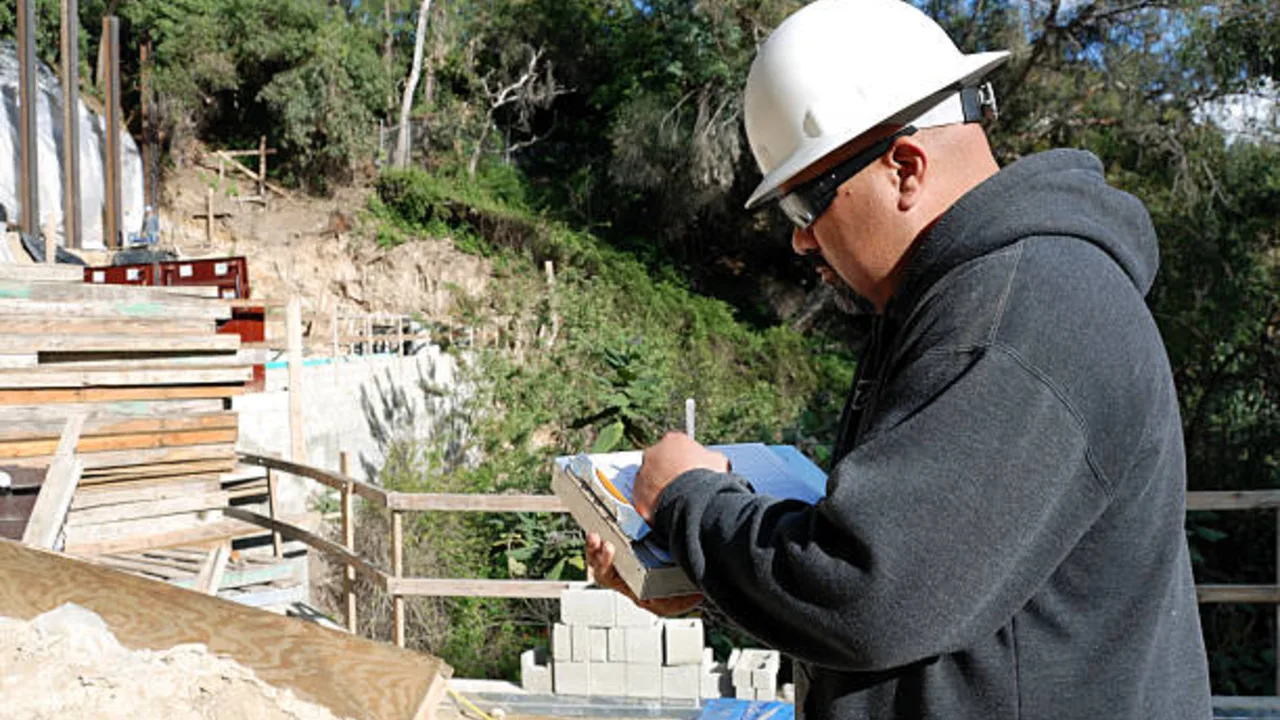
Construction is another major factor. Cities constantly expand, and building new structures requires materials such as steel, concrete, and glass. Producing these materials generates large amounts of carbon dioxide. Even if a building operates efficiently later, the emissions from construction remain part of its environmental footprint.
Population growth also increases pressure on urban systems. More residents mean more housing, more transportation, more water usage, and more waste. This makes it difficult for sustainability goals to keep up with real demand.
Sustainability Infrastructure as the Foundation
Without strong sustainability infrastructure, the idea of carbon neutrality cannot work. Smart cities depend on integrated systems that manage energy, water, transportation, and waste in a coordinated way. Instead of treating each sector separately, modern urban planning focuses on building networks that reduce total resource consumption.
Renewable energy is usually the first step. Solar panels, wind farms, and hydroelectric systems can supply clean electricity, but they must be connected to smart grids that balance supply and demand. A city cannot rely on renewable power alone without proper storage and distribution systems.
Water management is another essential component. Smart water networks monitor usage, detect leaks, and recycle wastewater when possible. This reduces energy consumption and prevents unnecessary resource loss.
Waste management also plays a major role. Instead of sending garbage to landfills, many modern cities use waste-to-energy systems that convert organic material into fuel or electricity. These systems reduce methane emissions and improve efficiency.
Key elements of sustainability infrastructure often include:
- Smart electrical grids with real-time monitoring
- District heating and cooling systems
- High-efficiency public transport networks
- Green building standards
- Urban renewable energy integration
Without these systems, even the most advanced smart city technology cannot achieve real environmental balance.
The Role of Urban Technology in Smart Cities
Modern smart cities rely heavily on urban technology to improve efficiency. Sensors, data platforms, and automated controls allow city managers to monitor energy use, traffic flow, and environmental conditions in real time. This information makes it possible to reduce waste and optimize operations.
One of the most important tools is the Internet of Things. Devices installed across the city collect data about temperature, lighting, transportation, and energy consumption. These systems help reduce unnecessary usage by adjusting services automatically.
Artificial intelligence is also used to manage complex urban networks. Traffic signals can adapt to real-time conditions, power systems can balance load automatically, and maintenance teams can repair infrastructure before failures occur. These improvements may seem small individually, but together they can significantly reduce emissions.
Digital twin technology is another innovation used in advanced city planning. A digital twin is a virtual model of a real city that allows engineers to simulate changes before they are built. By testing different designs, planners can choose options that require less energy and produce fewer emissions.
Automation also improves efficiency in public services. Smart lighting systems reduce electricity use, automated trains lower transportation emissions, and intelligent building controls optimize heating and cooling. These technologies make carbon neutral cities more realistic, but they also introduce new challenges because digital systems require power, hardware, and maintenance.
Can Existing Cities Become Carbon Neutral?
Transforming existing cities is much harder than building new ones. Many urban areas were designed decades or even centuries ago, long before sustainability became a priority. Roads, buildings, and utilities were not built for modern efficiency standards, which means upgrades can be expensive and technically difficult.
Retrofitting infrastructure often requires replacing entire systems. Old power grids may not support renewable energy, older buildings may not meet efficiency standards, and transportation networks may be difficult to redesign. Because of this, some experts believe that building new smart cities is easier than converting old ones.
The difference between upgrading an old city and building a new one can be summarized as follows:
| Factor | Existing City | New Smart City |
|---|---|---|
| Infrastructure | Limited by old design | Designed for efficiency |
| Cost | High retrofit cost | High initial cost |
| Flexibility | Low | High |
| Speed of change | Slow | Faster |
Political and social factors also influence the process. Residents may resist major changes, and governments must balance environmental goals with economic growth. Because of these challenges, many projects labeled as carbon neutral cities only achieve partial results.
Examples of Cities Trying to Go Carbon Neutral
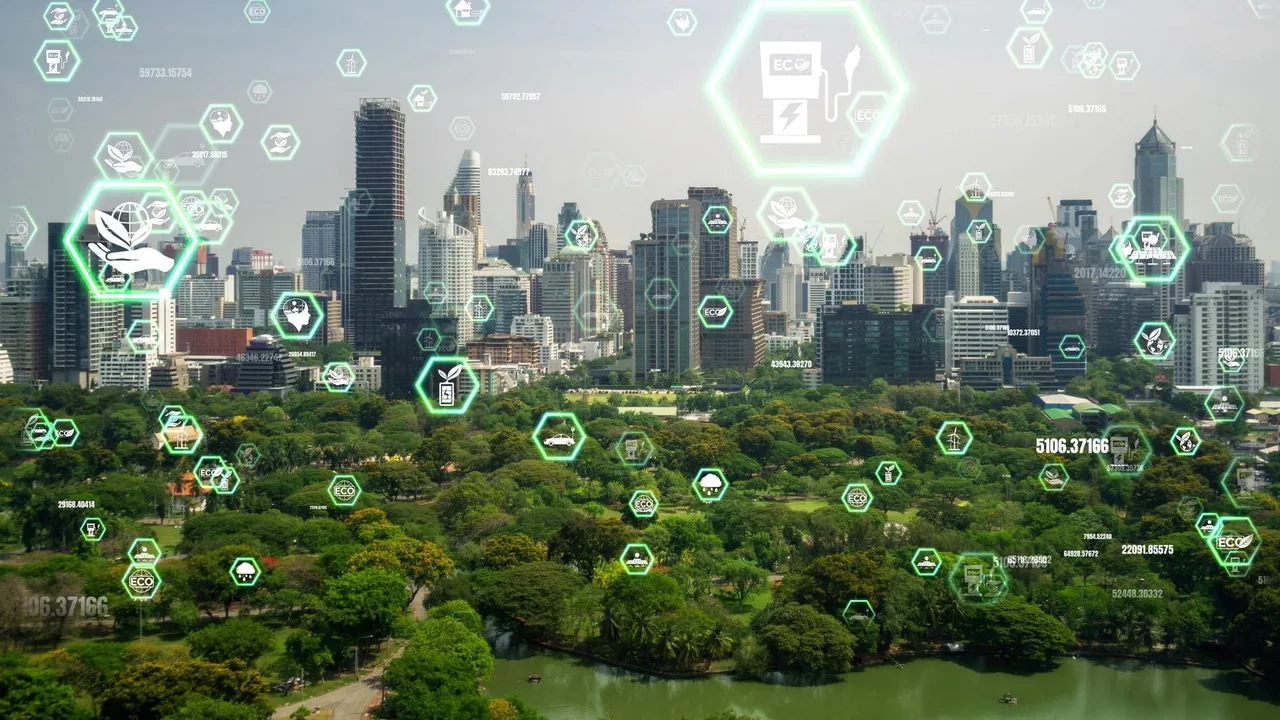
Several cities around the world have announced plans to become carbon neutral cities, but the results vary depending on local conditions, funding, and political commitment. While some projects show real progress, others reveal how difficult it is to eliminate emissions completely.
Copenhagen is often mentioned as one of the most advanced examples. The city has invested heavily in renewable energy, bicycle infrastructure, and efficient public transportation. A large percentage of residents commute by bike, and district heating systems reduce the need for individual building energy use. Despite these improvements, the city still depends on external energy sources and imported materials, which makes full neutrality difficult.
Singapore represents another approach based on technology and planning. Because of limited land, the city focuses on vertical development, efficient public transport, and strict building standards. Smart monitoring systems help manage electricity, water, and traffic. However, the high density of the city means energy demand remains extremely high, and complete neutrality is still a long-term goal.
Masdar City in the United Arab Emirates was designed as a fully sustainable city from the beginning. The project uses renewable energy, automated transport, and high-efficiency buildings. Even so, the development has taken longer than expected, and some original goals had to be adjusted due to cost and technical limitations.
Stockholm has also made progress through renewable energy, waste-to-energy plants, and efficient public services. The city reduced emissions significantly over the past decades, but maintaining economic growth while reducing carbon output continues to be a challenge.
These examples show that building carbon neutral cities is possible in theory, but in practice the process takes decades and requires constant investment.
Hidden Emissions Most Smart City Plans Ignore
Many smart city proposals focus on operational efficiency but ignore hidden emissions that come from construction, supply chains, and technology manufacturing. These indirect emissions can be large enough to cancel out the benefits of advanced systems.
Construction materials are one of the biggest sources of hidden carbon. Producing cement, steel, and glass requires high temperatures and large amounts of energy. Even if a building later uses renewable electricity, the emissions created during construction remain part of its total footprint.
Another overlooked factor is imported energy. Some cities appear clean because they buy electricity from outside regions. In reality, the emissions still exist, but they are produced somewhere else. This makes it difficult to measure the true environmental impact of urban development.
Supply chains also play a major role. Food, consumer goods, and industrial products must be transported into cities every day. Trucks, ships, and airplanes all generate emissions that are rarely included in city-level calculations.
Modern digital infrastructure adds another layer of complexity. Data centers, communication networks, and electronic devices require constant power and cooling. As urban technology becomes more advanced, energy consumption from digital systems continues to grow.
Because of these hidden factors, some experts argue that the goal of fully neutral urban environments may be unrealistic without major changes in global production and transportation systems.
Is Carbon Neutral City a Real Goal or Just a Target?
The idea of carbon neutral cities is often used as a long-term target rather than an immediate result. Governments set neutrality goals for 2030, 2040, or 2050, but reaching those targets depends on technology that may not yet exist at large scale.
One of the main challenges is balancing environmental goals with economic growth. Cities must provide housing, jobs, and services for growing populations. These activities require construction, transportation, and energy, which naturally produce emissions. Reducing carbon output too quickly can slow development, while ignoring environmental impact creates long-term risks.
Political changes can also affect sustainability programs. A project started by one administration may be modified or delayed by the next. Because carbon neutrality requires decades of consistent planning, long-term commitment is essential but not always guaranteed.
There is also debate about the use of carbon offsets. Some cities claim neutrality by investing in renewable projects or forest programs in other regions. While this can reduce global emissions, it does not always mean the city itself operates without environmental impact.
For these reasons, the concept of carbon neutrality should be seen as a direction rather than a simple technical solution. Progress depends on continuous improvement in infrastructure, policy, and technology.
The Future of Carbon Neutral Cities
The future of carbon neutral cities will likely depend on the combination of new materials, better planning methods, and smarter energy systems. Instead of relying on a single solution, modern urban design focuses on integrating multiple strategies to reduce total emissions over time.
Next-generation sustainability infrastructure may include decentralized energy networks where buildings produce their own power and share it with nearby facilities. This reduces transmission losses and makes cities more resilient to supply problems.
New construction materials are also being developed to lower emissions. Engineers are testing low-carbon concrete, recycled steel, and modular building systems that require less energy to produce. These innovations could reduce the environmental impact of future urban expansion.
Artificial intelligence will continue to improve city management. Advanced software can predict energy demand, optimize transportation routes, and control building systems automatically. When combined with renewable energy, these tools can significantly reduce waste.
Autonomous transport may also change urban emissions. Self-driving buses, electric delivery vehicles, and shared mobility systems can reduce the number of private cars on the road. This lowers fuel consumption and improves traffic efficiency.
Even with these technologies, reaching full neutrality remains difficult. Cities are complex systems connected to global supply chains, and complete independence from carbon-based energy may not be possible in the near future. However, steady improvement in planning, technology, and infrastructure can move urban areas closer to balance.
The question is not only whether carbon neutral cities can exist, but how much effort societies are willing to invest to make them possible. The answer will depend on engineering innovation, economic priorities, and long-term commitment to sustainable development.