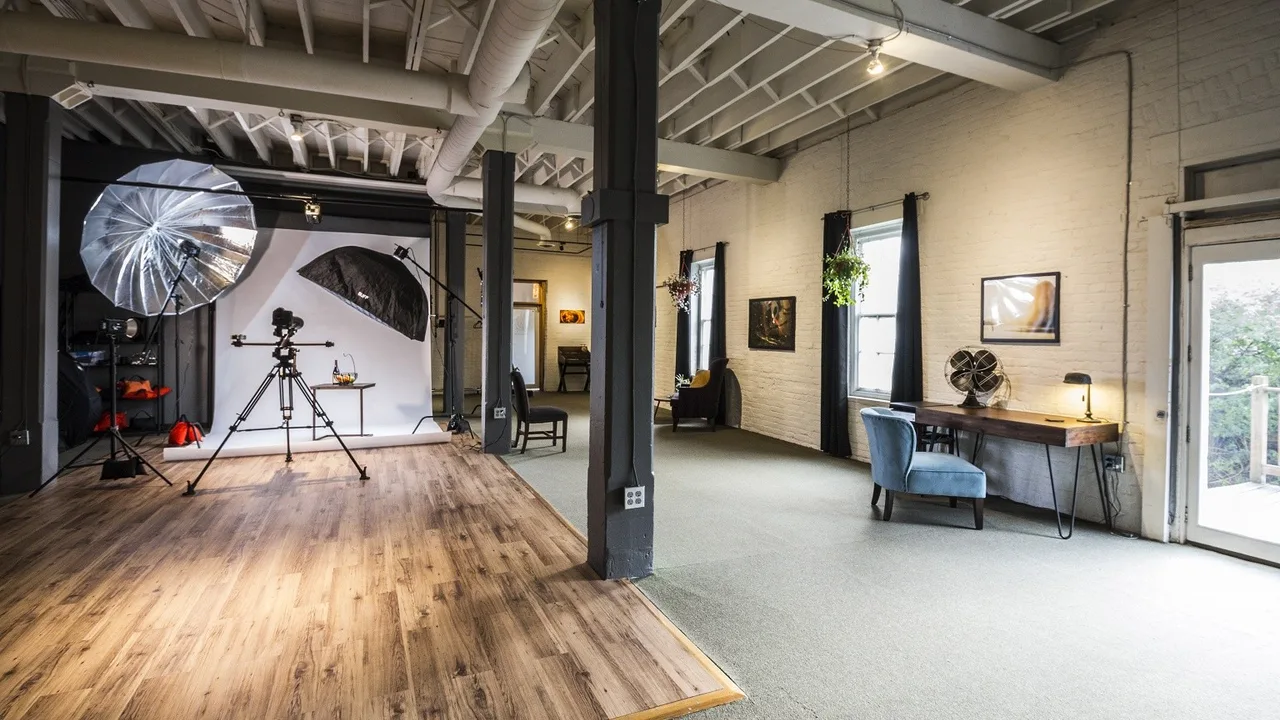
Creative studio layout plays a major role in how effectively creative professionals work, think, and produce ideas. Whether someone is a designer, photographer, writer, or content creator, the structure of the workspace directly influences focus, comfort, and output quality. A well-designed studio is not just about aesthetics—it is about creating an environment that supports creativity while minimizing friction in daily tasks.
Many professionals underestimate how much their surroundings affect their workflow. A poorly arranged space can slow down processes, create unnecessary distractions, and reduce overall efficiency. On the other hand, a thoughtful creative studio layout can improve clarity, encourage consistency, and make long working sessions more sustainable.
Why Creative Studio Layout Matters More Than You Think
Creative work often depends on mental flow. Unlike routine tasks, creative processes require periods of deep focus followed by moments of exploration. The physical environment must support both states. When a workspace is disorganized or uncomfortable, it interrupts concentration and breaks momentum.
The layout of a studio also affects how quickly tools and materials can be accessed. If essential items are difficult to reach, even simple tasks can become time-consuming. Over time, these small inefficiencies add up and reduce productivity.
Another important factor is psychological comfort. A space that feels balanced, open, and visually clear allows the mind to focus on creative tasks rather than being overwhelmed by clutter. This is why many professionals invest time in refining their creative studio layout instead of constantly upgrading equipment.
Understanding Different Types of Creative Workspaces
Not all creative studios are the same. The ideal layout depends on the type of work being done. A digital designer working on a computer will have very different needs compared to a painter or a photographer.
For digital creators, the workspace often revolves around a central desk setup with screens, input devices, and lighting. In contrast, artists may require open floor space, storage for materials, and areas for experimentation.
Collaboration also changes how a studio should be designed. A solo workspace can be optimized for personal efficiency, while a shared studio must consider communication, shared resources, and flexible seating arrangements.
Understanding these differences is essential before designing a creative studio layout. Without this clarity, it is easy to create a space that looks good but does not support actual work.
Core Principles of a Functional Creative Studio Layout
A successful studio layout is built around function first, then refined with aesthetics. One of the most important principles is zoning. Instead of treating the studio as a single space, it should be divided into areas for specific activities.
For example, a workspace may include a primary work zone, a storage area, and a relaxation corner. This separation helps the brain associate each area with a different purpose, making it easier to switch between tasks.
Movement flow is another key factor. The layout should allow smooth transitions between different zones without obstacles. If moving around the studio feels inconvenient, it can interrupt workflow and reduce efficiency.
Clutter control is equally important. While creative spaces often include many tools and materials, they should be organized in a way that keeps the main working area clear. This balance between accessibility and simplicity defines a strong creative studio layout.
Workspace Setup That Supports Creativity
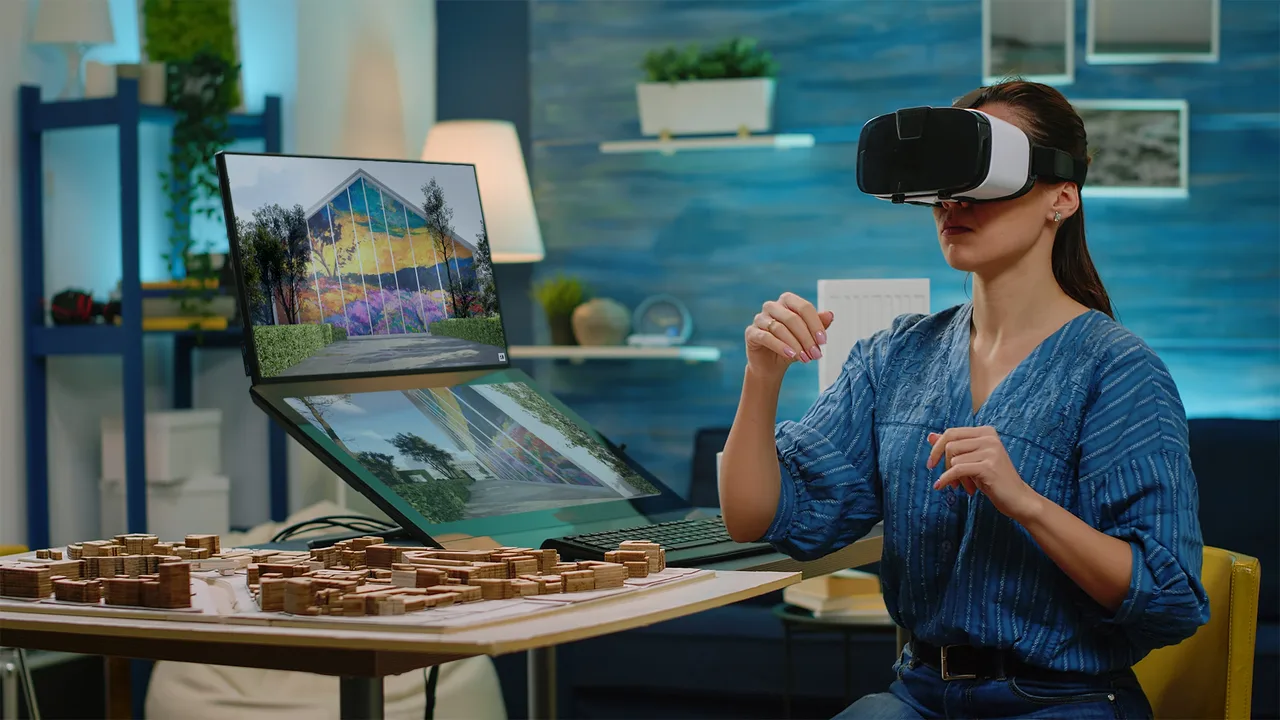
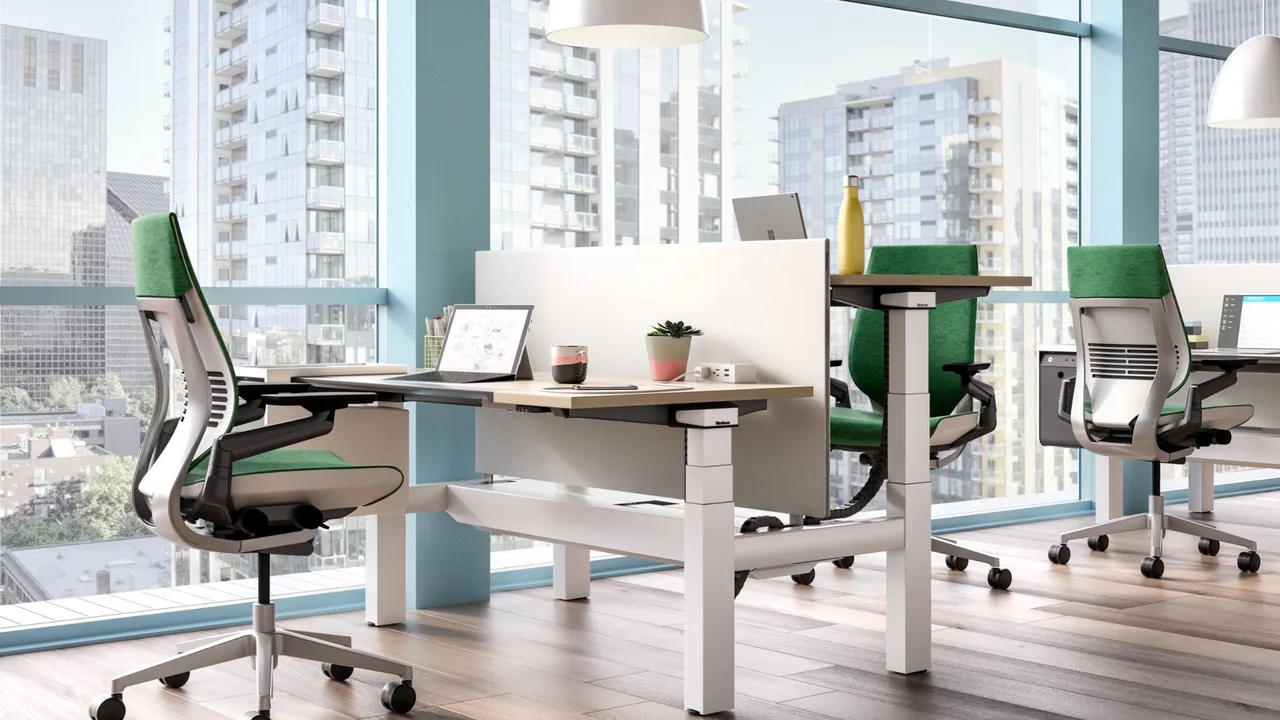
An effective workspace setup is at the center of every productive studio. The position of the desk, chair, and equipment should support both comfort and efficiency. Ergonomics plays a major role here, as long working hours can lead to physical strain if the setup is poorly designed.
Desk placement should ideally take advantage of natural light. Positioning the workspace near a window can improve mood and reduce the need for artificial lighting during the day. However, glare on screens should also be considered when choosing the exact position.
Storage solutions are often overlooked but are critical for maintaining a clean workspace. Drawers, shelves, and modular storage systems help keep tools organized without taking up too much space. This makes it easier to focus on creative tasks instead of searching for materials.
Equipment placement should follow frequency of use. Items used daily should be within easy reach, while less frequently used tools can be stored further away. This simple adjustment can significantly improve workflow efficiency.
Productivity Design: Turning Layout Into Output
The concept of productivity design focuses on how a workspace can actively improve output, not just support it. A well-designed studio reduces distractions and creates a structure that encourages consistent work habits.
One approach is to limit visual noise. Too many objects, colors, or decorations can compete for attention and make it harder to concentrate. Keeping the main workspace visually simple allows creative energy to be directed toward the task itself.
Another aspect is routine. When a studio layout remains consistent, it becomes easier to build habits. Sitting in the same position, using the same tools, and following the same workflow can reduce decision fatigue and improve efficiency over time.
Designing for productivity does not mean removing all personality from the space. Instead, it means placing visual elements in a way that supports motivation without becoming distracting. This balance is what separates an average workspace from an effective creative studio layout.
Lighting, Acoustics, and Sensory Factors
Lighting has a direct impact on both mood and performance. Natural light is generally preferred because it creates a more comfortable and dynamic environment. However, artificial lighting is still necessary, especially for evening work or detailed tasks.
Task lighting, such as desk lamps, helps focus light on specific areas without affecting the entire room. Ambient lighting, on the other hand, creates overall brightness and reduces harsh contrasts. A combination of both is usually the best solution.
Acoustics also play a role in creative environments. Noise can either be a distraction or a source of inspiration, depending on the individual. Some professionals prefer complete silence, while others work better with background sound.
Temperature and airflow should not be ignored either. A comfortable environment makes it easier to maintain focus during long sessions. These sensory factors may seem minor, but they contribute significantly to the effectiveness of a creative studio layout.
Personalization Without Compromising Function
Every creative professional wants a workspace that reflects their identity. Personalization is what turns a generic room into an inspiring studio. However, adding too many decorative elements can reduce functionality if not managed carefully.
A balanced creative studio layout allows for personality without creating distractions. Inspiration boards, artwork, and color accents can be powerful tools when placed intentionally. Instead of covering every wall, it is often more effective to highlight specific areas that trigger ideas or motivation.
Color psychology also plays a role. Neutral tones help maintain focus, while small accents of vibrant colors can stimulate creativity. The goal is to create a visual environment that feels energizing without becoming overwhelming.
Personal items such as books, tools, or collected objects can also contribute to the atmosphere. The key is to integrate them into the layout rather than letting them take over the workspace.
Common Mistakes in Creative Studio Layout
Designing a studio without a clear plan often leads to mistakes that affect productivity. One of the most common issues is overcrowding. Trying to fit too many elements into a limited space can make the environment feel chaotic and reduce efficiency.
Poor lighting is another frequent problem. Relying on a single light source can create shadows and strain the eyes, especially during long working hours. Proper lighting should be layered and adjustable.
Ignoring workflow is also a critical mistake. If the layout does not match how work is actually performed, it creates unnecessary movement and wasted time. Tools should be placed based on real usage, not just visual arrangement.
Many people also prioritize aesthetics over function. While a studio may look impressive, it becomes ineffective if it does not support daily tasks. A successful creative studio layout always starts with functionality and builds visual appeal around it.
Adapting Studio Layout for Small Spaces
Not every creative professional has access to a large studio. Small spaces can still be highly effective when designed properly. The key is to maximize efficiency without making the space feel cramped.
Multi-functional furniture is one of the best solutions. A desk that includes storage, a foldable table, or a modular shelf system can reduce the need for additional items. This approach keeps the workspace flexible and organized.
Vertical storage is another important strategy. Using wall-mounted shelves or hanging systems allows more floor space to remain open. This makes the studio feel larger and easier to navigate.
Minimalism often works well in compact environments. By focusing only on essential tools and removing unnecessary items, it becomes easier to maintain a clean and productive workspace. Even a small room can support a strong creative studio layout when designed with intention.
Future Trends in Creative Studio Design
The way creative professionals work continues to evolve, and studio design is changing with it. Hybrid workspaces are becoming more common, where a single studio supports multiple types of work such as design, content creation, and communication.
Modular layouts are gaining popularity because they allow spaces to adapt over time. Instead of fixed furniture, designers are using movable elements that can be rearranged based on current needs. This flexibility is especially useful for freelancers and small teams.
Smart furniture and digital integration are also shaping the future. Adjustable desks, automated lighting, and connected devices make it easier to control the environment and improve efficiency. These technologies support both comfort and productivity without requiring major structural changes.
Another trend is the blending of digital and physical workspaces. Creative professionals often move between software tools and physical materials, so the layout must support both. This means integrating screens, storage, and open work areas into a single cohesive system.
As these trends develop, the concept of a perfect creative studio layout will continue to evolve. Instead of a fixed formula, it will become a flexible approach that adapts to different workflows, technologies, and creative needs.