
Community living trend is gaining attention again as people begin to rethink what it means to live well in modern cities. For decades, independence and privacy were seen as the ultimate goals of urban life. Owning or renting a private apartment symbolized success, stability, and personal freedom. However, this model has also created unintended consequences, including isolation, high living costs, and inefficient use of space.
Today, a growing number of people are exploring alternative ways of living that prioritize connection, flexibility, and shared resources. The revival of the community living trend is not simply about nostalgia for the past. It is driven by real economic pressures, changing lifestyles, and the need for more human-centered urban environments.
The Return of the Community Living Trend
The community living trend reflects a shift in how people view housing. Instead of focusing only on private ownership, many are now interested in shared experiences and collaborative spaces. This approach blends private living areas with shared facilities, creating a balance between independence and social interaction.
Historically, community living was common in villages and small towns where neighbors interacted daily. Modern urban life changed this dynamic by separating people into individual units with limited contact. Now, cities are slowly moving back toward designs that encourage connection, but with updated systems that fit contemporary lifestyles.
This shift is also influenced by cultural changes. Younger generations often value experiences over ownership, and they are more open to flexible living arrangements. Instead of committing to long-term leases or large mortgages, they prefer adaptable housing options that match their mobility and career paths.
Why Modern Cities Created Isolation
Urban development over the past few decades has focused heavily on efficiency and density. High-rise buildings, compact apartments, and fast-paced lifestyles have made cities more productive, but they have also reduced opportunities for meaningful social interaction.
In many urban housing environments, residents may live in the same building for years without knowing their neighbors. Daily routines are often limited to work, commuting, and private indoor activities. While digital platforms allow people to stay connected online, they cannot fully replace face-to-face interaction.
This isolation has become a growing concern, especially in large cities where people are surrounded by others but still feel disconnected. Studies on urban lifestyle trends have linked loneliness to mental health issues, reduced productivity, and lower overall well-being.
As a result, many individuals are starting to question whether traditional urban housing models truly support a healthy lifestyle. The community living trend offers an alternative by creating environments where interaction is part of daily life.
Co-Living as a Modern Solution
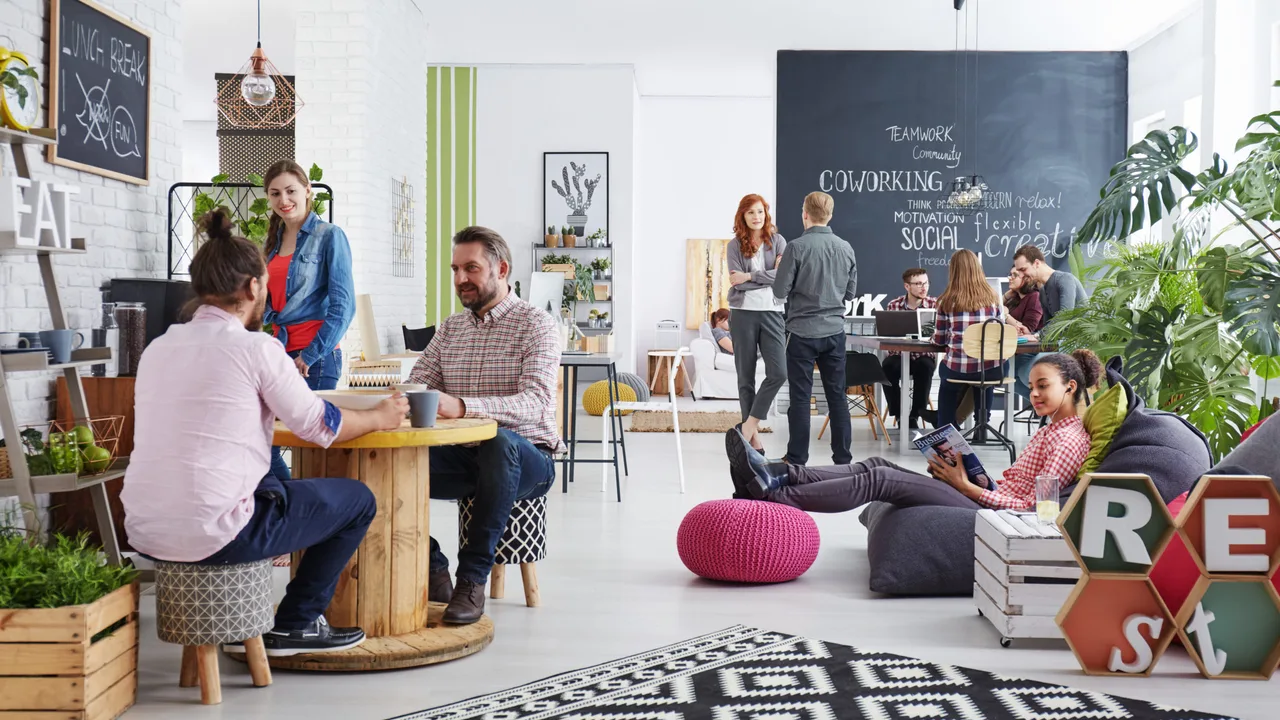
Co-living has emerged as one of the most practical expressions of the community living trend. It combines private living spaces with shared amenities, allowing residents to maintain personal privacy while still benefiting from a social environment.
Unlike traditional shared housing, modern co-living spaces are professionally managed and designed with intention. They often include well-planned layouts that encourage interaction without compromising comfort.
- Shared kitchens that encourage daily interaction
- Common lounges for relaxation and socializing
- Co-working spaces for remote professionals
- Flexible lease terms that suit short-term or mobile lifestyles
- Organized community events to build connections
This model is particularly attractive to young professionals, freelancers, and digital nomads who value flexibility. Instead of dealing with long contracts and high upfront costs, they can move into fully furnished spaces and become part of an existing community.
Co-living also reduces the burden of managing a household alone. Shared responsibilities, such as maintenance and utilities, are handled collectively or by operators, making daily life more convenient.
Economic Pressure Driving the Shift
One of the strongest drivers behind the community living trend is the rising cost of urban housing. In many major cities, rent and property prices have increased significantly, making it difficult for individuals to afford private spaces.
Urban housing markets are becoming more competitive, and the gap between income growth and housing costs continues to widen. This creates financial pressure, especially for younger residents who are just starting their careers.
Shared living models provide a practical solution to this problem. By splitting costs among multiple residents, individuals can access better locations, higher-quality spaces, and additional amenities that would otherwise be unaffordable.
Beyond rent, community living also reduces expenses related to utilities, internet, and maintenance. These savings can make a significant difference over time, allowing residents to allocate resources to other priorities such as travel, education, or business ventures.
Design Changes Supporting Community Living
The comeback of shared living is not only driven by social and economic factors, but also by changes in design philosophy. Architects and developers are now creating spaces that encourage interaction while still respecting privacy.
Instead of isolating residents, modern layouts include shared zones that naturally bring people together. These spaces are carefully positioned to create opportunities for casual encounters without forcing interaction.
Key design elements often include open kitchens, communal dining areas, shared terraces, and flexible workspaces. These features support both social and functional needs, making community living more practical.
At the same time, private areas remain essential. Bedrooms and personal spaces are designed to provide comfort and quiet, ensuring that residents can choose when to engage and when to have solitude.
This balance is one of the reasons why the community living trend is gaining traction. It offers a middle ground between complete independence and constant social interaction, allowing people to customize their living experience.
Technology Enabling the Community Living Trend
Technology plays an important role in making shared living practical and scalable. The community living trend is no longer limited to informal arrangements because digital tools now allow spaces to be managed efficiently.
Many co-living spaces use mobile applications to handle daily operations. Residents can book shared facilities, report maintenance issues, and communicate with others in the community through a single platform. This reduces friction and helps maintain order in environments where multiple people share resources.
Smart access systems are also commonly used. Keyless entry, digital locks, and personalized access permissions make it easier to manage security without requiring physical keys. This is especially useful in larger co-living buildings where residents come and go frequently.
Technology also supports social interaction. Online community boards, event scheduling tools, and messaging systems make it easier for residents to connect, organize activities, and build relationships. These digital layers strengthen the physical environment and make shared living more appealing.
The Benefits Beyond Cost Savings
While affordability is a major reason people explore shared housing, the benefits of the community living trend go far beyond financial savings. One of the most important advantages is the opportunity to build meaningful social connections.
Living in a community environment increases the chances of daily interaction. Simple activities such as cooking, working, or relaxing in shared spaces can lead to conversations and relationships that would not happen in traditional housing.
This social aspect can have a positive impact on mental health. Feeling part of a community reduces loneliness and provides emotional support, especially for people living far from family or working in demanding environments.
Community living also creates opportunities for networking. Residents often come from different professional backgrounds, which can lead to collaboration, knowledge sharing, and even new business ideas.
Shared experiences, such as group events or collaborative projects, help build a sense of belonging. This is something that many people find missing in conventional urban housing environments.
Challenges of Community Living
Despite its advantages, the community living trend is not without challenges. One of the most common concerns is privacy. Even with well-designed spaces, living close to others requires compromise and adjustment.
Different lifestyles can also create tension. People have different schedules, habits, and expectations, which can lead to conflicts if not managed properly. Noise, cleanliness, and shared responsibilities are common sources of disagreement.
Management plays a crucial role in addressing these issues. Poorly managed co-living spaces can quickly become uncomfortable, while well-organized communities can maintain a positive living environment.
Cultural differences may also influence how people experience shared living. What feels natural in one region may not be accepted in another, which means community models must adapt to local preferences.
These challenges do not necessarily limit the growth of shared housing, but they highlight the importance of thoughtful design, clear rules, and effective communication.
Urban housing challenges and affordability issues have been widely documented, especially in reports from organizations like United Nations Department of Economic and Social Affairs, which highlight how rising costs and urban density are reshaping housing models globally.
Is Community Living a Long-Term Trend?
The growing interest in shared housing raises an important question: is the community living trend a temporary response to economic pressure, or is it a long-term shift in how people choose to live?
There are strong indications that this model will continue to evolve. As cities become more expensive and space becomes more limited, alternative housing solutions will remain necessary. Developers are already investing in co-living projects, and new designs are being tested in different markets.
At the same time, lifestyle changes support the long-term potential of this trend. Remote work, flexible careers, and global mobility make traditional housing less practical for many people. Shared living provides a level of adaptability that fits these new patterns.
However, the future of community living will depend on how well it addresses its current challenges. Privacy, management, and cultural acceptance must be carefully balanced to ensure that shared housing remains attractive.
What is clear is that the community living trend is reshaping the conversation around housing. Instead of focusing only on ownership and independence, people are beginning to value connection, flexibility, and shared experiences as part of modern life.