Public art installations have transformed from static monuments into dynamic elements that shape how people experience cities. What was once limited to statues and memorials has evolved into interactive, immersive, and often temporary works that respond to their surroundings. Today, these installations are no longer just decorative features; they play a central role in how urban spaces communicate identity, culture, and creativity.
As cities become more complex and diverse, the expectations placed on public art have changed. Residents and visitors are no longer satisfied with passive visual objects. They want experiences—something that invites interaction, sparks curiosity, or creates a memorable moment. This shift is pushing designers, artists, and planners to rethink how public art installations are conceived and integrated into everyday environments.
The Evolution of Public Art Installations
Historically, public art was closely tied to political power, religion, or national identity. Monuments and statues were often used to commemorate leaders, historical events, or cultural values. These works were designed to be permanent and authoritative, with little expectation of change or interaction.
Over time, the role of public art began to shift. In the late 20th century, artists started experimenting with new forms that challenged traditional ideas of space and audience. Installations became more abstract, more conceptual, and sometimes even temporary. This marked the beginning of a new phase where public art installations were seen as evolving expressions rather than fixed symbols.
Today, cities actively commission art that reflects contemporary culture. Instead of focusing only on permanence, many projects prioritize flexibility and engagement. Temporary installations, seasonal displays, and event-based artworks are becoming more common, allowing cities to continuously refresh their visual identity.
This evolution also reflects a broader shift in how urban spaces are used. Public areas are no longer just for movement and function; they are places for experience, interaction, and community building. As a result, art has become an integral part of urban planning rather than an afterthought.
Why Public Art Installations Matter in Modern Cities
In modern urban environments, public art installations serve multiple purposes beyond aesthetics. One of their most important roles is shaping identity. A well-designed installation can become a symbol of a city, helping people associate a place with a specific visual or emotional experience.
These installations also encourage social interaction. Unlike traditional artworks placed inside galleries, public installations are accessible to everyone. They invite people to gather, take photos, and engage with their surroundings. This interaction strengthens the connection between individuals and the city they live in.
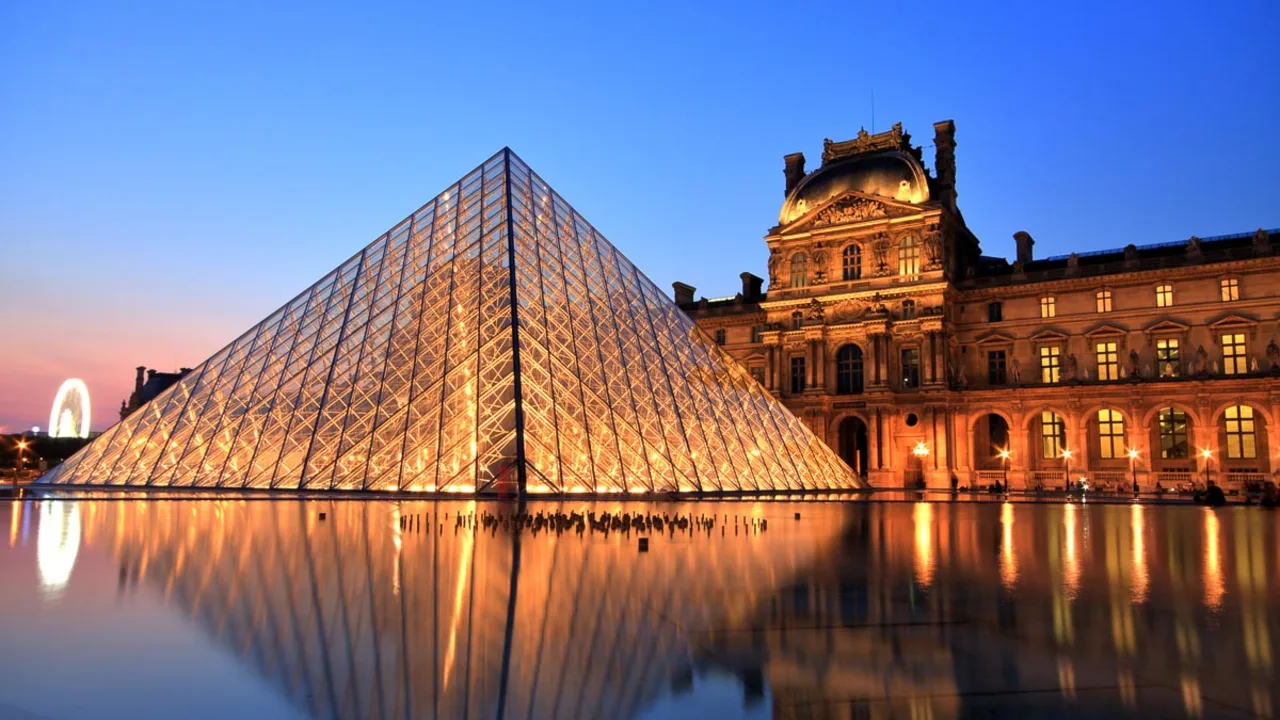
Economic impact is another important factor. Unique installations can attract visitors and increase foot traffic in certain areas. When an artwork becomes widely recognized, it can function as one of the city’s most memorable city landmarks, contributing to tourism and local business growth.
On a more personal level, public art influences how people feel about their environment. A thoughtfully designed space can create a sense of comfort, curiosity, or inspiration. This emotional connection is what turns ordinary locations into meaningful places.
Cultural Design as a Driver of Public Art
The concept of cultural design plays a key role in shaping modern public art. Instead of creating generic installations that could exist anywhere, designers now focus on reflecting the unique identity of a specific location. This involves understanding local history, traditions, and social dynamics.
Artists often collaborate with architects, urban planners, and communities to ensure that installations feel relevant to their surroundings. This collaborative process allows public art to become a storytelling medium, where each piece represents a part of the city’s cultural narrative.
For example, materials, colors, and forms can be chosen to reflect local heritage. In some cities, installations incorporate traditional patterns or symbols, while in others they highlight modern innovation. The goal is not only to create visual interest, but also to reinforce a sense of belonging.
By integrating cultural design into public art, cities can create spaces that feel authentic rather than artificial. This approach helps installations connect with people on a deeper level, making them more memorable and meaningful.
Technology Transforming Public Art Installations
Technology is one of the main forces shaping the future of public art installations. Digital tools allow artists to create works that are interactive, responsive, and constantly changing. These innovations are expanding the possibilities of what public art can be.
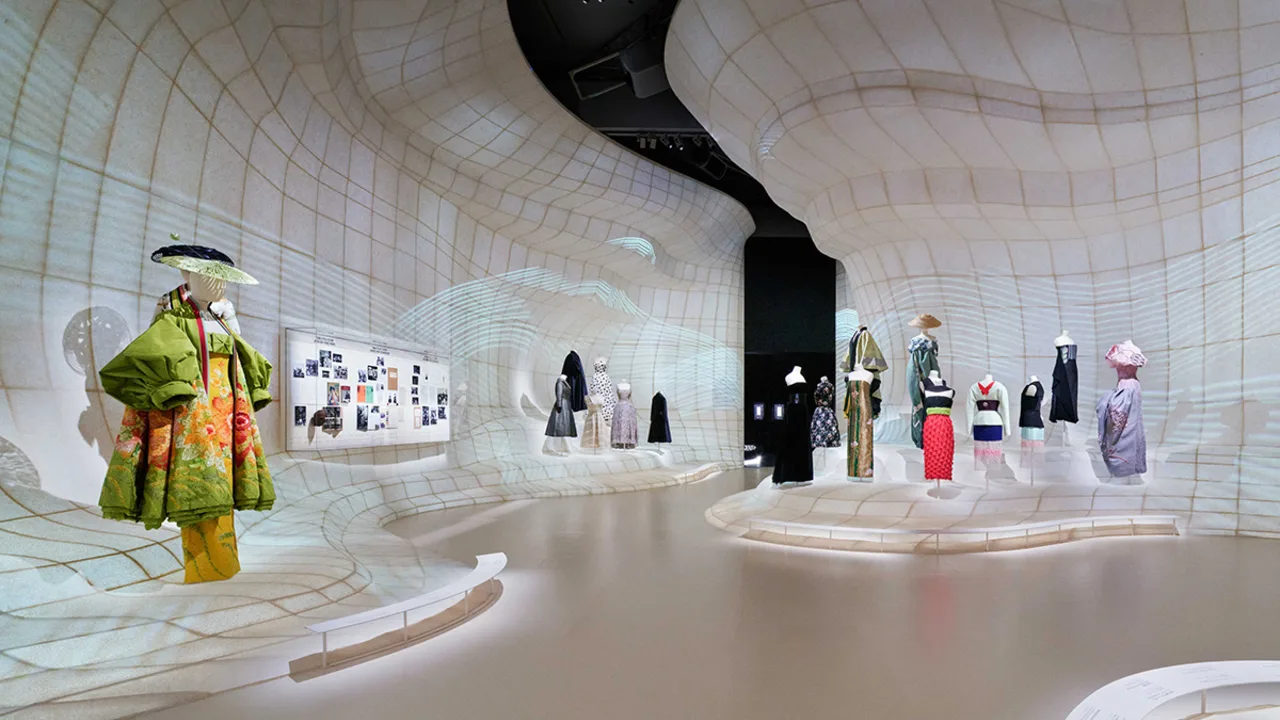
Projection mapping is one example of how technology is used in urban art. Buildings can be transformed into dynamic canvases where light and motion create immersive experiences. These installations can change depending on time, events, or audience interaction.
Sensors and data systems also play a role. Some installations respond to movement, sound, or environmental conditions. This creates a sense of participation, where visitors become part of the artwork itself rather than just observers.
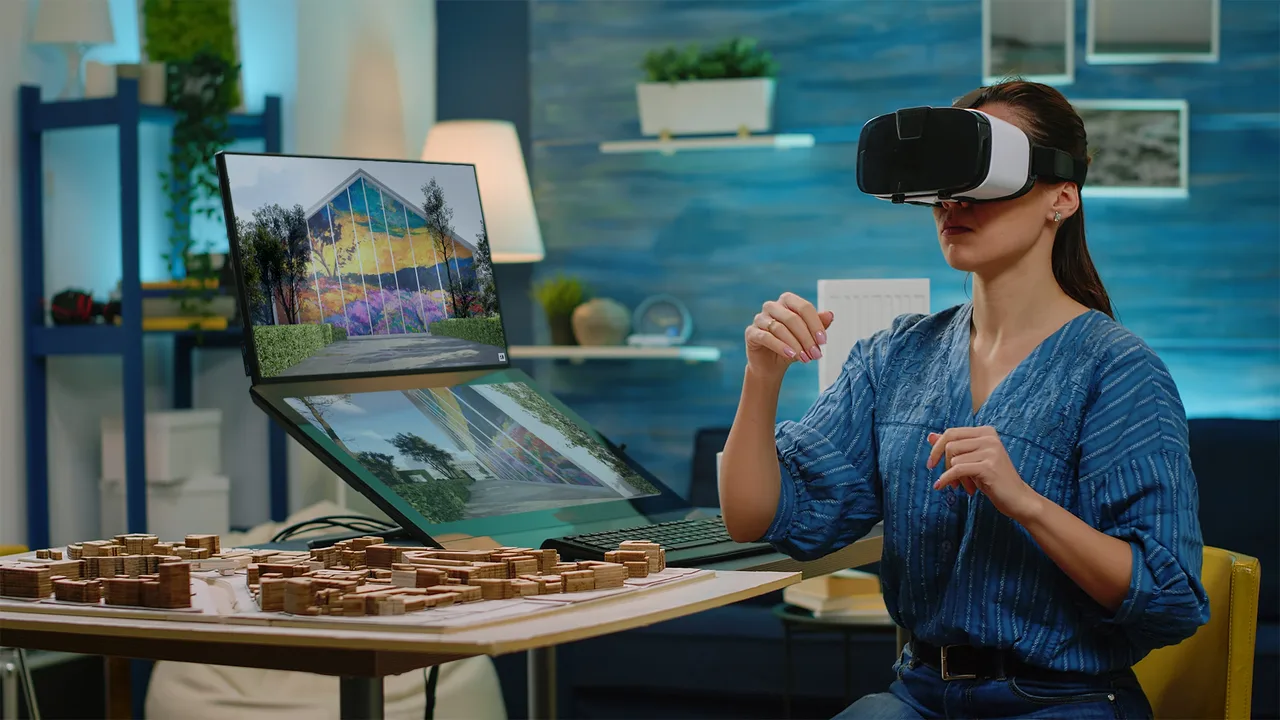
Augmented reality introduces another layer to public spaces. By using mobile devices, people can see digital elements added to physical environments. This allows artists to create installations without permanently altering the space, offering flexibility and reducing material use.
Sound design is also becoming more integrated into public art. Installations that combine visual and audio elements can create immersive environments that engage multiple senses at once. These experiences make public art installations more memorable and impactful.
Public Art Installations as City Landmarks
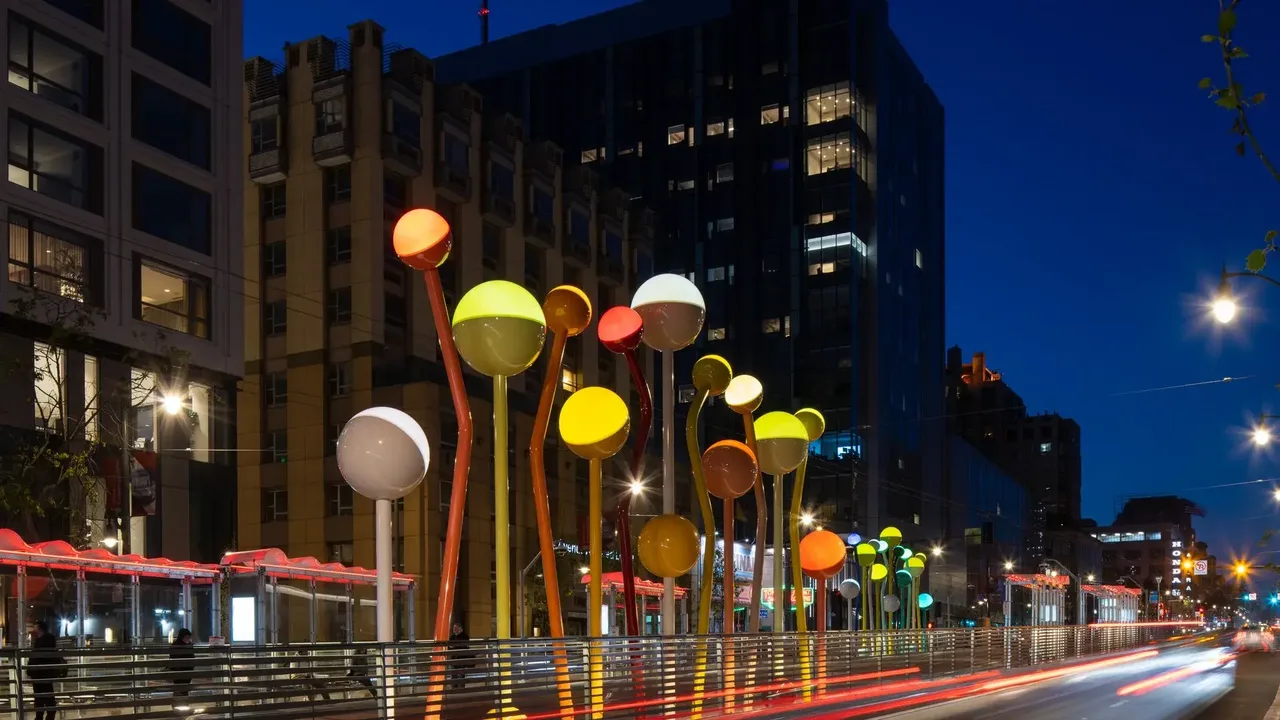
Some installations go beyond artistic expression and become defining elements of a city. When a piece of public art gains recognition, it can transform into one of the most iconic city landmarks in that area. This transformation depends on several factors, including location, scale, and emotional impact.
Landmark installations are often placed in highly visible areas such as plazas, waterfronts, or major intersections. Their design is usually bold and distinctive, making them easy to recognize and remember. Over time, they become part of the city’s identity.
However, not every installation achieves this status. Many artworks remain temporary or serve a specific purpose without becoming permanent symbols. The difference often lies in how well the installation connects with people and how effectively it represents the character of the city.
As cities continue to invest in creative projects, the line between art and infrastructure is becoming less clear. Installations are now expected to contribute both visually and functionally, making them an important part of urban development strategies.
Challenges in Designing Public Art Installations
Despite their growing importance, public art installations come with a range of challenges that go beyond creative design. One of the biggest issues is budget. Large-scale installations often require significant funding, not only for construction but also for long-term maintenance. Cities must balance artistic ambition with financial limitations, which can affect the final outcome of a project.
Durability is another critical concern. Unlike indoor artworks, public installations are exposed to weather, pollution, and constant human interaction. Materials must be carefully selected to withstand environmental stress without losing their visual impact. This is where collaboration between artists and engineers becomes essential.
Public acceptance can also be unpredictable. What one group sees as innovative, another may consider controversial or unnecessary. Because these installations exist in shared spaces, they must navigate diverse opinions and cultural sensitivities. This makes the design process more complex than traditional art projects.
Urban regulations add another layer of difficulty. Permits, safety standards, and zoning laws can limit what is possible. Installations must comply with structural requirements, accessibility guidelines, and public safety rules, which can restrict creative freedom.
Sustainability in Public Art Installations
Sustainability is becoming an important consideration in the design of public art installations. As cities focus more on environmental responsibility, artists are expected to use materials and methods that reduce impact while maintaining artistic quality.
Material selection plays a major role. Recycled metals, reclaimed wood, and low-impact composites are increasingly used in outdoor installations. These materials reduce the need for new resources and can often be reused in future projects.
Energy consumption is another factor. Installations that rely on lighting or digital systems must be designed to minimize electricity use. Solar-powered systems and energy-efficient lighting are becoming more common in modern projects.
Temporary installations offer a different approach to sustainability. Instead of creating permanent structures, some cities invest in artworks that can be dismantled and reused. This reduces long-term environmental impact while allowing for continuous renewal of public spaces.
Organizations such as the UNESCO cultural programs emphasize the importance of integrating sustainability with cultural development, highlighting how art can support both environmental and social goals.
The Future Direction of Public Art in Cities
The future of public art installations is likely to focus on interaction, adaptability, and integration with urban systems. Instead of static objects, installations will increasingly function as dynamic elements that respond to people and their environment.
Interactive art is expected to become more common. Installations that respond to movement, sound, or data create a sense of participation that traditional artworks cannot offer. This makes public spaces more engaging and encourages people to spend more time in them.
Data-driven design is another emerging trend. Artists can use information such as traffic patterns, weather conditions, or social activity to influence how an installation behaves. This creates artworks that evolve over time rather than remaining fixed.
Integration with smart city infrastructure will also shape future developments. Lighting systems, sensors, and digital networks can be combined with artistic elements to create multifunctional installations. These projects blur the line between art, technology, and urban infrastructure.
Temporary and modular installations are also gaining popularity. Instead of building permanent structures, cities may use flexible systems that can be updated or replaced as needed. This allows public spaces to stay fresh and relevant without requiring constant reconstruction.
As urban environments continue to evolve, public art installations will play an increasingly important role in shaping how cities are experienced. They are no longer just decorative additions, but active components of urban life that connect people, culture, and space in new and meaningful ways.