Autonomous construction is becoming one of the most important developments in the building industry. For decades, construction relied heavily on manual labor and operator-controlled machines. Today, advances in artificial intelligence, sensors, and robotics allow heavy equipment to work with less human input. This shift is changing how projects are planned, executed, and managed on job sites around the world.
The goal of autonomous technology is not only to reduce labor but also to improve safety, precision, and efficiency. Construction sites are complex environments where mistakes can be costly and dangerous. By using machines that can operate with high accuracy and constant monitoring, companies hope to reduce errors and keep projects on schedule. Because of these advantages, autonomous construction is moving from experimental technology to real-world application.
What Autonomous Construction Really Means
The term autonomous construction refers to the use of machines and systems that can perform tasks with minimal human control. This is different from simple automation. Automated machines follow fixed instructions, while autonomous machines can make decisions based on data from sensors and software.
In construction, autonomy may include self-driving vehicles, robotic arms, or drones that collect site information. These systems use cameras, GPS, and advanced algorithms to understand their surroundings. Instead of waiting for instructions, the equipment can adjust its movement and continue working safely.
The construction industry is adopting these technologies for several reasons. One of the biggest is the shortage of skilled workers. Many countries face difficulties finding experienced operators, especially for large projects. Autonomous equipment helps fill this gap by allowing fewer people to manage more machines.
Safety is another important factor. Construction sites contain heavy materials, high structures, and moving vehicles. Reducing the number of workers in dangerous areas can lower the risk of accidents. Because of these benefits, companies are investing more in autonomous construction systems every year.
Why the Construction Industry Needs Automation
Construction has traditionally been slower to adopt new technology compared with other industries. However, increasing costs and tighter schedules are forcing companies to look for more efficient ways to work. Automation offers solutions to many of the problems that builders face today.
One of the main challenges is productivity. Large projects often take longer than expected because of weather, coordination issues, or labor shortages. When machines can operate with less downtime and more precision, overall productivity improves.
Labor shortage is another major issue. Experienced operators, welders, and technicians are not always available, especially in remote locations. Autonomous systems allow fewer workers to manage larger operations, which helps keep projects moving.
Safety concerns also push the industry toward automation. Heavy equipment accidents can cause serious injuries and expensive delays. Machines controlled by sensors and software can maintain safe distances, follow programmed paths, and stop automatically when danger appears.
Cost pressure is increasing as well. Materials, transportation, and labor expenses continue to rise. Companies that use advanced technology can often complete projects faster and with fewer mistakes, which gives them an advantage in competitive markets.
AI Machinery Changing Job Sites
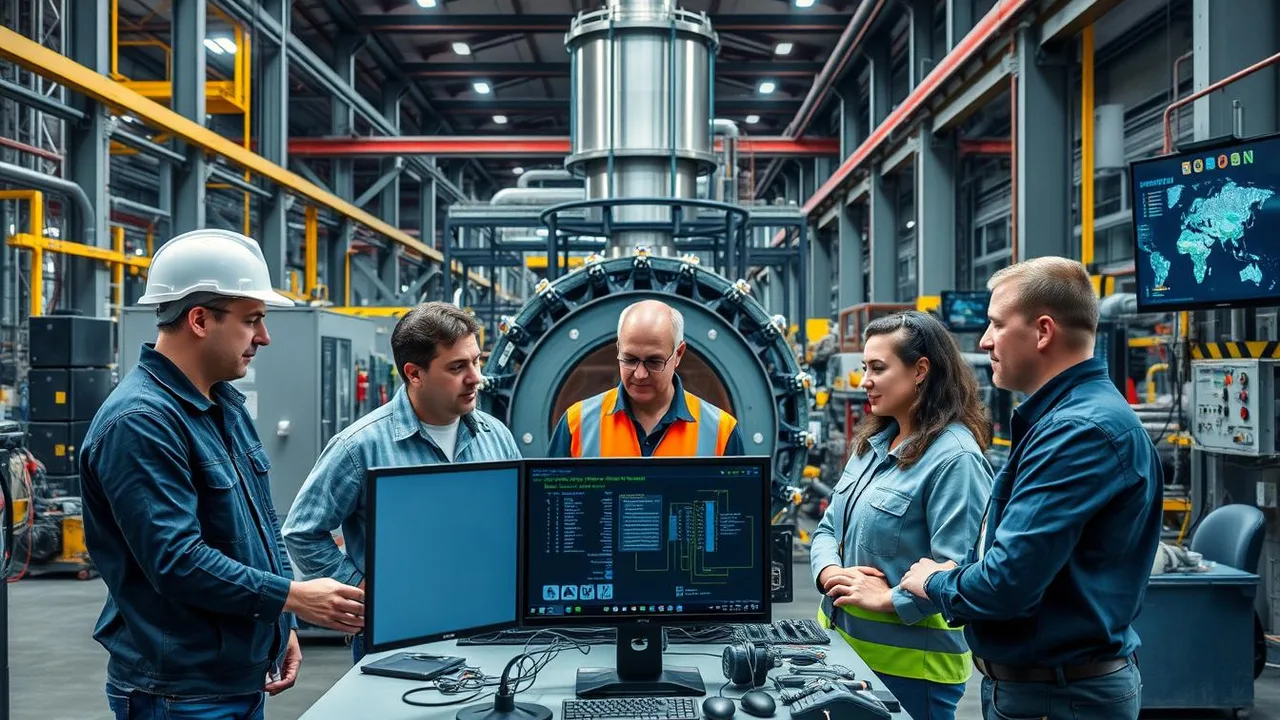
The development of ai machinery is one of the key reasons autonomous systems are becoming practical. Modern construction equipment is no longer just mechanical. It includes computers, cameras, and sensors that allow machines to understand what is happening around them.
AI-powered equipment can analyze terrain, measure distance, and adjust movement automatically. For example, an excavator with intelligent control can dig to the exact depth without constant operator correction. This reduces errors and saves time.
Common features found in ai machinery include:
- GPS positioning for accurate movement
- Sensors that detect obstacles
- Automatic leveling systems
- Real-time performance monitoring
- Software that learns from previous tasks
These technologies allow machines to work more consistently than manual operation. Instead of depending entirely on human skill, the equipment follows precise digital instructions.
Another advantage of AI-based systems is data collection. Machines can record how long tasks take, how much material is used, and where delays happen. This information helps managers plan future projects more accurately.
Robotics in Building and Structural Work
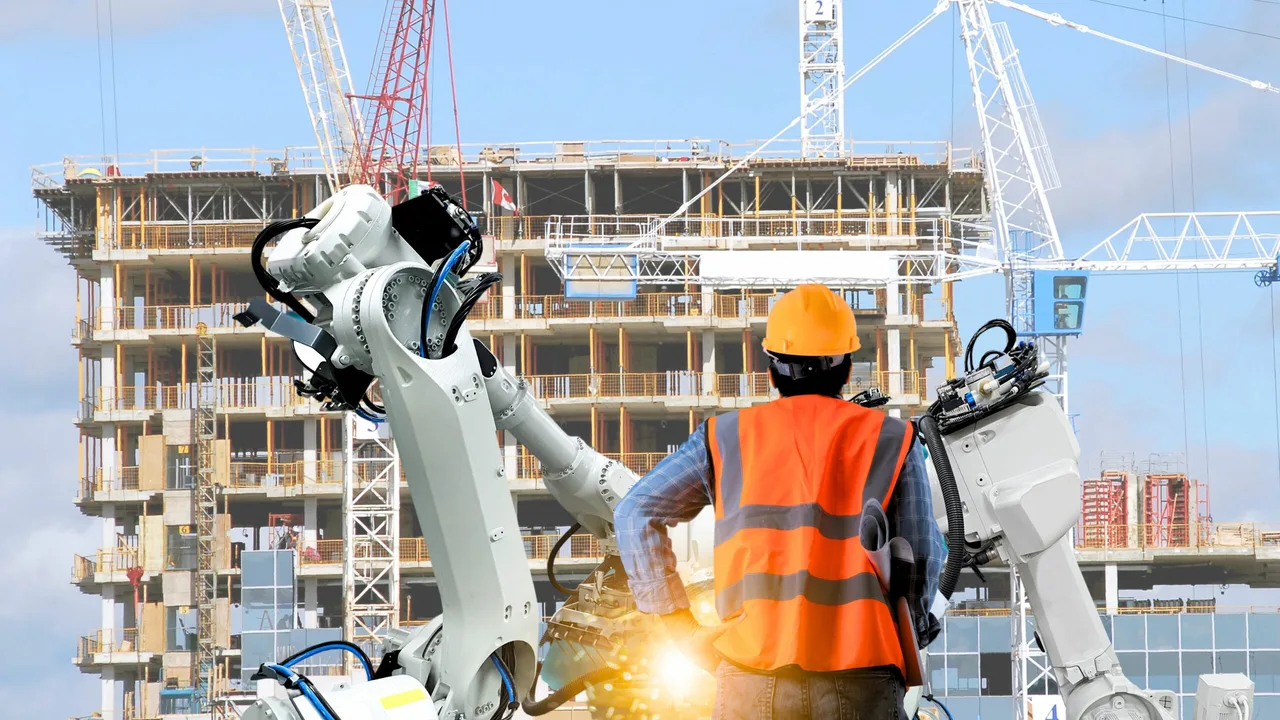
The use of robotics in building is expanding beyond research laboratories into real construction sites. Robots are now used for tasks that require high precision or repetitive movement. These machines can work for long hours without fatigue, which makes them useful for large projects.
One example is robotic bricklaying. Specialized machines can place bricks in exact positions much faster than manual labor. This improves consistency and reduces the chance of mistakes.
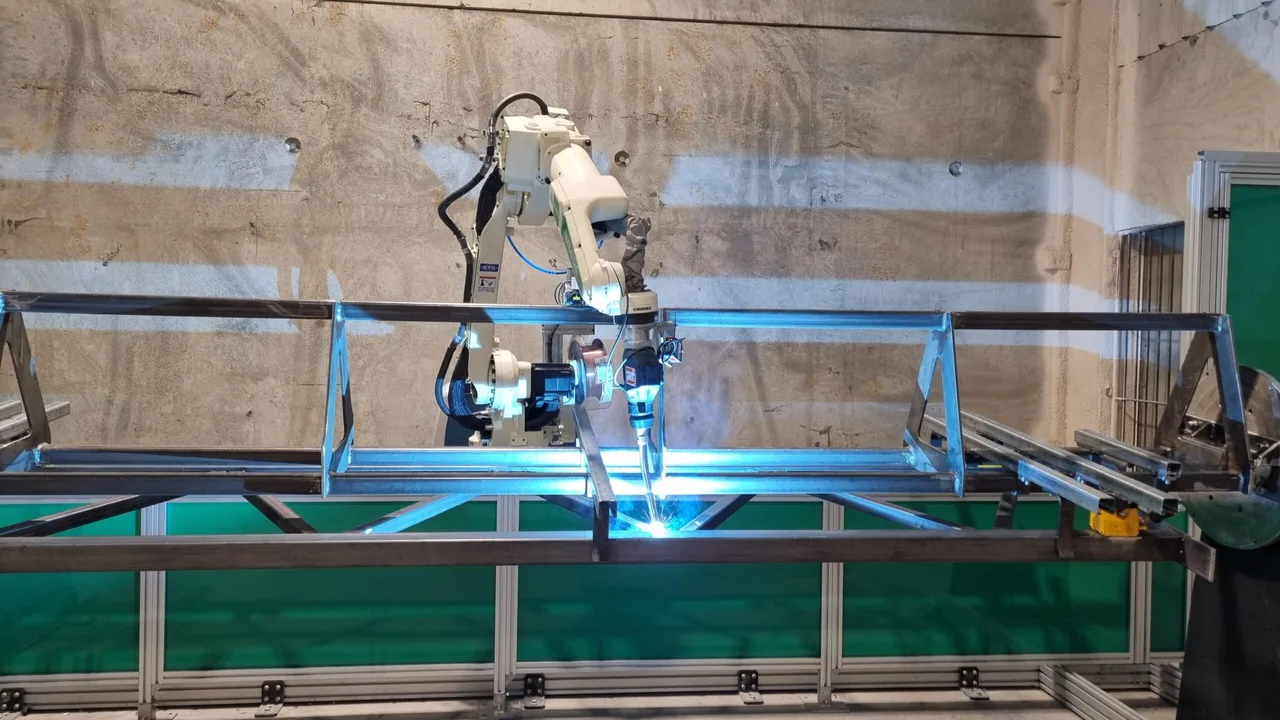
Welding robots are also becoming common, especially in steel structure production. These robots follow programmed paths and produce uniform welds, which increases quality and reduces the need for rework.
Concrete printing technology is another area where robotics is growing. Large 3D printers can create walls or structural components layer by layer. This method reduces waste and allows complex shapes that are difficult to build by hand.
In structural projects, robots may also help with cutting, drilling, and assembling parts. As robotics in building continues to improve, more tasks will be performed by machines instead of manual labor.
Types of Autonomous Construction Equipment
Different types of equipment are being developed for autonomous construction. Some machines operate almost completely on their own, while others still require supervision from an operator.
Common examples include:
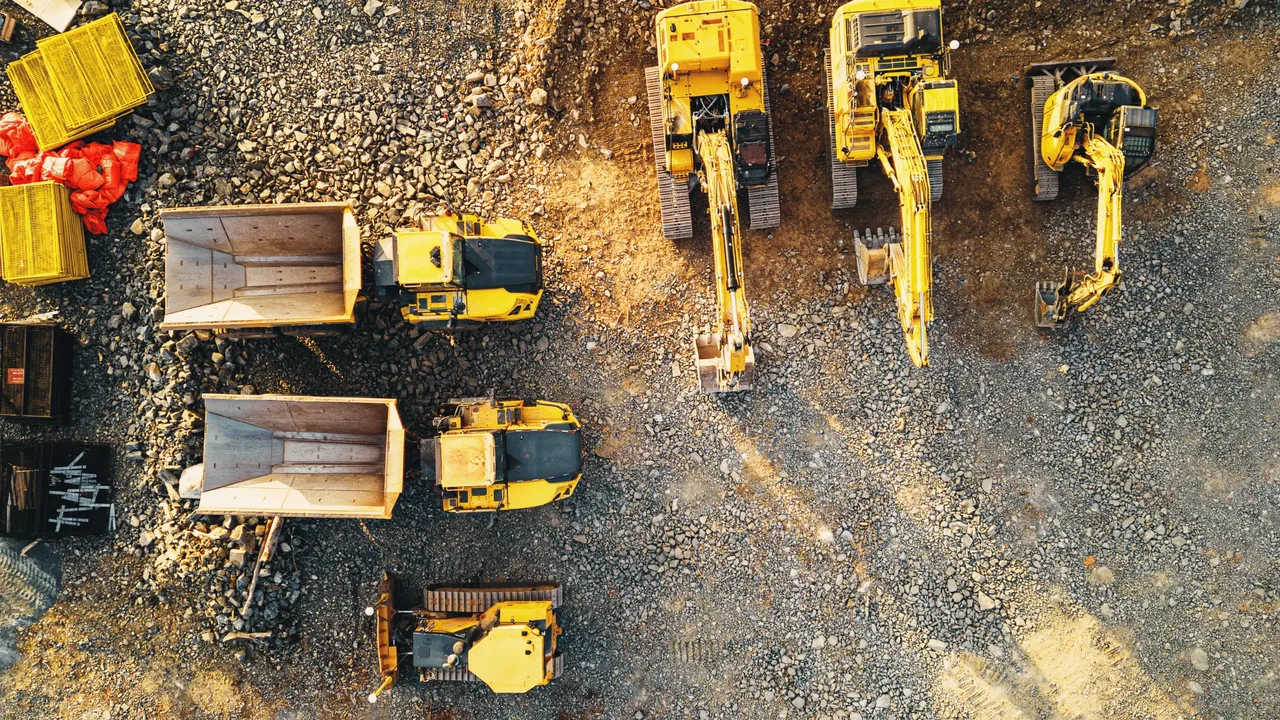
- Self-driving excavators for earthwork
- Autonomous bulldozers for grading
- Driverless dump trucks for material transport
- Survey drones for site measurement
- Robotic systems for concrete and steel work
These machines are often connected to digital planning systems. When the project design is created using software, the data can be sent directly to the equipment. This allows work to follow the plan more accurately.
As technology improves, the number of tasks that can be done without manual control will continue to increase. This is why many experts believe autonomous construction will become standard in future projects.
Benefits of Autonomous Construction
The adoption of autonomous construction brings several advantages that make it attractive for large and complex projects. While the technology requires investment, many companies see long-term benefits in efficiency, safety, and project accuracy.
One of the biggest improvements is safety. Construction sites often involve heavy equipment, high structures, and difficult terrain. Autonomous machines can operate in dangerous areas without putting workers at risk. Sensors and monitoring systems allow equipment to stop automatically if an obstacle appears, reducing the chance of accidents.
Precision is another major benefit. Machines controlled by digital systems can follow exact measurements, which reduces errors. In traditional construction, small mistakes can lead to delays and extra cost. With automated control, work can be repeated with the same accuracy every time.
Autonomous equipment also allows longer working hours. Machines do not get tired, and they can operate at night or in conditions where human work would be difficult. This makes it possible to complete projects faster without increasing the number of workers.
Cost reduction is another reason companies invest in automation. Although the machines are expensive, fewer operators are needed, and mistakes are reduced. Over time, this can lower the total cost of construction.
Challenges and Limitations
Despite the advantages, autonomous construction still faces several challenges. Construction sites are not as controlled as factories, and the environment can change every day. Uneven ground, weather conditions, and unexpected obstacles make it difficult for machines to operate without supervision.
High cost is one of the biggest barriers. Autonomous equipment, sensors, and software require large investment. Smaller companies may find it difficult to afford these systems, especially if they do not handle large projects regularly.
Another challenge is regulation. In many countries, rules for autonomous machinery are still developing. Safety standards must be updated before fully driverless equipment can be used everywhere.
Training is also important. Workers need to learn how to operate and maintain advanced systems. Instead of traditional machine operators, companies may need technicians and software specialists.
Technology reliability is another concern. If software fails or sensors give incorrect data, the machine may stop working or make mistakes. Because of this, most projects still use a combination of human supervision and automation.
Research and engineering organizations often discuss these limitations when studying construction technology. Technical publications from institutions such as American Society of Civil Engineers frequently highlight both the potential and the challenges of automation in large infrastructure projects.
How Autonomous Construction Will Change the Industry
As technology improves, autonomous construction is expected to change how projects are organized. Instead of large crews working manually, future job sites may use smaller teams supported by advanced machines.
Engineers and planners will play a bigger role because machines depend on digital data. Accurate models, measurements, and schedules will be needed before work begins. This means more time will be spent on planning and less on correcting mistakes during construction.
Data will also become more important. Machines can collect information about progress, material use, and performance. Managers can use this data to make decisions faster and keep the project on schedule.
Another change is the use of remote control. Some equipment can already be operated from a distance, which allows experts to manage machines without being on site. This is useful for projects in dangerous or remote locations.
Because of these changes, the future construction site will look different from the traditional one. Instead of many workers with manual tools, there will be fewer people working with digital systems and intelligent equipment.
Future of AI and Robotics in Construction
The future of autonomous construction will likely include even more advanced use of artificial intelligence and robotics. As software becomes smarter, machines will be able to handle more complex tasks without constant supervision.
Fully automated job sites are one of the goals many companies are working toward. In such projects, machines would perform excavation, transport, assembly, and finishing with minimal human involvement. Engineers would monitor progress through digital systems instead of standing on the site.
Integration with digital design tools will also become more common. Building models created in planning software can guide machines directly, reducing the need for manual measurement. This connection between design and construction improves accuracy.
Smart materials may also change the industry. Sensors embedded in structures could provide information about stress, temperature, and movement. This data could help machines adjust their work automatically.
Robotics will continue to expand in areas that require precision, such as welding, cutting, and assembly. As robotics in building improves, more tasks will be completed by machines that can work faster and more consistently than humans.
Although full automation may take time, the direction is clear. Technology will continue to transform construction, and companies that adopt these systems early will have an advantage. The development of ai machinery and intelligent equipment is not only changing how buildings are made, but also how the entire industry operates.