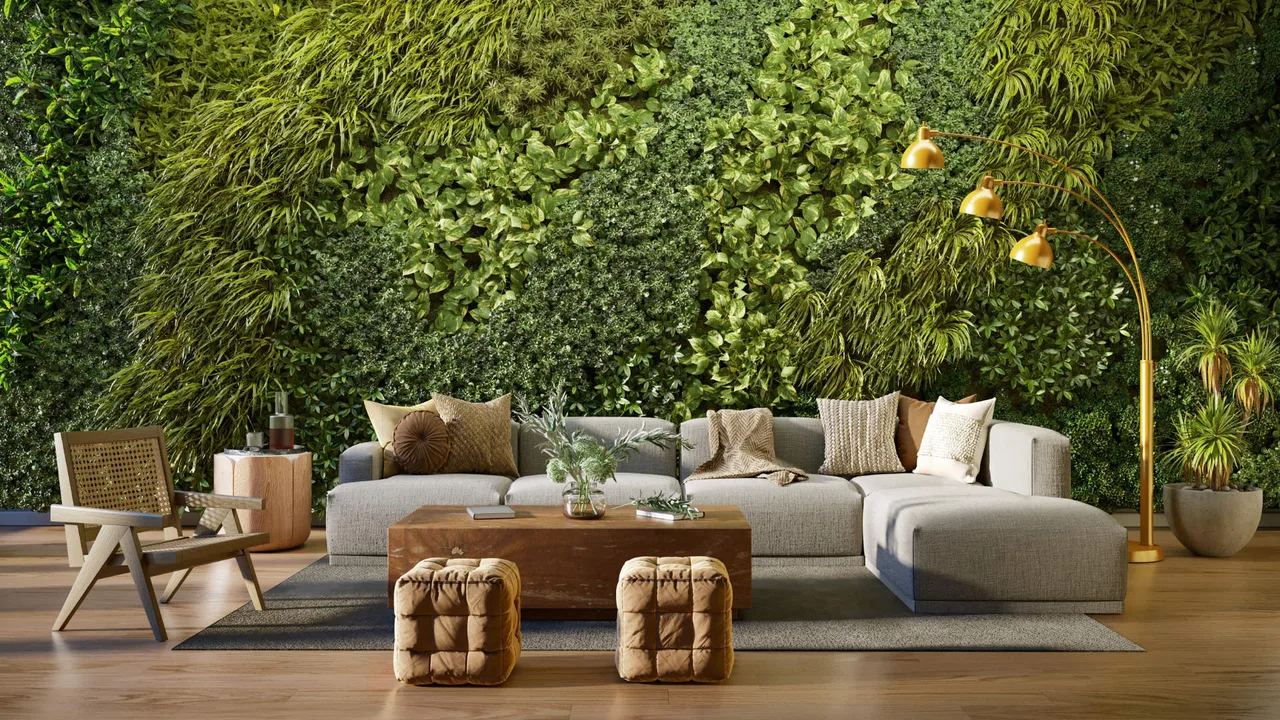
Sustainable interior design is no longer a niche idea used only by environmental enthusiasts. It has become a major direction in modern architecture, home planning, and furniture production. Designers today are not only thinking about how spaces look, but also about how materials are produced, how long they last, and how they affect both the environment and human health. As awareness of climate impact grows, the interior design industry is shifting toward smarter material choices and more responsible construction methods.
In the past, interior design focused mainly on style, comfort, and cost. Today, homeowners, architects, and developers increasingly consider sustainability as part of the design process. This change is influencing everything from flooring and wall finishes to furniture, lighting, and insulation. The rise of sustainable interior design shows that modern living spaces can be both beautiful and environmentally responsible at the same time.
The Rise of Sustainable Interior Design
The idea of sustainable interior design comes from the need to reduce environmental damage caused by construction and daily living. Buildings consume large amounts of energy, and the materials used inside them often require significant natural resources to produce. Traditional interior products may look attractive, but many of them involve chemicals, plastics, and manufacturing processes that create pollution.
As environmental awareness increases, more people want homes that are safer, cleaner, and more efficient. This has pushed designers to rethink how interiors are built. Instead of choosing materials only for appearance, they now evaluate durability, recyclability, and energy impact. This shift has changed the priorities of modern design.
Another reason for the growth of sustainable design is health. Many conventional paints, adhesives, and synthetic fabrics release harmful substances into the air. These emissions can affect indoor air quality and cause long-term health problems. Because people spend a large amount of time indoors, safer materials are becoming a key requirement in new projects.
As a result, sustainable interior design is now seen not only as an environmental choice, but also as a lifestyle decision. Homeowners want spaces that feel natural, comfortable, and safe, while also reducing waste and energy consumption.
Why Traditional Interior Materials Are a Problem
Many common interior materials were developed for convenience and low cost, not for sustainability. Plastics, synthetic fabrics, and chemical coatings are widely used because they are easy to manufacture and install. However, these materials often have a high environmental footprint and can be difficult to recycle.
One major concern is the use of volatile organic compounds, often known as VOCs. These substances are found in paints, varnishes, glues, and finishes. They can release gases into indoor air for months or even years after installation. Poor air quality is one of the hidden problems in older buildings and low-quality renovations.
Another issue is the short lifespan of many interior products. Cheap furniture, laminated boards, and low-grade flooring may need to be replaced frequently. This creates waste and increases the demand for new raw materials. The trend of fast furniture, similar to fast fashion, has made the problem even worse.
Production of traditional materials also requires large amounts of energy. Manufacturing plastics, synthetic fibers, and chemical finishes often involves fossil fuels. Even natural materials can have a high impact if they are harvested without proper management.
Because of these problems, designers are searching for alternatives that reduce environmental damage without sacrificing quality. This search has led to the rapid growth of eco materials in both residential and commercial projects.
Eco Materials Becoming Popular in Modern Homes
The use of eco materials is one of the most visible changes in interior design today. These materials are chosen because they have lower environmental impact, longer lifespan, or better recycling potential. They also often provide a more natural look that fits current design trends.
Reclaimed wood is a popular choice for flooring, furniture, and wall panels. Instead of cutting new trees, designers reuse wood from old buildings or industrial structures. This reduces waste and gives interiors a unique texture that cannot be created with new materials.
Bamboo is another material widely used in modern interiors. It grows quickly, requires fewer chemicals, and can be processed into flooring, panels, and furniture. Because of its strength and flexibility, bamboo works well in both traditional and contemporary styles.
Recycled metal and glass are also becoming common. These materials can be reused many times without losing quality, which makes them suitable for lighting fixtures, decorative elements, and structural parts of furniture.
Other examples of eco-friendly materials used in modern homes include:
- Reclaimed wood for floors and furniture
- Recycled glass for tiles and surfaces
- Organic cotton and wool for fabrics
- Cork for flooring and wall panels
- Natural clay plaster for wall finishes
- Stone and ceramic with low-energy processing
These materials not only reduce environmental impact but also create interiors that feel warmer and more authentic. As a result, they are becoming standard choices in many new projects.
How Sustainable Interior Design Changes the Way Homes Are Built
In traditional construction, interior design decisions were often made after the building structure was finished. Today, sustainable interior design starts much earlier in the planning stage. Designers, architects, and engineers work together to choose materials that match both environmental goals and structural requirements.
One important change is the focus on energy efficiency. Interior materials affect how a building keeps heat in winter and stays cool in summer. Proper insulation, natural ventilation, and efficient lighting can reduce the amount of energy a home needs every day.
Lighting design is another area where sustainability plays a role. Large windows, reflective surfaces, and smart lighting systems help reduce electricity use. Instead of relying only on artificial light, designers try to maximize natural daylight whenever possible.
Ventilation is also important in modern homes. Natural airflow reduces the need for mechanical cooling and improves indoor air quality. This means interior layouts must be planned carefully to allow air to move through the space.
Because of these changes, modern homes built with sustainable principles often feel different from older buildings. They use fewer materials, create less waste, and provide a healthier environment for the people living inside.
The Role of Technology in Sustainable Materials
Technology plays a major role in the development of new materials for sustainable interior design. Engineers and manufacturers are creating products that require less energy to produce, last longer, and can be recycled more easily. These innovations make it possible to design interiors that are both modern and environmentally responsible.
One example is engineered wood. Instead of using solid timber, manufacturers combine small pieces of wood into strong panels. This reduces waste and allows more efficient use of natural resources. Engineered wood is now widely used for flooring, cabinets, and wall systems.
Recycled composites are another important development. These materials are made from plastic waste, fibers, or industrial by-products. They can be used to create durable surfaces, furniture, and decorative panels with lower environmental impact than traditional materials.
Smart coatings are also becoming popular. Special paints and finishes can improve insulation, reflect heat, or reduce bacteria growth. These technologies help interiors stay clean and efficient without extra energy use.
Advances in manufacturing also make it possible to produce materials locally. When products are made closer to the construction site, transportation emissions are reduced. This is an important step toward making sustainable interior design practical on a larger scale.

Cost vs Value in Sustainable Interior Design
One of the most common concerns about sustainable interior design is cost. Many eco-friendly products are more expensive than conventional materials, especially at the beginning of a project. However, the real value of sustainable materials becomes clear over time because they often last longer, require less maintenance, and improve energy efficiency.
Traditional materials may seem cheaper when first installed, but they often need to be replaced more frequently. Low-quality flooring, synthetic surfaces, and cheap furniture can wear out quickly, creating additional expenses and more waste. Sustainable materials are usually designed for durability, which reduces long-term cost.
Energy savings also make a difference. Proper insulation, efficient lighting, and natural ventilation can reduce electricity and heating bills. Over the lifetime of a building, these savings can be larger than the initial investment in better materials.
The difference between conventional and sustainable materials can be summarized as follows:
| Factor | Traditional Materials | Sustainable Materials |
|---|---|---|
| Initial Cost | Lower | Higher |
| Lifespan | Shorter | Longer |
| Maintenance | Frequent | Less frequent |
| Environmental Impact | High | Lower |
| Indoor Air Quality | Often poor | Improved |
Because of these factors, many homeowners and designers now see sustainable interior design as an investment rather than an extra expense.
Interior Design Trends Driven by Sustainability
The growing interest in sustainability has influenced the style of modern interiors. Instead of heavy decoration and disposable furniture, designers are moving toward simpler, more natural spaces. These trends are not only about appearance, but also about reducing material use and extending product life.
Minimalism has become popular because it uses fewer objects and focuses on quality instead of quantity. When fewer materials are used, waste is reduced and the space becomes easier to maintain. This approach fits perfectly with the principles of sustainable interior design.
Natural colors and textures are also common in modern projects. Wood, stone, clay, and natural fabrics create a warm atmosphere without requiring synthetic finishes. These materials age better over time and often need less replacement.
Multi-functional furniture is another important trend. Instead of filling a room with many separate items, designers use pieces that serve several purposes. For example, a storage bed, folding table, or modular sofa can reduce the total number of materials needed.
Modular design is especially useful in modern homes. Components can be replaced individually without removing the entire interior. This makes repairs easier and reduces waste during renovation.
Challenges of Using Eco Materials
Although the use of eco materials is increasing, there are still challenges that prevent them from becoming universal. One problem is availability. Some sustainable products are not produced in large quantities, which makes them more expensive or difficult to find in certain regions.
Certification can also be confusing. Many products are advertised as environmentally friendly, but not all of them meet real sustainability standards. This problem, often called greenwashing, makes it harder for consumers to choose the right materials.
Another difficulty is the need for skilled labor. Some natural materials require special installation methods, and not all contractors are familiar with them. This can increase construction time and cost.
Transportation is another factor that affects sustainability. If materials must be shipped long distances, the environmental benefit may be reduced. Because of this, designers often try to use locally produced materials whenever possible.
Environmental organizations such as the U.S. Environmental Protection Agency provide guidelines on green building materials and indoor air quality, helping designers choose products that meet real sustainability standards.
Despite these challenges, demand for better materials continues to grow as more people understand the long-term benefits of responsible design.
Future of Sustainable Interior Design
The future of sustainable interior design will likely focus on reducing waste, improving efficiency, and creating materials that can be reused multiple times. Instead of building interiors that last only a few years, designers are moving toward systems that can adapt to changing needs.
Circular design is one of the ideas gaining attention. In this approach, materials are selected so they can be reused, repaired, or recycled at the end of their life. Furniture can be disassembled, panels can be replaced, and surfaces can be refinished instead of thrown away.
New technologies are also helping to create better materials. Researchers are developing low-carbon concrete, recycled composites, and bio-based plastics that require less energy to produce. These innovations will make sustainable interiors easier to build in the future.
Smart home systems will also play a role. Automated lighting, climate control, and energy monitoring can reduce waste without changing the appearance of the interior. When combined with efficient materials, these systems make homes more comfortable and environmentally friendly.
Local production is expected to become more important as well. Using materials made near the construction site reduces transportation emissions and supports regional industries. This approach makes sustainable interior design more practical for everyday projects, not only for luxury homes.
As environmental awareness continues to grow, interior design is changing from a purely decorative profession into one that combines creativity, engineering, and responsibility. The materials chosen today will influence how buildings perform for decades, which is why sustainable solutions are becoming the new standard in modern living spaces.