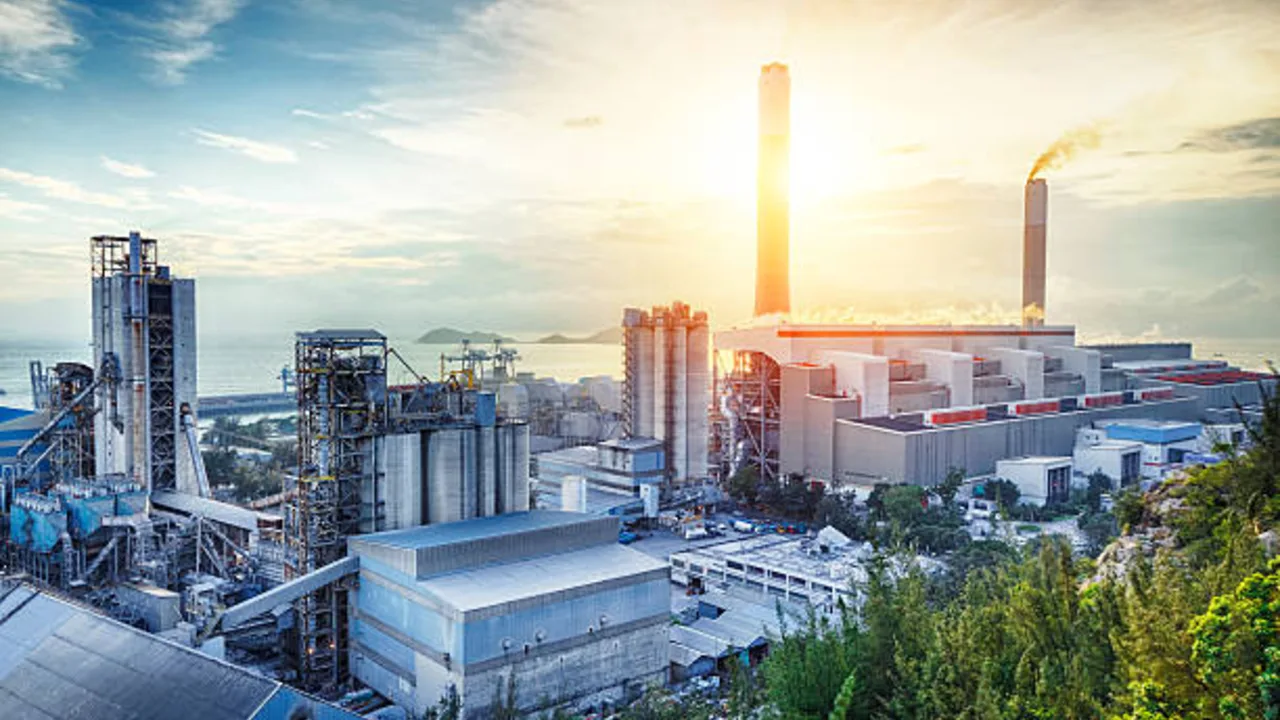
Industrial buildings must be designed to withstand more than just daily operational loads. In regions prone to seismic activity, engineers must consider how ground movement can affect structural stability, machinery safety, and worker protection. An earthquake resistant factory is not simply a stronger building — it is a carefully engineered structure designed to absorb, distribute, and resist seismic forces without collapsing.
Factories present unique challenges compared to residential or office buildings. Large roof spans, heavy equipment, and high storage loads increase structural stress during earthquakes. Because of this, structural safety becomes a critical factor in industrial design. Modern facilities often rely on advanced steel reinforcement systems and specialized structural layouts to ensure that production buildings remain stable even under strong ground motion.
Understanding how earthquake‑resistant design works helps explain why modern factories are built differently from traditional industrial structures.
Why Earthquake Safety Matters in Industrial Buildings
Earthquakes can cause severe damage to industrial facilities, leading to financial loss, production downtime, and safety risks. Unlike small buildings, factories often contain heavy machinery, storage racks, and wide open interiors that increase the impact of vibration and lateral movement.
Designing an earthquake resistant factory requires engineers to consider how seismic forces travel through the building. Instead of resisting movement completely, modern structural systems are designed to move in controlled ways that prevent sudden failure.
The goal of structural safety is not to eliminate motion, but to ensure the building remains stable long enough to protect workers and equipment. This is why steel reinforcement, balanced load distribution, and strong connections play a major role in industrial construction.
In earthquake‑prone regions, following proper engineering standards is essential for long‑term reliability.
How Earthquakes Affect Industrial Structures
Ground Motion and Structural Stress
During an earthquake, the ground moves in multiple directions at once. These movements create horizontal and vertical forces that travel through the foundation into the entire structure.
The main types of stress include:
- Side‑to‑side shaking that bends columns and beams
- Up‑and‑down motion that stresses connections
- Rotational movement that twists structural frames
- Resonance that increases vibration in tall or wide buildings
Large industrial buildings are especially sensitive to vibration because of their size. If the structure cannot absorb energy properly, cracks or collapse may occur. This is why an earthquake resistant factory must be designed with flexibility as well as strength.
Why Factories Are More Vulnerable
Factories often have structural features that make them more exposed to seismic damage compared to smaller buildings.
- Wide roof spans with fewer interior supports
- Heavy machines creating concentrated loads
- Tall wall panels exposed to lateral forces
- Storage racks that increase weight at higher levels
Without proper steel reinforcement and structural planning, these elements can become weak points during strong shaking. Engineers must design every part of the building to work together so that stress is distributed evenly.
Core Principles of Earthquake Resistant Factory Design
Flexibility vs Rigidity in Structures
One of the most important ideas in seismic engineering is that buildings should not be completely rigid. If a structure is too stiff, it may crack suddenly when the ground moves. Instead, an earthquake resistant factory is designed to bend slightly without breaking.
This concept is called controlled flexibility. Materials such as reinforced steel allow the building to absorb energy and return to its original shape after the motion stops.
Key goals of flexible design include:
- Allowing small movements without damage
- Preventing sudden structural failure
- Reducing stress at joints and connections
- Maintaining overall balance during shaking
Combining flexibility with strength is essential for structural safety in industrial buildings.
Load Distribution and Structural Balance
Another critical factor in earthquake‑resistant construction is how weight is distributed. Uneven loads can cause one side of the building to experience more stress than the other.
Engineers design factories with balanced layouts to improve stability. This includes:
- Symmetrical structural frames
- Even spacing between columns
- Uniform roof and wall weight
- Strong connection between roof, columns, and foundation
When forces are distributed evenly, the structure performs better during ground motion. Balanced design is one of the key reasons modern earthquake resistant factory systems perform better than older industrial buildings.
The Role of Steel Reinforcement in Structural Safety
Why Steel Performs Well in Earthquakes
Steel is widely used in seismic zones because it combines strength with flexibility. Unlike brittle materials, steel can bend without breaking, which allows it to absorb energy during earthquakes.
Important advantages of steel reinforcement include:
- High tensile strength
- Good ductility under stress
- Ability to handle repeated vibration
- Strong connections between structural parts
Because of these properties, steel frames are often preferred for earthquake resistant factory construction, especially in areas with frequent seismic activity.
Steel Reinforcement Methods in Factories
Several reinforcement techniques are used to improve structural safety in industrial buildings.
- Reinforced steel columns for vertical strength
- Cross bracing to resist lateral movement
- Moment‑resisting frames to keep joints stable
- Reinforced beam‑column connections
These systems work together to create a structure that can move without collapsing. Proper steel reinforcement ensures that even under strong shaking, the building maintains its integrity.
| Structure Type | Seismic Performance | Typical Use |
|---|---|---|
| Concrete frame | Strong but less flexible | Heavy buildings |
| Steel frame | Flexible and durable | Industrial factories |
| Hybrid structure | Balanced strength and flexibility | Modern industrial plants |
Choosing the right structural system depends on location, soil conditions, and the type of factory being built.
Structural Systems Used in Earthquake Resistant Factories
Braced Frame Structures
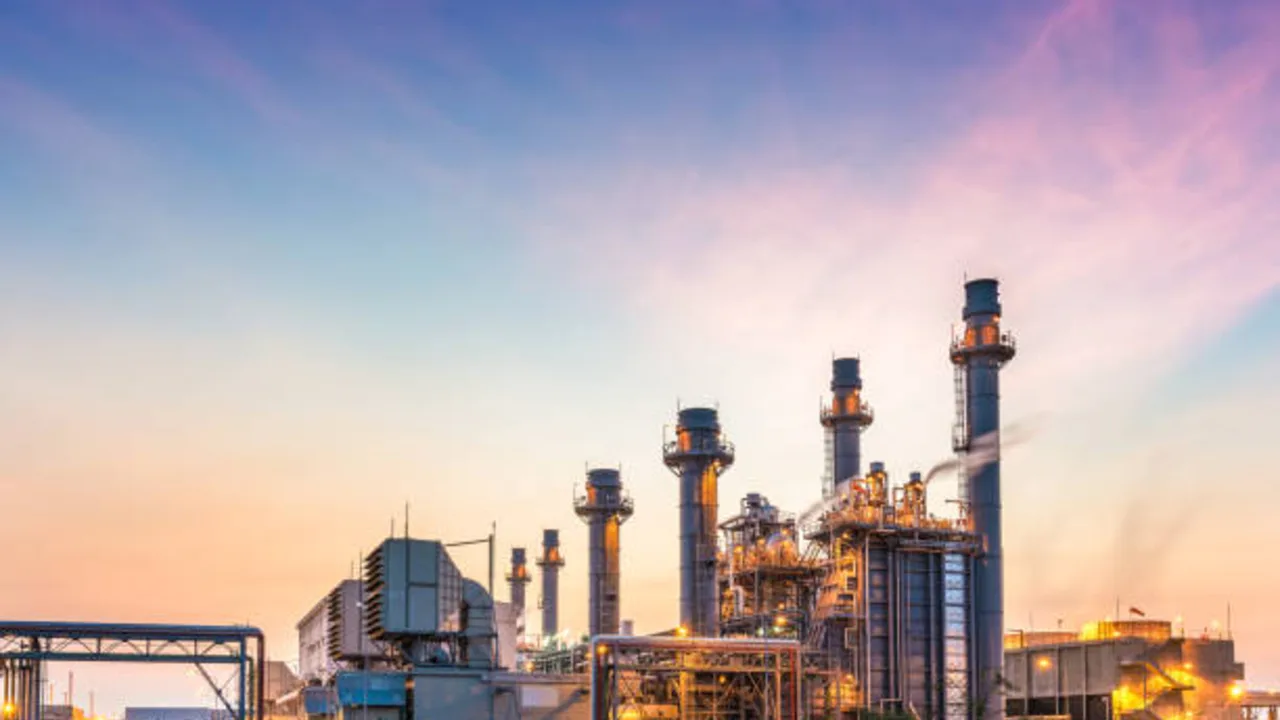
Braced frames are one of the most common systems used in an earthquake resistant factory. Steel braces are installed diagonally between columns and beams to increase stability and reduce sideways movement during seismic activity.
These braces help transfer forces safely to the foundation and prevent excessive deformation. In industrial buildings with wide spans, bracing systems are essential for maintaining structural safety.
Advantages of braced frames include:
- High resistance to lateral forces
- Efficient use of steel reinforcement
- Improved stability for large structures
- Cost‑effective seismic protection
Because factories often have open interior layouts, engineers carefully place braces where they will not interfere with production equipment.
Rigid Frame Systems
Rigid frame structures use strong beam‑column connections that resist bending during ground movement. Instead of relying only on braces, the joints themselves provide stability.
This system is commonly used in modern industrial buildings because it allows flexible interior space while still maintaining seismic strength.
Rigid frames are effective when combined with proper steel reinforcement, ensuring that stress is distributed across the entire structure rather than concentrated in one area.
Shear Wall Integration
Shear walls are vertical structural elements designed to resist horizontal forces. They are often used in combination with steel frames to improve earthquake performance.
In factories, shear walls may be placed near staircases, storage zones, or service areas where solid walls are already required. This allows the building to gain additional strength without affecting workspace layout.
Shear walls improve structural safety by:
- Reducing lateral displacement
- Increasing overall rigidity
- Supporting load transfer to the foundation
Base Isolation Technology
Advanced industrial facilities sometimes use base isolation systems to reduce the impact of earthquakes. In this design, special bearings are installed between the foundation and the building structure.
These devices allow the ground to move without transferring the full force to the building above. As a result, the structure experiences less stress and vibration.
Although more expensive, base isolation can significantly improve the performance of an earthquake resistant factory, especially in high‑risk seismic zones.
Foundation Design for Seismic Stability
No matter how strong the upper structure is, a factory cannot be earthquake‑resistant without a stable foundation. Seismic forces always begin at the ground, so proper soil analysis and foundation engineering are critical.
Engineers evaluate several factors before designing the foundation:
- Soil type and density
- Groundwater level
- Seismic history of the region
- Expected building load
Weak soil can amplify ground motion, increasing the risk of structural damage. In these cases, deeper foundations or special reinforcement methods are required.
Deep Foundations and Pile Systems
Pile foundations are often used in industrial buildings located in seismic areas. Steel or concrete piles are driven deep into the ground to reach stable soil layers.
This method improves structural safety by anchoring the building securely and reducing the risk of uneven movement during earthquakes.
Common foundation solutions include:
- Driven steel piles
- Bored concrete piles
- Raft foundations with reinforcement
- Anchored footing systems
Properly designed foundations ensure that the entire earthquake resistant factory moves as one unit instead of shifting unevenly.
Safety Standards and Engineering Codes
Modern industrial construction follows strict engineering standards to ensure buildings can withstand seismic forces. These codes define how structures must be designed, reinforced, and tested before construction begins.
Following recognized standards is essential for maintaining structural safety and protecting both workers and equipment.
Common requirements in seismic design include:
- Minimum reinforcement levels
- Load calculation procedures
- Connection strength requirements
- Foundation stability rules
- Material quality specifications
International organizations such as the Federal Emergency Management Agency (FEMA) and other engineering bodies provide guidelines for earthquake‑resistant construction. These standards help engineers design factories that remain stable even during strong ground motion.
Modern Technology in Earthquake Resistant Construction
Structural Simulation and Modeling
Today, engineers use advanced computer simulations to test how buildings respond to earthquakes before construction begins. These models allow designers to identify weak points and improve the structure early in the planning stage.
Simulation tools make it easier to design an earthquake resistant factory that meets safety requirements while remaining cost‑efficient.
Shock Absorbers and Dampers
Some industrial buildings use special dampers that act like shock absorbers. These devices reduce vibration and help control movement during seismic events.
Dampers improve structural safety by:
- Reducing stress on beams and columns
- Limiting building sway
- Protecting sensitive equipment
High‑Strength Steel Materials
Modern steel reinforcement materials are stronger and more flexible than older construction steel. High‑strength alloys allow engineers to build lighter structures that still provide excellent seismic resistance.
Using advanced steel materials helps factories achieve better performance while reducing overall weight and construction time.
Common Mistakes in Factory Seismic Design
Even with modern technology, mistakes in planning can reduce the effectiveness of earthquake protection. Poor design decisions often lead to structural weakness.
Typical errors include:
- Ignoring soil conditions during foundation design
- Using weak connections between structural elements
- Uneven load distribution inside the building
- Insufficient steel reinforcement
- Not following seismic engineering codes
A properly designed earthquake resistant factory must consider every part of the structure, from the foundation to the roof. Skipping any step can increase the risk of damage during an earthquake.
Building Factories That Survive Earthquakes
Designing an earthquake resistant factory requires more than strong materials. Engineers must combine balanced structural layout, proper foundation design, and effective steel reinforcement to create a building that can absorb seismic forces safely.
By focusing on structural safety, modern industrial facilities can protect workers, equipment, and production processes even in high‑risk seismic regions. Technologies such as braced frames, base isolation, and advanced modeling continue to improve the reliability of factory construction.
As industry grows in earthquake‑prone areas, building with proper seismic design is no longer optional. It is an essential part of creating factories that are safe, durable, and ready for the future.