
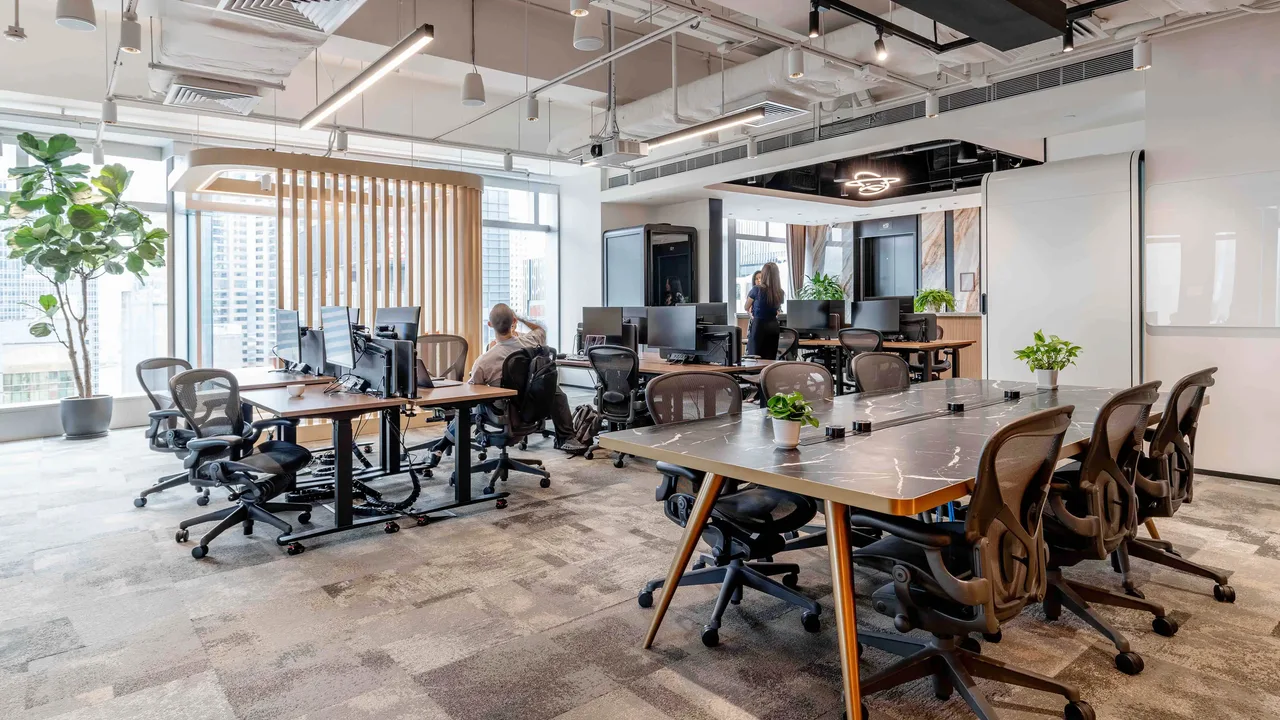
Startups rarely grow in isolation. Behind every successful early-stage company is an environment that supports experimentation, collaboration, and rapid iteration. In recent years, the coworking spaces business has emerged as a crucial layer of infrastructure within entrepreneurial ecosystems. More than just shared desks, these environments act as catalysts for innovation, networking, and operational efficiency.
As remote work and hybrid models become standard, founders increasingly choose flexible workspace solutions over long-term leases. At the same time, startup communities are clustering around collaborative hubs that foster knowledge exchange and mentorship. Together, these shifts are redefining how new ventures launch and scale.
Why Workspaces Matter in Entrepreneurship
In the early days of entrepreneurship, startups often began in garages, spare bedrooms, or coffee shops. While these environments offered affordability, they lacked structure and professional infrastructure. The rise of the coworking spaces business changed that dynamic by offering accessible, ready-to-use office environments tailored to growing teams.
Workspaces influence productivity, culture, and perception. A thoughtfully designed collaborative hub signals credibility to investors and clients. More importantly, it creates daily exposure to other founders, developers, and creatives—fueling spontaneous conversations that can evolve into partnerships.
For many founders, joining a shared office is not only a practical decision but a strategic one. It places them at the heart of active startup communities rather than at the periphery of the ecosystem.
The Growth of the Coworking Spaces Business
From Freelancers to Funded Startups
The coworking spaces business initially attracted freelancers and remote professionals seeking community. Over time, it evolved into a structured model serving venture-backed startups, scale-ups, and even enterprise teams.
Early-stage companies appreciate the flexibility of month-to-month memberships. Instead of committing to multi-year leases, founders can scale space usage in alignment with hiring cycles. This makes a flexible workspace arrangement ideal for unpredictable growth patterns.
As funding rounds close and teams expand, many startups continue operating from shared offices due to built-in amenities and community benefits. The coworking spaces business has effectively bridged the gap between informal work settings and traditional corporate offices.
Economic Drivers Behind Shared Offices
Several economic trends have accelerated demand for shared environments:
- Rising commercial real estate costs in major cities
- Hybrid work adoption reducing full-time office needs
- Desire to minimize upfront capital expenditure
- Operational agility in uncertain markets
Instead of investing heavily in long-term leases, startups can allocate resources toward product development and talent acquisition. A flexible workspace model converts fixed overhead into manageable operational costs.
This adaptability has become a defining feature of the coworking spaces business, particularly in volatile economic climates.
Coworking Spaces as Startup Community Hubs
Networking and Serendipity
One of the most powerful advantages of collaborative offices is the element of serendipity. Casual conversations in communal kitchens or shared lounges often lead to unexpected opportunities. Within active startup communities, knowledge flows informally and frequently.
Founders may discover potential co-founders, early hires, beta testers, or even angel investors simply by working in proximity. These spontaneous interactions are difficult to replicate in isolated remote environments.
The coworking spaces business thrives not only on physical infrastructure but also on curated networking experiences—demo days, pitch events, and skill-sharing sessions.
Shared Culture and Entrepreneurial Energy
Startups benefit from surrounding themselves with peers facing similar challenges. Being part of startup communities fosters accountability and motivation. When neighboring teams celebrate funding milestones or product launches, that momentum spreads.
Many operators of collaborative hubs organize:
- Founder roundtables
- Investor meetups
- Skill-building workshops
- Community demo nights
These events strengthen interpersonal bonds and reinforce the coworking spaces business as more than a rental model—it becomes a platform for ecosystem acceleration.
Flexible Workspace and Operational Agility
Scaling Without Long-Term Leases
Growth rarely follows a straight line. Startups may double headcount within months—or pivot and downsize just as quickly. Traditional office contracts restrict this flexibility. A flexible workspace arrangement allows founders to upgrade from hot desks to private offices without relocating.
This scalability is central to the coworking spaces business model. Teams can expand within the same building, preserving continuity and minimizing disruption.
Infrastructure Without Overhead
Operational infrastructure is expensive and time-consuming to manage independently. Shared environments provide high-speed internet, meeting rooms, printing facilities, security systems, and reception services under a single membership fee.
By outsourcing these logistical elements, startups focus on core competencies such as product development and customer acquisition. Within strong startup communities, founders gain both professional infrastructure and peer support in one environment.
According to insights from the World Economic Forum, hybrid work and decentralized teams are reshaping global office demand. This macro shift reinforces the strategic relevance of the coworking spaces business in modern entrepreneurship.
The Business Model Behind Collaborative Offices
While community is a key selling point, the coworking spaces business operates on structured revenue streams. Providers typically combine:
- Monthly memberships for hot desks
- Private office rentals
- Event space bookings
- Corporate partnerships
- Value-added services such as accelerators or mentorship programs
This diversified approach stabilizes revenue while nurturing startup communities within each location. As demand for flexible workspace solutions grows, operators continue refining pricing models to balance occupancy rates and member satisfaction.
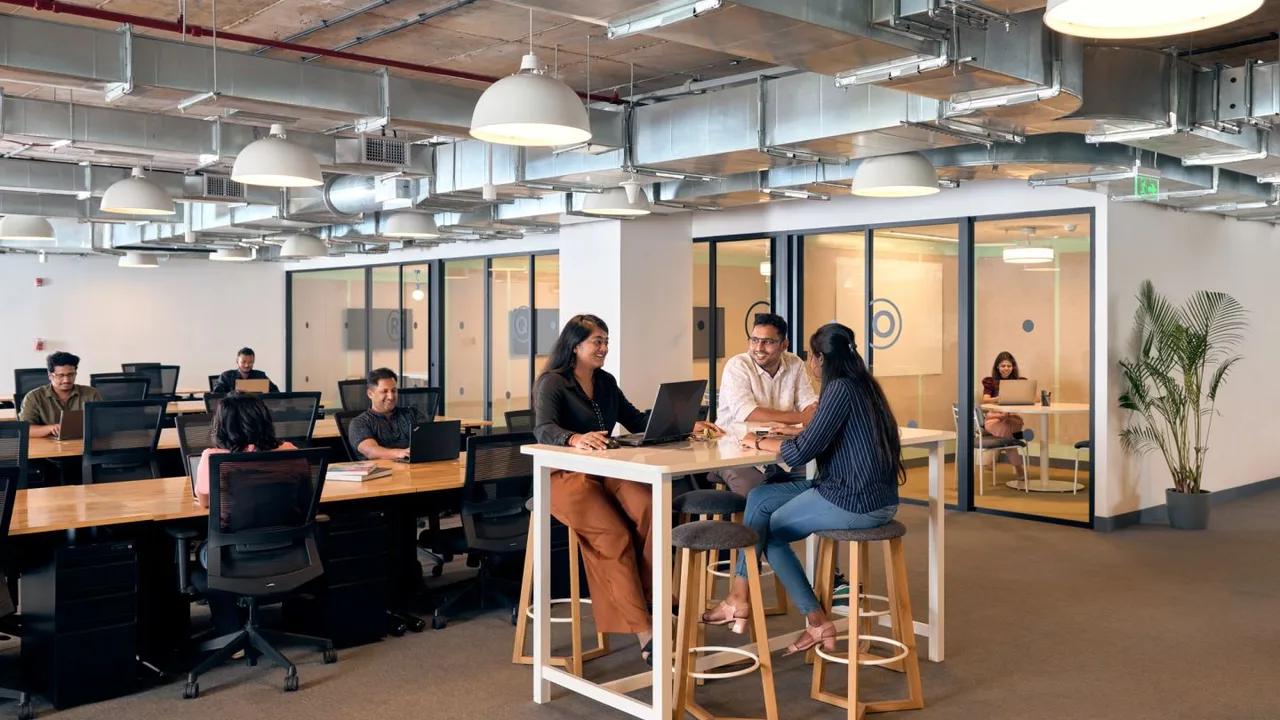
Impact on Startup Ecosystems
Lower Barrier to Entry
Launching a company already involves significant financial pressure. Office deposits, furniture purchases, utility contracts, and maintenance costs can quickly drain early capital. The coworking spaces business lowers these entry barriers by bundling infrastructure into predictable monthly fees.
Instead of allocating large upfront budgets to office setup, founders can direct funds toward product validation, marketing experiments, and hiring. This shift makes entrepreneurship more accessible, particularly within emerging startup communities where capital may be limited.
Access to a professional setting also enhances credibility. Meeting investors or enterprise clients in a well-designed collaborative hub leaves a stronger impression than informal venues.
Ecosystem Acceleration
Thriving startup ecosystems depend on fast information exchange. When founders share space, insights travel quickly—whether about fundraising strategies, technical solutions, or hiring practices. A flexible workspace environment naturally accelerates this knowledge transfer.
Within active hubs, early-stage teams gain exposure to:
- Mentors with operational experience
- Service providers such as legal and accounting advisors
- Angel investors scouting new ventures
- Potential strategic partners
This density of resources strengthens startup communities and shortens the time it takes for companies to move from idea to execution.
Traditional Office vs Flexible Workspace Model
| Factor | Traditional Office | Flexible Workspace |
|---|---|---|
| Lease Commitment | Multi-year contracts | Short-term, scalable plans |
| Upfront Costs | High deposits & fit-out expenses | Minimal setup costs |
| Operational Management | Managed internally | Handled by workspace provider |
| Community Access | Limited to internal team | Embedded in startup communities |
This comparison highlights why the coworking spaces business continues to attract founders who value agility and collaboration over permanence.
Challenges in the Coworking Industry
Despite its advantages, the coworking spaces business faces ongoing challenges. Market saturation in major cities has intensified competition. Operators must differentiate through community programming, niche positioning, or premium amenities.
Economic downturns can also affect occupancy rates, as startups reduce costs during uncertain periods. Retention becomes as important as acquisition. Without genuine engagement, members may treat a space as a transactional rental rather than a community hub.
Maintaining authenticity within startup communities requires consistent programming, thoughtful curation, and responsive management.
The Future of Coworking Spaces Business
Hybrid + Remote Integration
As distributed teams become common, companies increasingly adopt hub-and-spoke models. Instead of maintaining a single headquarters, they utilize multiple flexible workspace locations across cities. This decentralized structure aligns with modern workforce expectations.
The coworking spaces business is adapting by offering global membership access, enabling teams to work from different locations while maintaining brand consistency.
Niche and Industry-Specific Spaces
Another emerging trend is specialization. Rather than serving broad audiences, some operators focus on specific sectors—fintech, health tech, creative industries, or female-led ventures. These curated environments strengthen startup communities by aligning members around shared interests.
Specialized hubs often provide tailored programming, investor networks, and mentorship relevant to their niche. This targeted approach enhances value beyond desk space alone.
Infrastructure for Innovation
The coworking spaces business has evolved into a foundational pillar of modern entrepreneurship. By offering scalable infrastructure, reducing financial barriers, and fostering collaboration, shared environments accelerate innovation across industries.
Strong startup communities flourish when founders operate in close proximity, exchanging ideas and resources. Meanwhile, flexible workspace models empower companies to grow without the constraints of traditional leases.
As hybrid work becomes the norm and entrepreneurial activity continues expanding globally, collaborative hubs will remain essential infrastructure for innovation. They are no longer just places to work—they are ecosystems where ideas take shape and businesses gain momentum.