Safety systems have traditionally relied on reactive mechanisms—alarms that trigger after thresholds are crossed, inspections performed on fixed schedules, and manual reporting processes that often leave room for delay. Today, the smart sensors industry is transforming that paradigm. Instead of reacting to incidents, organizations can now anticipate and prevent them through intelligent monitoring technology powered by connected iot devices.
Across manufacturing plants, construction sites, energy grids, and commercial facilities, safety is becoming data-driven. The smart sensors industry represents a foundational shift toward predictive, automated, and intelligent protection systems.
The Shift Toward Intelligent Safety
Traditional safety systems were built on isolated components. Smoke detectors, temperature gauges, and pressure monitors operated independently, often requiring manual oversight. While effective to a degree, these systems lacked real-time integration and predictive capability.
The rise of connected infrastructure has changed everything. The smart sensors industry integrates hardware, software, and analytics into unified safety ecosystems. Instead of waiting for failure, systems now detect subtle anomalies long before critical thresholds are reached.
Through interconnected iot devices, facilities continuously collect environmental, mechanical, and operational data. Advanced monitoring technology platforms analyze this data in real time, allowing organizations to respond proactively rather than reactively.
What Defines the Smart Sensors Industry?
From Basic Detection to Intelligent Monitoring
At its core, the smart sensors industry represents the evolution of simple detection tools into intelligent, data-driven systems. Early sensors measured isolated variables—temperature, motion, humidity. Modern smart sensors combine sensing capability with embedded processing and communication modules.
This transformation enables:
- Real-time data transmission
- Cloud-based analytics integration
- Automated decision-making
- Remote diagnostics and control
Unlike traditional sensors, smart units continuously communicate with centralized monitoring technology dashboards. This connectivity allows organizations to identify patterns rather than just isolated incidents.
Core Components of IoT-Driven Safety Systems
The smart sensors industry relies on several integrated components working together seamlessly:
| Component | Function | Impact on Safety |
|---|---|---|
| Embedded Processors | Local data processing | Faster anomaly detection |
| Wireless Connectivity | Real-time communication | Instant alerts |
| Cloud Analytics | Centralized monitoring | Predictive insights |
By integrating these elements, the smart sensors industry ensures that safety systems evolve from passive detectors into active guardians.
How Smart Sensors Are Transforming Industrial Safety
Predictive Hazard Detection
One of the most powerful aspects of the smart sensors industry is predictive hazard detection. Instead of waiting for equipment failure, smart systems monitor micro-changes in vibration, temperature, and pressure.
For example:
- Vibration sensors detect early bearing wear in rotating machinery.
- Gas sensors identify minor leaks before they become dangerous.
- Thermal sensors detect overheating electrical components.
These iot devices feed data into advanced monitoring technology platforms that apply machine learning models to forecast potential failures. Predictive alerts enable maintenance teams to intervene before breakdowns occur.
Real-Time Alert Systems
Speed is critical in safety management. The smart sensors industry enables real-time alerts delivered directly to control rooms or mobile devices. Automated shutdown systems can isolate malfunctioning equipment instantly, minimizing risk.
Through interconnected iot devices, facilities can implement layered safety protocols. For example, if a gas concentration exceeds safe limits, ventilation systems activate automatically while supervisors receive immediate notifications.
According to research highlighted by the National Institute of Standards and Technology (NIST), IoT-enabled monitoring technology significantly enhances situational awareness in industrial environments. This reinforces the role of the smart sensors industry in modern safety frameworks.
Smart Sensors Industry in Critical Infrastructure
Manufacturing Plants
In manufacturing, downtime can cost thousands of dollars per hour. The smart sensors industry supports continuous equipment monitoring, reducing unplanned outages. IoT devices track operational metrics and alert operators to deviations in performance.
Advanced monitoring technology ensures that production lines operate within safe parameters while maintaining efficiency.
Construction Sites
Construction environments present dynamic safety challenges. Structural stress sensors monitor load distribution in temporary supports and scaffolding. Environmental sensors track dust levels and air quality.
The smart sensors industry enhances worker protection by providing continuous oversight in high-risk conditions.
Energy and Utilities
Energy grids and pipeline systems require constant surveillance. IoT devices monitor pressure fluctuations, detect leaks, and track equipment performance. Monitoring technology platforms centralize this data, enabling operators to manage vast networks effectively.
In critical infrastructure, the smart sensors industry plays a pivotal role in preventing catastrophic failures.

The Role of Monitoring Technology in Data-Driven Safety
Centralized Control Systems
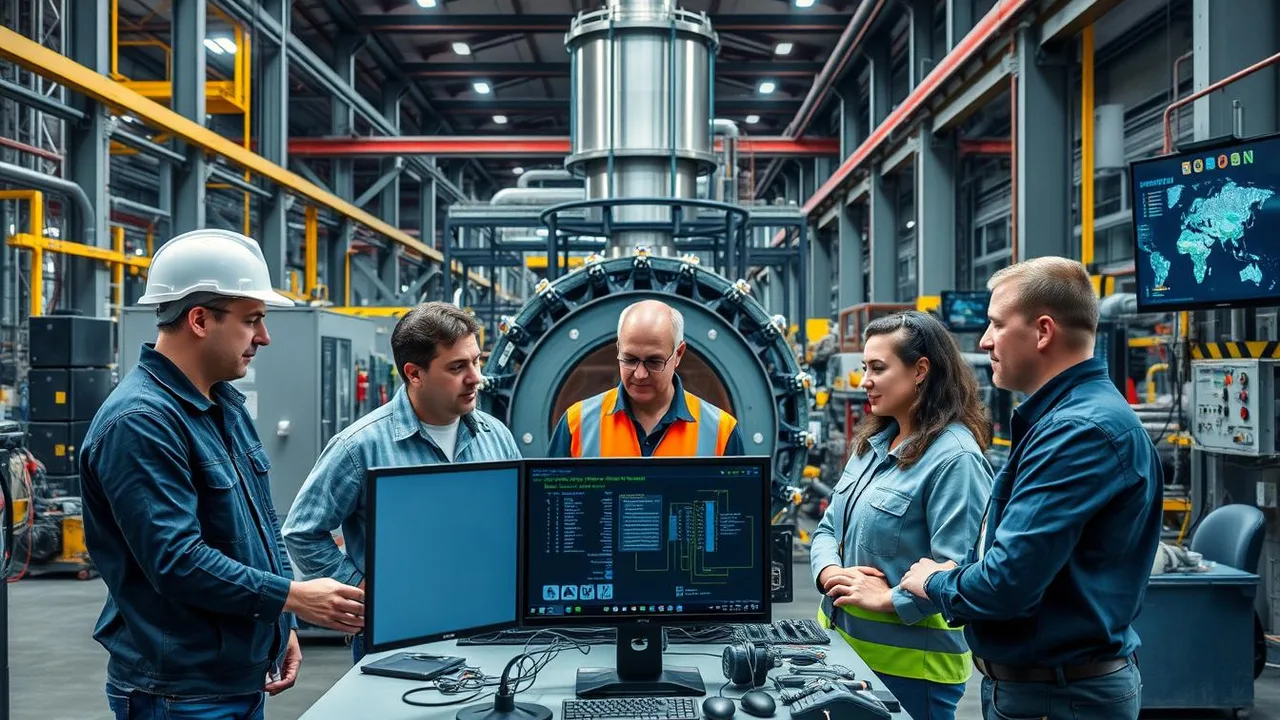
As the smart sensors industry continues to expand, centralized control systems have become the command centers of modern safety infrastructure. Instead of isolated alarm panels, organizations now operate unified dashboards that aggregate data from hundreds or even thousands of iot devices.
These platforms provide real-time visualization of operational conditions across facilities. Temperature maps, vibration trends, pressure levels, and environmental readings are displayed in a single interface powered by advanced monitoring technology. This consolidated view enhances situational awareness and reduces response time during emergencies.
- Remote monitoring via secure cloud platforms
- Mobile alerts for field supervisors
- Automated reporting for compliance documentation
- Integrated historical data analysis
Through centralized systems, the smart sensors industry transforms raw data into actionable intelligence.
AI and Machine Learning Integration
Artificial intelligence has become a key accelerator within the smart sensors industry. Machine learning models analyze historical sensor data to detect anomalies that may not be visible through manual inspection.
For example, monitoring technology platforms can identify subtle vibration shifts in industrial motors that precede mechanical failure. Instead of reacting to breakdowns, maintenance teams receive predictive notifications days or weeks in advance.
IoT devices continuously refine these models by supplying fresh data, allowing safety systems to improve over time. The combination of smart sensors industry innovation and adaptive algorithms creates a feedback loop of increasing accuracy.
Benefits of Smart Sensors Industry Adoption
Organizations adopting the smart sensors industry approach experience measurable improvements in both safety and operational performance. Intelligent monitoring technology supported by interconnected iot devices produces tangible benefits.
| Traditional Safety Systems | Smart Sensors Industry Systems |
|---|---|
| Reactive alarms | Predictive hazard detection |
| Manual inspections | Continuous automated monitoring |
| Isolated devices | Connected IoT ecosystems |
| Delayed reporting | Real-time alerts & analytics |
Key advantages include:
- Reduced equipment downtime
- Lower insurance premiums due to improved risk management
- Enhanced regulatory compliance documentation
- Improved worker protection
The smart sensors industry does not simply enhance safety—it optimizes operations.
Challenges in Implementing Smart Sensor Systems
Despite its advantages, the smart sensors industry faces several implementation challenges. Integrating new iot devices into legacy infrastructure can require significant planning and investment.
Common barriers include:
- Cybersecurity Risks – Connected monitoring technology systems can become targets for cyber threats.
- Data Overload – Large volumes of sensor data require advanced analytics to extract value.
- Infrastructure Compatibility – Older equipment may lack integration capabilities.
- Initial Cost – Deployment of comprehensive IoT ecosystems requires capital investment.
Addressing these challenges requires strategic planning, strong cybersecurity frameworks, and phased deployment strategies. However, long-term gains typically outweigh initial complexity.
The Future of the Smart Sensors Industry
Edge Computing and 5G Connectivity
Emerging technologies are set to accelerate the smart sensors industry even further. Edge computing enables data processing directly at the sensor level, reducing latency and dependence on centralized servers.
With 5G connectivity, iot devices transmit data faster and more reliably. This advancement enhances real-time monitoring technology, particularly in mission-critical environments such as energy grids and industrial automation.
Autonomous Safety Ecosystems
Looking ahead, the smart sensors industry may evolve into fully autonomous safety ecosystems. Self-correcting systems could automatically adjust operational parameters when risk indicators are detected.
Imagine a manufacturing facility where monitoring technology detects a temperature anomaly, reduces machine load automatically, and schedules maintenance—all without human intervention. This level of automation represents the next phase of the smart sensors industry.
Safety Powered by Intelligence
The evolution of the smart sensors industry marks a fundamental shift in how organizations approach safety. Powered by interconnected iot devices and advanced monitoring technology, modern systems move beyond reactive alerts toward predictive, data-driven protection.
From industrial plants to critical infrastructure networks, intelligent sensors are transforming risk management into a proactive discipline. As connectivity, AI, and edge computing continue advancing, the smart sensors industry will become an even more essential pillar of global safety systems.
In the age of intelligent infrastructure, safety is no longer just about response—it is about foresight.