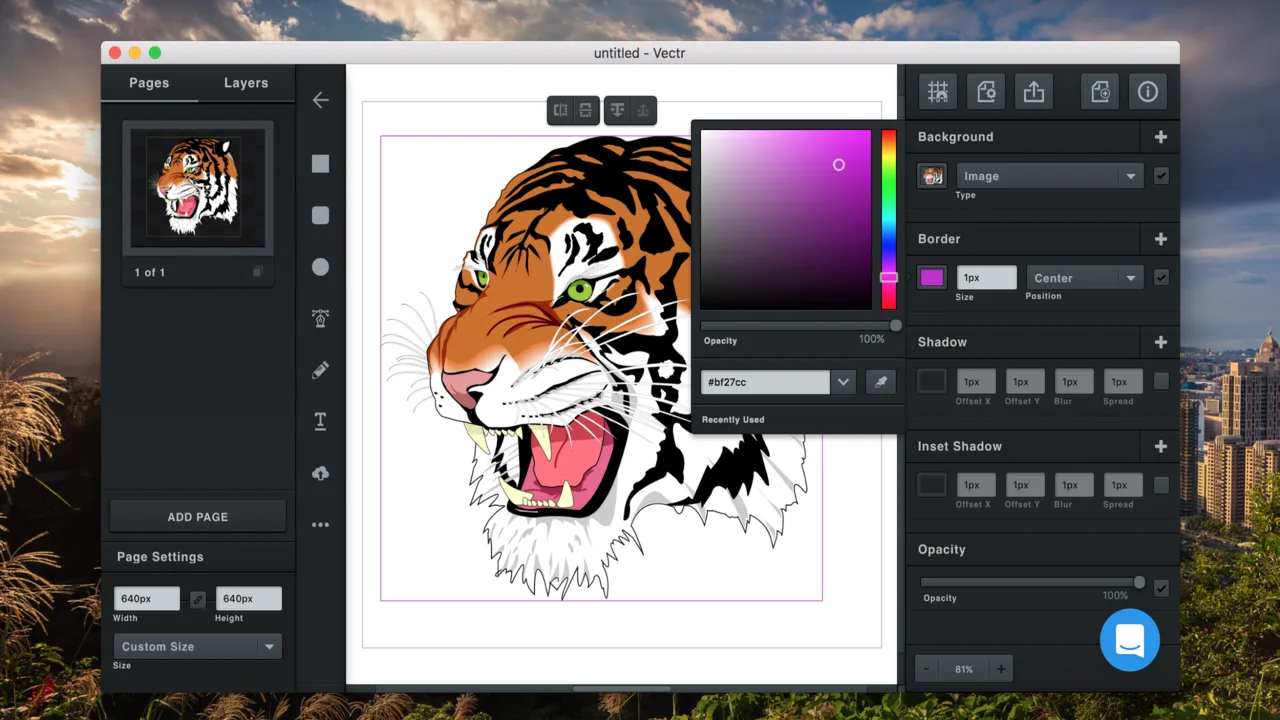
The creative industry has always evolved alongside technology. From the invention of the printing press to the rise of digital illustration software, each innovation has reshaped how designers think and work. Today, ai graphic design represents the next major shift. What once required hours of manual editing can now be completed in minutes with the help of intelligent systems, automation tools, and advanced creative software.
A New Creative Revolution
Graphic design is no longer limited to static tools and fixed workflows. The emergence of ai graphic design has introduced a dynamic environment where algorithms assist with layout decisions, color harmonization, typography pairing, and even concept generation. Designers are no longer working alone in front of a blank canvas—now, they collaborate with intelligent systems capable of analyzing patterns and generating visual suggestions instantly.
This shift is not about replacing human creativity. Instead, it is about enhancing it. By integrating automation tools into everyday workflows, designers can focus more on strategic thinking and storytelling while repetitive tasks are handled by machines. Modern creative software increasingly includes built-in AI features that adapt to user preferences, speeding up production without sacrificing quality.
Understanding AI Graphic Design
What Is AI Graphic Design?
AI graphic design refers to the integration of artificial intelligence into digital design processes. Through machine learning and neural networks, creative software can analyze massive datasets of images, typography styles, layouts, and branding systems. This allows software to suggest improvements, generate visuals, and automate repetitive steps.
There are two primary approaches within ai graphic design:
- AI-assisted design – where designers remain in control while algorithms suggest layouts, colors, or adjustments.
- Fully automated design – where automation tools generate complete compositions based on prompts or templates.
The distinction matters. AI-assisted workflows empower professionals, while full automation often targets quick marketing outputs or entry-level projects.
The Rise of Automation Tools in Creative Workflows
Automation tools have become central to modern creative workflows. Tasks like resizing assets for multiple platforms, adjusting contrast, removing backgrounds, or aligning typography can now be executed instantly. What previously demanded manual repetition is now optimized through smart algorithms embedded inside creative software platforms.
For example, generative AI models can create unique imagery from text prompts, while intelligent layout systems analyze composition balance in real time. Designers using ai graphic design tools often report significant time savings—allowing them to allocate more energy to conceptual development rather than execution.
Popular platforms increasingly integrate AI-powered systems directly into their ecosystems. Tools like Adobe Sensei demonstrate how artificial intelligence can enhance photo editing, font matching, and object detection within professional creative software environments. These integrations illustrate how automation tools are becoming foundational rather than optional.
How AI Is Transforming the Design Process
Speed and Efficiency Through Automation Tools
One of the most visible benefits of ai graphic design is speed. Designers can now produce multiple variations of a visual concept within minutes. Automation tools generate mockups, color schemes, and typography pairings automatically. This reduces production bottlenecks and accelerates approval cycles.
Consider the traditional workflow versus an AI-assisted approach:
| Traditional Workflow | AI-Assisted Workflow |
|---|---|
| Manual resizing for each platform | Automated multi-format export |
| Manual color correction | AI-powered smart adjustments |
| Custom layout drafting from scratch | Intelligent layout suggestions |
This comparison highlights how automation tools minimize repetitive effort. Instead of spending hours on mechanical refinements, designers can refine messaging, brand voice, and visual identity.
Data-Driven Creativity
Beyond efficiency, ai graphic design introduces a data-driven dimension to creativity. Algorithms can analyze audience behavior, engagement metrics, and visual trends to suggest design adjustments that improve performance. For digital campaigns, this means layouts optimized for click-through rates or color palettes tailored to demographic preferences.
Creative software platforms now integrate analytics dashboards that connect directly to social media and marketing data. This fusion of design and analytics allows designers to move from intuition-based decisions to evidence-backed strategies. Automation tools don’t eliminate creativity—they enhance it with actionable insight.
For instance, an AI system might detect that minimalist layouts perform better with a specific audience segment. It can then recommend simplified compositions, adjusted typography weights, or refined spacing. The designer remains the decision-maker but benefits from data-informed guidance.
AI and Creative Software — A Powerful Combination
AI Features in Modern Creative Software
Today’s creative software is evolving rapidly. Features like automatic background removal, generative fill, intelligent cropping, and real-time object recognition are becoming standard. These functions rely heavily on ai graphic design capabilities built into the software architecture.
- Smart object detection automatically isolates subjects in images.
- Generative fill creates realistic extensions of backgrounds.
- Font pairing algorithms suggest typography combinations based on style compatibility.
- Layout intelligence evaluates spacing and alignment for visual harmony.
Such automation tools dramatically reduce manual adjustments while maintaining professional standards. The integration of AI into creative software ecosystems signals a broader transformation of how design is produced and evaluated.
Enhancing — Not Replacing — Designers
Despite rapid innovation, fears about automation replacing designers persist. However, the reality of ai graphic design tells a different story. Algorithms excel at pattern recognition and repetitive execution, but they lack emotional intelligence, cultural awareness, and narrative depth.
Designers bring context, storytelling, and brand strategy—elements that automation tools cannot fully replicate. Instead of replacing professionals, AI becomes a collaborative partner. It handles execution speed while humans guide creative direction.
This partnership allows professionals to move beyond production-focused roles into strategic positions. As creative software continues to evolve, designers who understand how to leverage automation tools effectively will gain a competitive edge in the industry.
Ethical Concerns and Creative Ownership
Copyright and Intellectual Property
As ai graphic design becomes more advanced, ethical and legal questions inevitably arise. One of the most debated topics is ownership. When automation tools generate an image based on a prompt, who owns the final output? Is it the designer who wrote the prompt, the company that developed the algorithm, or the dataset that trained the model?
Many AI systems are trained on vast collections of publicly available images, illustrations, and typographic works. This has raised concerns about copyright infringement and creative attribution. Designers who rely heavily on creative software powered by machine learning must understand how these tools source their training data and what usage rights apply to generated content.
Transparency is critical. Ethical ai graphic design depends not only on innovation but also on responsible implementation. Designers should verify licensing terms, understand platform policies, and ensure that automation tools align with intellectual property regulations in their region.
Authenticity in the Age of AI Graphic Design
Another growing concern is creative homogenization. Because AI models analyze patterns from existing datasets, there is a risk that designs may begin to look similar. If too many creators rely exclusively on automation tools, visual diversity may decline. Templates, algorithm-driven layouts, and AI-generated imagery can sometimes produce predictable aesthetics.
This is where human creativity remains indispensable. While ai graphic design can accelerate workflows and suggest compositions, originality stems from human experience, cultural nuance, and emotional storytelling. Designers must use creative software as a foundation—not a substitute—for authentic expression.
Maintaining originality requires intentional effort. Professionals can combine AI-assisted drafts with hand-drawn elements, custom typography, or unique branding strategies. By blending automation tools with personal creative insight, designers preserve individuality while benefiting from technological efficiency.
The Future of AI Graphic Design
Hyper-Personalization and Real-Time Branding
Looking ahead, ai graphic design is expected to drive hyper-personalized content creation. Brands increasingly seek visuals tailored to individual users, adapting designs dynamically based on behavior, location, and interaction history. Automation tools already enable rapid content variation for digital advertising, and future creative software platforms will likely expand these capabilities.
Imagine a website banner that changes its color scheme and imagery depending on the viewer’s browsing history. Or social media graphics that automatically adjust typography and layout for different audience segments. These applications demonstrate how automation tools are transforming design from static output to adaptive systems.
This shift also changes how designers think about branding. Instead of creating one fixed identity system, they may design flexible frameworks that allow AI to generate variations within defined guidelines. In this model, creative software becomes an engine for scalable visual storytelling.
Skills Designers Need in the AI Era
The rise of ai graphic design doesn’t eliminate the need for human expertise—it redefines it. Designers must now develop complementary skills that go beyond technical execution. Understanding how automation tools function, how to craft effective prompts, and how to evaluate AI-generated outputs are becoming essential competencies.
- Prompt engineering – Writing clear, strategic instructions for AI systems.
- Data literacy – Interpreting performance metrics and audience analytics.
- Strategic thinking – Aligning visuals with brand identity and long-term goals.
- Ethical awareness – Recognizing bias and copyright implications within creative software.
Designers who embrace these skills will position themselves as strategic leaders rather than production specialists. AI handles repetition, but humans drive vision.
Balancing Automation and Creativity
The conversation surrounding ai graphic design often centers on fear or hype. Yet the most realistic perspective lies somewhere in between. Automation tools are neither magic solutions nor existential threats. They are instruments—powerful ones—that expand creative possibility when used thoughtfully.
Creative software powered by artificial intelligence can accelerate brainstorming, optimize layouts, and generate alternatives instantly. However, successful design still depends on empathy, storytelling, and cultural context. Machines can calculate; humans can interpret meaning.
The most effective designers of the future will understand how to orchestrate this balance. They will use automation tools to eliminate inefficiencies while preserving artistic identity. Rather than competing with AI, they will collaborate with it.
Creativity in the Age of Intelligent Design
The rise of ai graphic design signals a fundamental transformation in the creative industry. Automation tools and advanced creative software are reshaping workflows, redefining productivity, and expanding what is visually possible. Yet the heart of design remains human.
As technology evolves, the responsibility falls on designers to guide its use responsibly and creatively. By embracing automation tools while maintaining originality and ethical standards, professionals can harness the power of AI without compromising authenticity.
The future of graphic design is not about replacing imagination with algorithms. It is about amplifying imagination through intelligent systems. In this new era, creativity and technology move forward together—each strengthening the other.