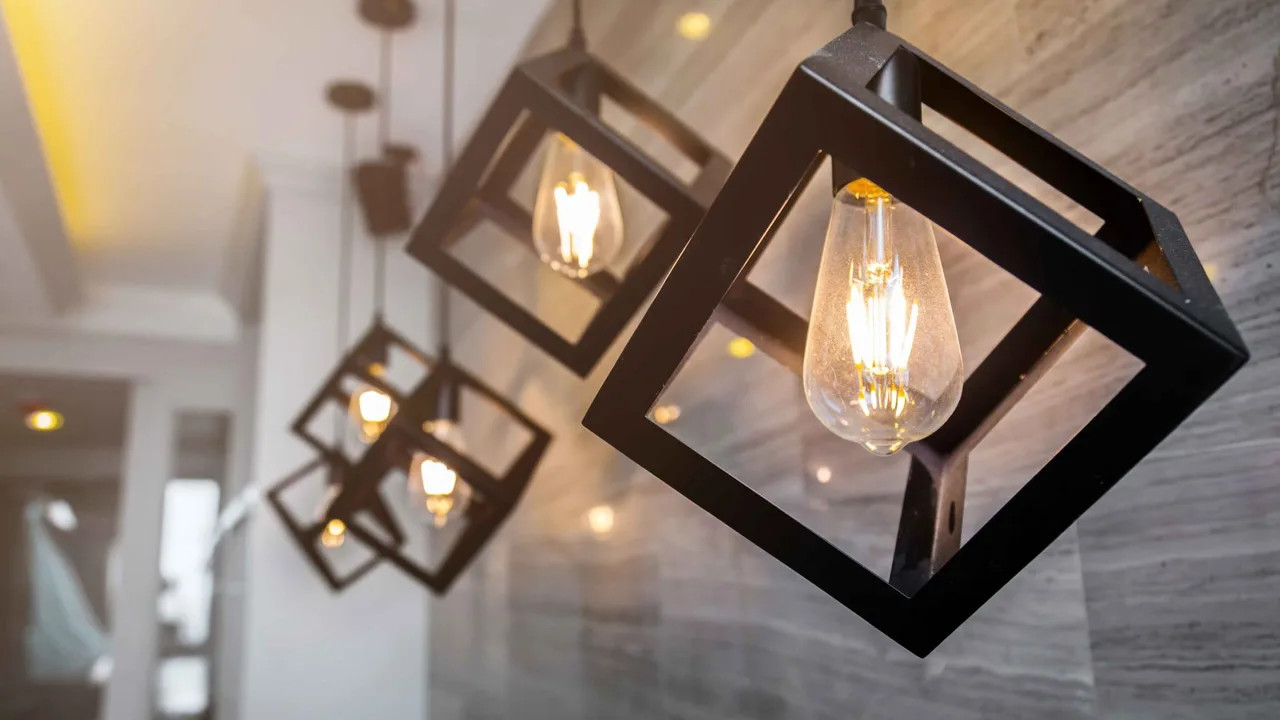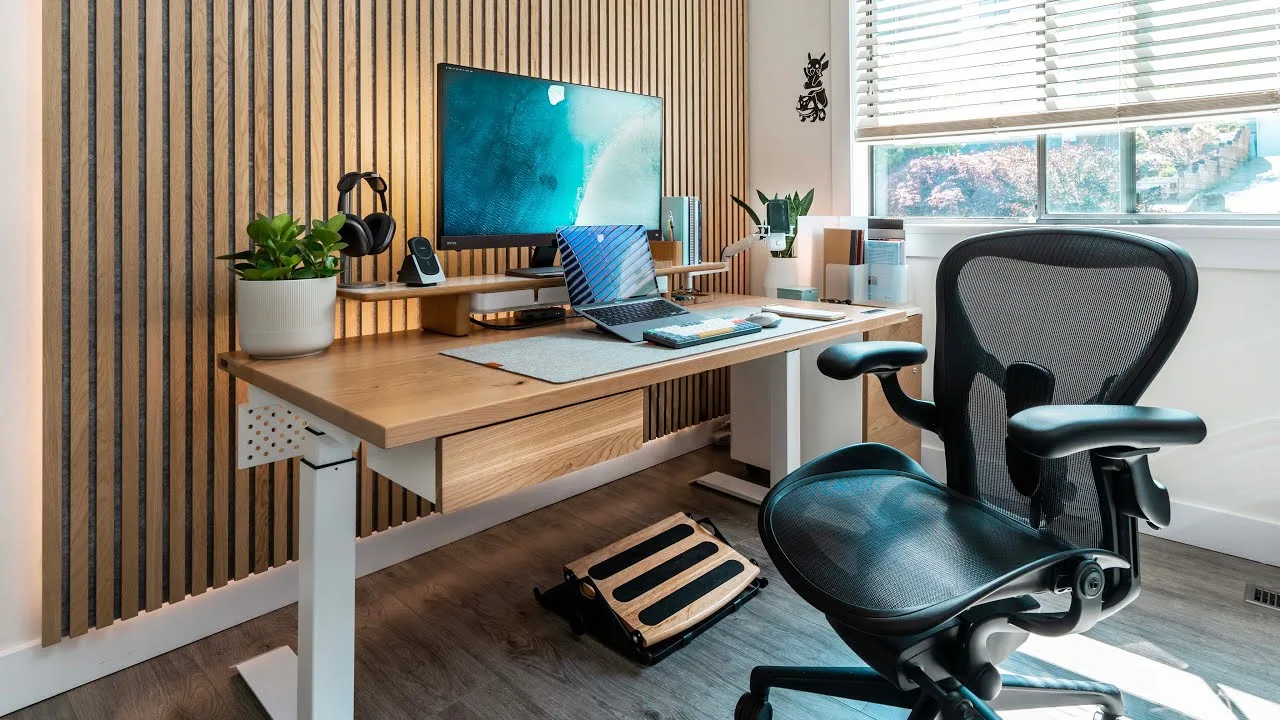

Walk into a modern apartment in New York, Jakarta, or Berlin and you might notice something interesting: the lighting is softer, plants are everywhere, the air smells faintly of eucalyptus, and there’s a dedicated corner for meditation or journaling. This isn’t accidental. It’s a reflection of a deeper cultural shift. The modern wellness lifestyle has evolved from a niche interest into a defining characteristic of how Millennials design their homes and structure their daily routines.
For this generation, wellness is no longer limited to gym memberships or weekend yoga classes. It’s embedded into the way spaces are curated. From self-care design principles to the broader relaxation trend shaping urban living, Millennials are intentionally building environments that protect their mental health, reduce stress, and create emotional balance.
The Rise of the Wellness Lifestyle Generation
Millennials grew up during rapid technological acceleration, economic uncertainty, and constant connectivity. Unlike previous generations, they entered adulthood in an era of social media comparison, hustle culture glorification, and blurred work-life boundaries. As burnout became normalized, the response was almost inevitable: a turn toward intentional living.
The wellness lifestyle became more than a trend — it became a coping mechanism and, eventually, a value system. According to research published by the McKinsey Health Institute, the global wellness market has grown into a multi-trillion-dollar industry, largely driven by younger consumers prioritizing mental well-being over material accumulation. This shift explains why interior design, real estate, and hospitality sectors are adapting to accommodate a generation that sees emotional balance as essential.
But why spaces? Why not just habits? The answer lies in psychology: environment shapes behavior. When a home encourages calm, reflection, and physical comfort, it supports the wellness lifestyle in ways that abstract goals cannot.
From Hustle Culture to Healing Culture
The Burnout Backlash
For years, productivity was the ultimate badge of honor. Long work hours, side hustles, and constant online presence defined ambition. However, this relentless pace triggered widespread burnout. Anxiety, insomnia, and stress-related disorders became increasingly common among Millennials navigating demanding careers.
The backlash against hustle culture fueled the rise of the relaxation trend. Wellness spaces — whether at home or in public venues — became sanctuaries against overstimulation. Soft lighting, noise reduction materials, indoor plants, and tactile fabrics transformed ordinary rooms into restorative environments.
- Natural light to regulate circadian rhythms
- Indoor greenery to reduce stress
- Neutral palettes to create psychological calm
- Minimalist layouts to limit visual clutter
Each of these elements reinforces the wellness lifestyle by turning physical space into an ally rather than a stressor.
Redefining Success Through Balance
Unlike previous generations that measured success through property size or luxury goods, Millennials increasingly define achievement through balance and emotional health. Experiences are valued more than possessions. A thoughtfully designed apartment that promotes peace may hold more appeal than a larger but chaotic home.
This mindset shift explains the growing popularity of self-care design — interiors intentionally crafted to encourage mindfulness and restoration. From spa-inspired bathrooms to quiet reading nooks, Millennials are embedding self-care into architecture itself. The wellness lifestyle becomes visible in every corner: filtered water systems, ergonomic furniture, meditation cushions, aromatherapy diffusers.
The Psychology Behind Wellness Spaces
How Physical Space Affects Mental Health
Environmental psychology shows that surroundings directly influence mood and cognitive function. Natural light increases serotonin production. Greenery lowers cortisol levels. Organized spaces reduce anxiety. These aren’t aesthetic preferences; they are physiological responses.
When Millennials adopt a wellness lifestyle, they are often responding to these subconscious cues. Homes that incorporate biophilic design — integrating natural elements into built environments — align with this instinct. Large windows, indoor gardens, and wooden textures reconnect urban dwellers with nature, even in high-density cities.
The growing demand for such features reflects how deeply the relaxation trend has penetrated housing expectations. A “good apartment” is no longer defined only by location and size, but by how it makes residents feel.
The Role of Self-Care Design
Self-care design goes beyond decoration. It is strategic. It considers acoustics, lighting temperature, airflow, and even scent distribution. Millennials are increasingly aware that sensory overload contributes to stress. Designing with intention counteracts that effect.
Key components of self-care design within the wellness lifestyle include:
- Layered lighting – Adjustable warm lighting that mimics sunset tones.
- Textural comfort – Soft fabrics, organic materials, and tactile surfaces.
- Sound buffering – Carpets, curtains, and acoustic panels to reduce noise.
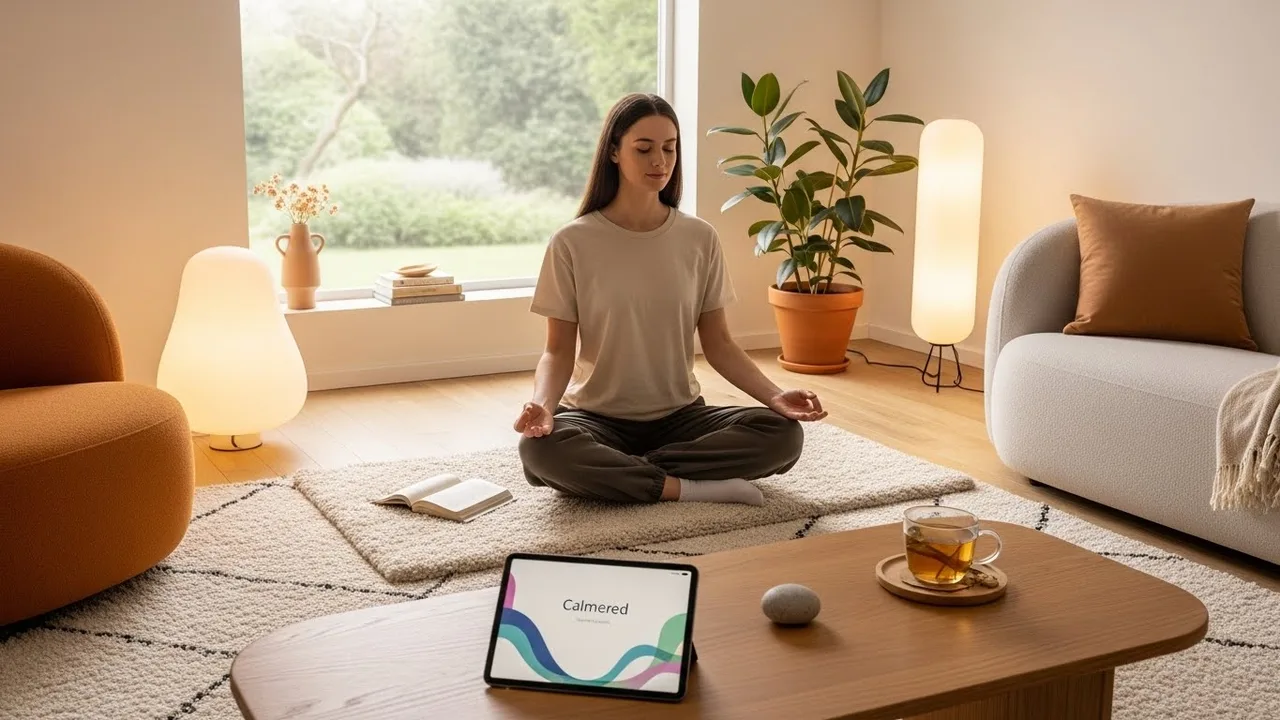
- Dedicated calm zones – Meditation corners or journaling desks.
These features signal a broader transformation: wellness is no longer reactive. It is proactive and built into daily living. The wellness lifestyle is designed, not improvised.
Social Media and the Aesthetic of Wellness
Instagram-Ready Relaxation
It would be impossible to discuss Millennials and wellness spaces without acknowledging social media. Platforms like Instagram and TikTok have amplified the relaxation trend, showcasing serene interiors bathed in soft light. “Clean girl” aesthetics, minimalist bedrooms, and plant-filled balconies have become aspirational imagery.
However, this visibility also raises questions: Is the wellness lifestyle authentic, or is it curated for online validation? The answer likely lies somewhere in between. While social media popularizes certain aesthetics, it also spreads awareness about mental health and intentional living.
For many Millennials, the desire to create calming environments begins online but translates into genuine lifestyle change offline. Even if aesthetic inspiration originates from curated feeds, the psychological benefits of thoughtfully designed spaces remain real.
The Relaxation Trend in Urban Living
Micro Wellness Spaces in Small Apartments
Urban Millennials often live in compact apartments where space is limited but expectations are high. Instead of waiting for larger homes, many are optimizing what they already have. The wellness lifestyle doesn’t require a mansion — it requires intention.
In dense cities, the relaxation trend manifests in creative ways:
- Meditation cushions placed near windows to maximize natural light
- Foldable yoga mats stored beneath minimalist furniture
- Balcony herb gardens that double as therapeutic rituals
- Compact infrared sauna units designed for apartments
These micro wellness spaces transform even a studio apartment into a restorative environment. Rather than separating wellness from daily life, Millennials integrate it seamlessly. The wellness lifestyle becomes embedded in how furniture is arranged, how lighting is chosen, and how routines unfold.
Coworking Meets Calm
Workspaces have also adapted. Traditional offices with fluorescent lighting and rigid desks are giving way to hospitality-inspired environments. Coworking spaces now include nap pods, quiet rooms, air purification systems, and soft seating lounges. The boundaries between home, work, and relaxation blur — but in a healthier direction.
This shift reflects how deeply the relaxation trend influences expectations. Millennials don’t just want productivity; they want psychological safety. Companies responding to this demand are discovering that supporting a wellness lifestyle improves retention, creativity, and performance.
| Traditional Apartment | Wellness-Optimized Apartment |
|---|---|
| Single overhead lighting | Layered, adjustable warm lighting |
| Minimal greenery | Indoor plants and natural textures |
| Work desk in bedroom | Dedicated calm or meditation zone |
| Noise-prone layout | Soft materials for acoustic comfort |
The comparison highlights an important truth: the wellness lifestyle is not about luxury; it is about design choices that support mental clarity and emotional balance.
The Business of Wellness Lifestyle
Real Estate Responds to the Trend
Developers have noticed that wellness sells. New residential projects increasingly advertise features aligned with the wellness lifestyle: filtered air systems, circadian lighting technology, community yoga studios, and rooftop gardens. These amenities signal a shift in market demand.
The relaxation trend is no longer confined to boutique spas or retreats. It is influencing zoning decisions, building materials, and shared community layouts. Properties that prioritize daylight access, walkability, and green communal areas often attract younger buyers willing to invest in long-term well-being.
Hospitality and Hybrid Living
Hotels and short-term rentals have also embraced self-care design. Rooms now feature aromatherapy kits, blackout curtains for optimal sleep, and calming color palettes. Even budget accommodations highlight comfort and relaxation as core experiences.
This commercial embrace of the wellness lifestyle reflects a generational reality: Millennials are willing to pay for environments that make them feel better. Emotional comfort has become an economic driver.
Is Wellness Lifestyle a Trend or a Transformation?
Sustainability of the Movement
Critics argue that the wellness lifestyle may be partially aesthetic — another phase in the cycle of consumer trends. After all, social media amplifies visual calm in ways that can blur authenticity with performance. Yet the deeper motivations suggest something more permanent.
Rising awareness of mental health, flexible work structures, and remote living arrangements indicate that design priorities have fundamentally shifted. The relaxation trend is not merely decorative; it responds to measurable stress patterns and evolving work habits.
The Future of Self-Care Design
Looking ahead, technology will likely personalize wellness spaces even further. Smart lighting systems already adjust color temperature throughout the day. AI-controlled climate systems optimize air quality and humidity levels. These innovations align naturally with the wellness lifestyle, enhancing comfort without requiring constant user input.
Future homes may track sleep quality, regulate soundscapes, and adapt lighting based on circadian rhythms automatically. As these tools become more accessible, self-care design will shift from luxury upgrade to baseline expectation.
Designing for Emotional Well-Being
Millennials’ obsession with wellness spaces reveals more than aesthetic preference. It signals a generational recalibration of priorities. In a world marked by digital overload and economic uncertainty, the wellness lifestyle offers stability through intentional design.
By embracing the relaxation trend and integrating thoughtful self-care design into homes, workplaces, and public environments, Millennials are reshaping architecture and lifestyle standards alike. Wellness is no longer an afterthought — it is the blueprint.
What began as a personal coping strategy has evolved into a cultural transformation. If current patterns continue, the spaces of the future will not simply shelter us. They will actively support how we feel, think, and recover. And that may be the most powerful design shift of all.