For decades, industrial waste was treated as an unavoidable byproduct of manufacturing—an operational cost to be minimized rather than an opportunity to be explored. Today, that perception has changed dramatically. Industrial recycling is no longer just an environmental initiative; it has become a serious economic driver across global industries. What was once considered scrap is now recognized as valuable raw material.
As raw material prices fluctuate and environmental regulations tighten, companies are rethinking how they handle surplus materials. The integration of advanced waste management systems and strategic material reuse models is transforming industrial recycling into a scalable business advantage.
From Waste Problem to Profit Opportunity
Global manufacturing generates millions of tons of surplus materials annually. Metals, polymers, composites, and packaging waste accumulate at every stage of production. Historically, companies focused on disposal efficiency—reducing landfill costs or negotiating cheaper removal contracts.
However, modern supply chain pressures have forced industries to look deeper. Rising commodity prices, sustainability reporting demands, and resource scarcity have reshaped priorities. Industrial recycling now represents a way to stabilize costs, diversify supply sources, and create new revenue streams.
Instead of viewing scrap metal or excess plastic as waste, companies are increasingly treating them as secondary raw materials. With structured waste management systems in place, discarded outputs re-enter production cycles through material reuse strategies.
The Economic Forces Behind Industrial Recycling Growth
Rising Raw Material Costs
Volatility in steel, aluminum, copper, and petroleum-based plastics has significantly impacted manufacturing budgets. When virgin material prices spike, margins tighten. This volatility has accelerated investment in industrial recycling as a hedge against supply instability.
Recycled metals and polymers often require less energy to process than newly extracted materials. For example, recycled aluminum consumes substantially less energy than primary aluminum production. By prioritizing material reuse, manufacturers reduce dependency on unpredictable global supply chains.
- Lower procurement costs
- Reduced exposure to commodity market swings
- Improved supply chain resilience
These financial incentives make industrial recycling a strategic asset rather than a compliance measure.
Stricter Environmental Regulations
Governments worldwide are implementing stricter environmental standards, landfill restrictions, and carbon pricing mechanisms. Companies are required to document their waste management practices and demonstrate measurable sustainability improvements.
Environmental, Social, and Governance (ESG) reporting frameworks increasingly evaluate how organizations manage waste streams. As regulatory expectations intensify, industrial recycling becomes both a compliance necessity and a reputational advantage.
By incorporating systematic material reuse programs, businesses align operational goals with regulatory demands, minimizing penalties while enhancing brand credibility.
How Industrial Recycling Works
Collection and Sorting Systems
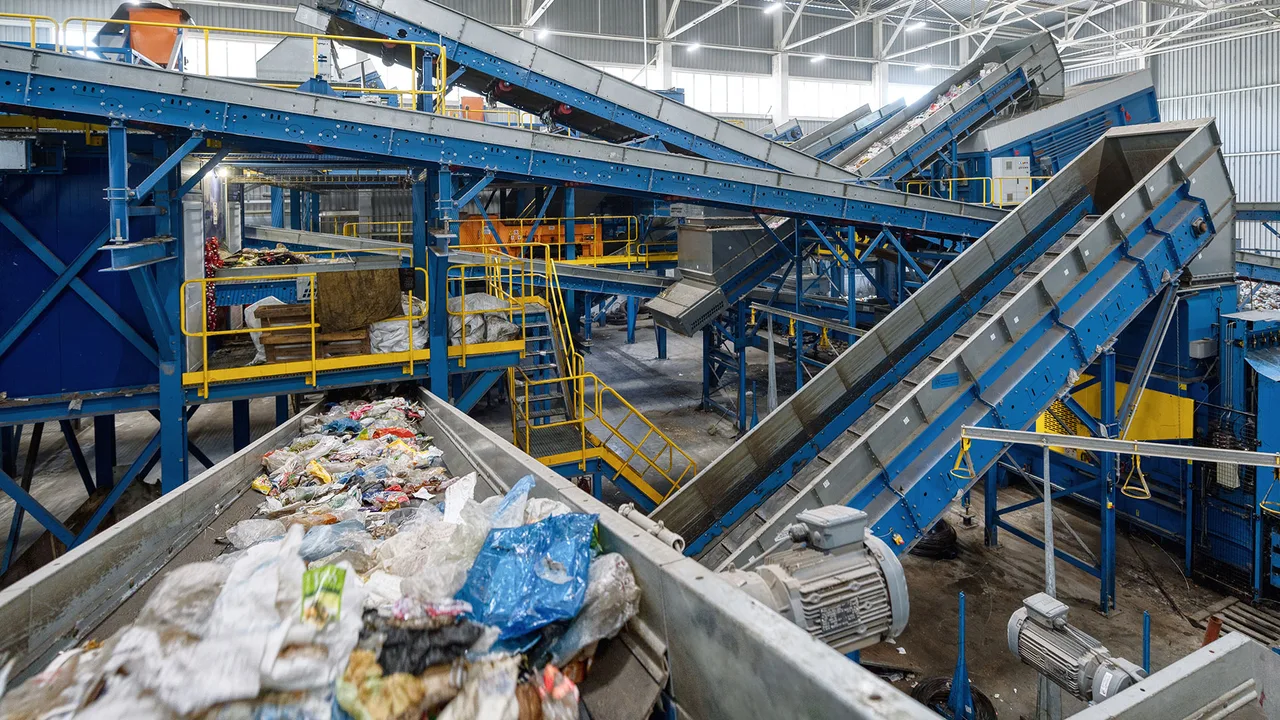
Effective industrial recycling begins with proper waste stream identification. Facilities categorize surplus materials based on composition, contamination level, and potential reuse value. Advanced sorting technologies—often supported by automation—improve separation accuracy.
Modern recycling plants use sensor-based sorting systems capable of distinguishing materials by density, conductivity, and optical properties. This precision increases recovery rates and enhances profitability.
Integrated waste management platforms track volumes and types of industrial byproducts in real time. Data-driven insights allow companies to forecast recycling output and optimize logistics.
Processing and Material Reuse
After collection and sorting, materials undergo processing tailored to their composition. Metals may be melted and refined, plastics shredded and re-extruded, and composites chemically treated. These processes prepare recycled materials for reintegration into manufacturing cycles.
Closed-loop production systems exemplify the potential of industrial recycling. In such systems, scrap generated during manufacturing is reprocessed internally and reused in subsequent production runs. This approach maximizes material reuse and minimizes waste output.
| Material Type | Recycling Method | Business Benefit |
|---|---|---|
| Steel & Metals | Melting and re-casting | Lower raw material costs |
| Plastics | Shredding and pelletizing | Reduced procurement expenses |
| Industrial Packaging | Reprocessing and reuse | Decreased disposal fees |
Through structured industrial recycling initiatives, companies transform excess output into strategic inventory.
Why Industrial Recycling Is Now Profitable
Secondary Material Markets
The growth of global secondary material markets has significantly strengthened the business case for industrial recycling. Scrap metals and recycled polymers are now actively traded commodities. Manufacturers that produce surplus recyclable material can sell it into these markets, generating additional revenue streams.
International demand for recycled inputs continues to rise, particularly as industries pursue sustainability targets. Efficient waste management practices allow companies to convert surplus materials into marketable assets.
Technology Driving Efficiency
Technological innovation plays a major role in improving recycling economics. AI-powered sorting systems, robotics, and data analytics platforms enhance recovery rates and reduce operational costs.
Advanced waste management software tracks material flows, predicts output volume, and optimizes processing schedules. These efficiencies improve margins while ensuring consistent material reuse outcomes.
According to insights from the OECD’s waste management research, circular resource systems significantly contribute to economic growth by reducing reliance on primary extraction and improving resource productivity. This reinforces why industrial recycling is no longer just an environmental solution—it is a macroeconomic opportunity.
Industrial Recycling and Corporate Growth Strategy
Turning Waste Into Revenue
For forward-thinking organizations, industrial recycling is no longer a side initiative—it is integrated directly into corporate growth strategy. Instead of outsourcing all surplus materials, many companies now evaluate how waste streams can be monetized internally or sold into secondary markets.
By aligning waste management systems with financial planning, manufacturers can identify high-value scrap categories and negotiate long-term supply agreements with recycling partners. In some cases, businesses establish in-house recycling divisions to control processing and maximize material reuse profitability.
Revenue generation from industrial recycling may include:
- Direct sale of sorted scrap metals and polymers
- Closed-loop reuse that reduces procurement expenses
- Strategic partnerships with specialized recycling firms
- Licensing of proprietary waste processing innovations
When structured properly, industrial recycling shifts from being a disposal cost to becoming a recurring revenue channel.
Competitive Advantage Through Sustainability
Beyond direct financial returns, industrial recycling strengthens competitive positioning. Investors increasingly evaluate sustainability performance as part of long-term risk analysis. Companies with robust waste management programs often demonstrate greater operational discipline and cost resilience.
Consumers and B2B buyers alike prefer suppliers who integrate material reuse into their production models. Transparent reporting on industrial recycling performance enhances brand credibility and can influence procurement decisions.
Organizations that embed industrial recycling into their operational DNA are often more adaptable during supply chain disruptions. By relying less on virgin materials, they gain insulation from geopolitical volatility and commodity price spikes.
Challenges in Scaling Industrial Recycling
Infrastructure Gaps
Despite its growth, industrial recycling faces infrastructure limitations in certain regions. Developing economies may lack advanced sorting facilities, efficient logistics networks, or regulatory clarity. Without strong waste management ecosystems, scaling recycling initiatives becomes more complex.
Investment in automation, smart processing plants, and transportation networks is critical. Governments and private enterprises must collaborate to build integrated industrial recycling systems capable of handling diverse material streams.
Market Volatility
Secondary material markets, while profitable, can be volatile. Scrap prices fluctuate based on global demand, trade policies, and raw material supply levels. Businesses engaging heavily in industrial recycling must manage price risk through diversified buyers and long-term contracts.
Strategic planning ensures that fluctuations in recycled material pricing do not undermine broader waste management objectives. Companies that balance internal material reuse with external market sales tend to maintain stability.
The Future of Industrial Recycling
Circular Economy Acceleration
The rise of the circular economy is accelerating industrial recycling adoption worldwide. Instead of linear production models—extract, manufacture, dispose—industries are designing systems where materials remain in circulation for extended periods.
Industrial symbiosis initiatives allow one company’s waste output to serve as another’s raw material input. This collaborative approach strengthens material reuse networks while reducing environmental impact.
As highlighted by global circular economy research from organizations such as the Ellen MacArthur Foundation, closing material loops enhances both economic resilience and environmental sustainability. Industrial recycling sits at the center of this transformation.
Smart Waste Management Systems
Emerging technologies are redefining how industrial recycling systems operate. IoT-enabled tracking devices monitor material flows in real time. Predictive analytics forecast waste generation patterns, enabling more efficient processing schedules.
Advanced waste management platforms integrate supply chain data, production metrics, and recycling outputs into unified dashboards. These systems improve decision-making and ensure optimal material reuse across facilities.
Artificial intelligence further enhances sorting precision and recovery rates, reducing contamination and maximizing resale value. As automation improves, industrial recycling will become increasingly scalable and profitable.
Waste Is the New Resource
The perception of waste has fundamentally changed. Industrial recycling is no longer a peripheral sustainability effort—it is a core business strategy. Through effective waste management and strategic material reuse, companies reduce costs, generate revenue, and strengthen supply chain resilience.
Economic pressures, regulatory frameworks, and technological innovation continue to accelerate this shift. Organizations that invest in industrial recycling today position themselves at the forefront of a circular, resource-efficient economy.
In the modern industrial landscape, waste is not a liability—it is an asset waiting to be optimized.