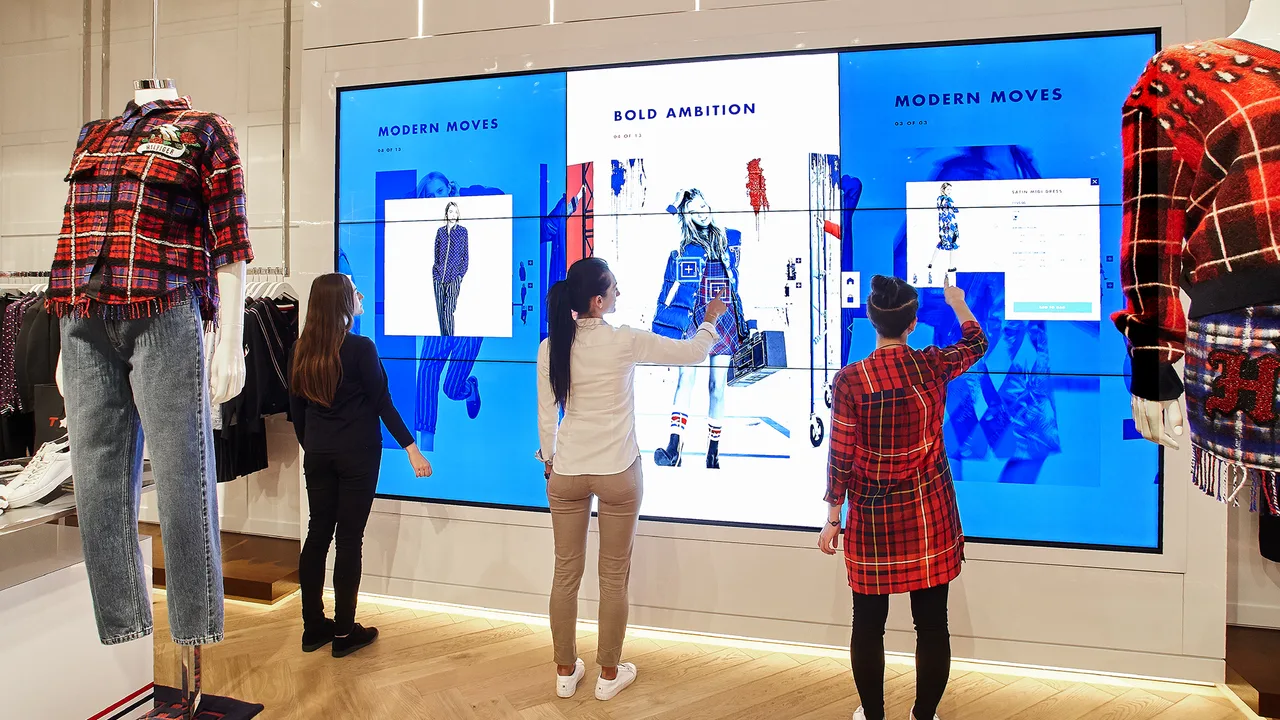
In an era where digital commerce dominates, the physical store is no longer just a place to buy—it’s a place to feel. Modern consumers seek experiences that connect emotionally, not merely transactions. This shift has given rise to experiential retail design, a creative approach that blends architecture, storytelling, and sensory engagement to transform shopping into something memorable. It’s about how space can make people *feel* a brand, not just see it.
Introduction — Retail Is No Longer About Products
The traditional retail model—showcase, sell, repeat—no longer satisfies today’s experience-driven culture. Shoppers crave connection, personalization, and immersion. They want to walk into a store and sense the brand’s personality through its lighting, layout, and even its scent. The design becomes an active participant in shaping customer experience. It tells a story that lingers long after the purchase.
As digital platforms make buying easier than ever, brick-and-mortar spaces have evolved into stages for storytelling. The rise of experiential retail design is a direct response to the question: why go to a store when everything can be bought online? The answer lies in emotion—something screens can’t replicate.
What Is Experiential Retail Design?
Beyond Aesthetics — Designing Emotionally
Experiential retail design is the art of creating environments that invite participation, evoke emotion, and build loyalty. It’s where architecture meets psychology. Rather than focusing solely on merchandise display, designers craft an atmosphere that stimulates multiple senses—encouraging customers to interact with both the products and the brand narrative.
Unlike traditional retail, which focuses on efficiency and visual appeal, experiential spaces explore human behavior and emotion. Lighting, acoustics, temperature, and spatial flow all influence how people move, feel, and buy. A well-designed space doesn’t shout “buy now”—it whispers, “you belong here.”
The Role of Technology and Interactivity
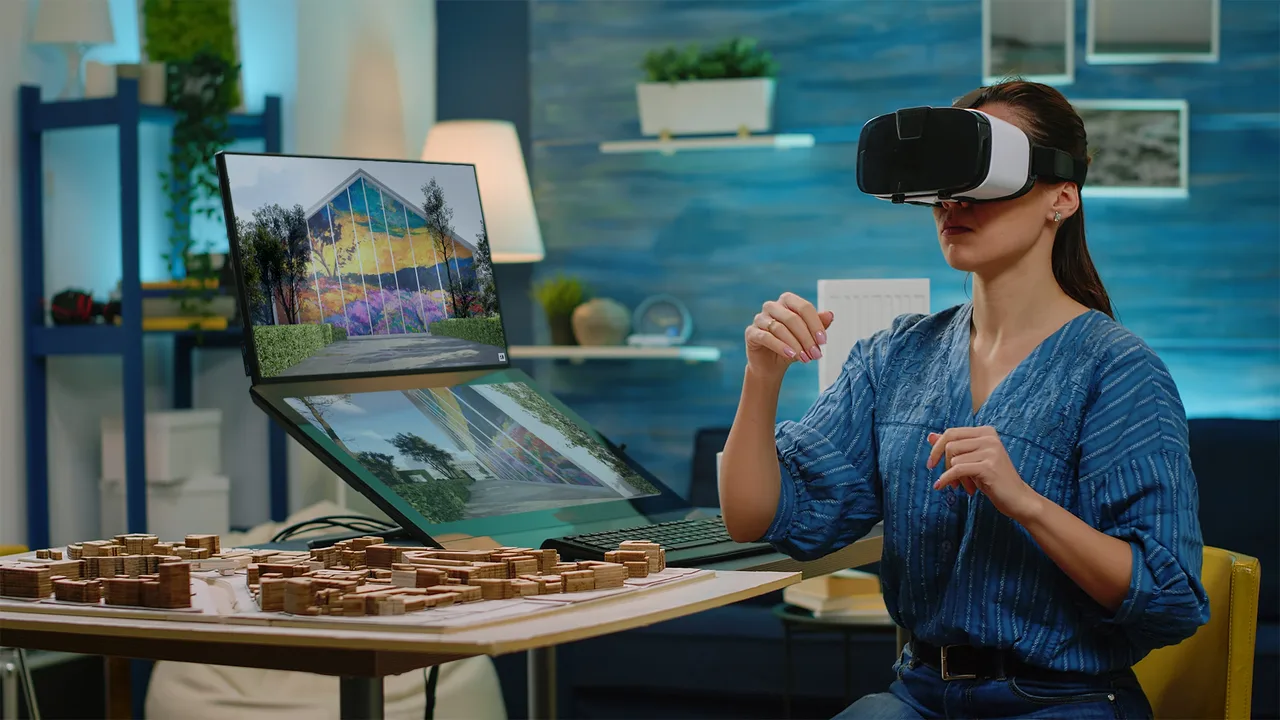
Technology is the backbone of modern brand environments. Interactive displays, augmented reality (AR), and personalized experiences allow customers to co-create their journey. Imagine trying on clothes via virtual mirrors, or scanning products to unlock stories about how they were made. These small moments merge entertainment with engagement, turning the act of shopping into a participatory performance.
Retail design studios often integrate data analytics to track customer movement, dwell time, and engagement levels. These insights then inform layout updates and sensory zoning. When design and technology work together, every corner of the store becomes intentional—crafted to extend the brand experience in real time.
The Evolution of Retail Spaces
From Transaction to Interaction
To understand why experiential design matters, it helps to look back. In the 20th century, department stores revolutionized retail by introducing the idea of browsing. In the 2000s, concept stores elevated retail into culture. Today, experiential retail design takes that evolution one step further—it turns shopping into storytelling.
Flagship stores now function as cultural destinations. Take, for example, Nike’s “House of Innovation,” where digital walls react to customer movement, or Apple’s glass cube stores that emphasize openness and simplicity as part of their identity. These environments sell a feeling of belonging and innovation rather than just shoes or devices.
The COVID-19 pandemic accelerated this shift. As consumers re-evaluated the meaning of physical presence, retail spaces evolved into safe, emotionally fulfilling environments that offered what online platforms could not—human connection. Designers began crafting experiences that blend comfort, curiosity, and community.
Blending Online and Offline Experiences
Today’s most successful retail spaces exist at the intersection of digital and physical touchpoints. This omnichannel strategy ensures that brand identity remains consistent whether customers are scrolling online or stepping through the door. Interactive screens, mobile integration, and dynamic content displays create a bridge between the virtual and the tangible.
For instance, fashion labels now use digital walls to showcase social media content in-store, allowing visitors to see themselves as part of the brand story. AR-driven fitting rooms enable customers to visualize how garments look in different colors or settings. By merging e-commerce data with in-store behavior, brands create a cohesive customer experience that feels both personalized and intuitive.
The Psychology of Customer Experience
Emotional Triggers and Brand Connection
Every sensory cue inside a retail space contributes to emotion. Warm lighting evokes comfort, while crisp acoustics create energy. The rhythm of movement through aisles can influence dwell time and spending behavior. This is where experiential retail design overlaps with environmental psychology—designers use subtle sensory manipulation to create emotional resonance.
Memory plays a huge role. People are more likely to return to places that trigger positive emotions or nostalgia. A coffee shop that smells like roasted beans, a boutique where the soundscape changes by zone, or a tech store where touchscreens hum softly—all these design elements work subconsciously to build attachment.
Sensory Design in Retail Architecture
Sensory design is the foundation of meaningful brand environments. It’s about engaging sight, sound, scent, touch, and even temperature to shape experience. Each element reinforces the brand’s identity and creates a rhythm of discovery throughout the store.
- Sight: Color palettes and lighting that align with brand emotion.
- Sound: Curated playlists and acoustic zoning for atmosphere control.
- Touch: Tactile materials that encourage interaction with displays.
- Scent: Custom fragrances that evoke memory and mood.
For instance, Dezeen frequently documents how designers use sensory strategy to deepen emotional engagement—turning spaces into living experiences rather than static interiors. The best retail designs feel less like stores and more like stories unfolding in real time.
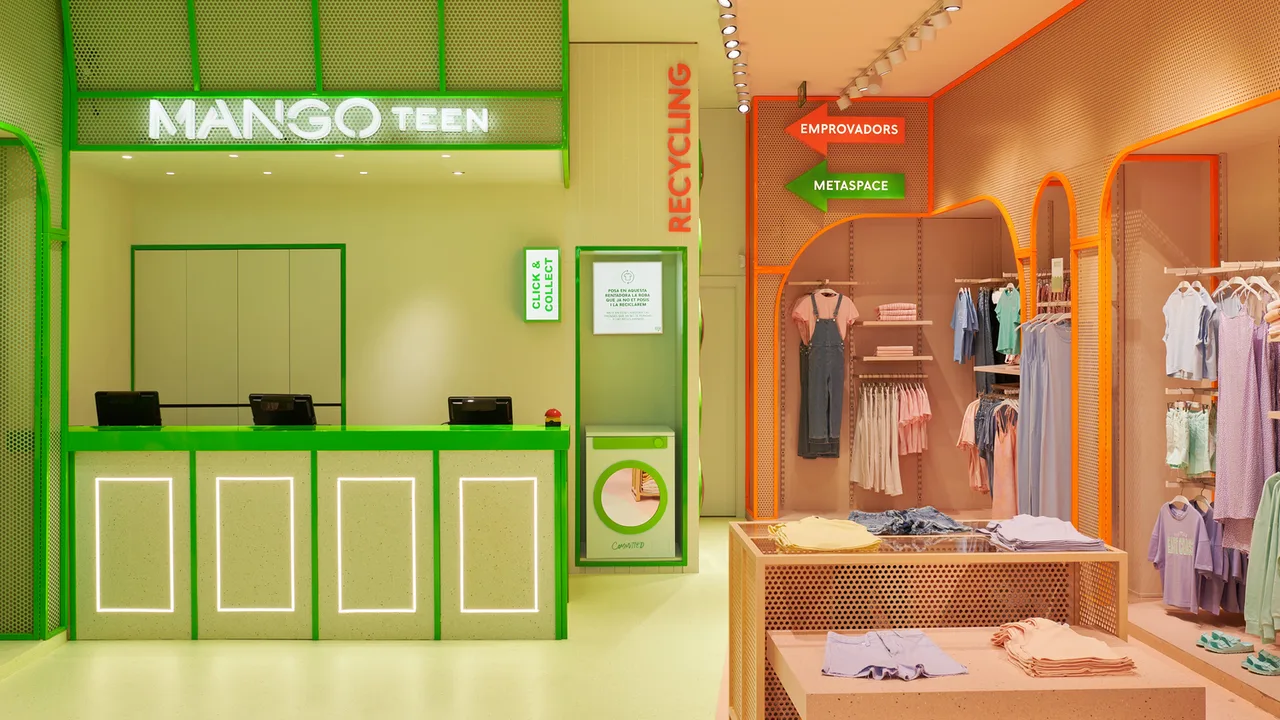
Designing the Brand Environment
Architecture as a Brand Storyteller
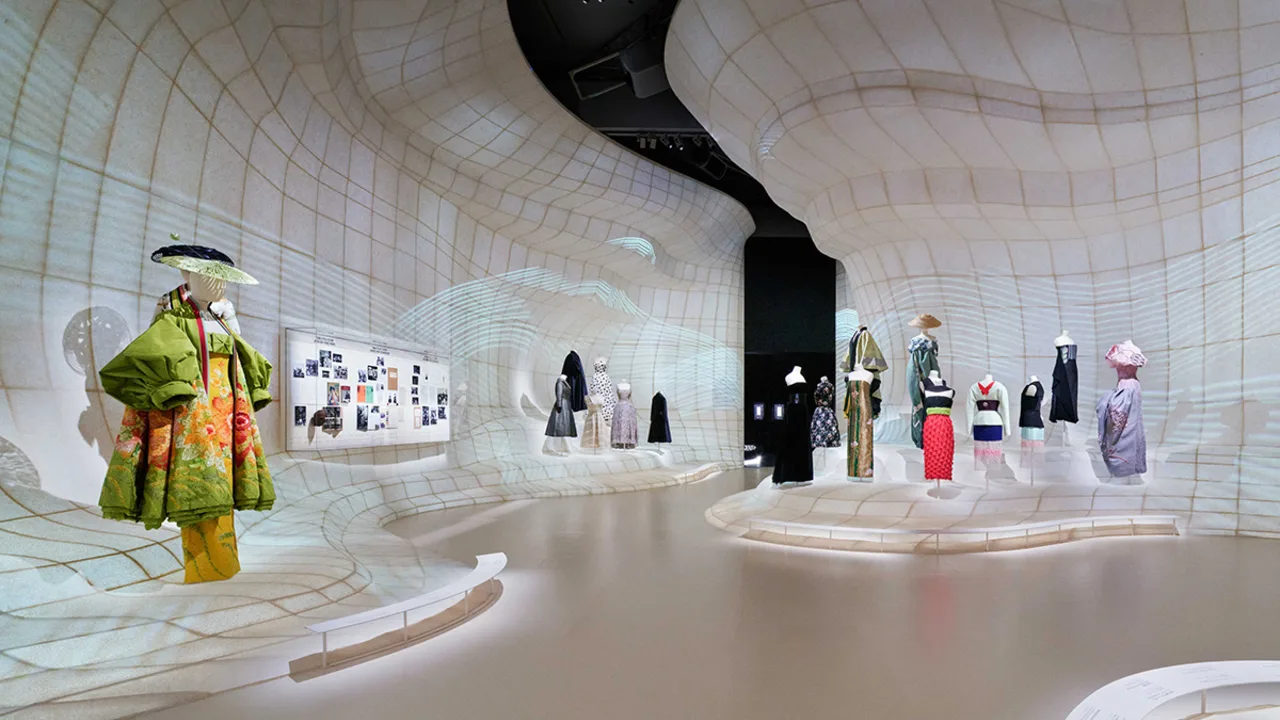
Architecture has become one of the most powerful storytelling tools in retail. Every line, surface, and texture can express who a brand is and what it stands for. Through experiential retail design, the store itself becomes the medium. The façade acts as an invitation, the layout as a narrative, and the materials as emotional cues that define the character of a brand.
For example, minimalist brands often use open, white spaces that communicate transparency and simplicity, while lifestyle labels might opt for layered materials and warm lighting to evoke intimacy. The architecture doesn’t just frame products—it tells the brand’s story without words.
Collaboration Between Designers, Marketers, and Psychologists
Creating a meaningful brand environment requires an interdisciplinary mindset. Architects collaborate with marketers, lighting specialists, behavioral scientists, and digital designers to craft cohesive experiences. Data from customer analytics provides insight into emotional responses—what colors attract attention, what layout encourages exploration, what sensory elements improve retention.
This collaboration transforms design into a living ecosystem that adapts to changing preferences. As markets evolve, so do these spaces—flexible enough to host art installations, product showcases, or even small cultural events. In experiential design, the store is no longer static; it’s a responsive environment that learns from its visitors.
Case Studies — When Design Creates Emotion
Immersive Flagship Stores
Global brands are redefining what a retail store can be. Nike’s “House of Innovation” in New York integrates digital customization labs where customers can design sneakers in real time. Gentle Monster, the Korean eyewear brand, transforms its boutiques into surreal art installations, where each room tells a chapter of a conceptual narrative. These immersive experiences make people want to linger, share, and remember.
Apple’s retail philosophy is another example. The company’s flagship stores are designed to feel like civic spaces rather than shops. Transparency, natural light, and tactile materials create an atmosphere of openness and community. This approach not only enhances the customer experience but also reflects the brand’s design ethos—minimalism with meaning.
Boutique Concepts and Pop-Up Experiences
Not all experiential spaces need massive budgets or permanent architecture. Boutique stores and pop-ups often create some of the most memorable experiences through creativity and intimacy. By using limited space strategically, designers can focus on storytelling. Temporary environments also allow brands to experiment with new concepts, collect data, and adapt quickly to cultural trends.
For instance, fashion labels often use traveling installations to test different cities and audiences. These pop-ups blend art, music, and retail, offering micro-experiences that create lasting impressions. The emotional payoff? Customers don’t just buy a product—they buy a moment in time.
Challenges and the Future of Experiential Retail
Balancing Design, Budget, and Authenticity
While experiential retail design opens exciting creative possibilities, it also poses challenges. The biggest one is authenticity. When experience becomes a buzzword, there’s a risk of overdesign—spaces that look impressive but feel shallow. The key is alignment: every sensory and spatial choice must connect back to the brand’s identity and values.
Another challenge lies in balancing creativity with cost. Interactive installations, custom lighting systems, and modular displays require significant investment. However, with thoughtful planning and scalable design, brands can achieve emotional impact without overspending. What matters most is coherence—a story that feels true, not forced.
The Sustainable Future of Retail Spaces
Sustainability is the next frontier of experiential retail design. Customers increasingly seek spaces that not only look beautiful but also act responsibly. Designers are turning toward recycled materials, energy-efficient systems, and modular layouts that reduce waste. Adaptive reuse—transforming old buildings into modern retail hubs—has become a leading trend, allowing brands to connect with local history while reducing environmental impact.
Innovative firms are also experimenting with biophilic design, integrating natural elements like living walls, daylight optimization, and reclaimed wood. These choices do more than conserve resources—they reinforce emotional well-being. A sustainable store feels alive, authentic, and connected to its surroundings, deepening the customer’s sense of purpose and belonging.
Conclusion — Designing Experiences That Matter
The evolution of retail reflects a deeper truth about human behavior: we seek meaning, not just material. Experiential retail design represents the merging of creativity, psychology, and storytelling into one holistic discipline. It’s no longer about how many products fit on a shelf—it’s about how a space makes someone feel, remember, and return.
As technology advances and sustainability reshapes expectations, the most successful brands will be those that design from the heart as much as from data. They will understand that every sensory detail—from a gentle scent to a warm beam of light—can become a moment of connection. In this new retail landscape, the store is not the end of the journey; it’s the beginning of an experience that lives long after the visit ends.