
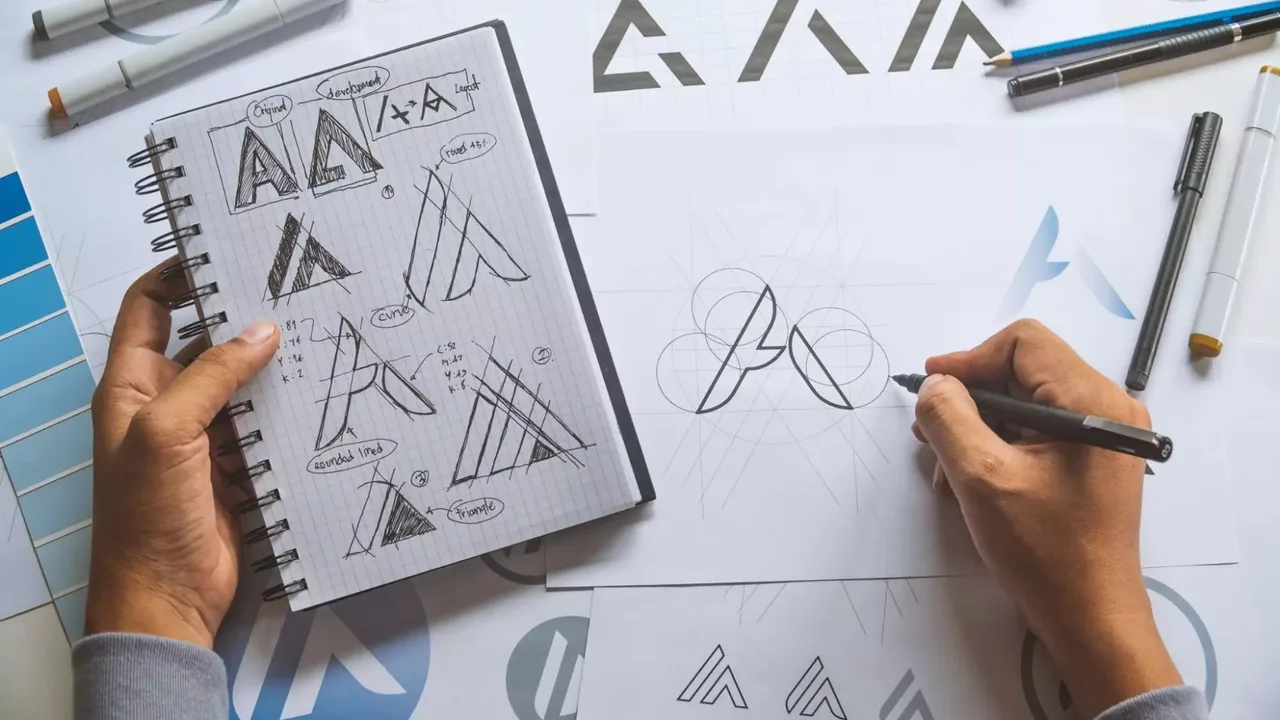
In branding, your logo is more than a graphic — it’s the heartbeat of your identity. It tells customers who you are, what you stand for, and why they should trust you. Yet even the most promising startups and established companies can stumble when it comes to logo execution. From overcomplication to poor typography, these logo design mistakes can quietly weaken a brand’s message before it ever reaches its audience.
Introduction
A logo is the first handshake between a business and its audience. In an era defined by visual overload, clarity and distinction have never been more valuable. A great logo communicates your values instantly — without explanation. Conversely, a flawed one can confuse, mislead, or even repel potential customers. These errors often arise not from lack of creativity but from misunderstanding the fundamentals of visual identity and brand strategy.
To help your business avoid these pitfalls, we’ll explore the top ten logo design mistakes that silently undermine credibility and impact. Whether you’re launching a new brand or refreshing an old one, these insights will help ensure your logo communicates strength and professionalism — not confusion or inconsistency.
The Top 10 Logo Design Mistakes to Avoid
1. Ignoring Brand Strategy
Many design projects start with enthusiasm but no clear purpose. Without understanding a brand’s story, audience, or positioning, even the most beautiful logo can miss the mark. A coffee shop that wants to appear artisanal but chooses a futuristic logo ends up confusing its customers. Effective branding begins with introspection — understanding values, mission, and tone before touching a design tool.
Skipping this stage is one of the most common branding errors. When designers jump straight to aesthetics, the result often looks generic and disconnected from what the company truly represents.
2. Overcomplicating the Design
Complex logos might look impressive on a design screen but fail miserably in real-world use. Logos need to scale — from billboards to mobile icons — while remaining clear and recognizable. Extra details like shadows, gradients, or micro-patterns often blur or disappear at smaller sizes. Simplicity ensures consistency and memorability across platforms.
Think of timeless examples: Apple’s silhouette, Nike’s swoosh, McDonald’s golden arches. Each is unmistakable even in a single color. The key takeaway? Great design doesn’t show how much effort went in; it communicates effortlessly.
3. Following Trends Blindly
Design trends can be inspiring, but they come and go. Relying too heavily on fleeting aesthetics is one of those logo design mistakes that shortens a brand’s lifespan. The minimalist sans-serif craze, the gradient wave, or the geometric “hipster badge” style — all can feel dated within a few years.
Instead of chasing what’s popular, prioritize timelessness. A logo should evolve naturally as your brand matures, not be replaced every time trends shift. A smart designer looks beyond fashion to capture the essence of the brand’s personality and audience expectations.
4. Poor Typography Choices
Typography can make or break a logo. Fonts carry emotion: a serif can convey tradition or trust, while a sans-serif signals modernity and simplicity. Using a font that contradicts your brand’s voice leads to confusion. A law firm with a playful handwritten font or a children’s brand using rigid geometric lettering are classic examples of mismatched tone.
Readability also matters. Over-stylized or compressed type may look appealing in a mockup but fail when printed or scaled. The best practice is to test logos across mediums — digital, print, signage — to ensure the type holds integrity everywhere.
5. Using the Wrong Colors
Colors speak louder than shapes. Yet, many designers choose palettes based on preference rather than psychology. Each hue triggers specific emotions: blue conveys trust, red suggests passion or urgency, and green evokes growth and sustainability. Ignoring these associations is one of the most subtle yet damaging branding errors.
Another common trap is poor color contrast or overuse of multiple shades. A cluttered palette can make the design feel chaotic, especially when viewed on mobile devices. Smart color selection considers cultural meaning, brand positioning, and visibility across light and dark backgrounds.
6. Copying or Being Too Generic
It’s tempting to follow the style of successful brands, but imitation dilutes originality. A copied or “inspired” logo risks legal issues and erodes consumer trust. In a crowded market, uniqueness is your most valuable currency. A truly original mark connects emotionally with audiences while standing out in visual clutter.
For instance, hundreds of tech startups use minimalist “letterform” logos — a single initial in a circle. While functional, they often fail to build distinct recognition. Authentic design means crafting symbols that reflect your brand’s unique story rather than recycling familiar patterns.
7. Ignoring Versatility
One hallmark of professional logo design is adaptability. Your logo must perform across platforms — print, packaging, digital banners, even embroidery. When logos rely on gradients, fine lines, or photographic elements, they become difficult to reproduce consistently. This technical oversight leads to brand inconsistency and higher production costs.
To ensure flexibility, designers should test logos in black and white, on multiple backgrounds, and at different scales. Vector formats and responsive design variations safeguard against distortion or pixelation. Versatility is what transforms design into a true system of communication, not just decoration.
8. Bad Use of Symbols and Icons
Symbols can powerfully summarize brand meaning — if used correctly. But overused imagery, like leaves for eco products or globes for global brands, feels generic. Relevance matters more than literal representation. A logo doesn’t need to show what the company sells; it needs to express how it makes customers feel.
For example, FedEx’s subtle arrow hidden in the negative space conveys speed and precision without spelling it out. Smart iconography balances creativity with subtlety, avoiding clichés and over-explanation. Designers who skip concept testing risk falling into predictable symbolism that weakens credibility.
9. Neglecting Visual Balance and Spacing
Design harmony isn’t just aesthetics — it affects perception. Poor alignment, uneven margins, or crowded shapes subconsciously communicate disorder. Customers may not articulate why a logo feels “off,” but they’ll sense it. Visual balance ensures every element — shape, text, and negative space — supports clarity and stability.
One way to check this is by zooming out or viewing the logo in grayscale. If the balance and rhythm still hold, the structure is sound. Designers often overlook this test in favor of color or detail, yet it’s the simplest indicator of composition quality.
10. Forgetting the Audience
The biggest of all logo design mistakes is forgetting who the logo is for. It’s easy to design for yourself or impress peers, but if the target audience doesn’t connect, the effort is wasted. A successful logo reflects the aspirations and preferences of the people it aims to reach.
Audience research, user testing, and even simple feedback loops reveal whether a design communicates the right message. Cultural sensitivity is also critical: symbols or colors may carry different meanings across markets. Brands expanding globally must ensure their visual message remains respectful and consistent everywhere.
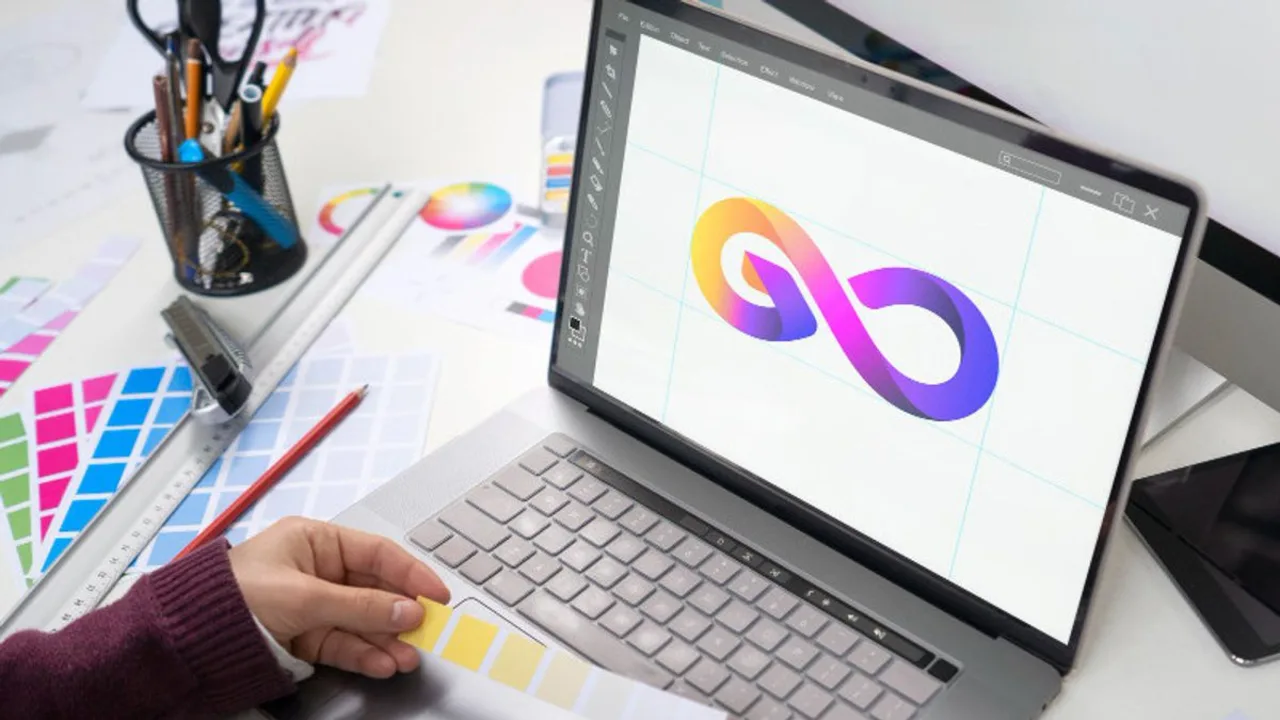
Building a Consistent Visual Identity
A logo doesn’t exist in isolation — it’s the foundation of an entire visual identity system. Every color, font, and shape in your branding should work together to build recognition. When consistency slips, so does credibility. Imagine a brand that uses a slightly different logo version on every platform: social media, website, and packaging. That lack of cohesion tells audiences the company isn’t paying attention to detail.
Consistency builds trust. When people repeatedly see the same visual elements, they form emotional associations that strengthen brand recall. A unified style guide — specifying logo spacing, typography rules, and color variations — ensures that all designers and marketing teams speak the same visual language.
How to Evaluate and Fix a Weak Logo
Conducting a Logo Audit
If your current logo isn’t performing well, the first step is a structured evaluation. Look at where it fails: Is it hard to read? Outdated? Inconsistent across applications? Sometimes, small tweaks in alignment or color contrast can make a huge difference. When a logo feels disconnected from your mission or tone, it may be time for a redesign.
To perform an honest audit, start with three key questions:
- Does my logo clearly reflect my brand’s purpose and audience?
- Is it versatile enough to adapt to multiple formats?
- Can it stand the test of time, or will it look dated in a year?
When to Rebrand vs. Refine
Rebranding doesn’t always mean starting over. Many successful companies, like Pepsi and Airbnb, evolved their logos gradually rather than replacing them entirely. The decision depends on the level of disconnection between your logo and brand identity. Minor refinements, such as adjusting typography or simplifying shapes, can modernize your look while preserving brand equity.
On the other hand, a full rebrand becomes necessary when your company’s direction, audience, or core values have shifted dramatically. The goal should always be to strengthen connection — not just chase trends.
Learning from Industry Standards
It’s helpful to look at credible design sources that analyze the evolution of branding. Publications like 99designs or AIGA’s design reports offer real-world insights into how companies refine their logos for better market fit. These examples reveal that great branding isn’t about perfection — it’s about clarity, adaptability, and storytelling.
Conclusion
At its core, effective logo design is less about decoration and more about communication. Each shape, font, and color carries meaning, forming the silent language of a brand. Avoiding common logo design mistakes isn’t just about aesthetic quality — it’s about building credibility, recognition, and emotional connection with your audience.
Before creating or refreshing a logo, take the time to understand your brand story, values, and audience. Simplicity, balance, and honesty are timeless principles that outlive design trends. The most iconic logos don’t try to impress — they endure because they feel authentic.
In the end, the strongest logos are those that disappear behind the message they convey. They don’t shout for attention; they whisper trust, professionalism, and purpose in every line and curve.