Every day, we move through spaces that quietly shape how we think, feel, and interact. The buildings we inhabit and the cities we navigate are not just backdrops to our lives—they are active participants. The concept of architecture lifestyle explores how design choices affect human behavior, wellbeing, and culture. From public plazas that invite connection to towering glass walls that command authority, architecture reflects and directs how societies live.
Introduction — The Connection Between Architecture and Daily Life
Architecture does more than provide shelter—it choreographs human experience. As cities grow denser and lifestyles evolve, the relationship between people and space becomes increasingly psychological. Urban design impacts everything from our stress levels to how often we interact with strangers. In this context, architecture lifestyle has emerged as a field that bridges design with emotion, behavior, and identity.
Research in urban psychology shows that space can influence social behavior, concentration, and even empathy. A crowded subway platform may heighten anxiety, while a well-lit community park encourages social interaction. The built environment becomes a mirror of human values—and at times, a silent teacher guiding how we live.
The Psychology Behind Architectural Design
Architecture as a Behavioral Framework
Every wall, window, and pathway communicates intent. The layout of a neighborhood, the flow of corridors, and the openness of public squares all send subtle cues that dictate how people behave. This is where urban psychology intersects with design science: understanding how spatial elements elicit human responses. Architects use proportions, light, and material textures to craft environments that influence perception.
Open spaces, for example, promote visibility and social safety, while enclosed ones can foster focus or privacy. The difference between a welcoming plaza and a sterile office corridor often lies in design intent. People naturally gravitate toward environments that feel balanced—where function, aesthetics, and comfort coexist.
Emotional Design and Human Response
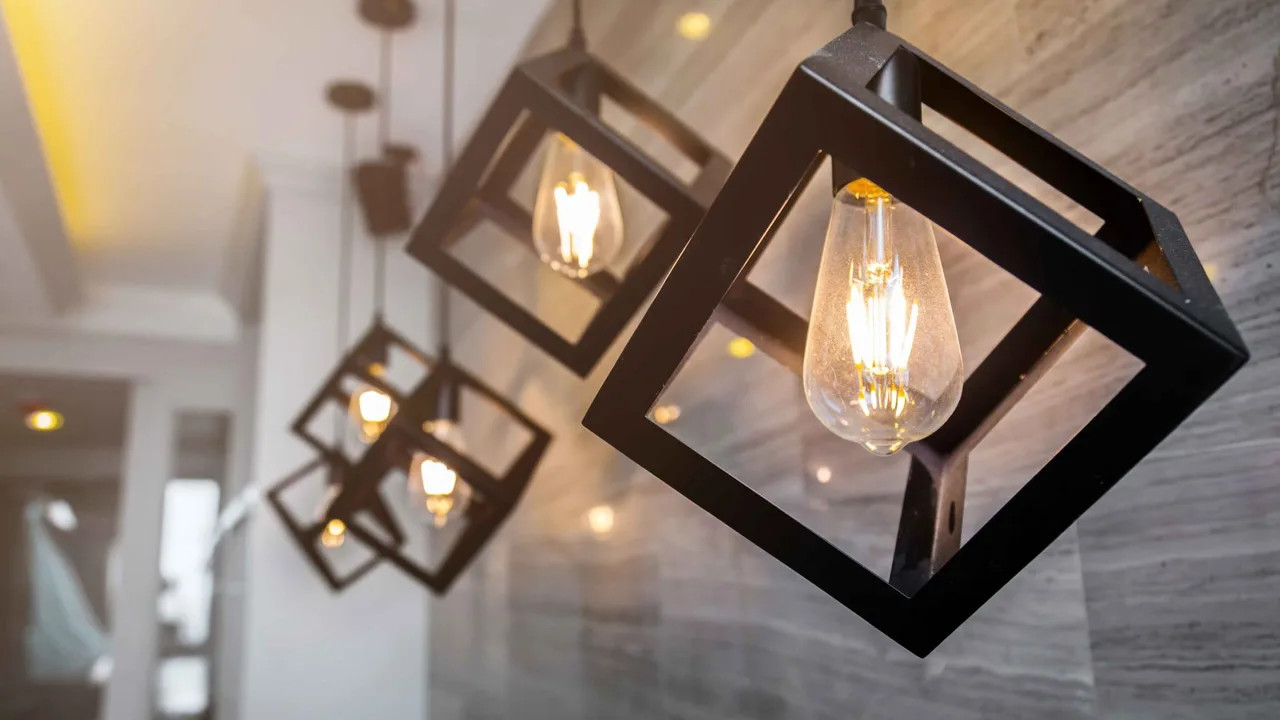
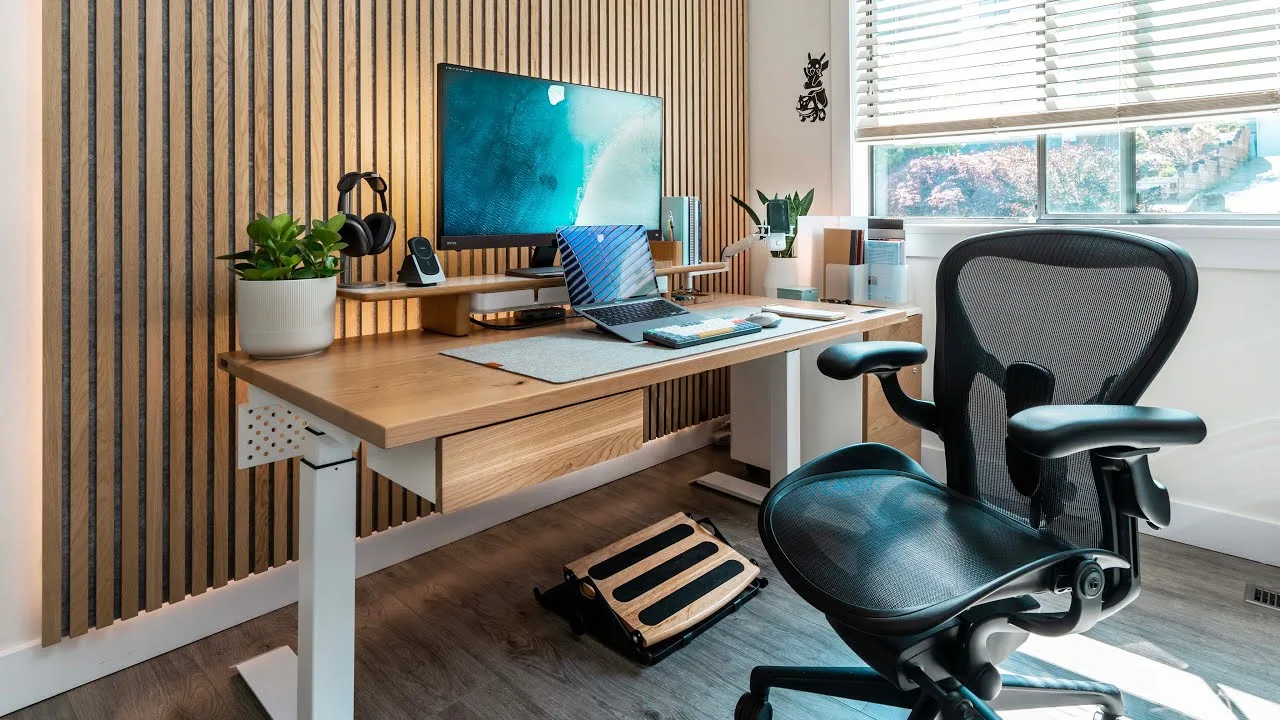
Architecture can evoke emotion as powerfully as art. Warm wooden interiors create calm, while reflective metal surfaces may feel impersonal or futuristic. Lighting intensity affects mood—soft, natural light encourages relaxation, while harsh artificial illumination may increase alertness or tension. These factors collectively influence how we feel within a space, linking emotion to physical structure.
The modern architecture lifestyle movement blends emotional design with wellbeing science. Biophilic spaces, for instance, integrate greenery and natural ventilation to reconnect urban dwellers with nature. It’s not simply about aesthetics—it’s about restoring harmony between humans and their environment.
Urban Form and Everyday Habits
The Role of City Layout
A city’s design determines much of its citizens’ behavior, from commuting patterns to social engagement. Grid-based layouts, like those of New York City, encourage clarity and movement, while organic, meandering streets—as seen in older European towns—foster exploration and slower living. This spatial diversity shapes the rhythm of urban life.
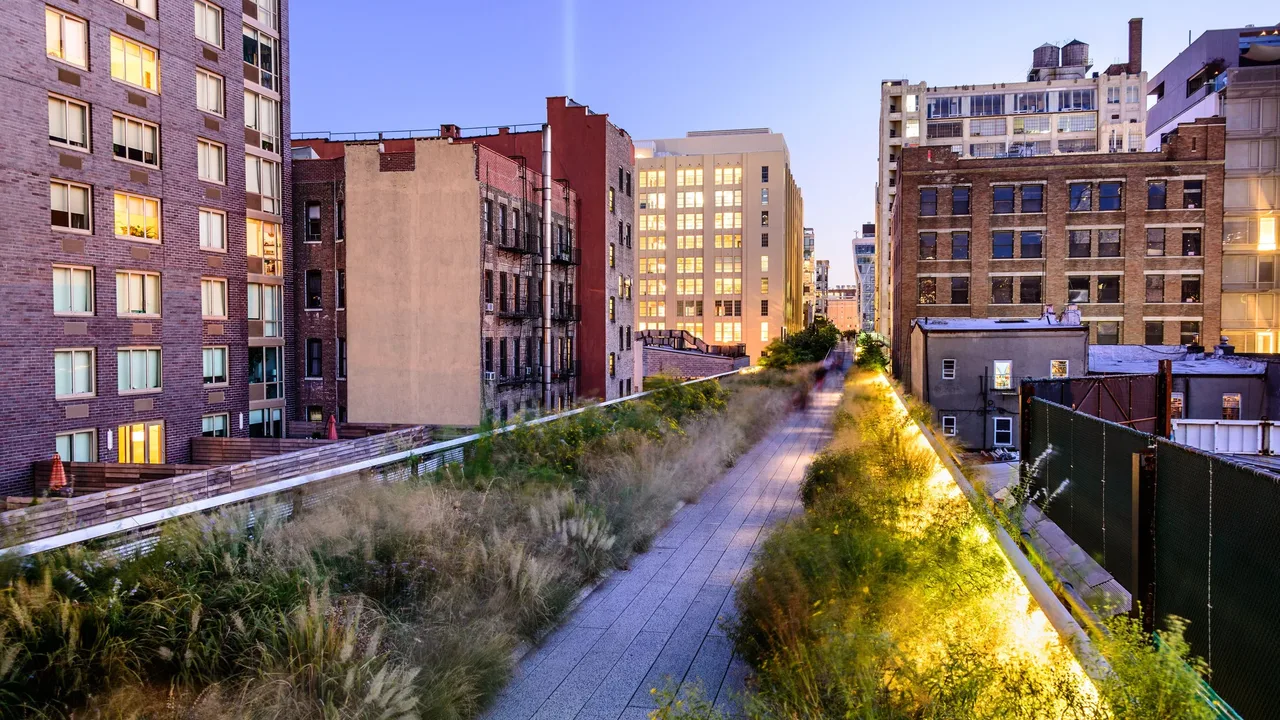
Walkable cities often correlate with higher public health and stronger social ties. In contrast, car-dependent cities may limit spontaneous interaction and increase isolation. These distinctions reveal that design choices go beyond convenience—they affect mental health, relationships, and even cultural identity. The growing field of urban psychology continues to study how infrastructure either supports or suppresses community connection.
The Impact of Public Architecture
Public architecture plays a critical role in collective wellbeing. Libraries, museums, parks, and community centers serve as social anchors, offering neutral spaces where people can gather regardless of status or background. Well-designed public areas encourage inclusivity, while neglected ones can breed alienation.
Globally, cities like Copenhagen, Singapore, and Melbourne demonstrate how people-centered design fosters connection and sustainability. These places prioritize light, greenery, and accessibility. Their success has inspired a worldwide design culture shift, where architects prioritize human experience over grandiosity. Publications like Dezeen often highlight such projects that merge innovation with empathy, reinforcing the importance of architecture that serves people first.
Design Culture and Lifestyle Identity
Architecture as an Extension of Personality
The buildings we create are physical expressions of our collective personality. From minimalist apartments to industrial lofts, architecture tells stories about who we are and what we value. The modern trend of “curated living” blurs the line between personal identity and spatial design—our homes, workplaces, and favorite cafés now double as reflections of taste and self-image.
This intersection between design and identity has become central to architecture lifestyle. It represents a mindset where individuals choose environments that align with their emotional and aesthetic preferences. As global design culture evolves, architecture becomes less about monumentality and more about mindfulness—crafting places that nurture creativity and belonging.
The Rise of Experiential Spaces
Modern cities are full of experiential spaces—co-working studios, boutique hotels, concept stores—each engineered to evoke a feeling rather than just provide function. These environments use sensory design to build community and emotional connection. Even commercial settings, such as retail and hospitality, increasingly adopt the language of lifestyle and wellness.
This trend illustrates a major shift in design culture: architecture now participates in storytelling. Spaces are no longer static—they are immersive experiences that communicate values. As digital life expands, people crave tangible, human-centered environments that ground their identity in the real world.
When Architecture Shapes Social Behavior
Encouraging Interaction and Creativity
Architecture can foster collaboration just as easily as it can create division. In schools, offices, and cultural spaces, spatial layout determines how people connect. Open-plan environments promote transparency and teamwork, while flexible seating arrangements allow for spontaneous collaboration. The influence of architecture lifestyle on creativity is evident in coworking spaces that combine light, openness, and comfort to stimulate engagement.
Public institutions are increasingly adopting this approach. Museums and art centers now design open courtyards and multi-use halls where conversation becomes part of the visitor experience. The more architecture reflects social intent, the more it encourages people to express themselves and share ideas. These design choices contribute to a culture of inclusion and innovation—qualities essential to urban progress.
Preventing Alienation in Urban Design
At the other end of the spectrum, poorly designed environments can lead to alienation. Oversized structures, disconnected pedestrian paths, and monotonous housing developments create psychological barriers. People may feel isolated not because of distance, but because the environment lacks human warmth. Urban psychology research highlights how overcrowded or impersonal design can reduce empathy and civic engagement.
To counter this, human-centered design prioritizes balance—between density and openness, between efficiency and intimacy. The goal isn’t just to fit more people into cities but to build places where they can thrive emotionally. When architecture supports comfort, safety, and identity, people feel a sense of belonging that strengthens community bonds.
Cultural Influence on Design Perception
How Culture Shapes Our Architectural Preferences
Architecture is deeply tied to culture. The way people experience space varies depending on tradition, climate, and social norms. In Japan, minimalism embodies respect for simplicity and mindfulness. In Mediterranean regions, open courtyards reflect communal lifestyles and outdoor living. These cultural values define what people consider “beautiful” or “livable.”
This relationship between culture and space forms the foundation of global design culture. What one culture sees as calm and minimal, another might perceive as cold or incomplete. Architects working in multicultural contexts must therefore balance local identity with global influences, creating designs that resonate universally while respecting heritage.
Globalization and Design Hybridization
As the world becomes more interconnected, cities are blending styles and philosophies. Traditional motifs meet modern materials; cultural symbolism meets technology. This fusion is shaping a new generation of urban identity—one that embraces the diversity of human experience. The evolution of architecture lifestyle has become a global dialogue, where ideas move as freely as people do.
Hybrid design doesn’t erase cultural roots; instead, it expands them. By integrating cultural memory with innovation, cities can celebrate their history while adapting to contemporary needs. It’s a reminder that architecture is not static—it evolves with society’s values, aspirations, and imagination.
The Future of Architecture and Human Wellbeing
Integrating Urban Psychology into Design Education
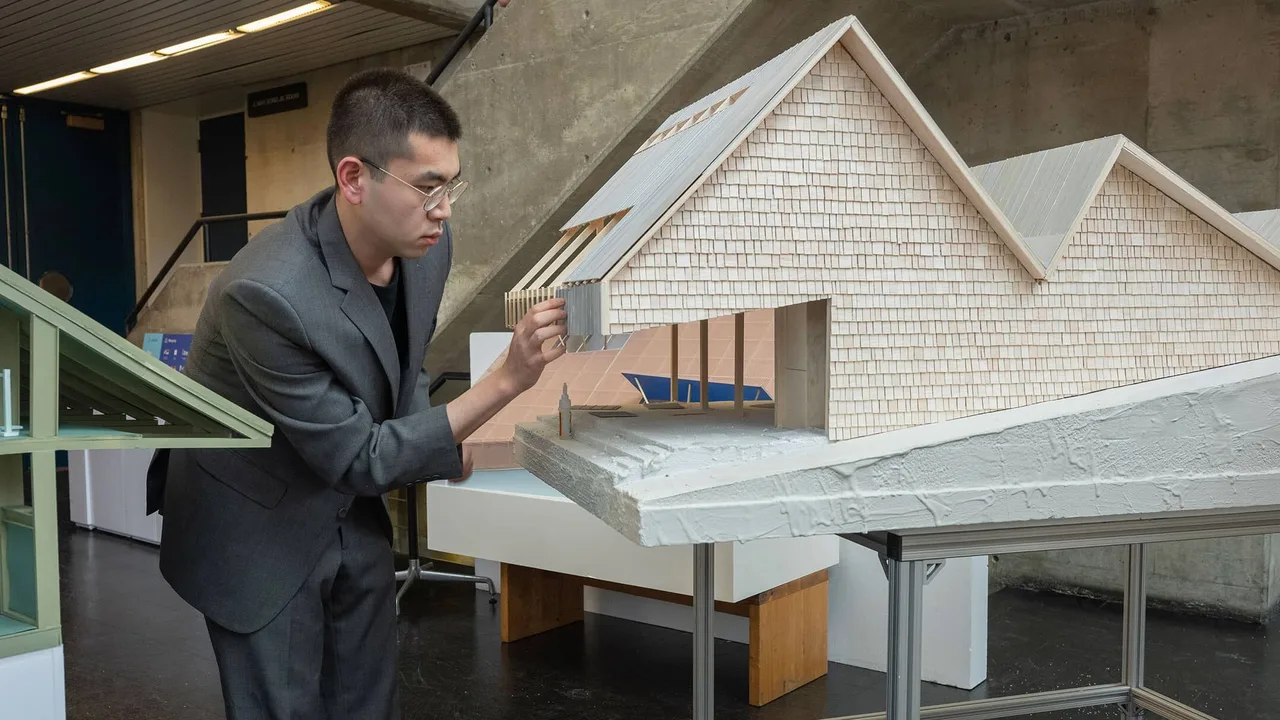
As awareness of spatial psychology grows, educational institutions are incorporating behavioral science into architecture curriculums. Tomorrow’s designers will need to understand how light, acoustics, and spatial flow influence human emotion. This shift from form-driven design to human-centered thinking is redefining professional priorities.
By studying urban psychology and social behavior, architects gain tools to create cities that nurture empathy and inclusion. The next generation of professionals will design not only for sustainability but for emotional balance, turning buildings into instruments of wellbeing.
Smart Cities and Responsive Environments
Technology is adding new layers to the architecture lifestyle. Smart cities use sensors to monitor air quality, traffic, and temperature, creating adaptive environments that respond to human needs. Buildings can now adjust lighting and ventilation automatically, improving comfort and energy efficiency. This responsive architecture bridges the gap between environmental data and emotional satisfaction.
Yet even as digital systems expand, the essence of good design remains human. Future cities must balance technology with warmth—spaces that are intelligent but still feel alive. The goal is harmony: architecture that listens, learns, and evolves alongside its inhabitants.
Conclusion — Living Within the Architecture We Create
Architecture shapes the way we think, move, and connect—it tells us who we are. Every structure, from a corner café to a skyline tower, becomes a stage for human behavior. The philosophy of architecture lifestyle reminds us that design is not just visual—it’s experiential, emotional, and deeply personal.
As we continue to build smarter, denser, and more connected cities, the challenge is to preserve our humanity within them. When architects embrace empathy as a design principle, they transform cities from cold grids into living organisms. The result is a world where buildings don’t just house people—they inspire them.