
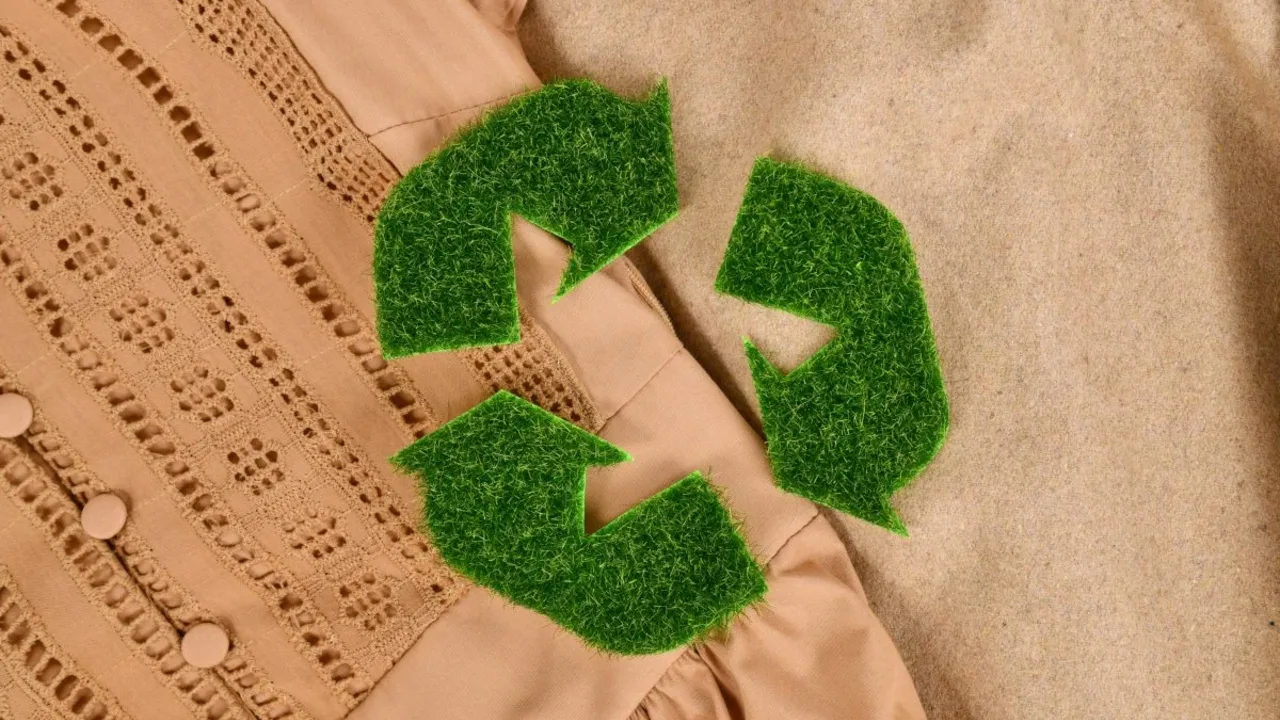
Fashion has always reflected culture, identity, lifestyle and aspiration — but in the twenty-first century, it also mirrors our values. The rise of sustainable fashion marks a major turning point in how the world defines style. No longer driven only by aesthetics or price, consumers now demand ethical production, transparency, and respect for the environment. This shift is reshaping an industry once known for excess into one driven by responsibility and innovation.
Introduction — Fashion Meets Responsibility
Once upon a time, being fashionable meant keeping up with trends; today, it means keeping up with values. The new generation of consumers has grown increasingly aware of the ecological footprint behind what they wear. Reports from international sustainability watchdogs reveal that the fashion industry accounts for nearly 10% of global carbon emissions — more than aviation and shipping combined. It’s no wonder that sustainable fashion has become a rallying cry for change.
This movement goes beyond organic cotton T-shirts or bamboo sneakers. It represents an entirely new ecosystem of ethical brands, innovators, and consumers collaborating to reduce waste, protect labor rights, and redefine what “luxury” means in a climate-conscious world.
The Environmental Cost of Fast Fashion
Overproduction and Waste
Fast fashion thrives on speed. Brands release new collections every few weeks, encouraging consumers to buy more and discard faster. But this relentless production cycle comes at a steep cost. Every year, over 90 million tons of textile waste end up in landfills. Many garments are made from synthetic fibers that can take hundreds of years to decompose, releasing harmful microplastics into oceans and soil.
The rise of sustainable fashion challenges this throwaway culture. It promotes slower production cycles, limited collections, and quality over quantity. Instead of chasing endless trends, consumers are now drawn to pieces that last — both in material and meaning.
The Hidden Impact of Cheap Materials
Cheap clothing often hides expensive consequences for the planet. Synthetic fabrics like polyester, nylon, and acrylic are derived from fossil fuels, requiring vast amounts of energy and water to produce. According to studies published by UN Environment Programme, a single polyester shirt can generate more than five kilograms of CO₂ emissions during its lifecycle.
Natural or recycled fibers — such as organic cotton, hemp, or regenerated nylon — significantly reduce this impact. They also support cleaner dyeing processes and safer working conditions in textile factories. Green clothing initiatives are emerging across the globe, showing that sustainability can go hand in hand with creativity.
What Makes Fashion “Sustainable”?
Core Principles of Sustainable Fashion
At its core, sustainable fashion is about respect — for people, for resources, and for future generations. It challenges the traditional “take-make-waste” model by embracing circularity. Some of the key principles include:
- Responsible sourcing: Using raw materials that are renewable, traceable, and non-toxic.
- Fair labor practices: Ensuring safe working environments and fair wages for garment workers.
- Low-impact production: Reducing energy, water, and chemical use throughout the supply chain.
- Longevity: Designing durable, timeless pieces that can be repaired or reused.
Each of these principles contributes to a holistic rethinking of fashion’s purpose — from mass consumption to mindful creation. The ultimate goal isn’t perfection, but progress: an industry that minimizes harm while maximizing social and environmental good.
Ethical Brands Leading the Change
Some of today’s most admired ethical brands are proof that transparency sells. Companies like Patagonia, Stella McCartney, and Reformation have built loyal followings by publishing supply chain data and embracing circular production models. Smaller labels, too, are using technology to track materials from farm to fabric, offering consumers proof of authenticity.
Certifications such as GOTS (Global Organic Textile Standard) and Fair Trade ensure that products meet strict sustainability benchmarks. By aligning business goals with moral responsibility, these brands demonstrate that fashion can be both stylish and sustainable.
Technology and Innovation Driving Change
Digital Design and Waste Reduction
Technology is at the heart of the sustainable fashion revolution. Designers now use 3D modeling and virtual sampling to visualize garments before they are produced, reducing the need for physical prototypes. This innovation not only cuts material waste but also accelerates production while maintaining creative freedom. On-demand manufacturing — where pieces are made only after being ordered — further reduces unsold inventory and landfill overflow.
Material Science and Green Clothing Innovation
Beyond design, material science is unlocking new possibilities for green clothing. Researchers are experimenting with biodegradable fabrics like mushroom leather (mycelium), algae-based fibers, and recycled ocean plastics. These innovations aren’t just eco-friendly — they’re redefining texture, color, and durability in modern fashion. Some labs are even developing “living textiles” capable of self-healing or absorbing pollutants.
The collaboration between scientists, designers, and manufacturers is giving rise to a new era of sustainable fashion that’s both high-tech and high-impact. It proves that environmental consciousness can coexist with cutting-edge design and cultural relevance.
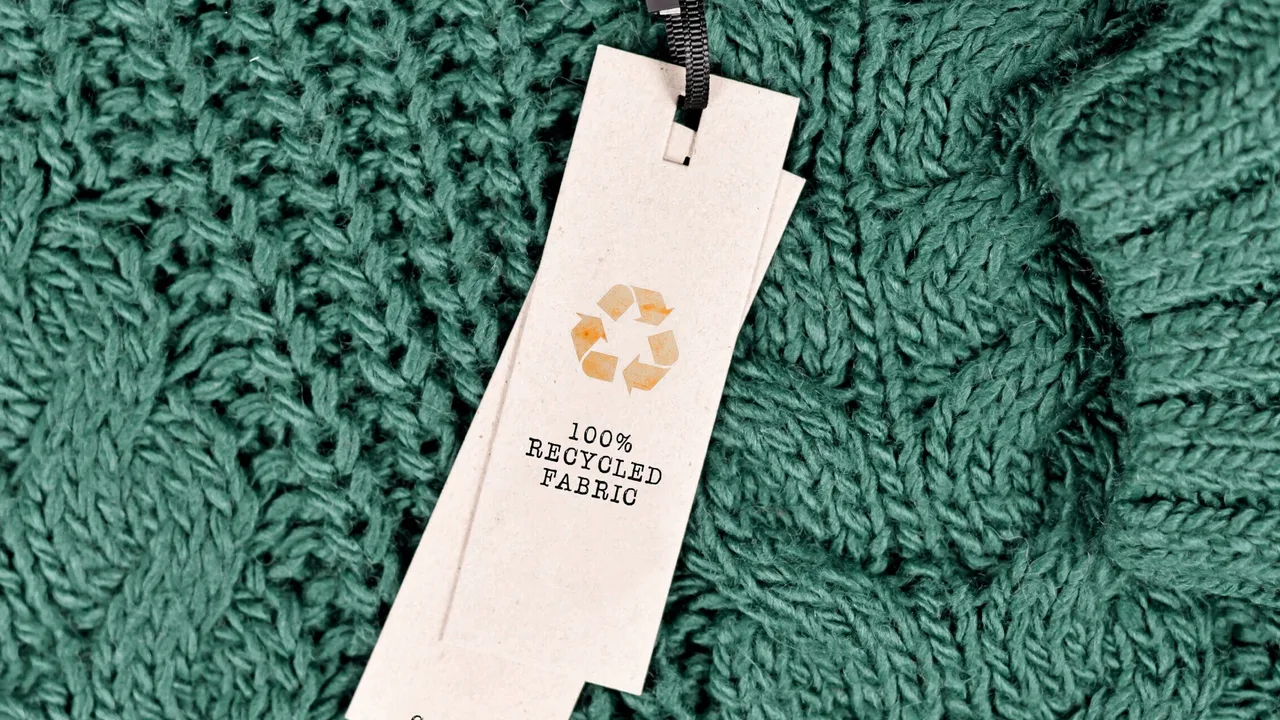
The Consumer Shift — Conscious Choices Over Trends
Rise of Minimalism and Capsule Wardrobes
As awareness spreads, consumers are rethinking their relationship with fashion. The rise of minimalism, capsule wardrobes, and secondhand markets reflects a deeper mindset shift: people are no longer dressing to impress but dressing with intent. The idea is simple — fewer pieces, better quality. A well-curated wardrobe built on sustainable fashion values can reduce waste while maintaining personal style.
Social media has played a surprisingly positive role in this transformation. Influencers who once promoted constant shopping now advocate for slow fashion, thrift finds, and timeless essentials. Hashtags like #BuyLessChooseWell and #SustainableStyle have turned conscious consumption into a cultural statement, proving that responsible choices can also be fashionable.
The Power of Informed Purchasing
Today’s shoppers have unprecedented access to information. They can trace the origins of fabrics, verify working conditions, and even compare carbon footprints before buying. This transparency has given rise to empowered consumers who hold brands accountable for their promises. Platforms that offer resale and clothing rental services have become mainstream, showing that ownership is no longer the only way to enjoy fashion.
By supporting ethical brands and questioning the supply chain, consumers play a direct role in driving transformation. Every purchase becomes a vote for the kind of world they want to live in — one where craftsmanship, quality, and ethics outweigh speed and volume.
Challenges Facing the Sustainable Fashion Movement
Greenwashing and Misleading Claims
Despite progress, the industry still struggles with transparency. Many companies have embraced “green” marketing faster than genuine reform. Phrases like “eco-conscious” or “responsibly made” often appear without proof, blurring the line between real innovation and mere image-building. This practice, known as greenwashing, risks undermining public trust in sustainable fashion.
To prevent this, independent audits, stricter certification processes, and clearer labeling systems are needed. When brands back their claims with measurable data — such as verified carbon reduction or closed-loop recycling — consumers can make decisions based on fact rather than marketing spin.
Accessibility and Cost
Another major barrier to sustainable fashion is affordability. Ethically sourced materials, fair wages, and small-batch production often result in higher prices. While some see this as a privilege issue, others argue that it reflects the true cost of responsible manufacturing. Fortunately, innovation and scale are gradually making sustainable products more accessible.
Local designers and community-driven initiatives are showing that sustainability doesn’t have to mean luxury. Affordable green clothing made from recycled fabrics and natural dyes is now entering mainstream retail, bridging the gap between ethics and everyday affordability.
The Future of Fashion — Blending Innovation with Ethics
Circular Fashion and Closed-Loop Systems
The next big step for the industry lies in circularity. Unlike the linear “take-make-dispose” model, circular fashion emphasizes continuous use and regeneration of materials. Brands are introducing take-back programs, upcycling workshops, and resale platforms to extend garment lifespans. Some ethical brands are even experimenting with biodegradable threads and mono-material designs that make recycling easier.
Such systems don’t just benefit the environment — they also build customer loyalty. When a brand takes responsibility for its products long after the sale, it demonstrates genuine commitment to sustainability and transparency.
Collaboration and Policy Support
Systemic change requires cooperation between governments, innovators, and consumers. Policy incentives, sustainable sourcing mandates, and research grants can accelerate the adoption of cleaner technologies. International collaborations are already working to align global standards on textile waste management and renewable manufacturing.
Meanwhile, education remains the foundation of transformation. Universities are integrating sustainability into fashion design programs, ensuring that future professionals understand both the creative and environmental sides of the industry. Knowledge is the thread that ties innovation, ethics, and accountability together.
Conclusion — Redefining Style for a Better Tomorrow
Fashion’s future is not about having more — it’s about creating better. As sustainable fashion continues to influence how we produce, wear, and value clothing, it invites us to see style as an act of responsibility rather than indulgence. From ethical brands promoting transparency to consumers embracing mindful choices, the movement is redefining what it means to be fashionable.
The shift may be gradual, but it’s unstoppable. With technology, creativity, and conscience aligned, the industry can transform from one of the world’s biggest polluters into a model of sustainability. The future of fashion belongs to those who care — because caring, it turns out, never goes out of style.