
In today’s hyperconnected society, life moves at lightning speed. Notifications never stop, schedules overflow, and productivity has become a measure of self-worth. Yet amid the rush, many people are beginning to question whether faster really means better. The growing movement of slow living challenges this mindset, inviting us to find peace, balance, and purpose in a world obsessed with constant acceleration.
Introduction — Why We’re All Moving Too Fast
We live in a culture that celebrates hustle. Every day feels like a race to keep up—with technology, with peers, with expectations. Even rest has turned into another performance metric, measured by sleep apps and wellness trackers. It’s no wonder so many people feel burnt out and disconnected from themselves. The modern world may be more advanced than ever, but it often leaves us feeling less human.
Slow living isn’t about rejecting progress; it’s about redefining what progress means. It’s a quiet rebellion against the noise—a reminder that joy can’t be rushed. By practicing mindfulness and intentional living, individuals are learning to focus less on the quantity of experiences and more on the quality of moments. The art of slowing down allows us to savor life rather than sprint through it.
Understanding the Concept of Slow Living
Origins and Philosophy
The philosophy of slow living emerged from the Slow Food Movement in Italy during the 1980s—a cultural response to fast food and the loss of local traditions. Over time, this philosophy expanded beyond food to influence design, fashion, travel, and personal wellness. At its heart, slow living is about alignment: living in harmony with time, nature, and one’s values.
This movement calls for balance rather than withdrawal. It’s not about abandoning ambition or comfort but about approaching life with intention. When we slow down, we allow clarity and creativity to resurface. Whether through mindful meals, quiet mornings, or intentional routines, the goal is the same—reclaiming presence in a distracted world.
Core Principles of the Slow Life
Slow living rests on several guiding principles that make the lifestyle both meaningful and achievable. These principles don’t demand perfection—they invite awareness.
- Intentionality: Every choice, from what we buy to how we spend our time, should serve a purpose aligned with our values.
- Presence: Being fully engaged in the moment, rather than mentally drifting to the next task or worry.
- Connection: Prioritizing relationships and community over consumption and comparison.
- Simplicity: Removing unnecessary clutter—both physical and emotional—to make space for what matters.
These principles translate into daily habits: slowing down conversations, eating without screens, or scheduling breaks during the workday. Over time, these small shifts accumulate, reshaping the rhythm of life itself.
The Science Behind Slowing Down
How Stress Hijacks Modern Life
Modern neuroscience confirms what many of us already feel—our brains aren’t built for constant stimulation. Chronic multitasking floods the body with cortisol, the stress hormone responsible for fatigue, irritability, and anxiety. Even moments of supposed rest are hijacked by digital distraction, preventing our nervous system from truly resetting.
According to studies published by the American Psychological Association, sustained exposure to digital stress can reduce attention span and impair emotional regulation. In other words, the faster we move, the harder it becomes to feel calm or focused. The pace of modern living isn’t just exhausting—it’s unsustainable for human well-being.
Why Mindfulness Matters
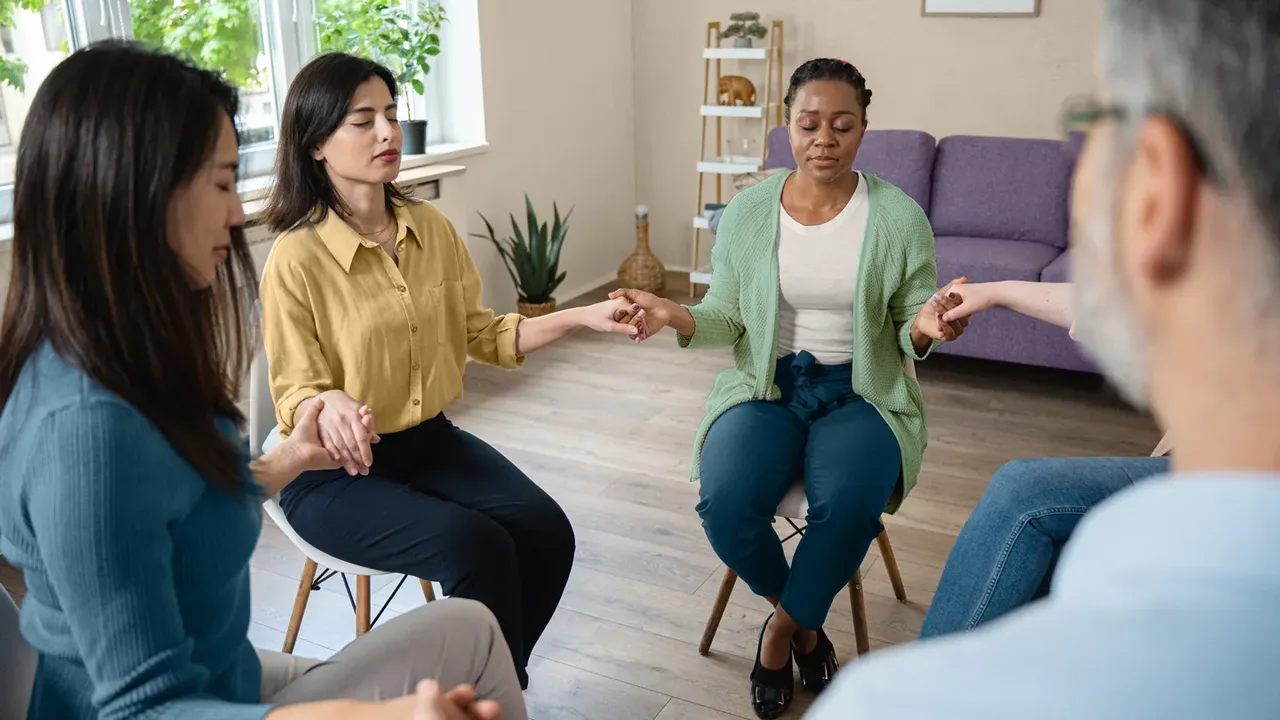
Mindfulness—the practice of paying attention to the present moment without judgment—acts as the antidote to modern chaos. It helps rewire the brain for focus, emotional balance, and self-compassion. By taking even a few minutes each day to pause, breathe, or reflect, individuals can dramatically reduce anxiety and restore inner clarity.
The principle of slow living integrates mindfulness into everyday moments: noticing the texture of food while eating, listening deeply in conversation, or observing nature during a walk. These micro-moments of awareness help anchor us to the now, reminding us that life is not a list to complete but an experience to live.
Practicing Slow Living in Everyday Life
Rethinking Time and Priorities
Embracing intentional living starts with reevaluating how we view time. Productivity culture teaches us to measure success by output, but slow living redefines success as alignment—doing what truly matters. This doesn’t mean giving up goals; it means pursuing them with clarity rather than compulsion.
Some practical ways to start include:
- Scheduling daily “no-task” moments for quiet reflection or rest.
- Turning off notifications for nonessential apps to reduce mental clutter.
- Focusing on one meaningful task at a time rather than juggling five half-heartedly.
- Setting boundaries between work and leisure—because peace requires protection.
When we slow down our pace, we gain more control over where our energy flows. Instead of reacting to life, we begin to direct it.
Creating Mindful Spaces
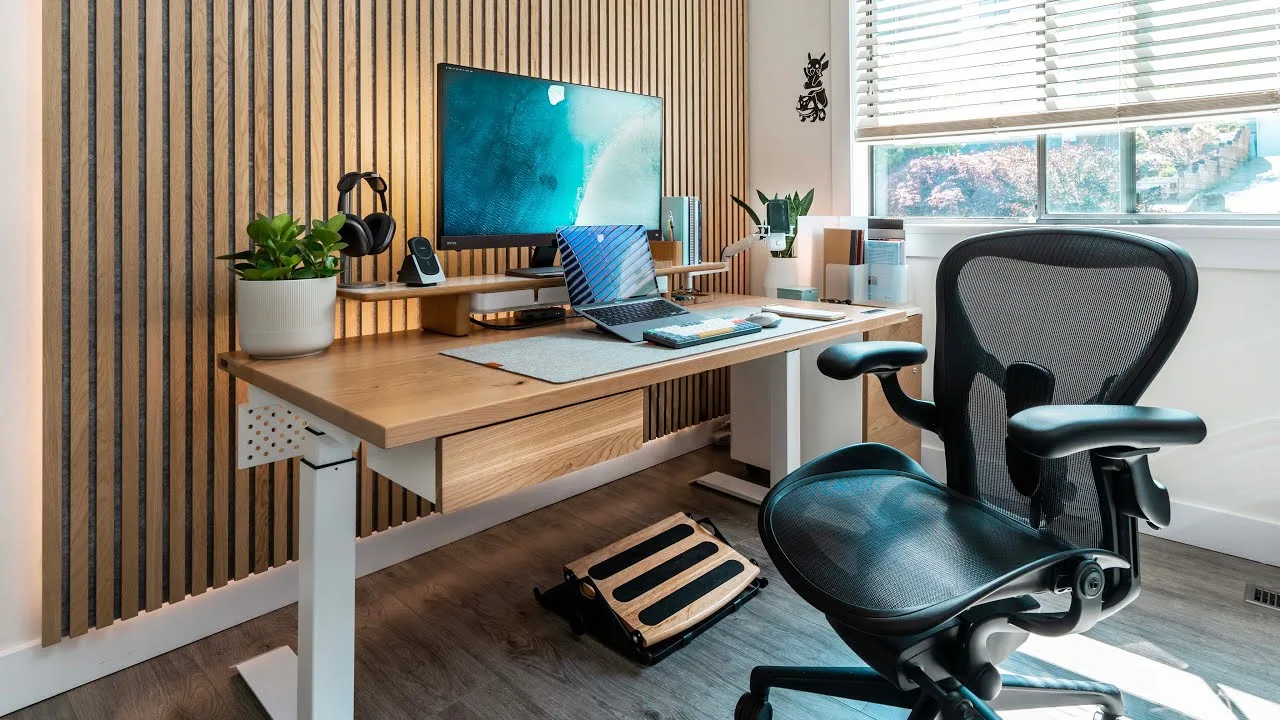
Our surroundings profoundly influence our mindset. A home designed with intention becomes more than shelter—it becomes a sanctuary. Simple adjustments like natural light, fewer distractions, and organized spaces can reduce cognitive overload and foster tranquility. Incorporating plants, soft textures, and calming colors are subtle yet powerful ways to make the environment feel restorative.
Interior design rooted in slow living values function over fashion, quality over quantity. A mindful space doesn’t shout—it breathes. By decluttering and choosing items with meaning, we cultivate an atmosphere that supports stillness and clarity.
Slow Work and Slow Productivity
Ironically, slowing down can make us more effective. The concept of “slow productivity” encourages deep work—fewer tasks, done with full attention and higher quality. Constant busyness often disguises inefficiency, while deliberate pacing nurtures creativity and precision. In professional life, adopting this mindset can lead to greater satisfaction and innovation.
Instead of multitasking through exhaustion, slow workers focus on purpose. They ask, “Why am I doing this?” and “Does it align with my goals?” The result is not less achievement, but more meaningful achievement.
The Intersection of Slow Living and Sustainability
Slow living naturally extends beyond personal well-being—it aligns with how we interact with the planet. A slower lifestyle often leads to more mindful consumption, reduced waste, and greater respect for natural resources. When we choose quality over quantity, or take time to repair instead of replace, we make conscious decisions that support both human and environmental sustainability.
In many ways, slow living and sustainability share the same heartbeat: intention. By consuming less and appreciating more, we minimize our footprint. Buying local produce, walking instead of driving short distances, and avoiding impulsive purchases are small yet profound acts of environmental care. They reflect a mindset where mindfulness extends beyond the self—to the ecosystem that sustains us.
Challenges in Adopting a Slow Lifestyle
The Fear of Falling Behind
One of the biggest obstacles to embracing a slower pace is the fear of being left behind. Society equates speed with success—those who slow down risk being labeled unmotivated or lazy. The truth, however, is that slowing down doesn’t mean giving up ambition; it means focusing it. The choice to live intentionally often requires courage, because it goes against the grain of modern productivity culture.
Transitioning to slow living can feel uncomfortable at first. It means saying no to unnecessary commitments, turning off the phone at dinner, or taking weekends to rest rather than “catch up.” But this discomfort is part of the process—the stillness that follows is where real clarity begins.
Finding Balance
Balance lies at the core of intentional living. The goal isn’t to reject technology, ambition, or modern convenience, but to use them wisely. We can embrace digital tools while setting limits, pursue career growth while honoring mental health, and enjoy comfort without overconsumption. It’s about living at a pace that supports—not sabotages—our wellbeing.
True balance emerges when we learn to pause before reacting, to reflect before choosing, and to appreciate before acquiring. These subtle moments of awareness transform ordinary routines into opportunities for peace.
Real-Life Stories of Intentional Living
Across the world, people are redefining success through slow living. A marketing executive in Tokyo traded her 70-hour workweeks for a simpler home business, finding more meaning in her mornings than in her former meetings. A family in Spain shifted from city life to a rural town, growing their own vegetables and teaching their children the rhythm of the seasons. A designer in New York began incorporating sustainable materials into her work after realizing that slowing down her creative process produced better art.
These stories are not about escape—they’re about return. Return to self, to nature, and to the forgotten art of savoring time. In a fast-paced world, living slowly is not a luxury; it’s an act of self-preservation.
Conclusion — Finding Stillness in Motion
In the end, slow living isn’t about doing everything slowly—it’s about doing everything intentionally. It’s an invitation to realign priorities, to listen deeply, and to live with awareness. By slowing our pace, we don’t lose momentum—we gain direction.
Through mindfulness, simplicity, and intentional living, we rediscover what truly matters: connection, purpose, and peace. As the noise of modern life continues to grow louder, slow living reminds us that silence can be strength, and stillness can be progress. The fast world will keep moving—but that doesn’t mean we have to race with it.
In choosing to slow down, we reclaim the most valuable currency of all: time. And in that reclaimed time, we finally make space to live—not just exist.