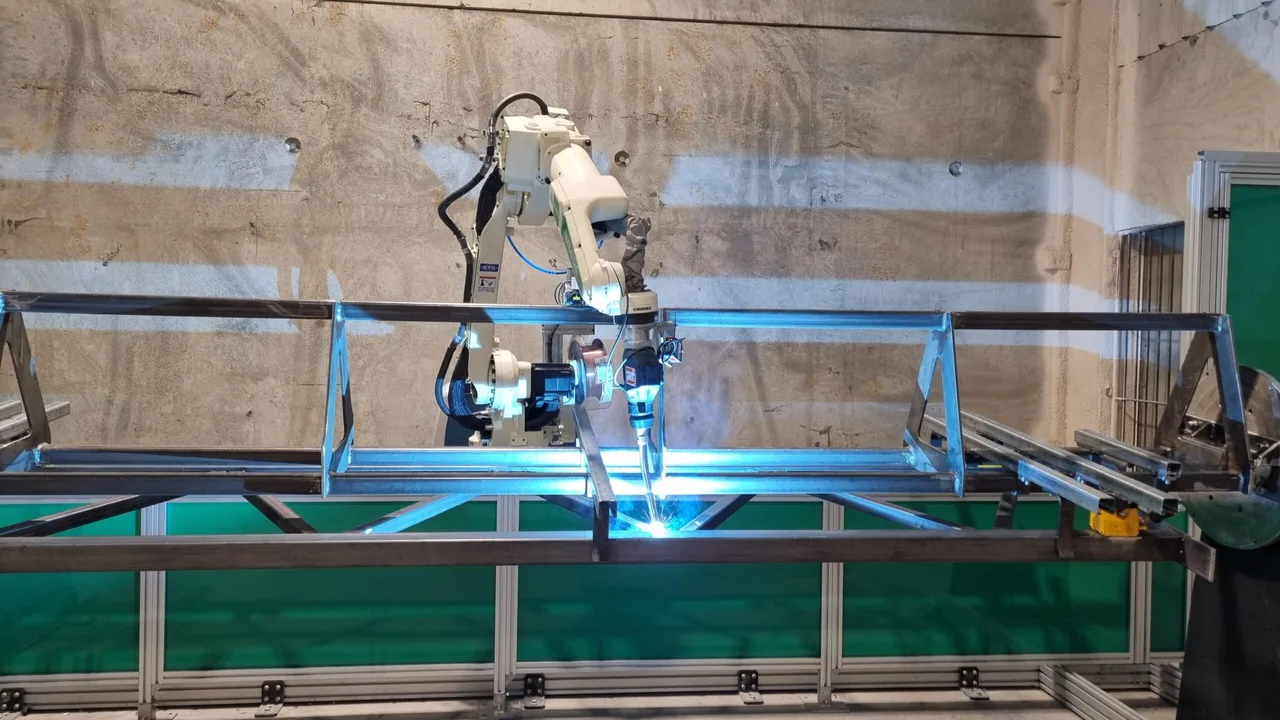
Industrial robots future is no longer defined by rigid machines repeating the same motion endlessly. Today, robotics is entering a new phase where machines are expected to adapt, learn, and interact in ways that resemble human behavior. This shift is not about turning robots into humans, but about making them flexible enough to operate in complex, unpredictable environments where traditional automation fails.
For decades, industrial robots were designed for precision and consistency. They performed tasks such as welding, assembly, and packaging with minimal variation. However, modern industries now demand systems that can handle variability, make decisions, and collaborate with human workers. This is where the concept of human-like robotics begins to emerge, driven by advances in artificial intelligence, sensors, and data processing.
Industrial Robots Future: From Machines to Adaptive Systems
The evolution of robotics has moved from simple mechanical automation to intelligent systems capable of adapting to their surroundings. Early industrial robots followed fixed instructions, often programmed line by line. Any change in the environment required manual reprogramming, which limited flexibility.
In contrast, the current direction of industrial robots future focuses on adaptability. Modern robots can analyze data from their environment and adjust their actions accordingly. Instead of stopping when something unexpected happens, they can react, correct, and continue operating.
This shift is driven by the increasing complexity of industrial operations. Production lines are no longer static. Products change frequently, customization is more common, and supply chains require flexibility. As a result, robots must become more responsive rather than purely repetitive.
What “Human-Like” Means in Robotics
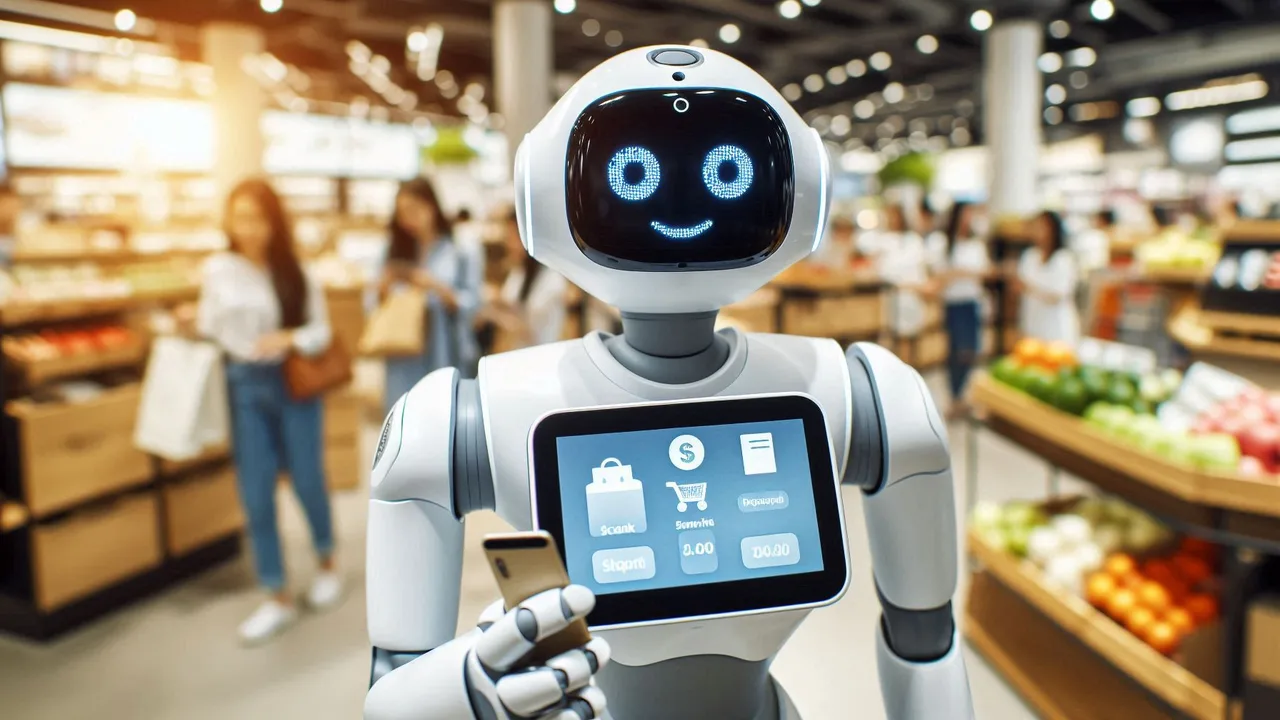
When people describe robots as becoming more human, they are not referring to emotions or consciousness. Instead, the focus is on behavior. Human-like robots are machines that can perceive their environment, make decisions, and adjust their actions without constant external control.
This includes the ability to handle uncertainty. Humans naturally adapt when conditions change, but traditional robots struggle with this. New systems are designed to interpret incomplete or changing data and still perform tasks effectively.
Another important aspect is interaction. Robots are increasingly working alongside humans rather than replacing them entirely. This requires systems that can understand human actions, predict movement, and operate safely in shared spaces.
These capabilities are made possible by improvements in sensors, computing power, and algorithms that allow machines to process information in real time.
Robotics Behavior: The Key to Human-Like Machines
Robotics behavior refers to how machines act based on input, conditions, and learned patterns. Instead of executing fixed commands, behavior-driven robots follow rules that allow them to respond dynamically to different situations.
This approach is similar to how humans operate. Rather than memorizing every possible action, people rely on general understanding and adjust their behavior as needed. In robotics, this is achieved through behavior models that define how a system should react under various conditions.
There are two main types of robotic behavior: reactive and predictive. Reactive robots respond immediately to changes in their environment, such as avoiding obstacles or adjusting grip strength. Predictive robots go further by anticipating what might happen next and preparing in advance.
By combining these approaches, modern robots can perform tasks that were previously too complex for automation. They can handle irregular objects, adapt to different workflows, and operate in environments that are not perfectly controlled.
Automation Learning and Machine Adaptability
Automation learning is one of the most important factors driving the transformation of industrial robotics. Instead of relying solely on pre-programmed instructions, robots can now learn from data, experience, and feedback. Research in machine learning and robotics continues to expand through institutions and organizations such as the MIT Technology Review, which highlights how adaptive systems are reshaping industrial automation.
This learning process allows machines to improve over time. For example, a robot can refine its movements to become more efficient, reduce errors, or handle new types of tasks. This capability is essential in industries where conditions change frequently.
- Supervised learning allows robots to learn from labeled data and predefined examples
- Reinforcement learning enables machines to improve through trial and error
- Real-time adjustments help robots adapt instantly to changing conditions
These methods make robots more flexible and capable of handling tasks that were once considered too complex for automation. As a result, industrial robots future is moving toward systems that require less manual programming and more autonomous decision-making.
Sensors and Perception Systems
The ability of robots to behave in a human-like way depends heavily on perception. Sensors act as the “eyes” and “touch” of a robot, allowing it to understand its surroundings and interact with objects accurately.
Vision systems are one of the most important components. Cameras combined with image processing algorithms enable robots to identify objects, detect movement, and recognize patterns. This allows them to perform tasks such as sorting, inspection, and assembly with high precision.
Touch and force sensors add another layer of capability. These systems allow robots to adjust their grip, detect resistance, and handle delicate objects without causing damage. This is particularly important in industries such as electronics and healthcare, where precision is critical.
Environmental sensors also play a role. Robots can monitor temperature, humidity, and other conditions to ensure that processes run smoothly. By combining multiple types of sensors, modern robots can build a detailed understanding of their environment.
This level of perception is essential for creating machines that can operate in dynamic environments, making them more similar to human workers in terms of adaptability and awareness.
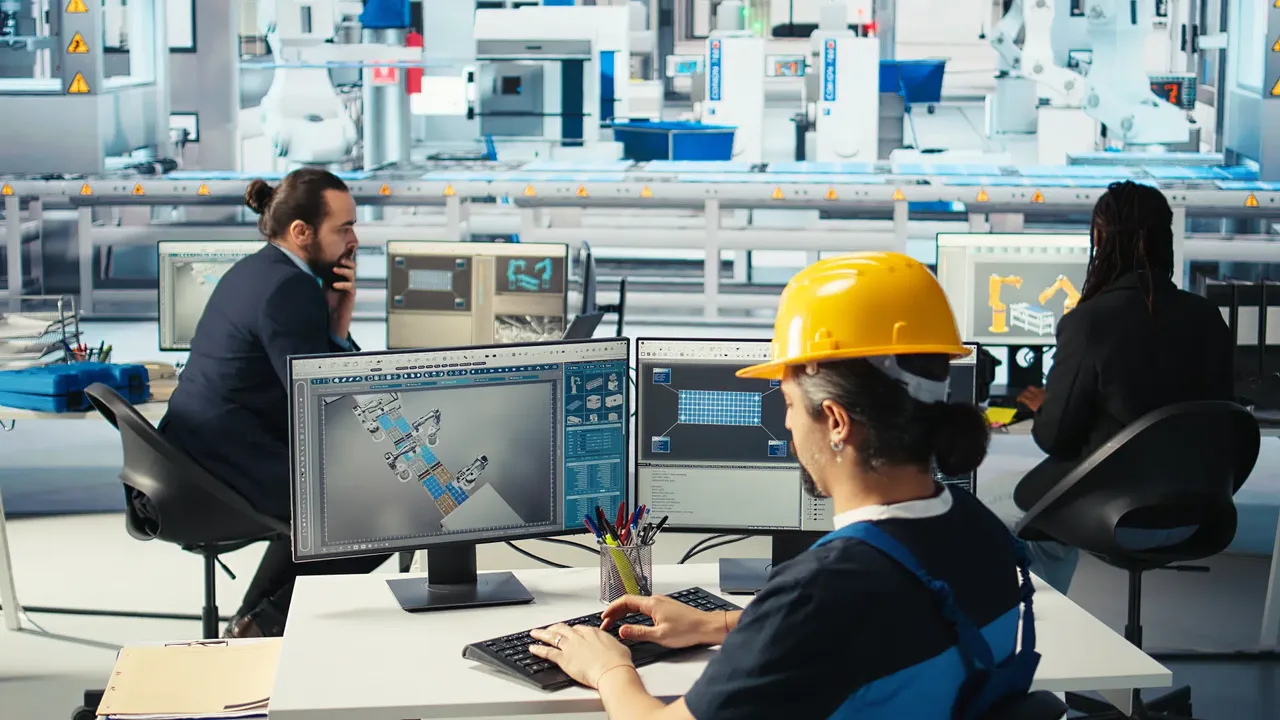
Human-Robot Collaboration in Modern Industry
One of the most important shifts in industrial robots future is the rise of collaboration between humans and machines. Instead of isolating robots behind safety barriers, modern systems are designed to work alongside people in shared environments. These machines, often called collaborative robots or cobots, are built to be safer, more flexible, and easier to deploy.
Traditional industrial robots were powerful but rigid. They required controlled environments and strict safety zones because they could not detect or respond to human presence effectively. In contrast, cobots are equipped with sensors and control systems that allow them to slow down, stop, or adjust their movement when humans are nearby.
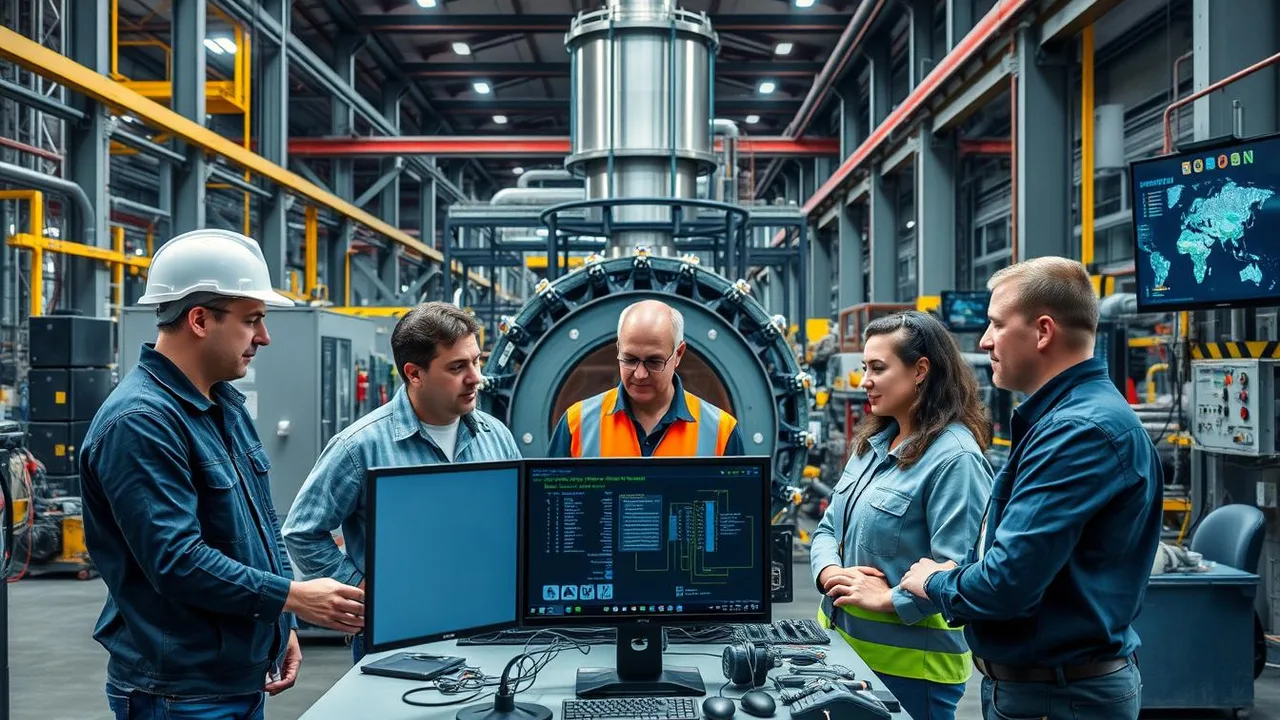
This type of collaboration improves productivity by combining the strengths of both humans and machines. Humans provide judgment, creativity, and problem-solving, while robots handle repetitive or physically demanding tasks. Together, they create more efficient workflows without completely replacing human labor.
Industries Driving the Industrial Robots Future
The demand for smarter robots is growing across multiple industries, each with its own set of challenges and requirements. These sectors are pushing the development of systems that can think, adapt, and respond more like humans.
Manufacturing remains the largest user of industrial robots. However, production lines are becoming more complex, requiring machines that can handle customization and smaller batch sizes. This shift makes adaptability more important than ever.
Logistics is another fast-growing area. Warehouses now rely on robots for sorting, picking, and transporting goods. These tasks involve constant movement and changing conditions, which require advanced perception and decision-making capabilities.
Healthcare is also adopting robotics, especially in areas such as surgery, rehabilitation, and patient assistance. In these environments, precision and safety are critical, and robots must operate in close proximity to humans.
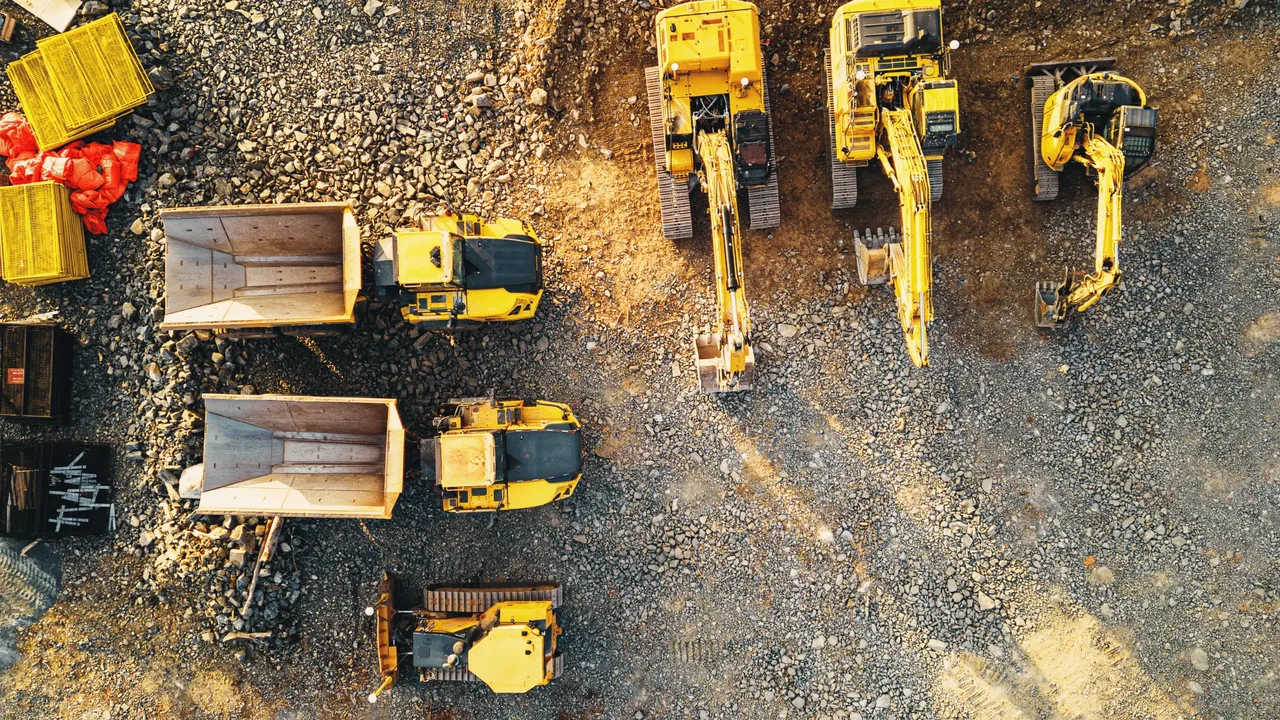
Construction and infrastructure projects are beginning to use robots for inspection, material handling, and even assembly. These environments are less predictable than factories, which makes human-like adaptability essential.
As these industries evolve, the need for advanced systems continues to grow, reinforcing the importance of industrial robots future as a key part of modern technology development.
Challenges of Making Robots More Human
Despite rapid progress, there are still significant challenges in making robots behave more like humans. One of the main issues is technical complexity. Human behavior is highly flexible and context-dependent, which makes it difficult to replicate with machines.
Cost is another barrier. Advanced sensors, computing systems, and machine learning models require significant investment. While large companies can afford these technologies, smaller businesses may find it difficult to adopt them.
Reliability is also a concern. As robots become more autonomous, they must operate safely and consistently in unpredictable environments. Any failure can lead to safety risks or production delays.
Ethical considerations are increasingly important as well. The use of intelligent machines raises questions about job displacement, decision-making responsibility, and data privacy. As robots take on more complex roles, these issues will become more significant.
Finally, there is the challenge of overdependence. Relying too heavily on automation can reduce human skills and create vulnerabilities if systems fail. Balancing automation with human oversight is essential for sustainable development.
The Future of Industrial Robots
The next phase of industrial robots future will likely involve even greater levels of autonomy and intelligence. Robots will not only follow instructions but also make decisions based on real-time data and long-term learning.
AI-driven factories are expected to become more common, where machines communicate with each other and coordinate production without constant human intervention. These systems can optimize workflows, reduce waste, and respond quickly to changes in demand.
Another important development is the ability of robots to learn without explicit programming. Instead of being manually configured for each task, future systems may observe human workers or analyze data to understand how to perform new operations.
Advances in automation learning will also make robots more efficient over time. Machines will continuously improve their performance, adapting to new environments and tasks with minimal supervision.
Although emotional simulation is sometimes discussed, its role in industrial settings will remain limited. The focus will continue to be on practical capabilities such as decision-making, adaptability, and safe interaction with humans.
As technology continues to evolve, robots will become more integrated into everyday operations. Rather than replacing humans entirely, they will act as partners that enhance productivity and expand what industries can achieve.
The transformation of robotics is still ongoing, but it is clear that the boundary between machines and human-like behavior is becoming less defined. This shift will shape the future of manufacturing, logistics, and many other sectors in the years ahead.