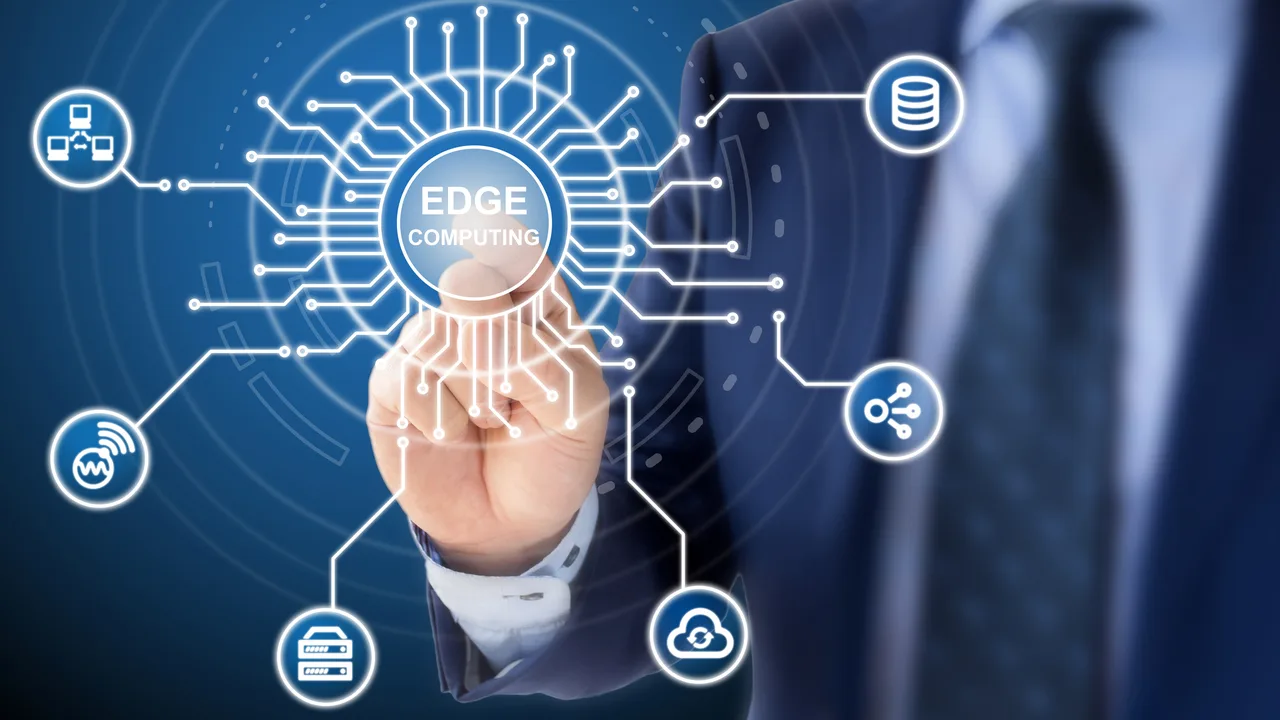
As data generation reaches unprecedented levels, the edge computing industry is redefining how we process, store, and act on information. From autonomous vehicles to factory automation, the need for speed and responsiveness is pushing computing power closer to where data is created. Edge computing isn’t just a buzzword—it’s the architectural foundation of a connected, intelligent future.
Introduction — Computing at the Edge of Innovation
Every second, billions of devices generate massive volumes of data. Traditionally, this information traveled to centralized cloud servers for analysis. However, as real-time applications—from smart grids to connected hospitals—demand faster response times, latency has become a critical barrier. This is where edge computing enters the picture.
In simple terms, edge computing means processing data as close to its source as possible. Instead of relying entirely on distant cloud data centers, edge networks analyze and act locally, drastically reducing the time it takes for information to travel. This approach is transforming industries by enabling immediate insights, lower operational costs, and improved security. It’s no surprise that the edge computing industry is growing into one of the most strategic sectors of the digital economy.
Understanding Edge Computing
The Basics of Edge Architecture
Edge computing works on a distributed architecture where computation happens near the devices generating data—such as sensors, robots, or industrial machines. In contrast to centralized systems, edge setups often rely on micro data centers or embedded processors located at the “edge” of the network. These nodes handle essential data locally and send only critical or summarized information to the cloud.
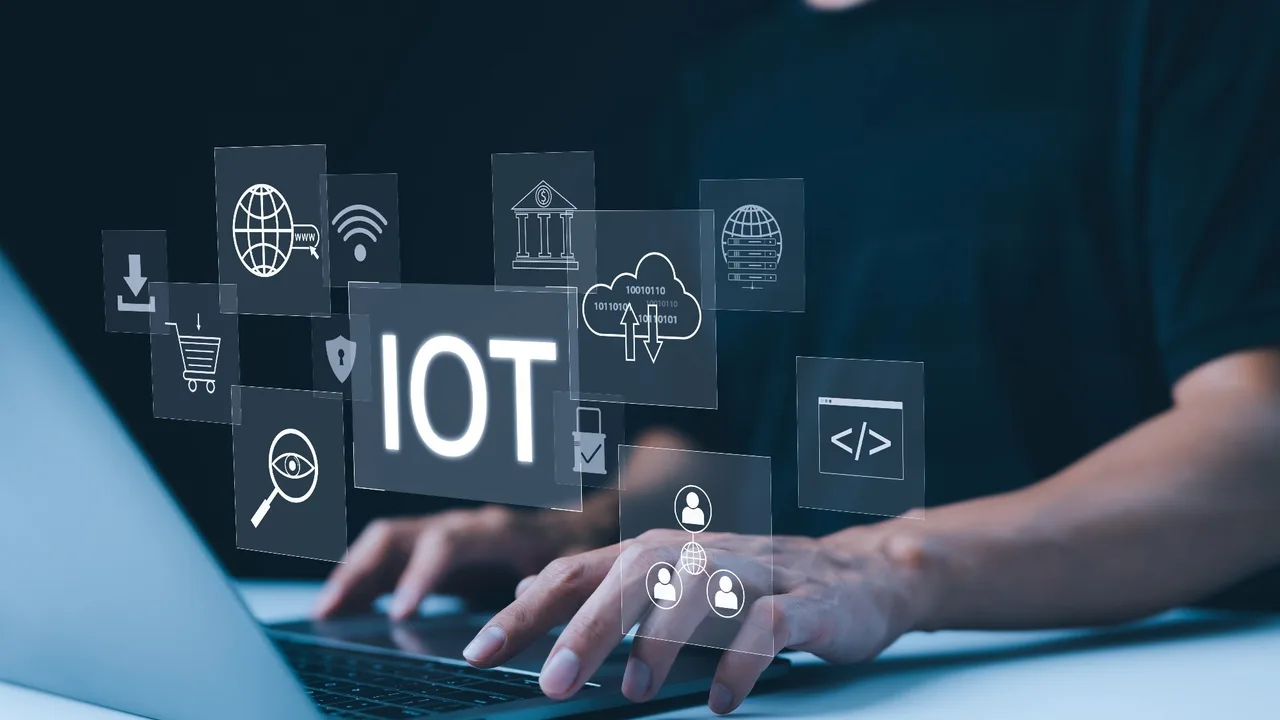
For industries using Internet of Things (IoT) systems, this setup is invaluable. Real-time analysis of sensor data means that faults, anomalies, or operational inefficiencies can be detected and acted upon instantly. In high-stakes environments like manufacturing or healthcare, milliseconds matter—and edge computing delivers that advantage.
Cloud vs Edge — Complement, Not Competition
Some perceive edge computing as a replacement for cloud computing, but in reality, it’s an evolution. Both systems complement each other: while the cloud offers centralized scalability, the edge provides localized performance and immediacy. The relationship can be summarized as the difference between the brain and the reflexes—both vital, serving different purposes.
| Feature | Cloud Computing | Edge Computing |
|---|---|---|
| Processing Location | Centralized Data Centers | Local/Device-Level |
| Latency | High (depends on distance) | Low (real-time capable) |
| Scalability | Virtually Unlimited | Limited, but faster |
| Bandwidth Demand | Heavy data transfer | Minimal due to local analysis |
The ongoing discussion of cloud vs edge is not about competition but about collaboration. Many modern IT systems combine both models to balance scalability with speed. For instance, a smart factory might use local edge servers for machine control and the cloud for long-term analytics and predictive modeling.
Why Edge Computing Matters for Modern Industries
Lower Latency and Faster Decision-Making
In the edge computing industry, latency—or the delay between data input and response—is the ultimate performance metric. Reducing latency enables faster decision-making and more efficient automation. Imagine an autonomous car relying solely on the cloud: by the time the data travels, is processed, and returns, it may already be too late to react to a hazard. With edge processing, those decisions happen instantly within the vehicle itself.
This same principle applies to manufacturing lines, where robotic arms can adjust movements in milliseconds to maintain quality, or to healthcare monitoring systems that alert doctors immediately when a patient’s vital signs fluctuate. Edge computing ensures responsiveness where it matters most—right at the source.
Reduced Bandwidth and Cloud Costs
Another significant benefit is efficiency. Sending every piece of raw data to the cloud is expensive and resource-intensive. Edge computing reduces that dependency by processing data locally, transmitting only what’s necessary. This optimization lowers bandwidth usage, cloud storage costs, and network congestion. For industries with remote or bandwidth-limited locations—like oil platforms, mining operations, or rural factories—edge solutions offer autonomy without sacrificing connectivity.
- Less network strain: only filtered data is sent to central servers.
- Lower operational costs: decreased data transfer volume saves bandwidth fees.
- Improved system reliability: even if internet connectivity drops, local operations continue unaffected.
Enhanced Privacy and Data Security
Security and privacy are core advantages of edge architecture. In traditional cloud setups, vast amounts of sensitive data—such as medical records or industrial metrics—travel across networks and reside in centralized servers, making them potential targets for cyberattacks. Edge computing minimizes that exposure by keeping data closer to its source. Sensitive information can be anonymized, encrypted, or processed locally before transmission.
This decentralized approach strengthens compliance with data protection laws and builds user trust. In sectors like finance and healthcare, where information sensitivity is paramount, localized processing offers an essential layer of defense against breaches and misuse. Technical frameworks explained by resources like NIST have helped guide organizations in implementing secure edge infrastructures that meet regulatory standards.
Applications Transforming the Edge Computing Industry
Industrial IoT (IIoT) and Smart Manufacturing
Perhaps the most transformative impact of the edge computing industry is seen in manufacturing. Factories embedded with thousands of IoT sensors generate vast streams of operational data—temperature, vibration, output, and energy use. Edge computing enables real-time processing of this data to predict equipment failures, optimize resource usage, and automate production flows. The result is reduced downtime, lower maintenance costs, and improved product consistency.
This approach is redefining what’s known as “smart manufacturing.” Machines no longer just execute—they think, analyze, and adapt autonomously. By processing information at the edge, industries achieve unprecedented levels of precision and efficiency while maintaining full control over their data.
Autonomous Systems and Transportation
From self-driving vehicles to delivery drones, autonomous systems depend on instantaneous computation. The milliseconds saved by processing data locally can mean the difference between safety and disaster. For example, navigation systems analyze traffic, weather, and obstacle data in real time, allowing vehicles to make split-second decisions. With edge computing, this intelligence exists at the point of need rather than miles away in a distant cloud.
As the infrastructure for autonomous mobility grows, the edge computing industry will continue to play a defining role in ensuring reliability and responsiveness at scale.
Smart Cities and Energy Management
Real-Time Urban Intelligence
Edge computing is the silent backbone of emerging smart cities. Modern urban centers generate massive data streams through cameras, sensors, traffic systems, and energy grids. Centralizing all that information in the cloud would be inefficient and delay responses. Instead, edge-enabled infrastructure allows cities to analyze conditions on the spot—optimizing traffic signals, monitoring pollution, and managing public safety systems in real time.
Consider a smart intersection: edge nodes collect video and sensor input to adjust light cycles dynamically, easing congestion and reducing fuel waste. This is a practical example of how IoT data processing and edge intelligence merge to create sustainable, data-driven cities. The same approach is being applied to public utilities, where local nodes regulate electricity loads, water flow, or waste collection, making urban management faster and more efficient.
Energy Optimization and Sustainability
As energy demand rises, power systems must adapt quickly to fluctuating loads. The edge computing industry provides the agility necessary for managing distributed renewable energy sources such as solar panels and wind turbines. By processing data at the grid edge, operators can detect imbalances instantly and adjust production or storage accordingly. This local intelligence minimizes outages, improves energy distribution, and supports decarbonization efforts worldwide.
Challenges Facing the Edge Computing Industry
Infrastructure and Standardization Issues
Despite its promise, edge computing faces hurdles. Building the necessary infrastructure—micro data centers, rugged devices, and 5G connectivity—requires significant investment. Many regions still lack the network maturity to support large-scale edge deployment. Furthermore, interoperability among hardware and software vendors remains inconsistent. Without standardized protocols, integration becomes complex and costly for businesses entering the market.
Industry alliances and working groups are emerging to tackle this issue. They aim to develop open standards that promote compatibility and simplify deployment. As these frameworks mature, the edge ecosystem will become more accessible and scalable for both enterprises and small developers.
Data Management and Security Concerns
Edge computing introduces a decentralized network model, which expands the potential attack surface. Each device or node connected to the network can become a target for cyber threats if not properly secured. Protecting distributed systems requires a combination of encryption, authentication, and continuous monitoring.
Beyond cybersecurity, data governance is another challenge. Edge environments collect highly localized data, often involving sensitive or proprietary information. Companies must establish clear policies for storage, retention, and compliance to avoid legal risks. The edge computing industry is actively developing solutions like zero-trust frameworks and AI-driven anomaly detection to keep decentralized networks resilient and reliable.
The Future — Cloud vs Edge in Balance
Hybrid Models for Maximum Efficiency
Rather than replacing cloud computing, edge computing is evolving into a complementary model. The future lies in hybrid architectures that combine the scalability of the cloud with the immediacy of edge systems. In this configuration, critical operations run locally while long-term data analysis and machine learning training happen in the cloud.
This balance helps organizations achieve optimal performance and cost-efficiency. For example, an industrial robot may process motion control data on-site while uploading performance summaries to a central cloud for predictive analytics. Such synergy between cloud vs edge systems ensures continuous learning and operational refinement.
AI at the Edge
The integration of artificial intelligence marks the next phase in the edge computing industry. Deploying AI models at the edge empowers devices to recognize patterns, make decisions, and learn independently. This evolution—from reactive systems to proactive intelligence—will transform how industries operate.
Imagine surveillance systems that detect anomalies automatically, drones that adapt to changing flight conditions, or retail stores that manage stock autonomously. These capabilities illustrate how AI at the edge merges real-time action with contextual understanding, driving smarter ecosystems across every sector.
Conclusion — The Edge Becomes the New Normal
The world is moving toward a hyperconnected reality where responsiveness defines competitiveness. The edge computing industry is leading this transformation, bridging the physical and digital worlds through faster, safer, and more intelligent systems. From smart factories to smart cities, the benefits of localized computing are reshaping expectations for performance and reliability.
Ultimately, the debate of cloud vs edge is no longer about replacement—it’s about balance. Cloud provides the muscle for scale and analysis, while the edge delivers speed and precision where milliseconds matter. Together, they represent the future architecture of computing: distributed, dynamic, and deeply integrated into everyday life.
As organizations continue to innovate, the boundary between cloud and edge will blur even further. What once existed at the periphery of networks will become the central force driving digital progress—and the edge will no longer be the frontier, but the foundation of modern technology.