Digital twin manufacturing has transformed how industries design, monitor, and optimize production systems. Instead of relying only on physical machines and manual observation, manufacturers now use virtual replicas that mirror real-world operations in real time. These digital models allow engineers to simulate performance, predict failures, and improve efficiency before making changes on the factory floor.
The concept is not entirely new. For years, engineers have used computer models to test products and systems. What makes today’s approach different is the integration of live data, advanced analytics, and continuous feedback loops. Modern manufacturing environments are no longer static—they are dynamic systems where physical and digital components work together.
What Is Digital Twin Manufacturing?
Digital twin manufacturing refers to the creation of a virtual representation of a physical asset, process, or entire production system. This digital twin is connected to its real-world counterpart through sensors and data systems, allowing it to update continuously as conditions change.
In simple terms, it is like having a live simulation of a factory that reflects what is happening in real time. Machines, production lines, and even entire facilities can be monitored and analyzed through this digital layer.
Early digital models were mostly static. Engineers would build a 3D representation of a product or system, run simulations, and then apply the results in the real world. Today, digital twins go much further by maintaining a constant connection between the virtual and physical environments.
This shift has made digital twin manufacturing an essential tool for industries that require precision, efficiency, and flexibility. From automotive production to electronics assembly, companies are using digital twins to reduce errors and improve decision-making.
From Basic Models to Real-Time Digital Twins
The evolution of digital twins began with simple engineering models. These models were useful for visualizing designs, but they could not adapt to changes once the system was built. Over time, advances in computing power and connectivity made it possible to create more complex simulations.
The introduction of 3d simulation tools allowed engineers to test how products and systems would behave under different conditions. These simulations improved design accuracy and reduced the need for physical prototypes. However, they were still limited because they did not reflect real-time operations.
The real breakthrough came with the integration of sensors and the Internet of Things. Machines could now collect data about temperature, pressure, speed, and performance, and send that information to digital systems instantly. This allowed digital twins to update continuously and reflect the actual state of production.
As a result, digital twins evolved from static models into dynamic systems that support real-time decision-making. Engineers can now see how a machine is performing at any moment and predict how it will behave in the future.
How Digital Twin Manufacturing Works in Practice
In a typical setup, sensors are installed on machines and equipment throughout a production facility. These sensors collect data and send it to a central system, where it is processed and integrated into the digital twin.
The digital model then reflects the current state of the physical system. If a machine slows down, overheats, or shows signs of wear, the digital twin will display these changes immediately. This creates a continuous feedback loop between the real and virtual environments.
One of the key advantages of digital twin manufacturing is its ability to support predictive analysis. Instead of reacting to problems after they occur, manufacturers can identify potential issues in advance. For example, if data shows that a component is likely to fail soon, maintenance can be scheduled before a breakdown happens.
This approach reduces downtime and improves overall efficiency. It also allows companies to test different scenarios without interrupting actual production. By adjusting variables in the digital model, engineers can find the best solutions before applying them in the real world.
The Role of Data Visualization in Decision Making
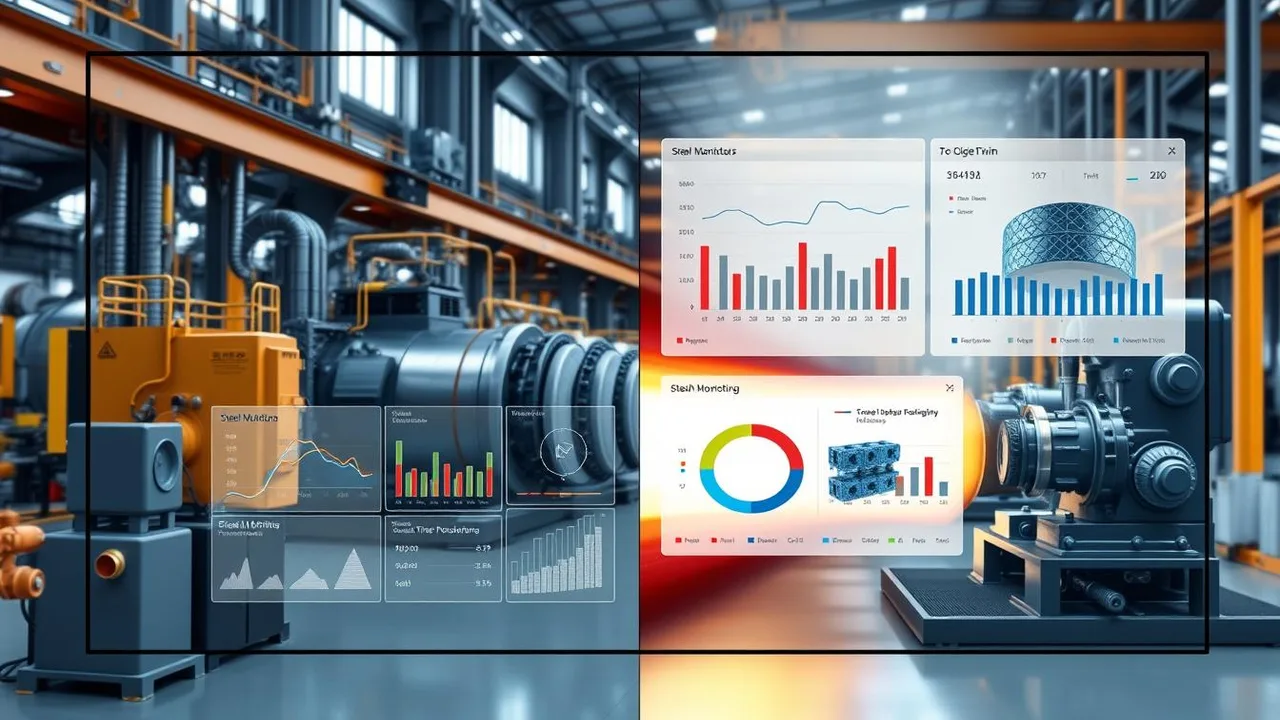
One of the most important aspects of digital twin systems is data visualization. Large amounts of data are generated every second, and without proper visualization tools, it would be difficult to interpret this information.
Modern dashboards and interfaces present data in a clear and accessible way. Engineers can view performance metrics, identify trends, and detect anomalies quickly. Instead of analyzing raw numbers, they can rely on visual representations that highlight key insights.
Effective data visualization also improves communication within organizations. Managers, technicians, and engineers can all understand the same information, even if they have different levels of technical expertise. This makes decision-making faster and more accurate.
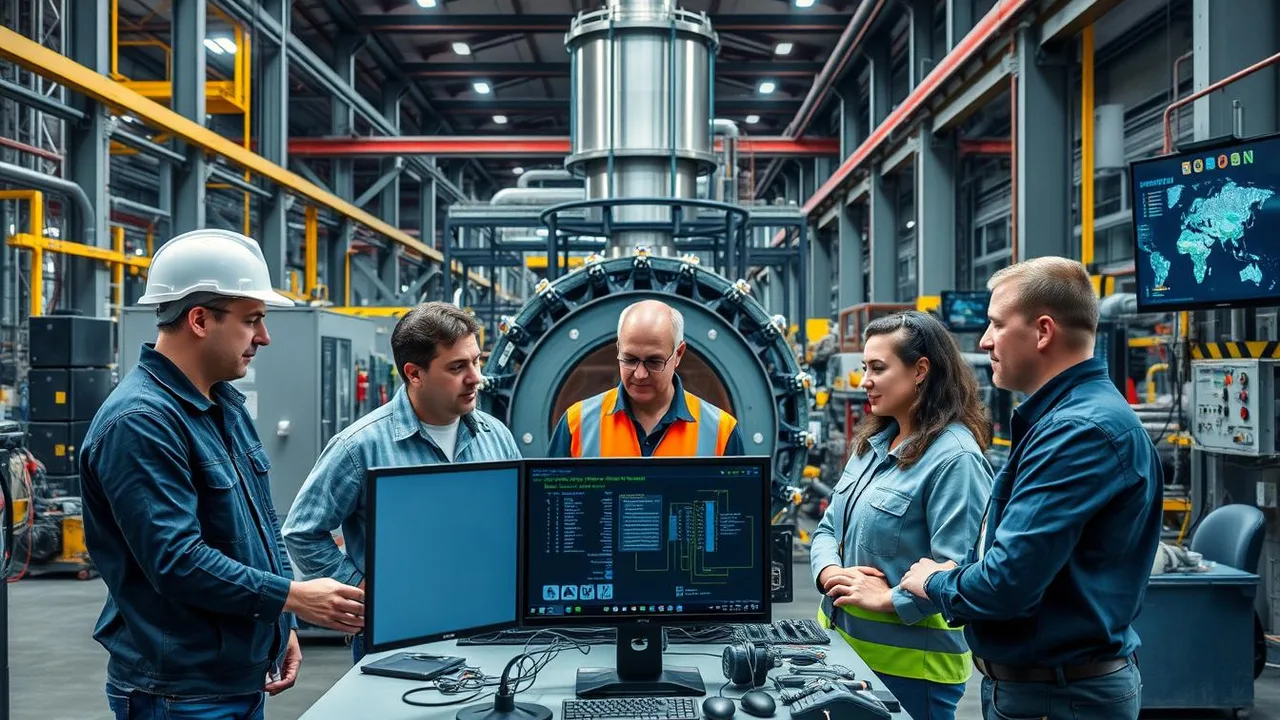
In advanced systems, visualization tools are integrated directly into the digital twin environment. Users can interact with 3D models, explore different scenarios, and monitor changes in real time. This creates a more intuitive way to manage complex manufacturing systems.
Benefits of Digital Twin Manufacturing for Industry
The adoption of digital twin manufacturing offers several advantages for industrial operations. These benefits are not limited to large corporations—smaller manufacturers are also beginning to use digital twins to improve their processes.
- Predictive maintenance reduces unexpected equipment failures
- Improved efficiency through optimized production processes
- Better product quality by identifying defects early
- Faster development cycles with virtual testing
- Reduced operational costs over time
These benefits make digital twins a key component of modern manufacturing strategies. As industries become more competitive, companies that adopt advanced technologies are more likely to stay ahead.
Challenges in Implementing Digital Twins
Despite its advantages, digital twin manufacturing is not easy to implement. One of the main barriers is the initial cost. Setting up a digital twin system requires sensors, data infrastructure, software platforms, and skilled personnel. For many companies, especially smaller manufacturers, this investment can be difficult to justify in the short term.
Another challenge is integration with existing systems. Many factories still operate with legacy equipment that was not designed to connect with modern digital tools. Upgrading or replacing these systems can be complex and expensive. Without proper integration, the digital twin cannot function effectively.
Data accuracy is also critical. A digital twin is only as reliable as the data it receives. If sensors provide incorrect or incomplete information, the digital model will produce misleading results. This can lead to poor decisions and reduce trust in the system.
Cybersecurity is another concern. As manufacturing systems become more connected, they also become more vulnerable to cyber threats. Protecting sensitive production data and ensuring system stability is essential for long-term success.
Finally, there is a skill gap in the workforce. Engineers and technicians need to understand both physical systems and digital technologies. Training employees to use and manage digital twin systems is an ongoing challenge for many organizations.
Real-World Applications Across Industries
Digital twin manufacturing is already being used in a wide range of industries. Each sector applies the technology in different ways, depending on its specific needs and challenges.
In the automotive industry, digital twins are used to design and test vehicles before production begins. Engineers can simulate performance, identify potential issues, and optimize designs without building multiple physical prototypes.
The aerospace sector relies heavily on digital twins for safety and reliability. Aircraft components are monitored throughout their lifecycle, allowing manufacturers to predict maintenance needs and improve performance.
Smart factories use digital twins to manage entire production systems. Machines, workers, and processes are all connected through a digital platform, enabling real-time monitoring and optimization.
Energy and infrastructure industries also benefit from this technology. Power plants, pipelines, and large facilities can be monitored continuously, reducing the risk of failures and improving efficiency. Industry insights from organizations like McKinsey & Company highlight how digital transformation, including digital twins, is reshaping industrial operations worldwide.
These applications show that digital twins are not limited to a single field. They are becoming a standard tool for managing complex systems across multiple industries.
The Future of Digital Twin Manufacturing
The future of digital twin manufacturing will be shaped by advancements in artificial intelligence, connectivity, and computing power. As these technologies continue to evolve, digital twins will become more accurate, more detailed, and more useful.
Artificial intelligence will play a major role in analyzing data and making predictions. Instead of relying only on human interpretation, AI systems can identify patterns and suggest improvements automatically. This will make manufacturing processes more efficient and less dependent on manual intervention.
Another important development is the growth of autonomous production systems. Machines will be able to adjust their behavior based on data from digital twins, creating self-optimizing factories. This level of automation could significantly reduce waste and improve productivity.
Advanced simulation environments will also become more common. Engineers will be able to test entire production systems in a virtual space before building them in the real world. This reduces risk and allows for better planning.
In addition, digital twins will expand beyond individual factories to include entire supply chains. Companies will be able to track materials, monitor logistics, and optimize distribution networks in real time. This broader perspective will improve efficiency across the entire production process.
Beyond Manufacturing: Expanding Digital Twin Technology
While digital twin manufacturing is a major focus today, the technology is also being applied in other areas. Cities, healthcare systems, and logistics networks are beginning to use digital twins to improve performance and reduce costs.
In urban planning, digital twins are used to simulate traffic patterns, energy use, and infrastructure development. This helps city planners make better decisions and create more efficient environments.
Healthcare systems use digital twins to model patient conditions and improve treatment plans. By analyzing data from medical devices and records, doctors can make more informed decisions and personalize care.
Logistics companies are also adopting digital twins to track shipments, optimize routes, and reduce delays. This improves supply chain efficiency and reduces operational costs.
As these applications continue to grow, digital twin technology will become an essential part of many industries. Its ability to connect physical systems with digital intelligence makes it a powerful tool for solving complex problems in a rapidly changing world.