
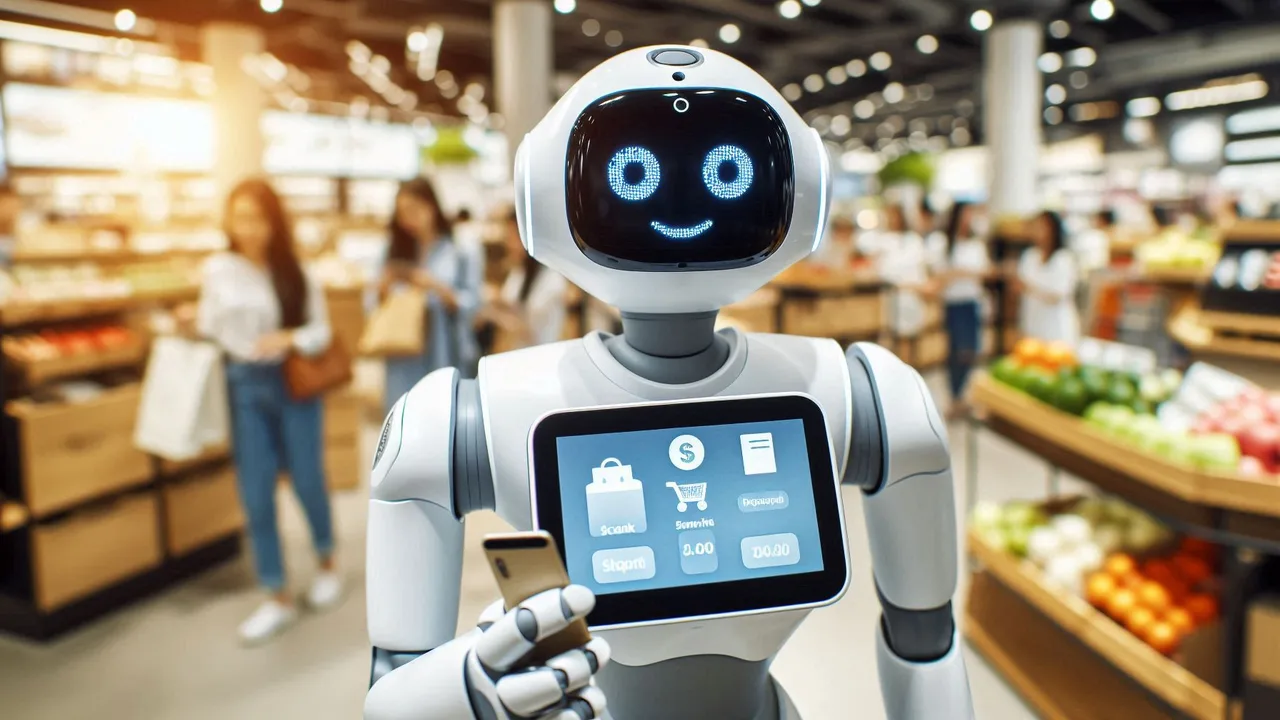
AI retail technology is fundamentally changing how customers interact with brands, products, and stores. Retail is no longer just about selling items—it is about delivering seamless, personalized, and efficient experiences across every touchpoint. From online platforms to physical stores, artificial intelligence is enabling businesses to understand customers better and respond to their needs in real time.
In traditional retail models, customer experience was largely reactive. Staff responded to questions, promotions were broad and generalized, and decisions were based on historical data rather than real-time insights. Today, with the rise of AI retail technology, retailers can predict behavior, automate interactions, and tailor experiences at an individual level. This shift is redefining what customers expect when they shop.
AI Retail Technology Is Reshaping the Shopping Experience
The modern shopping journey is no longer linear. Customers move between mobile apps, websites, physical stores, and social media before making a purchase. AI retail technology helps unify these touchpoints by collecting and analyzing data across multiple channels, allowing retailers to create a consistent and connected experience.
Instead of treating each interaction separately, AI systems build a continuous profile of the customer. This includes browsing behavior, purchase history, preferences, and even engagement patterns. With this information, retailers can anticipate needs and provide relevant suggestions without requiring manual input.
This transformation is particularly important because customer experience has become the main competitive advantage in retail. Price and product availability are no longer enough. Consumers expect convenience, speed, and relevance, and businesses that fail to deliver these elements risk losing market share.
From Transaction to Experience: The New Retail Model
Retail has shifted from a transaction-based model to an experience-driven model. Customers are not just buying products—they are engaging with brands, exploring options, and expecting a smooth journey from discovery to purchase.
One of the biggest drivers of this change is the integration of online and offline channels. Shoppers may research products online, visit a store to see them in person, and then complete the purchase through a mobile app. This omnichannel behavior requires retailers to maintain consistency across all platforms.
AI makes this possible by connecting data points from different sources. When a customer logs into an app, visits a store, or interacts with a brand on social media, the system records and analyzes these actions. This creates a unified view of the customer journey.
With this approach, retailers can offer services such as:
- Personalized product recommendations based on browsing history
- Seamless checkout across devices
- Real-time inventory visibility
- Targeted promotions tailored to individual behavior
These features improve convenience and make shopping more engaging, which is why AI retail technology is becoming essential in modern retail strategies.
Chatbot Systems Changing Customer Interaction
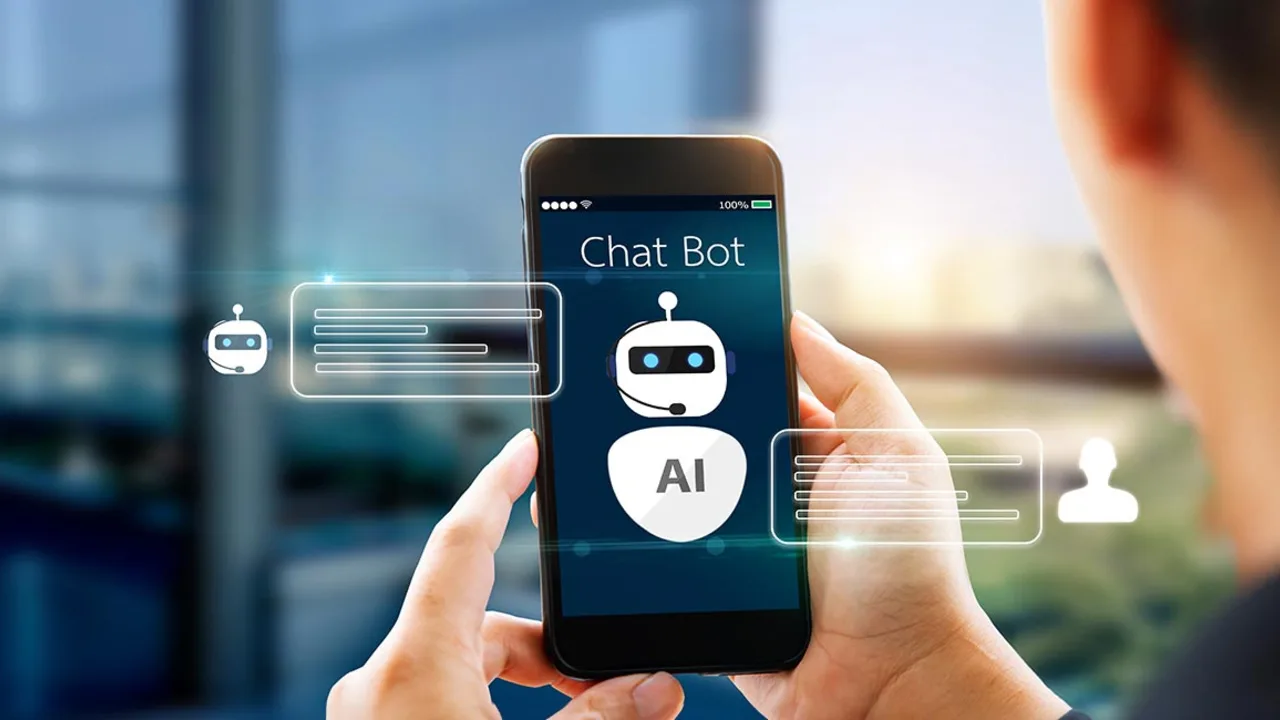
Customer service is one of the areas where chatbot systems have made a significant impact. Instead of relying entirely on human support teams, retailers now use AI-powered chatbots to handle common inquiries, guide customers through purchases, and resolve issues instantly.
These systems are available 24/7 and can respond to thousands of users simultaneously. This eliminates waiting time and ensures that customers receive immediate assistance, regardless of when they shop.
Modern chatbot systems are not limited to simple scripted responses. They use natural language processing to understand questions and provide relevant answers. This allows them to handle tasks such as:
- Answering product-related questions
- Tracking orders and delivery status
- Recommending products based on user input
- Assisting with returns and exchanges
By automating these interactions, retailers can reduce operational costs while improving customer satisfaction. However, the effectiveness of chatbot systems depends on how well they are integrated with other data systems and how accurately they interpret customer intent.
Personalization as the Core of AI Retail Technology
Personalization is one of the most powerful applications of AI retail technology. Instead of offering the same experience to every customer, retailers can tailor content, recommendations, and promotions to individual preferences.
This process is driven by data analysis. AI systems examine customer behavior, including browsing patterns, purchase history, and interaction frequency. Based on this data, the system predicts what the customer is most likely to want next.
For example, an online store may display different products to different users based on their past activity. A returning customer might see recommendations that match previous purchases, while a new visitor might receive suggestions based on popular trends.
Personalization also extends to pricing and promotions. Retailers can adjust discounts, offers, and marketing messages to match customer segments. This increases the likelihood of conversion and improves overall engagement.
In many modern retail environments, personalization is no longer optional. Customers expect brands to understand their needs and provide relevant options without requiring extensive search or effort.
In-Store AI: Bridging Physical and Digital Retail
While much of the discussion around AI focuses on online shopping, physical stores are also being transformed. AI retail technology is bringing digital capabilities into physical spaces, creating a more interactive and efficient in-store experience.
Smart shelves equipped with sensors can track inventory in real time and alert staff when products need to be restocked. This reduces the risk of empty shelves and improves availability for customers.
Computer vision systems are used to analyze customer movement within stores. By understanding how shoppers navigate aisles and interact with products, retailers can optimize store layouts and improve product placement.
Automated checkout systems are another major innovation. Customers can pick up items and leave the store without going through a traditional checkout process. AI systems track the products and process payment automatically, reducing waiting time and improving convenience.
Technologies help bridge the gap between physical and digital retail, creating a unified experience that aligns with modern customer expectations.
Data as the Engine Behind AI Retail Technology
At the core of AI retail technology is data. Every interaction a customer makes—clicks, searches, purchases, and even time spent on a product page—generates valuable information. Retailers collect this data from multiple sources, including websites, mobile apps, in-store systems, and social platforms.
This data is then processed using advanced analytics to uncover patterns and predict future behavior. Instead of relying on assumptions, businesses can make decisions based on real-time insights. This allows for better inventory management, more accurate demand forecasting, and improved customer targeting.
Predictive analytics is one of the most valuable tools in this process. By analyzing past behavior, AI systems can forecast what products will be popular, when demand will increase, and how customer preferences will evolve. This helps retailers reduce overstock and avoid shortages.
Customer segmentation is another important application. Instead of grouping customers into broad categories, AI can create highly specific segments based on behavior, preferences, and spending patterns. This enables more precise marketing strategies and improves the effectiveness of promotions.
Benefits of AI Retail Technology for Businesses
Implementing AI retail technology offers several advantages for retailers looking to stay competitive in a rapidly evolving market. These benefits go beyond customer experience and extend to operational efficiency and long-term growth.
One of the most immediate benefits is increased conversion rates. When customers receive personalized recommendations and timely assistance, they are more likely to complete a purchase. This directly impacts revenue.
Customer satisfaction also improves because AI reduces friction in the shopping process. Faster responses, accurate recommendations, and seamless transactions create a more enjoyable experience.
Operational efficiency is another key advantage. Automation reduces the need for manual processes, allowing staff to focus on more complex tasks. This can lead to cost savings and better resource allocation.
In addition, AI systems reduce human error. Tasks such as inventory tracking, pricing updates, and customer data management can be handled more accurately by automated systems.
Challenges and Risks of AI in Retail
Despite its advantages, AI retail technology also presents challenges that retailers must address carefully. One of the most significant concerns is data privacy. Collecting and analyzing customer data raises questions about how that information is stored, used, and protected.
Regulations in many regions require businesses to follow strict rules regarding data handling. Failure to comply can result in legal issues and loss of customer trust. Retailers must invest in secure systems and transparent policies to manage this risk.
Another challenge is the cost of implementation. Developing and maintaining AI systems requires significant investment in technology, infrastructure, and skilled personnel. Smaller businesses may find it difficult to adopt these solutions at scale.
Over-automation can also create problems. While AI can handle many tasks efficiently, removing human interaction entirely may reduce the emotional connection between customers and brands. Finding the right balance between automation and human service is essential.
There is also a risk of algorithm bias. If AI systems are trained on incomplete or biased data, they may produce inaccurate or unfair results. This can affect recommendations, pricing, and customer segmentation.
Organizations such as the McKinsey retail insights platform highlight that successful AI adoption depends not only on technology but also on strategy, data quality, and organizational readiness.
Future of AI Retail Technology
The future of AI retail technology is expected to bring even deeper integration between digital systems and physical retail environments. As technology continues to evolve, the boundaries between online and offline shopping will become less noticeable.
Fully automated stores are one of the developments already being tested. These stores allow customers to enter, select products, and leave without interacting with staff or checkout systems. AI handles everything from tracking items to processing payments.
Voice commerce is another area of growth. Customers can search for products, place orders, and receive recommendations through voice assistants. This adds another layer of convenience to the shopping experience.
Hyper-personalization will also become more advanced. Instead of reacting to past behavior, AI systems will anticipate needs before customers express them. This could include automatic product suggestions, subscription-based purchasing, and proactive service recommendations.
Supply chains will also benefit from AI integration. Predictive systems can optimize logistics, reduce delays, and improve coordination between suppliers and retailers. This leads to more efficient operations and better product availability.
As these technologies develop, the role of AI in retail will continue to expand. Retailers that adopt these systems effectively will be better positioned to meet evolving customer expectations and compete in a data-driven market.