Luxury used to mean something simple: more. Bigger houses. Faster cars. Designer labels. Exclusive memberships. For decades, wealth was measured by visible excess. But today, a quiet shift is happening. The modern luxury lifestyle is no longer defined by how much you own — it is defined by how you live.
Across cities and cultures, people are redefining what it means to feel rich. Instead of chasing status symbols, many are seeking something less visible yet more valuable: time, space, and peace. In this new era, mindful living and simplicity are becoming the real markers of success.
Redefining What Luxury Means Today
The traditional image of luxury revolved around exclusivity and material display. Mansions signaled power. Luxury watches symbolized achievement. Private jets represented ultimate success. However, as the pace of modern life accelerated, people began questioning whether these symbols truly brought fulfillment.
The rise of the modern lifestyle reflects a deeper transformation in values. Younger generations, especially millennials and Gen Z, are prioritizing flexibility, emotional well-being, and autonomy over pure accumulation. Luxury is shifting from ownership to experience, from display to depth.
What if luxury is no longer about what others see — but about how you feel?
From Material Wealth to Meaningful Living
The Decline of Status-Driven Consumption
In the past, visible consumption was a social currency. Expensive handbags, limited-edition sneakers, and high-end vehicles communicated status without words. Social media amplified this trend, turning lifestyles into curated performances.
But over time, cracks began to show. Studies in behavioral psychology revealed that material purchases often provide only temporary satisfaction — a phenomenon known as hedonic adaptation. The excitement fades, and the desire for more returns. The cycle continues.
As awareness grows, many people are stepping away from this endless loop. The modern luxury lifestyle rejects constant upgrading in favor of intentional choices. Instead of asking “What can I buy next?” the question becomes “What actually improves my life?”
The Rise of Experience Over Possession
Travel, retreats, creative hobbies, and meaningful relationships are becoming the new luxury investments. Experiences create memories, deepen identity, and strengthen connection. Unlike objects, they cannot be easily compared or replaced.
This is where mindful living enters the picture. Being fully present during an experience — whether it’s a quiet morning coffee or a weekend getaway — increases its perceived value. Attention itself becomes a luxury.
In a modern luxury lifestyle, time spent with loved ones, creative freedom, and personal growth often outweigh the appeal of high-priced possessions. The shift is subtle but powerful: value moves from external validation to internal satisfaction.
Time as the Ultimate Luxury
Escaping the Productivity Trap
One of the defining features of modern society is speed. Emails demand instant replies. Workdays stretch into evenings. Hustle culture glorifies exhaustion. Ironically, many people accumulate wealth while losing control over their time.
The modern luxury lifestyle challenges this equation. True wealth may not be measured in income, but in hours reclaimed. The ability to take an afternoon off. To disconnect without guilt. To wake up without an alarm.
Reclaiming time is revolutionary in a culture that worships busyness. It represents autonomy — the freedom to decide how your day unfolds.
- Flexible work arrangements allow greater life balance.
- Remote opportunities reduce commuting stress.
- Intentional scheduling prioritizes energy, not just productivity.
These shifts align closely with simplicity. By removing unnecessary commitments and distractions, individuals create space for what truly matters.
Designing a Life with Intention
Intentional living transforms daily routines into conscious choices. Instead of reacting to demands, individuals design their time around priorities. Morning rituals, focused work blocks, and protected downtime become part of a curated lifestyle.
In this context, the modern luxury lifestyle is about control over your calendar. The power to say no. The courage to protect personal boundaries. Time becomes both the currency and the reward.
Space — Physical and Mental
Minimalist Homes and Emotional Clarity
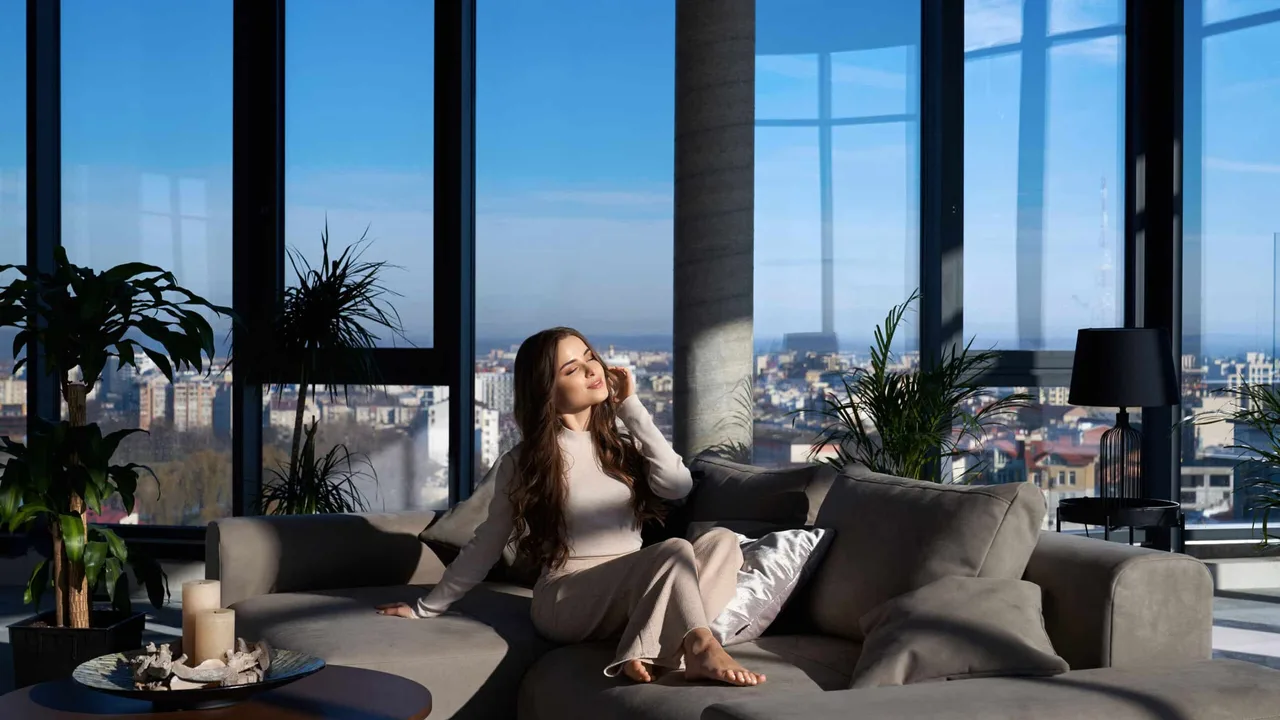
Physical space has a profound impact on mental well-being. Cluttered environments often lead to cognitive overload, while clean, open spaces encourage calm thinking. This explains why minimalism has become closely associated with the modern luxury lifestyle.
Minimalist homes are not about deprivation — they are about intentional design. Fewer objects, carefully chosen materials, and thoughtful layouts create environments that feel expansive, even in smaller spaces.
The philosophy of simplicity plays a central role here. Owning fewer but higher-quality items reduces maintenance stress and decision fatigue. Every object serves a purpose. Every room supports well-being.
| Traditional Luxury | Modern Luxury Lifestyle |
|---|---|
| Large homes with excess space | Intentional spaces designed for comfort and calm |
| More possessions | Curated essentials |
| Status display | Emotional well-being |
Digital Space and Mental Peace
Space is not only physical — it is also digital. Notifications, emails, and constant updates crowd the mind just as clutter crowds a room. Reducing digital noise has become another pillar of the modern luxury lifestyle.
Setting screen boundaries, limiting social media exposure, and creating tech-free hours restore mental clarity. In a hyperconnected world, silence feels rare — and therefore luxurious.
Through mindful living, individuals learn to curate not only what they buy, but what they consume mentally. Information becomes intentional rather than overwhelming. Peace replaces pressure.
Peace as the New Status Symbol
Emotional Stability Over External Validation
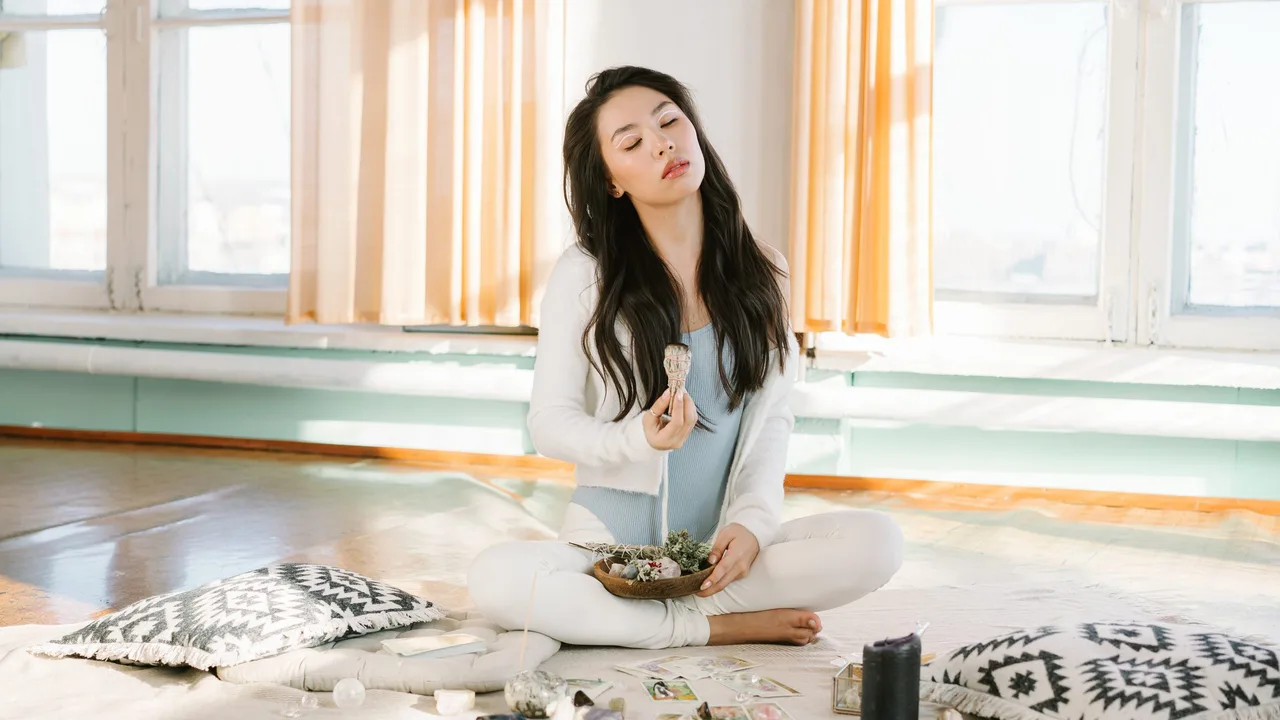
There was a time when status symbols were visible from a distance. Today, the most powerful symbol of success is invisible: emotional stability. In the modern luxury lifestyle, peace of mind has become more desirable than prestige.
Constant comparison, especially through social media, has fueled anxiety and dissatisfaction for years. But a cultural correction is underway. More people are investing in therapy, meditation, journaling, and emotional intelligence. They are prioritizing resilience over recognition.
Choosing calm over chaos is not passive — it is deliberate. The ability to stay grounded during uncertainty reflects a deeper form of wealth. In this sense, mindful living is no longer a niche wellness trend; it is a defining element of the modern luxury lifestyle.
Mindful Living in a Fast World
Living mindfully in a fast-paced society requires practice. It means slowing down conversations, eating without distractions, and walking without headphones. These small rituals restore presence in a world obsessed with speed.
The modern luxury lifestyle encourages daily pauses. Breathing exercises before meetings. Evening routines without screens. Weekend mornings without schedules. These habits cultivate inner balance — something no product can replicate.
When simplicity guides choices, peace follows naturally. And in an overstimulated world, peace feels extraordinary.
The Role of Simplicity in Modern Luxury Lifestyle
Why Less Is More
Simplicity is often misunderstood as sacrifice. In reality, it is refinement. Choosing fewer commitments, fewer possessions, and fewer distractions allows space for higher quality experiences. The modern luxury lifestyle embraces the principle that less clutter equals more clarity.
Intentional consumption plays a major role here. Instead of buying impulsively, individuals invest in craftsmanship, durability, and meaning. Quality replaces quantity. Longevity replaces trends.
- Buy fewer but better-made products.
- Choose timeless design over seasonal fashion.
- Prioritize function and emotional value.
This shift reflects a deeper awareness: owning more does not guarantee living better. Often, it does the opposite.
Sustainable Choices and Conscious Design
The modern luxury lifestyle also aligns closely with sustainability. Conscious consumers understand that environmental responsibility and personal well-being are interconnected. Sustainable design, ethical sourcing, and durable materials are no longer fringe concepts — they are expectations.
Mindful purchasing decisions reflect sustainability ethics in everyday life, even outside formal environmental discourse. When individuals choose long-lasting goods and reduce waste, they contribute to broader ecological balance while simplifying their own routines.
Here, mindful living becomes both personal and collective. It benefits the individual and the planet simultaneously.
The Psychology Behind the Shift
Why is the modern luxury lifestyle gaining traction now? The answer lies partly in psychology. Research on stress and well-being shows that chronic busyness elevates cortisol levels, impacting both physical and emotional health. Continuous stimulation prevents deep rest.
By contrast, environments characterized by simplicity and intentional routines promote calmness and cognitive clarity. The human brain responds positively to order and predictability. This explains why minimalist interiors, structured mornings, and digital boundaries feel restorative.
There is also the concept of hedonic adaptation — the tendency to quickly normalize material upgrades. A larger home or a new car soon becomes ordinary. However, autonomy, time flexibility, and emotional safety have more lasting psychological benefits. The modern luxury lifestyle centers on these enduring forms of satisfaction rather than temporary excitement.
The Future of Modern Luxury Lifestyle
Looking ahead, the modern luxury lifestyle will likely evolve alongside technology and cultural shifts. Automation and artificial intelligence may reduce repetitive work, giving people more control over their schedules. Hybrid work models could further blur the lines between career and personal life, creating opportunities for greater balance.
At the same time, the wellness economy continues to grow. Retreats, meditation apps, minimalist design studios, and slow-living communities reflect a collective desire for deeper fulfillment. Luxury brands themselves are adapting — shifting messaging from extravagance to experience.
In the coming years, time freedom may replace financial excess as the ultimate aspiration. Private jets may impress, but uninterrupted weekends may feel richer. Expansive mansions may signal wealth, but peaceful mornings signal freedom.
Ultimately, the modern luxury lifestyle is less about scarcity and more about intention. It is not reserved for billionaires; it is accessible to anyone willing to realign priorities.
Living Rich Without Owning More
The definition of luxury is changing quietly but profoundly. No longer confined to material abundance, it now encompasses autonomy, clarity, and emotional stability. The modern luxury lifestyle values time over trophies, space over status, and peace over pressure.
Through mindful living and simplicity, individuals reclaim control over their environment and attention. They curate not only what they own, but how they feel. In doing so, they discover a truth that previous generations often overlooked: richness is not measured by accumulation, but by alignment.
In a noisy world, choosing calm is powerful. In a crowded world, choosing space is liberating. And in a culture obsessed with more, choosing less may be the greatest luxury of all.